
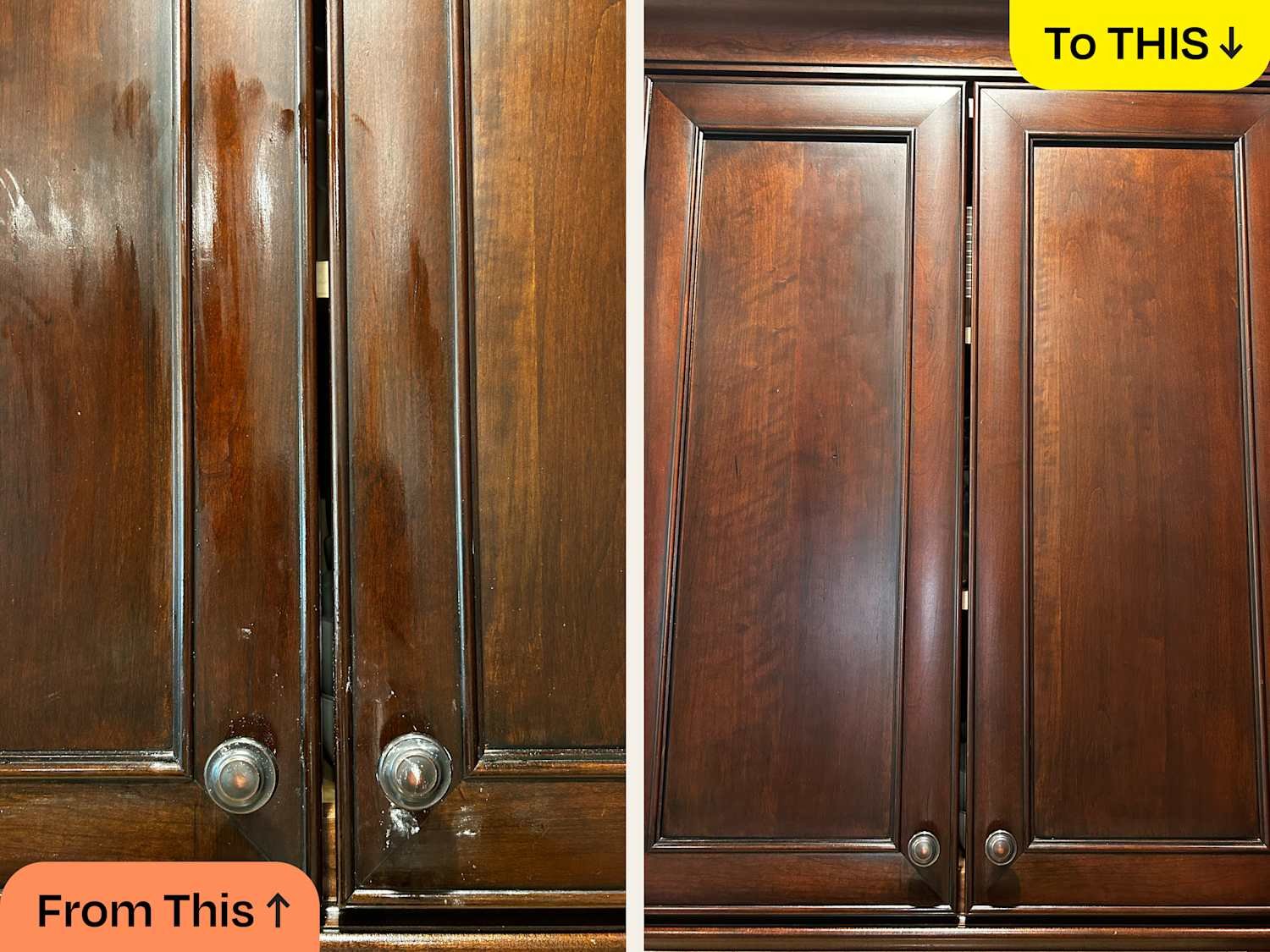
Are your kitchen cabinets looking dull and sticky because of stubborn grease? You’re not alone.
Grease buildup can make your cabinets look dirty and worn out, even if you clean regularly. But here’s the good news: removing grease from cabinets is easier than you think. You’ll discover simple, effective methods to restore your cabinets to their clean, fresh state.
Keep reading, and you’ll learn how to tackle grease quickly—saving your kitchen’s look and your time.

Credit: www.reddit.com
Why Grease Accumulates On Cabinets
Grease on kitchen cabinets is a common problem. It can make cabinets look dirty and sticky.
Understanding why grease builds up helps to clean it better and prevent future buildup.
Cooking Activities
Cooking releases oil and fat particles into the air. These tiny particles settle on cabinet surfaces nearby.
Lack Of Ventilation
Without proper ventilation, grease particles stay in the kitchen air longer. This increases the chance they will land on cabinets.
Type Of Cooking Oils Used
Some oils create thicker, stickier grease. These oils cling to surfaces more easily than others.
- Vegetable oils tend to leave light grease.
- Butter and animal fats produce heavier grease.
- Oils heated to high temperatures create more smoke and particles.
Cabinet Material And Finish
Glossy or smooth finishes attract grease more than matte surfaces. Some materials absorb grease faster.
| Material | Grease Attraction |
| Wood with Glossy Finish | High |
| Laminate | Medium |
| Matte Painted Wood | Low |

Credit: jimscleaning.co.nz
Essential Supplies For Grease Removal
Grease on cabinets can make your kitchen look dirty and sticky. Cleaning it well needs the right supplies. Using the right tools helps remove grease quickly and safely.
This guide lists the important supplies you need to clean grease from your cabinets effectively. Each supply has a special role in the cleaning process.
Mild Dish Soap
Mild dish soap works well to break down grease without harming cabinet surfaces. It is gentle but effective for regular cleaning.
Mix the soap with warm water to create a cleaning solution that cuts through grease easily. Avoid harsh soaps that can damage finishes.
White Vinegar
White vinegar is a natural cleaner that dissolves grease and grime. It is safe for most cabinet materials and helps remove odors.
Use vinegar diluted with water for a strong but safe cleaning liquid. It works well on tough grease spots.
Baking Soda
Baking soda is a gentle abrasive that helps scrub off stuck-on grease. It does not scratch most cabinet surfaces.
Make a paste with baking soda and water for tough grease stains. Apply it carefully and wipe off after scrubbing.
Microfiber Cloths
Microfiber cloths pick up grease and dirt without scratching surfaces. They are soft and reusable for cleaning cabinets.
Use these cloths dampened with cleaning solutions for best results. They help avoid streaks and residue.
Spray Bottle
A spray bottle helps apply cleaning solutions evenly on cabinet surfaces. It makes cleaning easier and reduces waste.
Fill the bottle with soap water or vinegar solution for quick and controlled spraying. This tool saves time during cleaning.
Soft-bristled Brush
A soft-bristled brush helps reach grease in corners and grooves. It loosens dirt without harming the cabinet finish.
Use the brush gently on detailed areas to remove buildup. It works well with baking soda paste or soap solution.
Natural Cleaning Solutions
Grease on cabinets can be tough to clean. Using natural cleaners keeps your home safe and fresh.
These simple solutions use common kitchen ingredients. They are easy to make and gentle on surfaces.
Vinegar And Water Mixture
Mix equal parts of white vinegar and water in a spray bottle. Spray the mixture on greasy cabinet surfaces.
Let it sit for a few minutes, then wipe with a clean cloth. Vinegar breaks down grease and removes residue.
- Use white distilled vinegar for best results
- Test on a small area before full use
- Wipe dry to avoid damage to wood finishes
- Repeat if grease remains
Baking Soda Paste
Make a paste with baking soda and a little water. Apply the paste to greasy spots on cabinets.
| Ingredient | Amount |
|---|---|
| Baking Soda | 2 tablespoons |
| Water | 1 tablespoon |
Let the paste sit for 10 minutes. Then, scrub gently with a soft cloth or sponge. Rinse with clean water and dry.
Commercial Cleaners For Stubborn Grease
Grease on cabinets can be tough to remove with regular cleaners. Commercial cleaners offer stronger formulas to tackle stubborn grease. These products help restore the shine and cleanliness of your kitchen cabinets.
Choosing the right type of cleaner is important. Two common types are degreasing sprays and citrus-based cleaners. Each works in a different way to break down grease.
Degreasing Sprays
Degreasing sprays use powerful chemicals to dissolve grease quickly. They are easy to apply and work well on baked-on grime. Spray the cleaner on the greasy surface and let it sit for a few minutes. Then, wipe it away with a clean cloth.
- Effective on tough, sticky grease
- Fast acting formula
- Works on various surfaces, including wood and laminate
- May require gloves for protection
Citrus-based Cleaners
Citrus-based cleaners use natural oils from fruits like lemon or orange. These oils cut through grease gently and leave a fresh scent. They are safe for many cabinet finishes and are less harsh than chemical sprays.
| Feature | Degreasing Sprays | Citrus-Based Cleaners |
| Cleaning Power | High | Moderate |
| Safety for Surfaces | May be harsh | Gentle |
| Smell | Chemical | Fresh, citrus |
| Application | Spray and wipe | Spray or apply with cloth |
| Best Use | Heavy grease | Light to moderate grease |
Step-by-step Cleaning Process
Grease can make your cabinets look dirty and sticky. Cleaning it well keeps your kitchen fresh and neat. Follow these simple steps to remove grease from your cabinets.
This guide will help you clean cabinets safely and quickly using easy methods.
Preparing The Area
Start by clearing the space around your cabinets. Remove any items on or near the cabinet surfaces. This gives you room to clean properly.
Gather your cleaning supplies before you begin. You will need a soft cloth, a mild cleaner, warm water, and gloves if you prefer.
- Remove objects from cabinet surfaces
- Lay down a towel or cloth to catch drips
- Wear gloves to protect your skin
- Prepare a cleaning solution with mild soap and warm water
Applying The Cleaner
Dip a soft cloth or sponge into the cleaning solution. Wring it out so it is damp, not soaking wet. This protects the cabinet finish.
Gently rub the greasy areas with the cloth. Use small circles to lift the grease without damaging the surface.
- Use mild soap mixed with warm water
- Apply cleaner with a soft cloth or sponge
- Focus on greasy spots using gentle circular motions
- Avoid harsh scrubbing to protect the finish
Wiping And Rinsing
After cleaning, take a clean cloth dampened with plain water. Wipe the cabinets to remove soap and loosened grease.
Dry the cabinets with a soft towel. Make sure no moisture stays on the surface to prevent damage.
- Use a clean damp cloth to wipe off cleaner
- Remove all soap residue for a clean finish
- Dry cabinets fully with a soft towel
- Repeat if grease remains
Preventing Future Grease Buildup
Grease buildup on cabinets can make your kitchen look dirty. It also causes damage over time. Preventing grease buildup saves cleaning time and keeps cabinets looking new.
Simple habits and protective steps help stop grease from sticking. Use these tips to keep your cabinets clean longer.
Regular Cleaning Schedule
Clean your cabinets often to avoid thick grease layers. Wipe them at least once a week with a mild cleaner and a soft cloth.
Focus on areas near the stove and handles. Regular cleaning stops grease from hardening and becoming harder to remove.
- Use warm water and mild soap
- Dry cabinets with a clean towel
- Wipe spills immediately after cooking
- Clean handles and edges thoroughly
Using Protective Coatings
Protective coatings create a barrier that stops grease from sticking to cabinet surfaces. These coatings make cleaning easier and keep cabinets shiny.
Apply clear varnish or specialized kitchen sealants on cabinets. Always follow product instructions for best results.
- Choose water-resistant coatings
- Apply thin, even layers
- Let each layer dry fully before the next
- Reapply coatings every 1-2 years
Common Mistakes To Avoid
Removing grease from cabinets can be tricky if you do not use the right methods. Many people make mistakes that can damage the finish or leave grease behind.
This guide helps you avoid common errors and clean your cabinets safely and effectively.
Using Harsh Chemicals
Many cleaners contain strong chemicals that can harm cabinet surfaces. Avoid bleach, ammonia, or abrasive cleaners. These can strip paint or damage wood.
Scrubbing Too Hard
Scrubbing vigorously may seem helpful but can scratch or wear off finishes. Use gentle cloths or sponges and light pressure instead.
Ignoring Test Spots
Testing cleaning solutions on a hidden area is important. It prevents damage or discoloration on visible parts of cabinets.
Leaving Residue Behind
Many cleaners leave a sticky film that attracts more grease. Always rinse with clean water and dry with a soft cloth after cleaning.
Using Excess Water
Too much water can cause wood cabinets to swell or warp. Use damp cloths, not soaked ones, and dry surfaces quickly.
Rushing The Cleaning Process
Grease removal takes time. Rushing can leave spots behind or damage cabinets. Be patient and repeat cleaning if needed.
| Mistake | Why to Avoid | Better Approach |
|---|---|---|
| Harsh Chemicals | Damage surface finish | Use mild soap and water |
| Scrubbing Too Hard | Scratches and wear | Use soft cloth with light pressure |
| Ignoring Test Spots | Unexpected damage or discoloration | Test cleaner on hidden area first |
| Leaving Residue | Attracts more grease | Rinse and dry after cleaning |
| Using Excess Water | Wood swells or warps | Use damp cloth and dry quickly |
| Rushing Cleaning | Missed grease spots | Clean slowly and repeat if needed |
Quick Tips For Efficient Cleaning
Grease on cabinets looks messy and can be hard to clean. Using the right methods can save time and effort.
These tips help you remove grease quickly and keep your cabinets looking fresh.
Use Warm Soapy Water
Mix warm water with mild dish soap. Dip a soft cloth into the solution and wipe the greasy areas gently. This breaks down grease without harming the cabinet finish.
Try Vinegar And Water Solution
Vinegar is a natural cleaner that cuts grease well. Mix equal parts white vinegar and water in a spray bottle. Spray on grease and wipe off with a clean cloth.
Use Baking Soda For Tough Spots
Baking soda acts as a gentle scrubber. Make a paste with baking soda and water. Apply it to greasy spots and rub softly with a sponge. Rinse with a damp cloth.
Essential Tools For Grease Removal
- Soft microfiber cloths
- Non-abrasive sponges
- Spray bottles
- Warm water
- Mild dish soap
- Baking soda
- White vinegar
Avoid Harsh Chemicals And Scrubbing Pads
Harsh cleaners and rough pads can damage your cabinets. Stick to gentle cleaners and soft cloths to keep the finish safe and smooth.
Quick Cleaning Routine Chart
| Cleaning Step | Material Needed | Time Needed |
|---|---|---|
| Wipe with warm soapy water | Soft cloth, dish soap, warm water | 5 minutes |
| Spray vinegar solution | Spray bottle, vinegar, water | 3 minutes |
| Scrub with baking soda paste | Baking soda, water, sponge | 4 minutes |
| Dry and polish | Dry cloth | 2 minutes |

Credit: katiecleans.com
Frequently Asked Questions
How Do I Remove Grease From Kitchen Cabinets Naturally?
Use a mixture of warm water and vinegar to clean grease. Apply with a soft cloth and wipe gently. Rinse with clean water and dry thoroughly. This natural method is effective and safe for most cabinet finishes.
What Household Items Remove Grease From Cabinets Quickly?
Baking soda, vinegar, and dish soap are great for grease removal. Mix baking soda and water into a paste, apply, and scrub gently. Alternatively, use diluted vinegar or soapy water to wipe down cabinets and remove grease efficiently.
Can Grease Be Removed Without Harsh Chemicals?
Yes, natural ingredients like vinegar and baking soda work well. They break down grease without damaging surfaces. Avoid abrasive scrubbers to protect cabinet finishes. This method is safe and eco-friendly for regular cleaning.
How Often Should I Clean Grease Off Cabinets?
Clean grease from cabinets weekly or as soon as visible. Frequent cleaning prevents buildup and keeps cabinets looking fresh. Regular maintenance also extends the life of cabinet surfaces and avoids stubborn stains.
Conclusion
Grease on cabinets can make your kitchen look dull. Cleaning them often keeps your space fresh and neat. Use simple ingredients like soap, vinegar, or baking soda. These remove grease without harming the cabinet surface. Regular cleaning stops grease buildup and keeps cabinets shiny.
Remember, gentle scrubbing works better than harsh chemicals. Small daily efforts save big cleaning later. Enjoy a cleaner kitchen with less effort. Your cabinets will thank you with a bright, fresh look.