
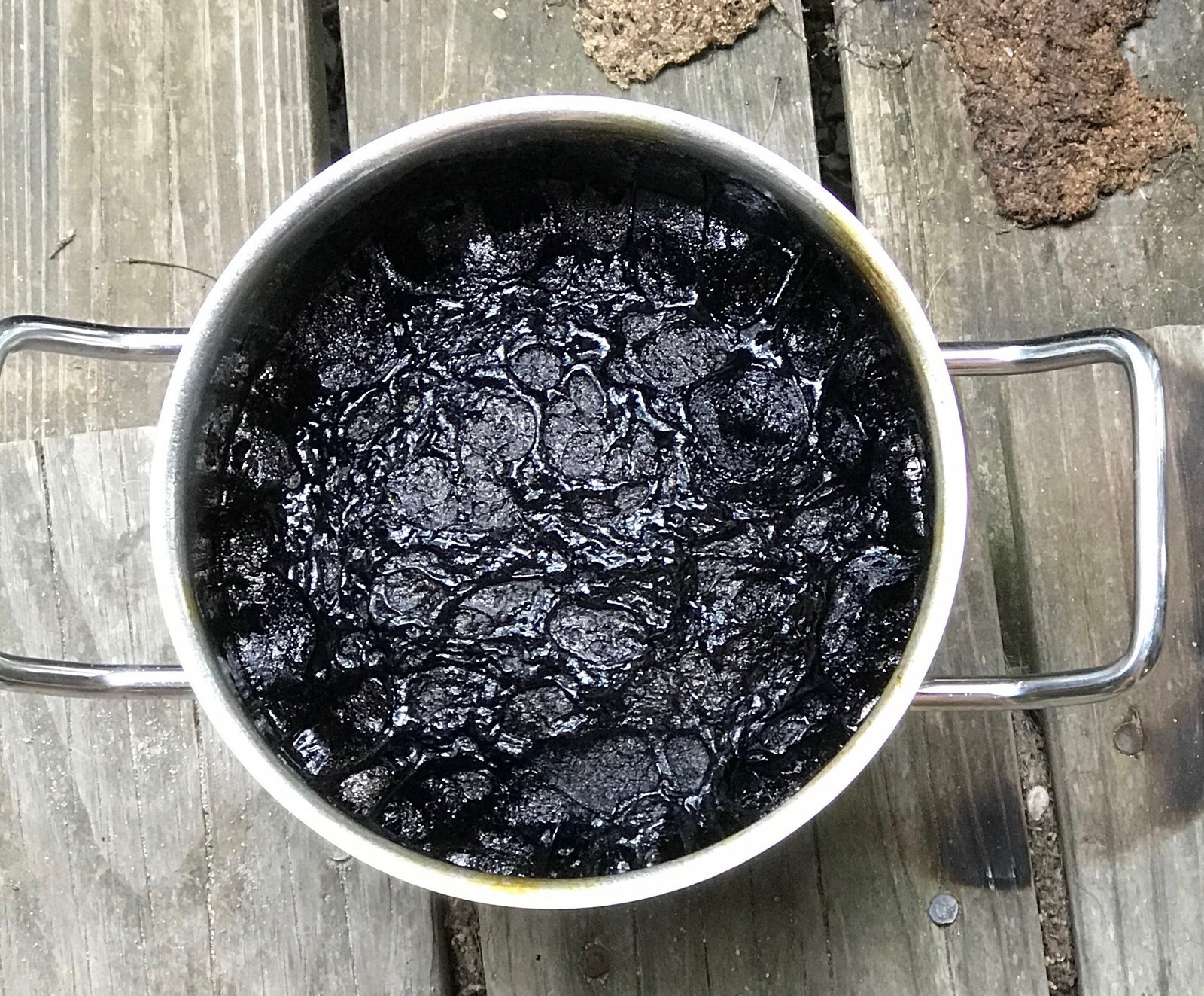
Have you ever tried to make a sweet treat, only to end up with burnt sugar stuck stubbornly to your pot? It’s frustrating, messy, and can make you want to toss that pot right out.
But before you give up, there’s good news—removing burnt sugar doesn’t have to be a struggle. You’ll discover simple, effective tricks to bring your pots back to life without harsh scrubbing or expensive cleaners. Keep reading, and you’ll learn how to save your cookware and make your kitchen cleanup easier than ever.
Common Causes Of Burnt Sugar
Burnt sugar can stick to pots and pans, making cleaning difficult. Understanding why sugar burns helps avoid damage.
Burnt sugar happens when heat is too high or sugar cooks too long. Knowing common causes prevents this problem.
High Heat Exposure
Cooking sugar on very high heat causes it to burn quickly. Sugar melts and then burns if the heat stays high too long.
Lack Of Stirring
Not stirring sugar often causes it to stick and burn on the pot’s surface. Stirring spreads heat evenly.
Using The Wrong Cookware
Thin or cheap pots heat unevenly, causing sugar to burn in spots. Heavy-bottomed pans work best for sugar cooking.
- Thin metal pots heat too fast
- Non-stick coatings can wear off
- Heavy pans distribute heat evenly
- Ceramic pots can crack with high heat
Adding Sugar Too Early
Putting sugar in a cold or very hot pot without liquid causes it to burn fast. Sugar needs moisture to melt properly.
Leaving Sugar Unattended
Leaving sugar on the stove without watching causes it to burn. Sugar changes color and burns quickly once it reaches caramel stage.
| Cause | Effect |
| High Heat Exposure | Sugar melts too fast and burns |
| Lack of Stirring | Uneven heat, sugar sticks to pot |
| Wrong Cookware | Hot spots cause sugar to burn |
| Adding Sugar Too Early | Sugar burns without moisture |
| Leaving Sugar Unattended | Sugar burns quickly after caramelizing |
Credit: www.rd.com
Initial Steps To Tackle Burnt Sugar
Burnt sugar on pots can be hard to clean. Acting quickly makes removal easier.
This guide covers safety and needed supplies to start the cleaning process.
Safety Precautions
Always protect your hands and eyes when cleaning burnt sugar. Some cleaning agents may irritate skin or eyes.
- Wear rubber gloves to protect your hands.
- Use goggles if splashing is possible.
- Work in a well-ventilated area to avoid fumes.
- Keep children and pets away from cleaning area.
- Do not mix cleaning chemicals to avoid harmful reactions.
Gather Necessary Supplies
Having the right tools will make the cleaning process smoother and safer.
| Supply | Purpose |
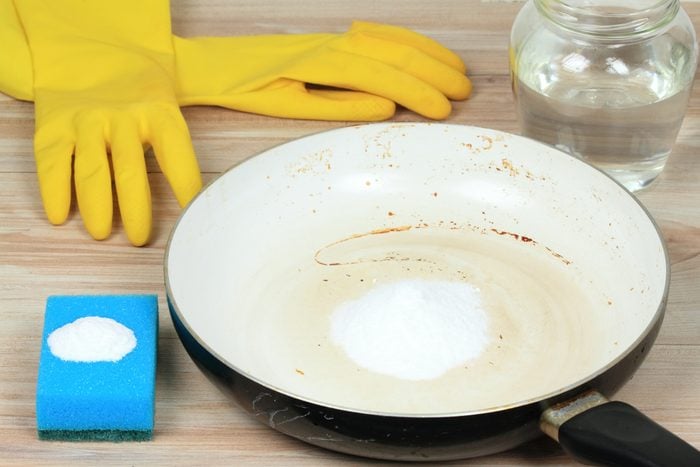
| Baking soda | Helps loosen burnt sugar |
| White vinegar | Breaks down residue |
| Scrubbing brush or sponge | Removes burnt bits |
| Rubber gloves | Protects hands |
| Warm water | Softens burnt sugar |
Soaking Methods
Burnt sugar can stick hard to pots. Soaking helps soften the burnt sugar. This makes cleaning easier and saves your pot.
Use soaking methods to loosen the burnt sugar before scrubbing. Soaking is gentle and protects your pot’s surface.
Hot Water Soak
Fill the pot with hot water. Make sure the burnt area is covered. Let it soak for at least 30 minutes.
Hot water softens the burnt sugar. After soaking, use a sponge or brush to scrub gently. Repeat if needed.
- Fill pot with hot water
- Cover burnt sugar completely
- Soak for 30 minutes or more
- Scrub gently after soaking
Vinegar And Baking Soda
Pour a cup of vinegar into the pot. Heat the pot on the stove until the vinegar boils. Remove the pot from heat.
Add two tablespoons of baking soda to the hot vinegar. Let the mixture fizz and soak for 15 to 30 minutes. This reaction helps loosen burnt sugar.
- Pour 1 cup vinegar in pot
- Heat until vinegar boils
- Remove from heat
- Add 2 tablespoons baking soda
- Let soak 15-30 minutes

Credit: www.youtube.com
Scrubbing Techniques
Removing burnt sugar from pots can be tough. Using the right scrubbing method helps protect your cookware. This guide covers easy ways to clean burnt sugar without damage.
Choose tools that are gentle but effective. Scrubbing too hard or with rough tools can scratch your pots. Use these simple techniques for best results.
Using A Wooden Spoon
A wooden spoon is a safe tool for scraping burnt sugar. It is firm enough to remove residue but soft enough to avoid scratching the pot’s surface.
- Let the pot cool down before cleaning.
- Fill the pot with warm water to loosen the burnt sugar.
- Use the wooden spoon to gently scrape off the softened sugar.
- Work carefully around the pot to avoid damaging the surface.
- Rinse the pot with warm water to remove any leftover residue.
Employing A Non-abrasive Scrubber
Non-abrasive scrubbers work well to clean burnt sugar without scratching. They help lift stuck sugar with minimal effort.
| Scrubber Type | Material | Best For |
|---|---|---|
| Sponge with Soft Side | Cellulose or foam | Light burnt sugar stains |
| Non-scratch Scrubber Pad | Polyester or nylon mesh | Medium burnt sugar buildup |
| Silicone Scrubber | Silicone bristles | Delicate surfaces and quick cleaning |
Natural Cleaning Solutions
Burnt sugar on pots is hard to remove. It sticks tightly and looks bad. Natural cleaning solutions can help clean your pots safely.
These methods use simple ingredients found at home. They are easy to use and good for your pots and the environment.
Lemon Juice Mixture
Lemon juice is acidic and can break down burnt sugar. It works well combined with water for cleaning pots.
- Pour equal parts of lemon juice and water into the pot.
- Heat the mixture on low for 10 minutes.
- Let it cool down for a few minutes.
- Use a soft sponge to scrub the burnt areas gently.
- Rinse the pot with warm water and dry it.
Salt Scrub
Salt is rough and helps remove burnt sugar by scrubbing. It is a natural abrasive that does not harm the pot.
| Salt Scrub Method | Details |
|---|---|
| Sprinkle Salt | Cover the burnt sugar with a layer of salt. |
| Add Water | Put a little water to make a paste with the salt. |
| Scrub | Use a cloth or sponge to rub the burnt areas. |
| Rinse | Wash the pot with warm water after scrubbing. |
Commercial Cleaners
Removing burnt sugar from pots can be tough. Commercial cleaners help make this task easier. They contain strong ingredients that break down burnt sugar quickly.
Using the right cleaner and applying it correctly protects your pots and saves time. Learn how to choose and use commercial cleaners for the best results.
Choosing The Right Product
Select a cleaner made for burnt sugar or tough stains. Look for products labeled safe for your pot’s material. Avoid harsh chemicals that can damage pots.
- Check if the cleaner works on stainless steel, aluminum, or non-stick surfaces.
- Choose biodegradable or eco-friendly options if possible.
- Read product reviews to see if it removes burnt sugar well.
- Pick cleaners with clear instructions and safety warnings.
Application Tips
Follow these tips to use commercial cleaners safely and effectively on burnt sugar stains.
| Tip | Reason |
| Wear gloves | Protect your skin from harsh chemicals. |
| Apply cleaner to cool pot | Prevents chemical reactions that can cause damage. |
| Let cleaner sit for recommended time | Gives cleaner time to break down burnt sugar. |
| Use a soft scrubber | Avoids scratching the pot’s surface. |
| Rinse thoroughly | Removes all cleaner residue for safe cooking. |
Preventing Future Burnt Sugar Incidents
Burnt sugar can ruin pots and dishes. You can avoid this by cooking carefully. Using the right techniques helps keep sugar from burning.
Preventing burnt sugar saves time and keeps your pots clean. Learn how to control heat and watch your cooking closely.
Cooking Temperature Tips
Use low to medium heat when melting sugar. High heat causes sugar to burn fast. Heat slowly for even melting.
Use a heavy-bottomed pan to distribute heat evenly. This stops hot spots that burn sugar quickly.
- Start with low heat and raise it gradually
- Avoid sudden high temperatures
- Use a thick pan to spread heat
- Remove from heat if sugar looks too dark
Monitoring Cooking Process
Never leave sugar unattended while cooking. Sugar can go from melted to burnt in seconds. Watch it closely at all times.
Stir sugar gently and constantly. This helps sugar melt evenly and stops it from sticking to the pan bottom.
- Keep a close eye on the pot
- Stir slowly and often
- Use a timer to track cooking time
- Be ready to remove from heat quickly
Maintaining Your Cookware
Keeping your pots clean after burnt sugar spills helps them last longer. Proper care stops damage and keeps cooking safe.
Learn simple ways to clean burnt sugar and store your cookware to avoid problems.
Regular Cleaning Routine
Clean pots soon after use. Avoid letting burnt sugar sit too long. Use gentle tools to protect the pot’s surface.
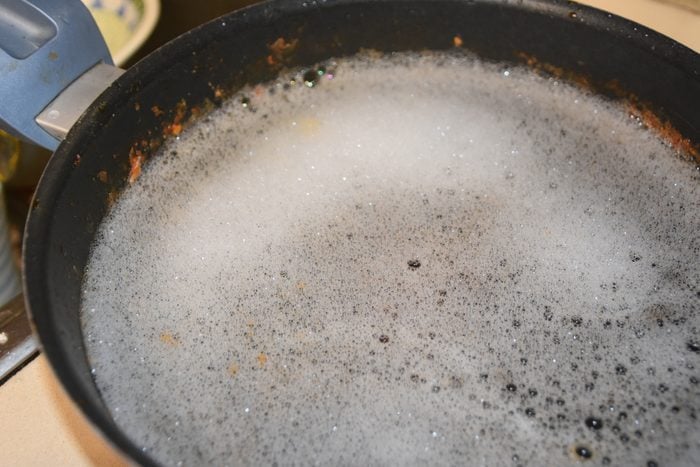
- Fill the pot with warm water and a little dish soap.
- Let it soak for 30 minutes to loosen burnt sugar.
- Use a soft sponge or cloth to scrub the residue gently.
- For tough spots, boil water with vinegar in the pot for 10 minutes.
- Rinse well and dry the pot completely before storing.
Proper Storage Techniques
Store pots in a dry place. Avoid stacking them while wet. Use protective layers to prevent scratches and damage.
| Storage Tip | Reason |
|---|---|
| Dry pots fully before storage | Prevents rust and mold growth |
| Place soft cloth or paper towels between stacked pots | Avoids scratches and dents |
| Store pots in a cool, dry cabinet | Keeps them in good condition longer |
| Keep lids separate or upside down | Prevents moisture buildup inside |
Credit: www.rd.com
Frequently Asked Questions
How Do I Remove Burnt Sugar From Pots Easily?
Soak the pot in hot water with dish soap for 30 minutes. Use a non-abrasive scrubber to gently remove residue. For stubborn spots, apply baking soda paste and scrub again. Rinse thoroughly and dry.
Can Vinegar Help Clean Burnt Sugar From Cookware?
Yes, vinegar is effective. Boil equal parts water and vinegar in the pot for 10 minutes. Let it cool, then scrub gently. Vinegar breaks down burnt sugar and loosens stains without damaging the pot.
What Household Items Remove Burnt Sugar From Pots?
Common items include baking soda, vinegar, lemon juice, and dish soap. Baking soda acts as a mild abrasive. Vinegar and lemon juice dissolve burnt sugar. Use these with hot water and scrubbing for best results.
Is It Safe To Use Abrasive Scrubbers On Pots?
Avoid harsh abrasives on non-stick or delicate pots. Use soft scrubbers or sponges to prevent scratches. For stainless steel, gentle scrubbing with baking soda paste is safe and effective.
Conclusion
Removing burnt sugar from pots takes patience and simple steps. Use common household items like baking soda and vinegar. Let the pot soak to loosen the burnt sugar. Scrub gently to avoid scratching your cookware. Repeat if needed, but stay patient.
Clean pots make cooking easier and more enjoyable. Keep these tips handy for future kitchen messes. Your pots will look clean and ready for the next meal. A little effort goes a long way in kitchen care.