
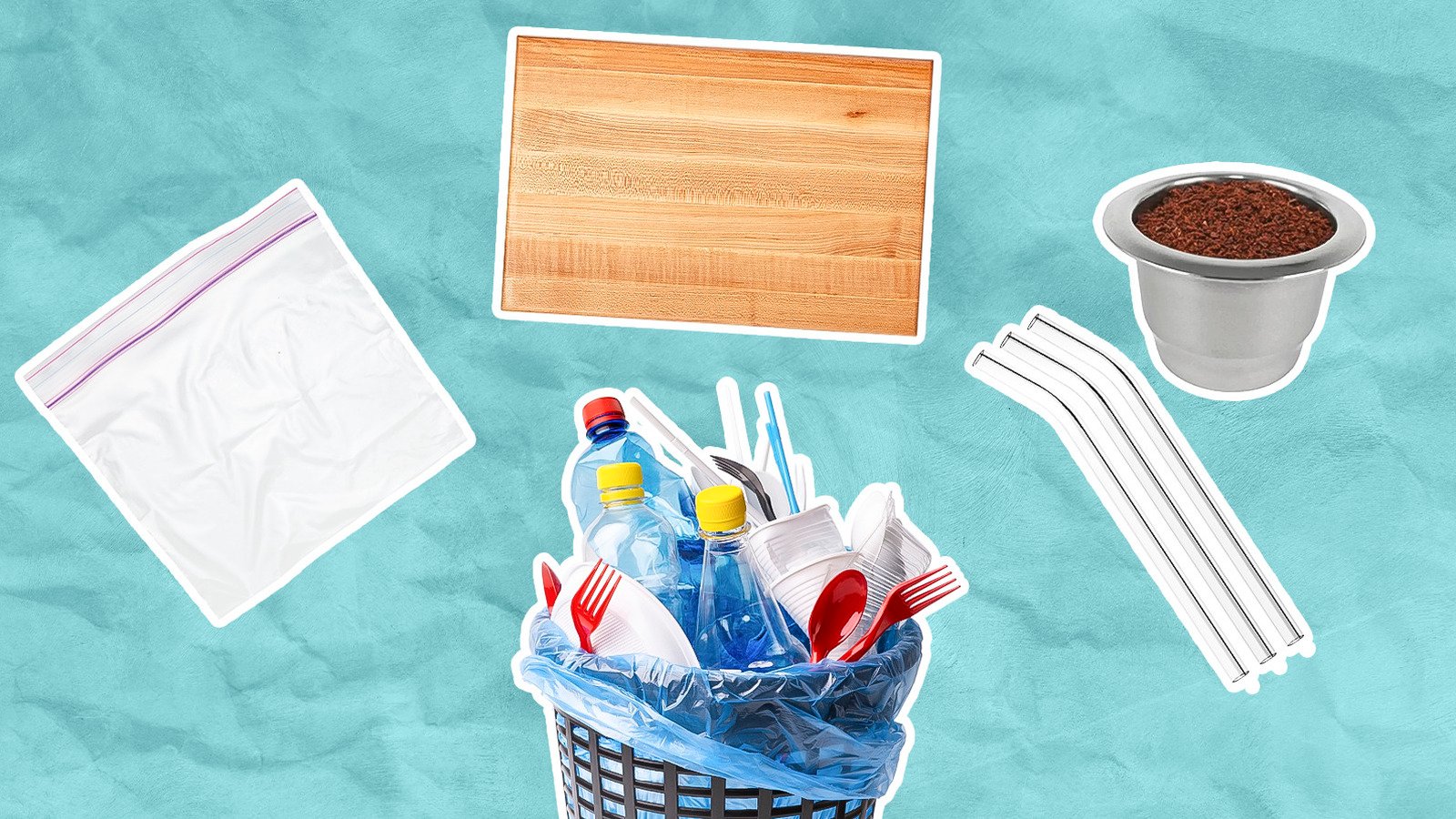
Your kitchen can be a powerful place to start cutting down on single-use plastic. Every day, you use items like plastic wrap, bags, and disposable containers without even thinking about it.
But what if you could easily swap these out for smarter, eco-friendly choices? Imagine saving money, reducing waste, and making a real impact on the environment—all from your own kitchen. You’ll discover simple, practical steps that fit right into your daily routine.
Ready to take control and make a positive change? Let’s dive in and transform your kitchen into a plastic-free zone.
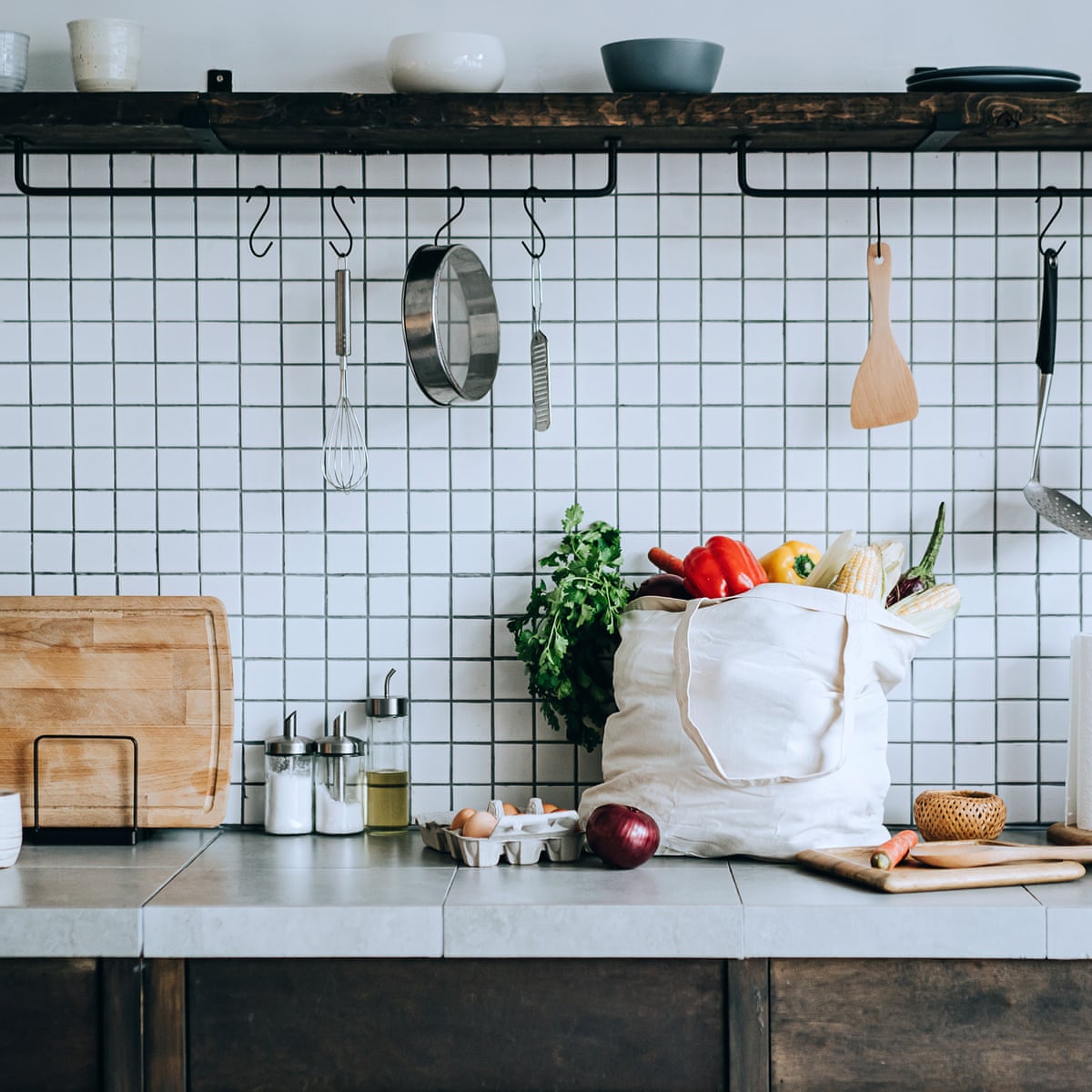
Credit: www.theguardian.com
Cutting Down Plastic Bags
Plastic bags are common in kitchens. They harm the environment when thrown away. Reducing their use helps keep our planet clean.
We can easily switch to better options. Start with small changes to see a big difference over time.
Using Reusable Bags
Reusable bags last longer than plastic ones. They are strong and good for the environment. Choose cloth or canvas bags for your groceries.
- Keep bags in your car for shopping trips
- Wash cloth bags regularly to keep them clean
- Choose bags with fun designs to enjoy using them
Choosing Alternatives For Produce
Plastic is often used for fruits and vegetables. There are better options to keep produce fresh. Cloth or mesh bags work well.
These bags allow air to flow. They help fruits and vegetables last longer. Try using small baskets for storage too.
Storing Bulk Items Without Plastic
Bulk items can be stored in jars or containers. Glass jars are a great choice. They keep food fresh and safe from pests.
- Use clear jars to see what is inside
- Label jars with the item name and date
- Stack jars to save space in cupboards

Credit: creators.yahoo.com
Switching To Sustainable Food Storage
Using single-use plastic in the kitchen adds a lot of waste. Switching to sustainable food storage helps reduce plastic use. It keeps food fresh and protects the environment.
Many eco-friendly options can replace plastic wrap and bags. These choices are safe, reusable, and easy to clean. They last longer and save money over time.
Glass And Stainless Steel Containers
Glass and stainless steel containers are great for storing food. They do not hold stains or smells like plastic does. These containers are strong and last for years.
You can use them for leftovers, meal prep, and snacks. They come in many sizes and shapes. Glass containers are safe for microwaves and ovens.
- Easy to clean and dishwasher safe
- Do not leach chemicals into food
- Good for hot and cold storage
- Reusable and recyclable materials
Beeswax Wraps Instead Of Plastic Wrap
Beeswax wraps are a natural alternative to plastic wrap. They are made from cotton cloth coated with beeswax. These wraps keep food fresh and allow it to breathe.
Use beeswax wraps to cover bowls or wrap fruits and sandwiches. They are washable and can be used many times. After use, air dry them to keep their shape.
- Reusable for up to one year
- Compostable and biodegradable
- Comes in different sizes and patterns
- Safe for direct contact with food
Silicone Lids And Bags
Silicone lids and bags replace single-use plastic covers and bags. Silicone is flexible and seals tightly to keep food fresh. These items can stretch to fit various containers.
They are heat-resistant, so you can use them in the fridge, freezer, and microwave. Silicone products are easy to clean and dishwasher safe. They reduce waste and save space.
- Reusable and durable
- Safe for cooking and storage
- Stretchable lids fit many container sizes
- Available in bags for snacks and produce
Rethinking Kitchen Utensils
Single-use plastic is a big problem in kitchens. It creates a lot of waste every day.
Changing the tools we use can cut down plastic waste. Choosing better options helps the planet.
Wooden And Bamboo Tools
Wooden and bamboo utensils are good choices to avoid plastic. They are natural and break down easily.
These tools last a long time and do not release chemicals into food. They also look nice in any kitchen.
- Wood and bamboo are renewable materials
- They do not add waste to landfills quickly
- They are safe to use with hot food
- Easy to clean and maintain
Avoiding Disposable Cutlery
Disposable plastic forks and spoons add to trash piles every day. Avoid buying them for your kitchen.
Use reusable cutlery made of metal, wood, or bamboo. Carry your own set when you eat outside.
- Say no to plastic forks, knives, and spoons
- Bring your own cutlery to picnics and work
- Wash and reuse instead of throwing away
Selecting Durable Alternatives
Choose kitchen tools that last many years. Durable items reduce the need to replace plastics often.
Metal, glass, and strong silicone are good materials. They resist damage and are easy to clean.
- Pick stainless steel spatulas and ladles
- Use glass jars for storage instead of plastic
- Silicone brushes and mats last longer than plastic
- Invest in quality to avoid frequent replacements
Buying In Bulk And Choosing Packaging Wisely
Reducing single-use plastic in your kitchen starts with smart shopping. Buying in bulk and choosing products with less packaging helps cut down waste.
This approach saves money and protects the environment by lowering plastic use at home.
Shopping At Zero-waste Stores
Zero-waste stores let you bring your own containers to buy food and household items. This reduces plastic bags and packaging.
You can find grains, nuts, spices, and liquids in bulk. These stores encourage using reusable jars and bags for your purchases.
- Bring clean jars and cloth bags
- Fill only what you need
- Choose products without plastic wrapping
Selecting Products With Minimal Packaging
Pick items with little or no plastic packaging. Look for cardboard, glass, or metal containers instead.
Fresh produce, bulk bins, and unpackaged goods lower plastic waste. Check labels for recyclable or compostable materials.
- Choose loose fruits and vegetables
- Buy dry goods from bulk bins
- Avoid products wrapped in plastic film
Refilling Containers At Home
Refill your containers with bulk items to avoid buying new packaging. Store dry foods, liquids, and spices in reusable jars.
Keep containers clean and dry to maintain food quality. Label them to identify contents easily.
- Use glass jars for grains and nuts
- Refill soap and detergent bottles
- Keep spices in small reusable tins
Reducing Plastic In Cleaning Supplies
Plastic waste from cleaning supplies adds to pollution. You can lower this waste by changing how you clean.
Choosing better options helps the planet and saves money. Small changes make a big difference in your kitchen.
Homemade Cleaners In Refillable Bottles
Making cleaners at home reduces the need for plastic bottles. Use simple ingredients like vinegar and baking soda.
Refill old spray bottles to avoid buying new plastic containers. Label each bottle to know what is inside.
- Mix equal parts water and vinegar for a good all-purpose cleaner.
- Add a few drops of essential oil for scent.
- Use baking soda paste for tough stains.
- Refill bottles instead of throwing them away.
Choosing Bar Soaps Over Liquid Soaps
Bar soaps use less plastic than liquid soaps in plastic bottles. They last longer and work well for hands and dishes.
Look for soaps wrapped in paper or no packaging at all. Store bars on a soap dish to keep them dry and last longer.
- Bar soap usually has less plastic packaging.
- It often contains fewer chemicals than liquid soap.
- Smaller bars reduce waste and are easy to carry.
- Use bars for handwashing, dishes, and even cleaning surfaces.
Using Reusable Cleaning Cloths
Replace paper towels with reusable cloths. Cloths can be washed and used many times.
Choose cloths made from cotton or bamboo. They clean well and reduce trash from single-use products.
- Use old t-shirts or towels cut into cleaning cloths.
- Wash cloths in hot water to keep them clean.
- Keep a bucket for dirty cloths in the kitchen.
- Reusable cloths save money and reduce plastic waste.
Incorporating Composting And Recycling
Reducing single-use plastic in the kitchen helps the planet. Composting and recycling are smart ways to cut waste.
Using compost and recycling bins keeps plastic and food scraps out of landfills. This lowers pollution and saves resources.
Separating Waste Properly
Sort your waste into compost, recycling, and trash bins. This helps each type of waste get handled correctly.
Keep clear labels on bins to avoid mixing materials. Use separate containers for plastics, food scraps, and other trash.
- Use a bin for compostable food waste only
- Keep plastics clean and dry before recycling
- Throw non-recyclable, non-compostable trash in the trash bin
Composting Food Scraps
Compost fruit and vegetable peels, eggshells, and coffee grounds. These scraps break down into nutrient-rich soil.
Avoid composting meat, dairy, or oily foods. These can attract pests and slow down the composting process.
- Collect scraps in a kitchen compost pail
- Turn compost regularly to speed decomposition
- Use finished compost in your garden or plants
Recycling Plastic When Necessary
Recycle plastic containers and packaging that your local program accepts. Check for recycling symbols to know what is accepted.
Rinse plastic items before recycling. Dirty plastics can contaminate the recycling process and cause more waste.
- Look for numbers 1 and 2 on plastic items
- Avoid recycling plastic bags in curbside bins
- Reuse plastic containers before recycling them
Encouraging Family And Friends
Reducing single-use plastic in the kitchen is easier with help from loved ones. You can create a positive impact by involving family and friends. It makes the effort fun and more effective.
Talking openly about ways to cut plastic helps everyone learn new habits. Sharing small ideas can lead to big changes in your community.
Sharing Tips And Resources
Share simple tips to avoid single-use plastics in the kitchen. Give examples like using cloth bags or glass containers. You can also recommend websites or books that explain why plastic is harmful.
- Use reusable shopping bags instead of plastic ones
- Choose bulk food to reduce packaging
- Switch to beeswax wraps instead of plastic wrap
- Buy fresh produce without plastic packaging
- Use refillable bottles for water and cleaning products
Creating A Plastic-free Challenge
Start a challenge with family and friends to reduce plastic use in the kitchen. Set a time frame like one week or one month. Encourage each other and share progress every day.
Make the challenge fun by rewarding small wins. This helps build good habits and keeps everyone motivated to continue.
- Track plastic-free days together
- Share photos of plastic-free meals or shopping
- Swap ideas on alternatives to plastic items
- Discuss challenges and find solutions as a group
- Celebrate success at the end of the challenge
Supporting Local Eco-friendly Initiatives
Help family and friends learn about local groups that work to reduce plastic waste. These groups often host workshops and events to teach easy ways to live plastic-free.
Joining these initiatives can build a strong community and inspire more people to change their habits.
- Attend local zero-waste workshops
- Visit farmers markets that avoid plastic packaging
- Support stores that sell plastic-free products
- Volunteer for community clean-up events
- Share information about local eco-friendly groups

Credit: www.yahoo.com
Frequently Asked Questions
What Are Easy Swaps To Reduce Kitchen Plastic Waste?
Simple swaps include using glass jars, beeswax wraps, and cloth bags. Replace plastic wrap with silicone lids or reusable containers. Choose bulk buying to avoid plastic packaging. These small changes significantly cut single-use plastic in your kitchen.
How To Store Food Without Plastic Containers?
Use glass, stainless steel, or ceramic containers for food storage. Beeswax wraps and silicone bags are great alternatives to plastic. These options are reusable, eco-friendly, and keep food fresh longer, reducing plastic waste in your kitchen.
Can Homemade Cleaning Products Reduce Plastic Use?
Yes, homemade cleaners use fewer plastic bottles. Mix vinegar, baking soda, and lemon for effective cleaning solutions. Store them in reusable spray bottles to cut down on single-use plastic in your kitchen. This approach saves money and reduces waste.
How To Avoid Plastic In Kitchen Packaging?
Buy fresh produce and bulk items without plastic packaging. Choose loose fruits, vegetables, and grains. Use reusable produce bags and containers when shopping. This reduces plastic waste and supports sustainable shopping habits.
Conclusion
Reducing single-use plastic in your kitchen helps the planet. Small changes add up to big results over time. Choose reusable bags, containers, and wraps instead. Avoid plastic straws and disposable cutlery whenever possible. Keep your kitchen simple and eco-friendly. Every effort counts and inspires others to act.
Start today for a cleaner, greener tomorrow.