
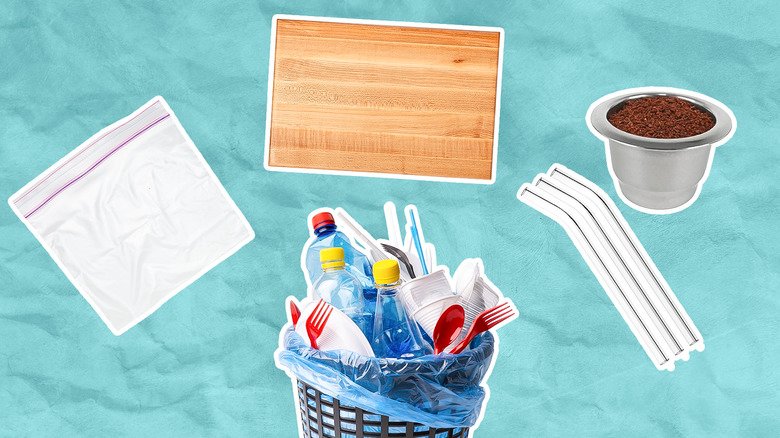
Are you tired of seeing so much plastic waste pile up in your kitchen? Single-use plastics are everywhere when you cook—from cling wrap to disposable bags—and they harm our planet in big ways.
But what if you could cut down on this waste without making your cooking harder? You’ll discover simple, practical tips to reduce single-use plastic in your kitchen. By making small changes, you can protect the environment and create a cleaner, healthier space for your meals.
Ready to transform your cooking routine and make a real difference? Keep reading to find out how.
Cutting Down Plastic Wrap
Many people use plastic wrap in their kitchens every day. It is convenient, but it harms our planet. Reducing single-use plastic in cooking can help the environment.
There are several ways to cut down on plastic wrap. Alternatives exist that are better for the Earth and just as easy to use.
Alternatives To Plastic Wrap
Plastic wrap is not the only way to store food. There are many other options that are reusable and eco-friendly. These alternatives help reduce waste and keep food fresh.
- Beeswax wraps
- Reusable silicone covers
- Glass containers
- Fabric bowl covers
Using Beeswax Wraps
Beeswax wraps are made from cotton and coated with beeswax. They are sticky and cling to bowls and food. You can wash and reuse them many times, and they are biodegradable.
To use beeswax wraps, simply wrap them around your food or over a bowl. The warmth of your hands will help them stick. They come in different sizes for various uses.
Reusable Silicone Covers
Silicone covers stretch to fit over dishes and containers. They create an airtight seal, keeping food fresh. Unlike plastic wrap, they can be used over and over.
These covers are easy to clean and dishwasher safe. They are also available in various sizes. Silicone covers are durable and a great substitute for single-use plastic.
| Material | Reusable | Eco-Friendly |
| Beeswax Wraps | Yes | Yes |
| Silicone Covers | Yes | Yes |

Credit: quench.culligan.com
Choosing Sustainable Storage
Reducing single-use plastic in cooking starts with how you store your food. Choosing sustainable storage helps cut plastic waste. It also keeps food fresh longer.
Using reusable and eco-friendly containers is a simple change. It lowers your plastic use and protects the environment.
Glass And Stainless Steel Containers
Glass and stainless steel containers are strong and long-lasting. They do not absorb odors or stains. Both materials are safe for food and easy to clean.
These containers come in many sizes. They work well for leftovers, meal prep, and pantry storage. Using them reduces the need for plastic wrap or bags.
- Glass is microwave and dishwasher safe
- Stainless steel is durable and lightweight
- Both materials can be recycled
Cloth Bags For Produce
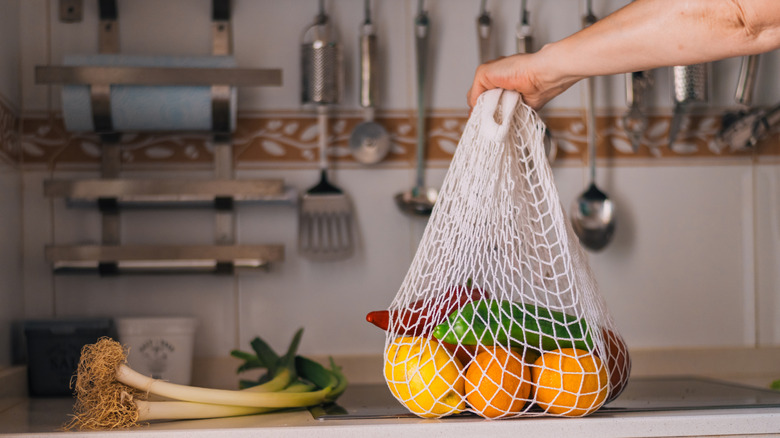
Cloth bags replace plastic produce bags at the grocery store. They are washable and reusable. Cloth bags allow fruits and vegetables to breathe, keeping them fresh.
Using cloth bags helps reduce plastic waste from shopping. They are easy to carry and store in your kitchen or shopping bag.
- Look for bags made from organic cotton or hemp
- Choose different sizes for various produce
- Wash bags regularly to keep them clean
Mason Jars For Dry Goods
Mason jars are perfect for storing dry goods like rice, beans, and spices. They seal tightly to keep food fresh. Mason jars are reusable and easy to clean.
Using mason jars reduces the need for plastic packaging. You can also use them for homemade sauces or salads. Their clear glass helps you see the contents easily.
- Choose different jar sizes for variety
- Label jars for easy identification
- Use metal or plastic lids, but recycle them properly
Eco-friendly Cooking Tools
Reducing single-use plastic in the kitchen helps the environment. Choosing eco-friendly cooking tools is a smart way to start.
These tools last longer and create less waste. They are safe for cooking and good for the planet.
Bamboo And Wooden Utensils
Bamboo and wooden utensils are natural and biodegradable. They do not wear out quickly and are gentle on cookware.
These utensils avoid plastic use and add a nice look to your kitchen. They can be used for stirring, flipping, and serving food.
Avoiding Disposable Cutlery
Disposable plastic cutlery creates a lot of waste. Switching to reusable metal or bamboo cutlery reduces trash.
Carrying your own set of utensils helps if you eat outside. It stops single-use plastic from entering landfills.
- Use metal forks, knives, and spoons
- Choose bamboo or wooden sets
- Keep a travel utensil kit handy
Durable Silicone Bakeware
Silicone bakeware is a good plastic alternative. It is flexible, heat-resistant, and lasts many years.
Using silicone pans and mats reduces the need for disposable foil and baking paper. They are easy to clean and store.
- Choose silicone muffin cups and baking mats
- Use silicone spatulas for mixing and scraping
- Wash and reuse silicone items many times
Credit: www.tastingtable.com
Smart Shopping Habits
Reducing single-use plastic starts with smart shopping habits. Choosing the right products and stores helps cut plastic waste. Small changes can make a big difference in your kitchen.
Shopping with care saves the environment and often saves money. Focus on buying items that use less or no plastic packaging.
Buying In Bulk
Buying in bulk reduces the need for individual plastic packages. You can use your own containers to fill items like grains, nuts, and spices.
This habit lowers plastic waste and lets you buy only the amount you need. It also helps save money over time.
- Bring reusable bags or jars
- Choose stores with bulk sections
- Buy staples like rice, beans, and flour
- Avoid items that come in small plastic packs
Selecting Package-free Produce
Pick fruits and vegetables without plastic wrapping. Loose produce reduces the use of bags and plastic films.
Use cloth or mesh bags to carry your fresh produce. This choice helps avoid single-use plastic bags.
- Choose fresh items from the produce section
- Bring your own reusable produce bags
- Wash and store produce in reusable containers
Supporting Zero-waste Stores
Zero-waste stores focus on reducing packaging waste. They offer products in bulk or package-free options.
Shopping at these stores supports sustainable practices. It also encourages more stores to offer plastic-free choices.
- Bring your own containers and bags
- Buy household and food items package-free
- Ask stores for more plastic-free options
Reducing Plastic In Food Prep
Using less plastic in the kitchen helps protect the environment. Many plastic items are used once and thrown away.
Changing small habits in food preparation can cut down plastic waste. This guide shows easy ways to reduce single-use plastic.
Using Cloth Towels Instead Of Paper
Cloth towels can replace paper towels in the kitchen. They are washable and last for a long time.
Using cloth towels reduces trash and saves money. They work well for cleaning spills and drying hands.
- Choose absorbent cotton or linen towels
- Keep several towels handy for different uses
- Wash towels regularly to keep them fresh
Diy Spice Mixes To Avoid Plastic Packs
Bought spice mixes often come in plastic packets. Making your own mixes cuts down plastic waste.
Mix whole spices or powders at home and store them in reusable containers. This keeps spices fresh and plastic-free.
- Combine spices like cumin, paprika, and garlic powder
- Store mixes in glass jars with tight lids
- Label jars to keep track of each blend
Making Homemade Sauces And Dressings
Many store-bought sauces come in plastic bottles. Making sauces at home avoids this plastic use.
Homemade sauces taste fresh and you control the ingredients. Use glass jars for storage to reduce plastic waste.
- Make salad dressings with olive oil, vinegar, and herbs
- Cook tomato sauce from fresh tomatoes and spices
- Use reusable containers to store sauces in the fridge
Cleaning Up Without Plastic
Reducing single-use plastic in cooking helps the environment. One easy place to start is cleaning tools and supplies.
Many cleaning products come in plastic containers. You can choose options that do not create plastic waste.
Refillable Soap And Detergent Options
Refillable soaps and detergents reduce plastic bottle waste. You can buy soap in bulk or from stores that let you refill bottles.
Look for brands with refill stations or buy soap bars instead of liquid soap in plastic bottles.
- Use refill stations at local stores
- Choose soap bars for hand and dish washing
- Buy concentrates and dilute at home
Reusable Scrubbers And Sponges
Plastic scrubbers and sponges create a lot of waste. Switch to reusable options made from natural materials.
Scrubbers made from coconut fiber, bamboo, or cotton can be composted after use. They last longer and clean well.
- Coconut fiber scrubbers are strong and biodegradable
- Bamboo scrub brushes resist mold and last long
- Cotton cloths can replace sponges for wiping
Natural Cleaning Ingredients
Natural ingredients like vinegar, baking soda, and lemon clean dishes without plastic packaging. They are safe and cheap.
You can mix these items at home to make cleaning solutions. This reduces the need for plastic bottles of cleaners.
- Use vinegar to cut grease and sanitize
- Baking soda cleans and removes odors
- Lemon juice adds fresh scent and cleans stains

Credit: creators.yahoo.com
Frequently Asked Questions
What Are Easy Swaps To Reduce Single-use Plastic In Cooking?
Use reusable silicone bags, glass containers, and beeswax wraps. Avoid plastic wrap and disposable plastic bags. Choose bulk ingredients to minimize plastic packaging. These swaps reduce waste and keep food fresh naturally.
How Can I Store Leftovers Without Plastic?
Store leftovers in glass or stainless steel containers with lids. Use silicone stretch lids for bowls. Avoid cling film and single-use plastic containers to reduce plastic waste effectively.
What Alternatives Exist For Plastic Kitchen Utensils?
Choose wooden, bamboo, or stainless steel utensils instead of plastic. These options are durable, eco-friendly, and safer for cooking. They also reduce plastic pollution in kitchens.
How To Shop Smart To Avoid Plastic Packaging?
Buy fresh produce from farmers’ markets or bulk stores. Use your own reusable bags and containers. Avoid pre-packaged foods with plastic wrapping to reduce single-use plastic at shopping.
Conclusion
Reducing single-use plastic in cooking helps protect our planet. Simple changes make a big difference over time. Choose reusable bags, containers, and wraps instead of plastic ones. Fresh ingredients often need less packaging. Small steps add up to a cleaner kitchen and earth.
Everyone can join in and help. Start today for a healthier future.