
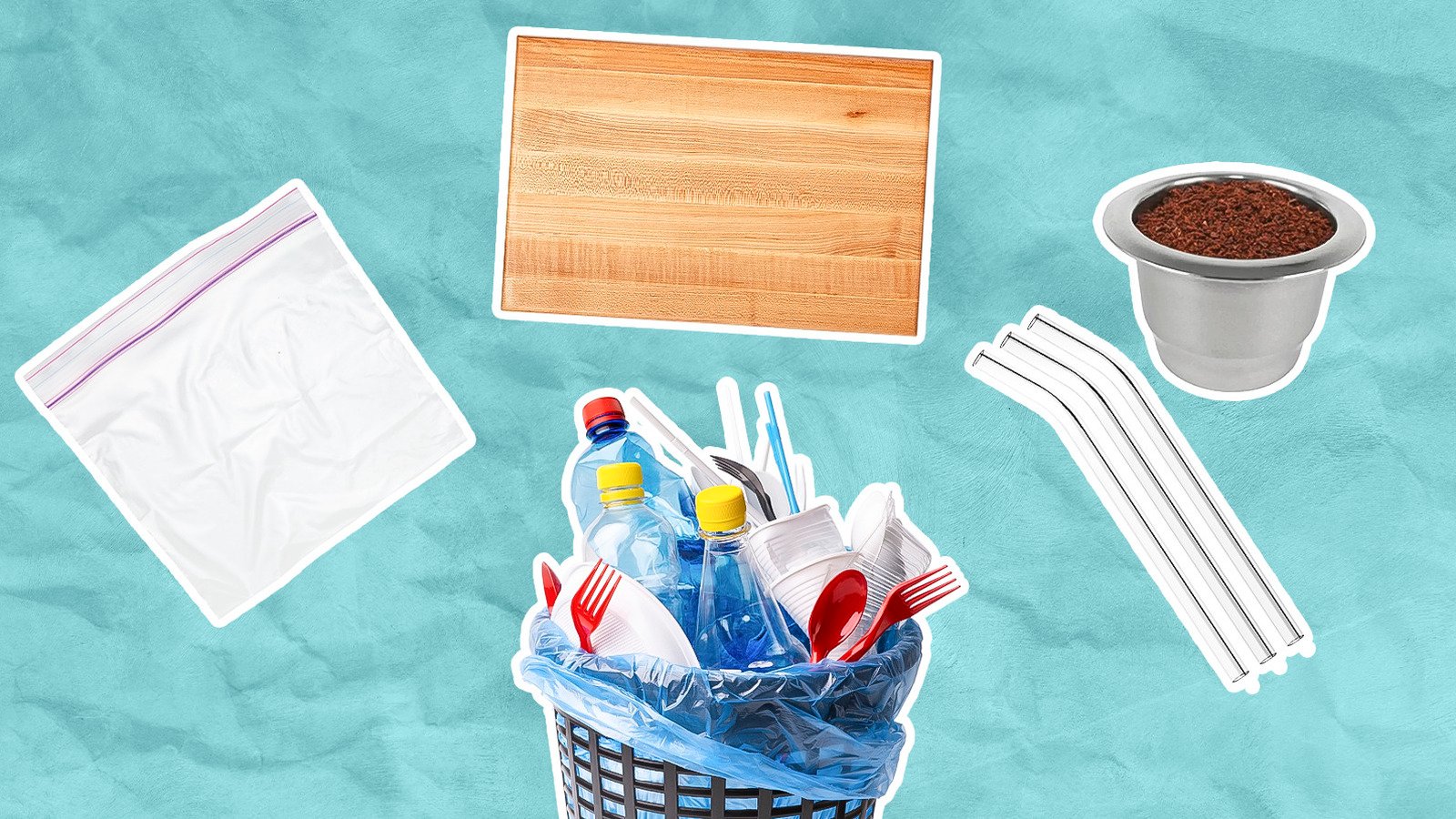
You probably use single-use plastic in your kitchen more than you realize. From cling wrap to disposable bags, these plastics pile up quickly and harm the environment.
But what if you could easily cut down on this waste without changing your cooking routine? You’ll discover simple, practical steps to reduce single-use plastic in your cooking. By making small changes, you’ll save money, protect the planet, and enjoy a cleaner kitchen.
Keep reading to find out how you can start making a difference today.

Credit: creators.yahoo.com
Cutting Down Plastic Wrap
Plastic wrap is common in kitchens, but it harms the environment. Reducing its use helps our planet. Let’s explore ways to cut down on plastic wrap in cooking.
There are simple alternatives that are better for the Earth. These options are easy to use and effective.
Alternatives To Plastic Wrap
Finding alternatives to plastic wrap is easy. Many options work just as well or better.
These alternatives are reusable and reduce waste. They are also safe for food storage.
- Beeswax wraps: They mold to the shape of food.
- Silicone lids: They stretch to fit different containers.
- Glass containers: They are durable and microwave-safe.
- Fabric bowl covers: They can be washed and reused.
Reusable Food Covers
Reusable food covers are a great choice. They last longer and save money over time.
These covers come in many sizes to fit any dish. They keep food fresh without plastic waste.
- Silicone stretch lids: They seal tightly on bowls.
- Elastic fabric covers: They fit snugly over dishes.
- Reusable sandwich bags: They are perfect for snacks.
- Cloth wraps: They are flexible and easy to clean.
Credit: www.cspi.org
Choosing Eco-friendly Storage
Reducing single-use plastic in cooking starts with smart storage choices. Eco-friendly containers help keep food fresh without harming the environment.
Using reusable storage options lowers plastic waste and saves money over time. These options are safe and easy to clean.
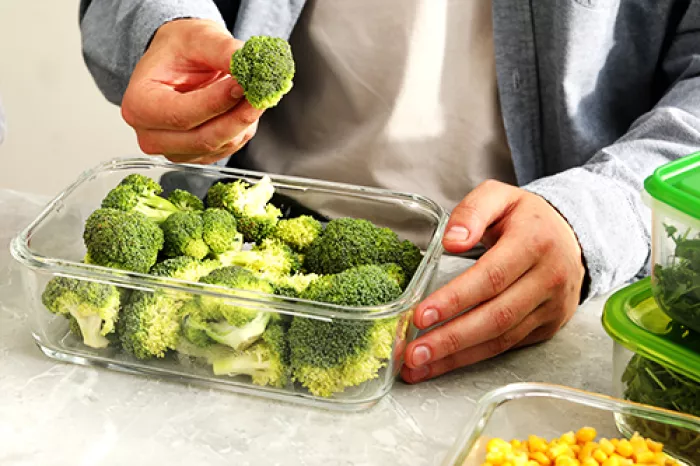
Glass And Stainless Steel Containers
Glass and stainless steel containers are strong and long-lasting. They do not leak harmful chemicals into food.
These containers come in many sizes and shapes. They keep food fresh and are easy to wash by hand or in a dishwasher.
- Glass is microwave and oven safe
- Stainless steel is lightweight and durable
- Both materials are fully recyclable
- They do not absorb food odors or stains
Beeswax Wraps Benefits
Beeswax wraps are a natural way to cover food without plastic. They are made from cotton cloth coated with beeswax and other natural ingredients.
These wraps are reusable and easy to clean with cold water. They keep food fresh by allowing it to breathe, unlike plastic wrap.
- They reduce plastic waste
- Can be shaped around bowls or food
- Lightweight and portable for lunchboxes
- Biodegradable at the end of life
Smart Shopping Habits
Reducing single-use plastic in cooking starts with smart shopping habits. Choosing the right products and containers helps lower plastic waste.
Small changes while shopping can make a big difference for the environment. Focus on buying items that use less plastic packaging.
Buying In Bulk
Buying food in bulk reduces the need for many small plastic packages. Larger amounts mean less plastic waste overall.
Bring your own containers or jars to fill with dry goods like rice, beans, or nuts. This way, you avoid plastic bags and wrappers.
- Choose stores that allow bulk purchases
- Use reusable containers or bags
- Buy only what you need to avoid waste
Bringing Your Own Bags
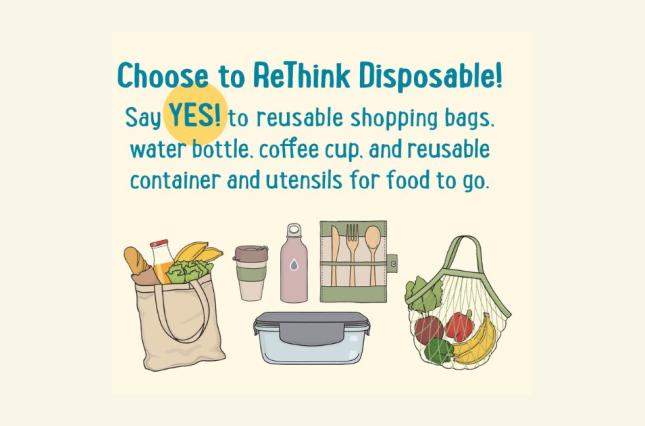
Take reusable bags to the store for your groceries. This helps avoid plastic bags that are used once and thrown away.
Keep bags in your car or near the door so you remember to bring them. Cloth or sturdy bags last longer and hold more items.
- Use cloth, jute, or recycled material bags
- Choose bags with strong handles
- Wash bags regularly to keep them clean
Using Natural Utensils
Reducing single-use plastic in cooking helps the environment. Using natural utensils is a simple way to do this.
Natural utensils last longer and break down easily after use. They are safe and good for everyday cooking.
Wooden And Bamboo Options
Wooden and bamboo utensils are strong and light. They do not scratch pots and pans.
These utensils come in many shapes and sizes. They work well for stirring, flipping, and serving food.
- Wooden spoons and spatulas
- Bamboo chopsticks and tongs
- Wooden salad servers
- Bamboo cutting boards and bowls
Avoiding Disposable Cutlery
Disposable plastic cutlery adds to pollution. Avoid using forks, knives, and spoons that you throw away.
Choose reusable cutlery made from metal or natural materials. Carry your own set to reduce waste.
- Use metal forks and knives
- Try bamboo or wooden cutlery
- Wash and reuse every time
- Bring your utensils when eating out
Reducing Plastic Packaging
Plastic packaging adds a lot of waste to our environment. It is used in many cooking ingredients and food items. Reducing this plastic helps protect nature and cut down trash.
Choosing alternatives to plastic packaging can make a big difference. Simple changes in shopping and cooking habits reduce plastic use effectively.
Choosing Loose Produce
Buying loose fruits and vegetables means less plastic wrapping. You can select the right amount and avoid excess packaging. This also reduces the chance of food waste.
Many markets and stores offer loose produce options. Bring your own bags or containers to avoid plastic bags at checkout. This small action saves many plastic bags from ending up in landfills.
- Pick fruits and vegetables without plastic wrap
- Use cloth or mesh bags for shopping
- Buy only what you need to reduce waste
Supporting Plastic-free Brands
Some brands choose to use less or no plastic in their packaging. Supporting these brands encourages more companies to follow the same path. This helps reduce overall plastic pollution.
Look for products packed in paper, glass, or metal. These materials are easier to recycle and create less waste. Choosing brands with simple packaging also reduces the plastic that comes into your kitchen.
- Check labels for plastic-free packaging
- Buy items in glass jars or metal tins
- Choose products with recyclable or compostable wraps
Credit: cleanwater.org
Diy Kitchen Essentials
Single-use plastic is common in kitchens. It adds waste and pollution. You can reduce plastic by making your own kitchen essentials.
Making homemade spices, sauces, and reusable cleaning cloths helps cut down plastic use. These DIY projects are easy and save money.
Making Homemade Spices And Sauces
Store-bought spices and sauces often come in plastic containers. Making them at home lets you use glass jars or metal tins instead.
You can blend dried herbs and spices to create your own mixes. Sauces like tomato ketchup and salad dressings are simple to prepare from scratch.
- Dry herbs and spices in bulk from local markets
- Use airtight glass jars for storage
- Make sauces with fresh ingredients and store in reusable bottles
- Label your containers to keep track
Creating Reusable Cleaning Cloths
Plastic cleaning wipes add to landfill waste. Reusable cloths reduce this problem. You can make cloths from old fabrics or buy natural fiber cloths.
Wash these cloths after use and reuse them many times. They work well for dishes, counters, and spills without plastic packaging.
- Cut old cotton shirts or towels into squares
- Sew edges to prevent fraying
- Use natural fibers like cotton or linen
- Wash and dry cloths regularly
Proper Waste Management
Reducing single-use plastic in cooking starts with managing waste properly. Sorting waste helps keep the environment clean.
Knowing how to handle organic and plastic waste makes a big difference. It lowers the amount of plastic that ends up in landfills.
Composting Organic Waste
Composting turns food scraps into useful soil. It reduces the need for plastic bags to throw away organic waste.
Keep vegetable peels, fruit skins, and coffee grounds for compost. Avoid adding meat or dairy, as they attract pests.
- Use a compost bin in your kitchen or garden
- Mix dry leaves or paper to balance wet scraps
- Turn the compost regularly to help it break down
- Use finished compost to enrich your garden soil
Recycling Plastic Waste Correctly
Recycling plastic stops it from piling up in landfills. It also saves resources by reusing plastic materials.
Clean plastic containers before recycling. Remove food residue to avoid contamination of other recyclables.
- Check local recycling rules for accepted plastics
- Flatten plastic bottles to save space
- Do not recycle plastic bags with regular plastics
- Take plastic bags to special drop-off points
Frequently Asked Questions
What Are Common Single-use Plastics In Cooking?
Common single-use plastics in cooking include plastic wrap, disposable gloves, plastic bags, and cutlery. These items are used once and discarded, contributing to environmental waste. Avoiding or replacing them with reusable options can significantly reduce plastic waste in your kitchen.
How Can I Replace Plastic Wrap In Cooking?
You can replace plastic wrap with beeswax wraps, silicone lids, or reusable food containers. These alternatives are eco-friendly and help keep food fresh without single-use plastic. Using these options reduces waste and promotes a sustainable kitchen environment.
Why Reduce Single-use Plastic In The Kitchen?
Reducing single-use plastic minimizes environmental pollution and decreases landfill waste. It also lowers your carbon footprint and supports marine life conservation. Making small changes in your kitchen helps create a healthier planet and encourages sustainable living.
What Reusable Items Help Cut Down Plastic Waste?
Reusable items like stainless steel containers, glass jars, silicone bags, and cloth produce bags help cut plastic waste. These durable options replace disposable plastics, save money over time, and maintain food quality. They are essential for a zero-waste cooking routine.
Conclusion
Reducing single-use plastic in cooking helps protect the environment. Small changes make a big difference over time. Choose reusable containers and avoid plastic wraps. Use natural materials like cloth bags or glass jars. Cook with less packaged food to cut plastic waste.
Everyone can take part in this effort. Healthier meals and a cleaner planet await. Start today and watch your impact grow. Simple steps lead to lasting change.