
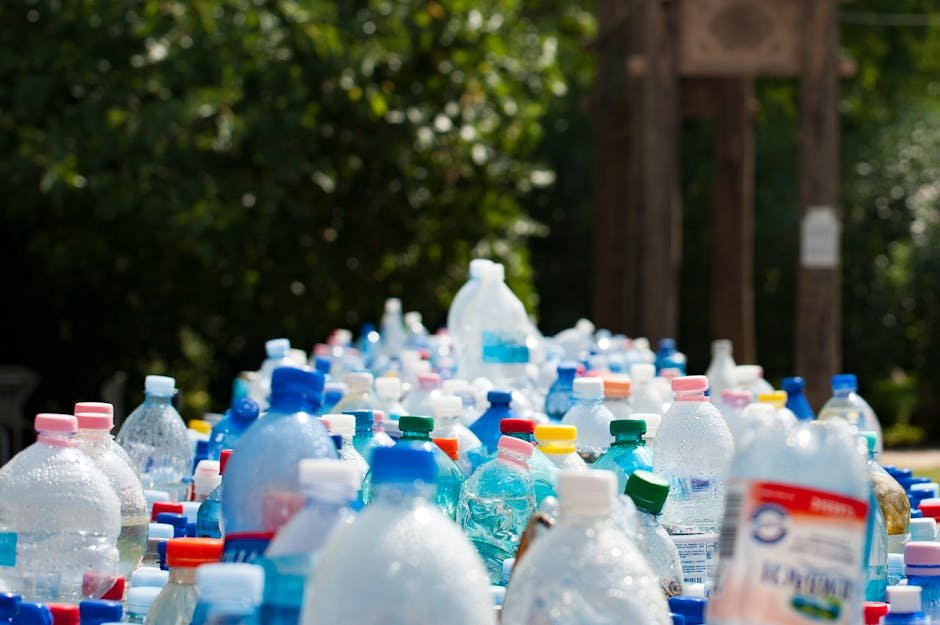
You see plastic everywhere—in your kitchen, at the store, even in your favorite coffee cup’s lid. But have you ever stopped to think about how much single-use plastic you actually use every day?
Reducing it might seem hard, but it doesn’t have to be. Imagine making small changes that save you money, help the planet, and fit easily into your life. You’ll discover simple, effective ways to cut down on single-use plastic without feeling overwhelmed.
Ready to take control and make a real difference? Keep reading to find out how.
Impact Of Single-use Plastic
Single-use plastic is a major concern worldwide. It affects the environment and our health.
We use it once, but it lasts for years. Understanding its impact helps us reduce its use.
Environmental Consequences
Plastic harms the environment in many ways. It pollutes oceans and landscapes.
Wildlife often ingests plastic, mistaking it for food. This can lead to injury or death.
- Plastic takes hundreds of years to decompose
- It contributes to soil and water pollution
- Microplastics enter the food chain
Health Risks
Single-use plastic affects human health too. Chemicals in plastic can be harmful.
These chemicals may leach into food and drinks. This poses health risks over time.
- Increased risk of hormonal imbalances
- Potential for toxic exposure
- Possible links to cancer
Economic Costs
Dealing with plastic waste is expensive. Governments spend a lot on waste management.
Plastic pollution affects tourism and fishing industries, leading to economic losses.
- High cleanup costs for beaches and cities
- Impact on marine-related businesses
- Loss of biodiversity affecting agriculture
Common Sources Of Single-use Plastic
Single-use plastic is plastic used once and thrown away. It harms the environment and wildlife. Knowing where it comes from helps reduce it.
Many everyday items contain single-use plastic. These items are easy to replace with better options.
Packaging Materials
Packaging materials like plastic wrap and foam trays are common single-use plastics. They protect food but create a lot of waste.
These materials are hard to recycle and often end up in landfills or oceans.
- Plastic film and wraps
- Foam food containers
- Plastic bubble wrap
- Plastic-lined paper boxes
Disposable Cutlery And Straws
Disposable forks, knives, spoons, and straws are used once and thrown away. They are often made from plastic.
These items are small but add up to a large plastic problem in the environment.
- Plastic forks and spoons
- Plastic knives
- Plastic straws
- Plastic stirrers
Plastic Bags And Bottles
Plastic bags and bottles are widely used for shopping and drinks. They are often used once and discarded.
These items take hundreds of years to decompose and pollute land and water.
- Single-use shopping bags
- Water and soda bottles
- Plastic juice containers
- Plastic food storage bags
Simple Swaps To Cut Plastic
Single-use plastic harms the environment. It can take hundreds of years to break down.
Swapping plastic for reusable items helps reduce waste. Small changes make a big difference.
Reusable Bags And Containers
Use reusable bags instead of plastic ones. Cloth or canvas bags last longer and can be washed.
Replace plastic containers with glass or stainless steel options. They keep food fresh and are safer.
- Carry cloth bags for shopping
- Use glass jars for leftovers
- Choose stainless steel lunch boxes
Metal And Glass Alternatives
Metal and glass items last longer than plastic. They do not release harmful chemicals.
Switch to metal straws, cutlery, and water bottles. Glass water bottles are easy to clean.
- Carry a metal straw instead of plastic
- Use stainless steel forks and spoons
- Drink from a glass or metal water bottle
Eco-friendly Personal Care Products
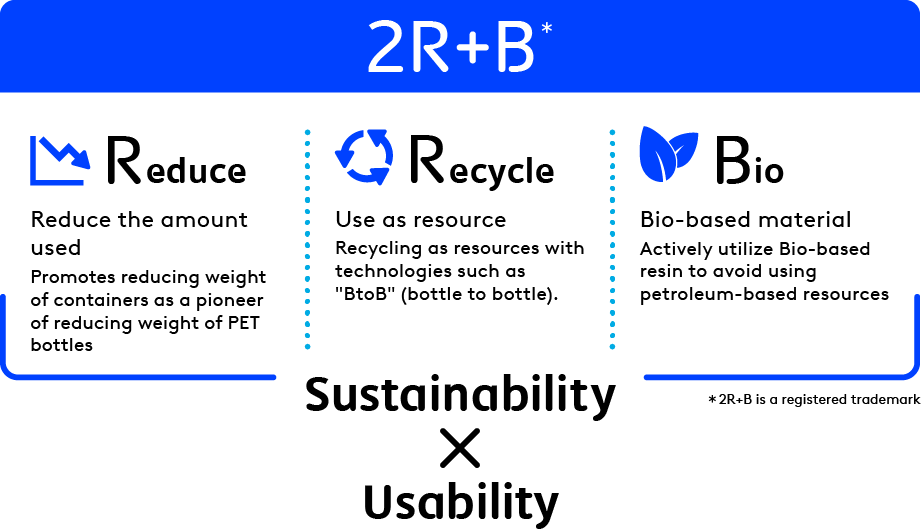
Many personal care items come in plastic packaging. Choose products with natural materials instead.
Try bamboo toothbrushes and shampoo bars. These reduce plastic waste in bathrooms.
- Use bamboo or wooden toothbrushes
- Buy shampoo and soap bars
- Choose products with paper packaging
Credit: www.suntory.com
Smart Shopping Habits
Reducing single-use plastic starts with smart shopping choices. Small changes can lower plastic waste.
Choosing products carefully helps protect the environment. Focus on how you shop for daily items.
Buying In Bulk
Buying in bulk means purchasing large amounts at once. This reduces the number of plastic packages used.
It also saves money and cuts down trips to the store. Bring your own containers to avoid plastic bags.
- Use reusable jars or bags for bulk foods
- Choose stores that offer bulk sections
- Buy items like grains, nuts, and spices in large amounts
Choosing Plastic-free Brands
Look for brands that avoid plastic packaging. Many companies now use paper, glass, or metal instead.
Check labels and packaging before buying. Support brands that care about reducing plastic waste.
- Pick products in glass jars or metal tins
- Buy items with cardboard or paper wrapping
- Avoid products wrapped in plastic film or shrink wrap
Avoiding Over-packaged Items
Many products come with extra plastic packaging that is not needed. Avoid these to cut waste.
Choose items with minimal or no plastic wrap. This helps reduce trash and saves resources.
- Buy loose fruits and vegetables instead of pre-packaged ones
- Avoid products with multiple layers of plastic
- Choose refillable or reusable containers
Reducing Plastic At Home
Single-use plastic creates a lot of waste that harms the environment. We can lower this waste by changing daily habits at home.
Simple actions can cut down plastic use and protect nature. Here are some ideas to help reduce plastic in your house.
Diy Cleaning Products
Many cleaning products come in plastic bottles. Making your own cleaning products reduces plastic waste and saves money.
Use natural ingredients like vinegar, baking soda, and lemon to clean surfaces safely and effectively.
- Mix vinegar and water for a glass cleaner
- Use baking soda for scrubbing sinks and tubs
- Lemon juice helps remove stains and smells
Composting And Waste Sorting
Separating waste helps reduce landfill trash and plastic pollution. Composting food scraps turns waste into useful soil.
Sort your trash into recyclables, compost, and landfill. This action lowers plastic waste that goes to dumps.
- Keep a bin for food scraps like fruit and vegetable peels
- Place plastics, glass, and metal in recycling containers
- Throw only non-recyclable waste in the trash
Using Cloth Instead Of Plastic Wrap
Plastic wrap covers food but creates a lot of waste. Cloth wraps are reusable and keep food fresh.
Use beeswax or cotton wraps to cover dishes, fruits, and sandwiches instead of plastic film.
- Beeswax wraps can be washed and reused many times
- Cotton cloths can cover bowls and plates securely
- Cloth wraps reduce plastic use and save money over time
Credit: www.suntory.com
Community And Workplace Actions
Reducing single-use plastic needs effort from both communities and workplaces. Small changes can make a big impact on plastic waste.
Working together helps create habits that reduce plastic use. Here are some actions to try in your area or office.
Organizing Clean-up Events
Clean-up events bring people together to remove plastic trash from parks, streets, and beaches. These events raise awareness about plastic pollution.
Invite neighbors or coworkers to join and provide gloves and bags. This helps keep public spaces clean and shows how much plastic waste exists.
- Choose a local area to clean
- Set a date and time
- Gather supplies like gloves and trash bags
- Encourage participants to sort recyclables
- Share results to inspire others
Promoting Plastic-free Policies
Workplaces and communities can reduce plastic by making clear rules. These policies limit or ban single-use plastics like straws and bags.
Encourage leaders to support these rules and offer alternatives like reusable cups and containers. Policies guide everyone to make better choices.
- Ban single-use plastic items
- Provide reusable alternatives
- Set recycling guidelines
- Educate about plastic impacts
- Monitor and update policies regularly
Encouraging Sharing And Reusing
Sharing items reduces the need to buy new plastic products. Reusing containers and bags cuts down on waste every day.
Communities and offices can create sharing programs and promote reusable items. This helps lower plastic use and saves money.
- Set up tool and item libraries
- Encourage reusable lunch containers
- Promote using refillable water bottles
- Host swap events for clothes and goods
- Share tips on reducing plastic use
Innovative Alternatives To Plastic
Single-use plastic harms the environment and wildlife. Finding new ways to replace plastic helps reduce waste.
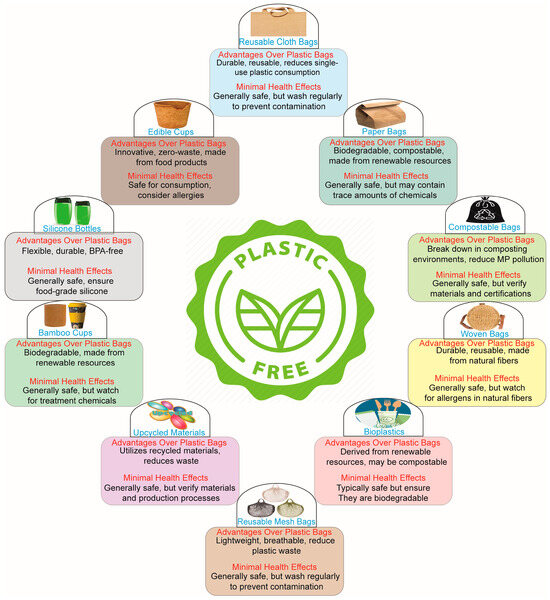
Several alternatives use natural or recycled materials. These options break down faster and cause less pollution.
Biodegradable Materials
Biodegradable materials come from plants or animals. They break down quickly in nature without leaving harmful residue.
These materials include corn starch, sugarcane, and bamboo. They can replace plastic bags, utensils, and packaging.
- Corn starch bags that decompose in months
- Sugarcane-based containers for food packaging
- Bamboo cutlery that can be composted
Edible Packaging
Edible packaging uses food-safe materials that people can eat. It reduces plastic waste after use.
Examples include packaging made from seaweed, rice, or milk proteins. These options are safe and often tasty.
- Seaweed wrappers for snacks and sandwiches
- Rice paper used for fresh food covers
- Milk protein films that dissolve in water
Recycled Plastic Products
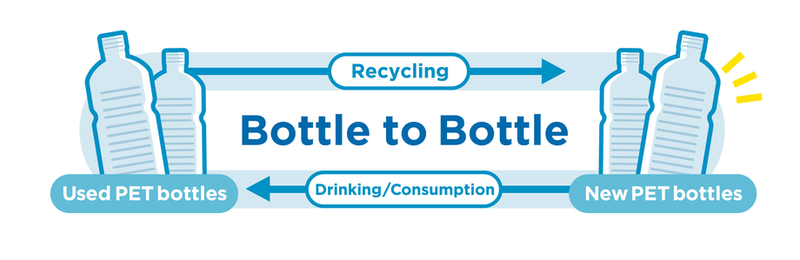
Recycled plastic uses old plastic waste to make new items. This lowers the need for new plastic production.
Products made from recycled plastic include bags, bottles, and furniture. They help keep plastic out of landfills.
- Bags made from recycled plastic fibers
- Bottles with recycled plastic content
- Outdoor furniture using recycled plastic lumber
Credit: www.mdpi.com
Tracking Progress And Staying Motivated
Reducing single-use plastic needs effort and patience. Tracking your progress helps you see how far you have come.
Staying motivated keeps you focused on your goal. It also makes the journey easier and more rewarding.
Setting Realistic Goals
Set small and clear goals to reduce plastic use step by step. Avoid trying to change everything at once.
Realistic goals help you stay on track and avoid feeling overwhelmed. Adjust goals if needed to keep them doable.
- Start by cutting one type of plastic item
- Reduce plastic bags by carrying reusable ones
- Limit bottled water and use a refillable bottle
Using Apps And Tools
Apps can help you track your plastic use easily. They remind you to follow your goals and log your progress.
Tools like calendars or journals also work well. They let you write down your actions and see your improvements.
- Use apps that track waste reduction
- Set reminders to use reusable items
- Keep notes on what plastic you avoid daily
Celebrating Small Wins
Celebrate each small success to stay motivated. Rewards help make the effort feel good and keep you moving forward.
Share your wins with friends or family. Support from others encourages you to keep reducing plastic use.
- Reward yourself for a week without single-use plastic
- Share your progress on social media or with friends
- Recognize small changes like using reusable bags daily
Frequently Asked Questions
What Are Effective Ways To Reduce Single-use Plastic?
Use reusable bags, bottles, and containers daily. Avoid plastic straws and utensils. Choose products with minimal plastic packaging. Support plastic-free stores and recycle whenever possible.
How Can Businesses Minimize Single-use Plastic Usage?
Businesses can switch to biodegradable packaging and encourage reusable alternatives. Educate employees and customers about plastic reduction. Implement recycling programs and partner with eco-friendly suppliers.
Why Is Reducing Single-use Plastic Important For The Environment?
Single-use plastics pollute oceans and harm wildlife. They take centuries to decompose, causing long-term damage. Reducing plastic use lowers pollution and conserves natural resources.
Which Alternatives Replace Single-use Plastic Effectively?
Use glass, metal, or bamboo containers. Opt for cloth bags instead of plastic ones. Choose paper straws and wooden cutlery. These alternatives are eco-friendly and reusable.
Conclusion
Reducing single-use plastic helps protect our planet every day. Small changes, like using reusable bags, make a big difference. Choose products with less plastic packaging whenever you can. Support local stores that encourage eco-friendly habits. Teach friends and family about plastic waste problems.
Together, we create cleaner, healthier environments for future generations. Start with one simple step today. Your actions matter more than you think. Keep going, and watch the positive impact grow.