
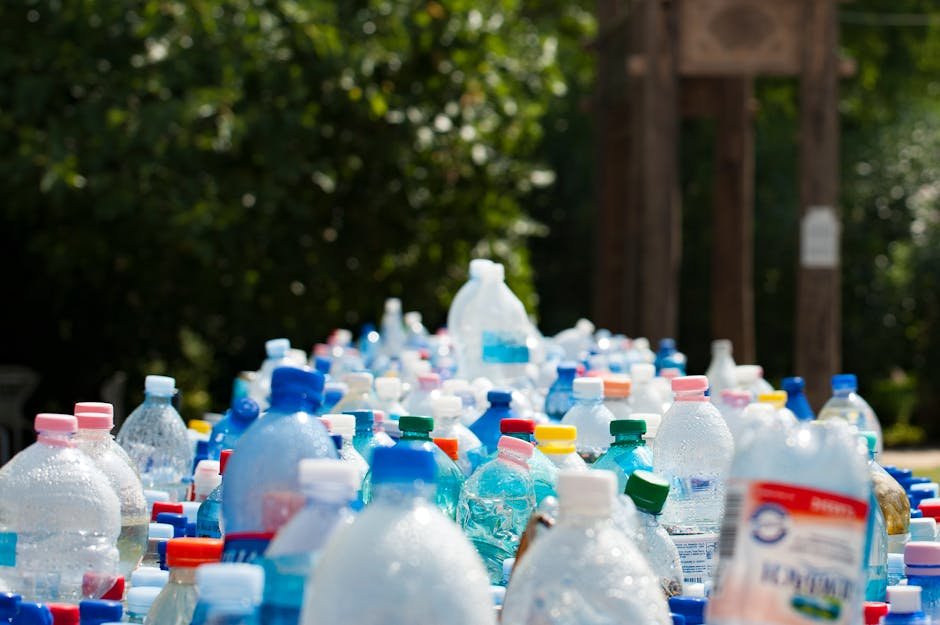
You use single-use plastic every day, often without even noticing it. But have you ever stopped to think about the impact it has on our planet?
If you want to make a real difference, reducing your plastic waste is one of the easiest and most powerful steps you can take. Imagine cutting down your plastic use without feeling overwhelmed or making big sacrifices. You’ll discover simple, effective ways to reduce single-use plastic in your life—methods that fit smoothly into your daily routine.
Keep reading to find out how small changes can lead to big results for you and the environment.
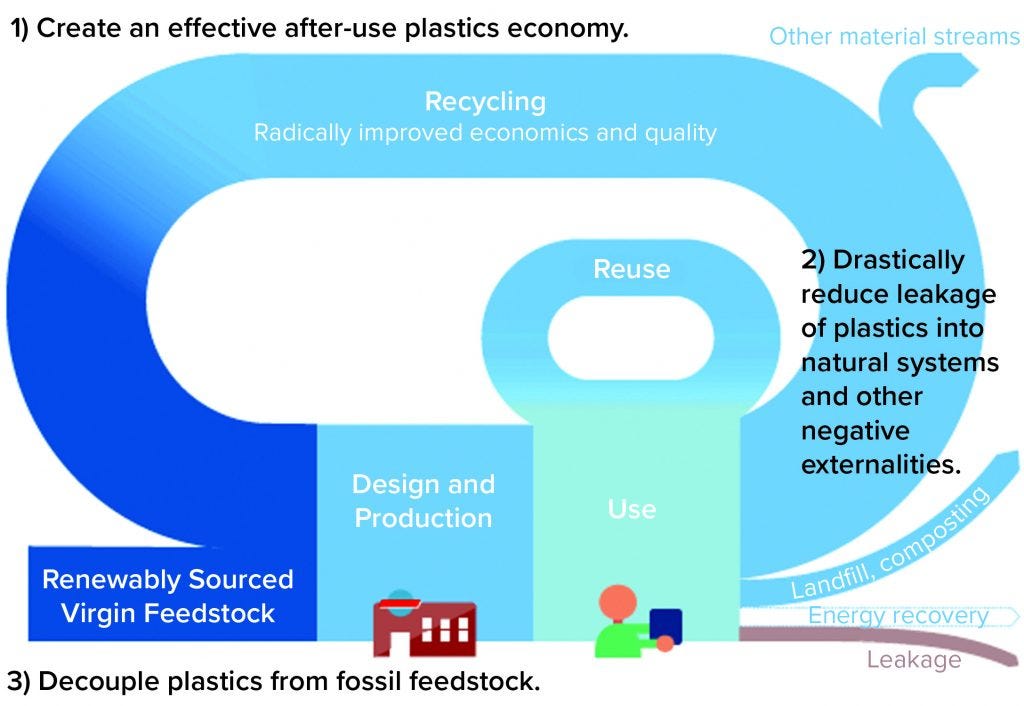
Credit: www.bioprocessintl.com
Impact Of Single-use Plastics
Single-use plastics are items like bags, bottles, and straws. These are used once and then thrown away. They cause big problems for our environment, wildlife, and health.
Reducing single-use plastics is important for a cleaner, healthier planet. Understanding their impact helps us make better choices.
Environmental Consequences
Single-use plastics pollute our oceans and lands. They do not break down easily and can last for hundreds of years. This leads to serious environmental issues.
Plastic waste clogs waterways and can cause flooding. It also releases harmful chemicals into the soil and water.
Effects On Wildlife
Wildlife often mistakes plastic for food. Eating plastic can harm animals and even kill them. Birds, fish, and turtles are especially at risk.
Plastics can also trap animals, causing injury or death. This disrupts the natural balance of ecosystems.
- Plastic bags can choke sea turtles
- Microplastics harm fish and birds
- Entangled animals can’t move or eat
Human Health Risks
Plastics can affect human health. When plastics break down, they release toxic chemicals. These chemicals can enter our food and water.
Using plastics can lead to exposure to harmful substances. This can cause health issues like hormone disruption and other diseases.
Identifying Common Single-use Plastics
Single-use plastics are items used once and then thrown away. They create a lot of waste that harms the environment.
Knowing which plastics are single-use helps us reduce their use. This saves resources and cuts pollution.
Plastic Bags And Packaging
Plastic bags are common in stores for carrying goods. Packaging often uses plastic wrap or foam to protect products.
These plastics are used once and then discarded. They take a long time to break down in nature.
- Plastic grocery bags
- Plastic wrap around food
- Foam packaging materials
- Plastic bubble wrap
Disposable Cutlery And Straws
Disposable forks, knives, spoons, and straws are used for quick meals. They are often made from thin plastic.
These items are thrown away after one use. They add to plastic pollution and harm wildlife.
- Plastic forks, spoons, and knives
- Plastic drinking straws
- Plastic stirrers for drinks
Bottled Water And Containers
Plastic bottles hold water and other drinks. Many containers are used once and then thrown away.
These plastics create a large amount of waste. Recycling can help, but many bottles still end up in landfills.
- Plastic water bottles
- Single-use food containers
- Plastic cups and lids
Practical Alternatives To Single-use Plastics
Single-use plastics cause harm to the environment. Many items are used once and thrown away.
Choosing practical alternatives helps reduce plastic waste. These options are easy to use daily.
Reusable Bags And Containers
Reusable bags replace plastic shopping bags. They are stronger and last longer.
Containers made of glass or metal keep food fresh without plastic waste. They work well for storage.
- Cloth or canvas bags for groceries
- Silicone bags for snacks and sandwiches
- Glass jars for leftovers
- Metal lunch boxes for meals
Eco-friendly Utensils
Plastic forks and spoons add to landfill trash. Eco-friendly utensils reduce this waste.
Utensils made from bamboo or metal can be cleaned and reused many times. They are sturdy and safe.
- Bamboo cutlery sets for eating on the go
- Stainless steel utensils for home use
- Compostable utensils made from plant fibers
Sustainable Drinkware Options
Plastic cups and bottles create a lot of waste. Using sustainable drinkware helps the planet.
Reusable bottles and cups made from stainless steel or glass keep drinks safe and fresh. They are easy to clean.
- Metal water bottles for daily hydration
- Glass coffee cups with silicone sleeves
- Bamboo straws instead of plastic ones
Smart Shopping Habits
Reducing single-use plastic starts with smart shopping choices. Small actions can cut plastic waste significantly.
Choosing the right products helps protect the environment and supports sustainable habits.
Choosing Bulk And Package-free Products
Buying in bulk reduces packaging waste. Choose stores that offer loose items without plastic wrap.
Bring your own bags or containers to avoid plastic bags and keep products fresh.
- Buy grains, nuts, and spices in bulk
- Use reusable produce bags
- Choose unpackaged fruits and vegetables
Supporting Plastic-free Brands
Pick brands that avoid plastic packaging. These companies often use glass, paper, or metal containers.
Supporting these brands encourages more companies to reduce plastic use.
- Look for recyclable or compostable packaging
- Choose refillable or reusable containers
- Buy from local or small businesses focusing on sustainability
Using Digital Receipts
Digital receipts reduce paper waste and prevent plastic receipt covers. Ask stores to email receipts instead.
Using apps or digital wallets helps keep track of purchases without extra paper or plastic.
- Request email or text receipts
- Use store apps for digital records
- Avoid printed receipts when possible
Reducing Plastic Use At Home
Plastic waste harms the environment and animals. Reducing plastic use at home helps protect nature.
Small changes in daily habits can cut down single-use plastic. This guide shows easy ways to start.
Implementing Composting And Recycling
Composting food scraps reduces waste that goes to landfills. It also creates nutrient-rich soil for plants.
Recycling plastics correctly helps reuse materials and lowers the need for new plastic. Sort plastics by type.
- Use a compost bin for vegetable peels and eggshells
- Clean plastic containers before recycling
- Check local rules for recycling plastic types
- Avoid mixing compostable and recyclable waste
Diy Cleaning And Personal Care Products
Making your own cleaning and personal care items lowers plastic bottle use. Simple ingredients work well.
Use natural items like vinegar, baking soda, and coconut oil. They are safe and reduce chemical waste.
- Mix vinegar and water for a glass cleaner
- Use baking soda as a scrubbing agent
- Create toothpaste with baking soda and coconut oil
- Make body scrubs from sugar and olive oil
Organizing Waste Management
Keep waste bins organized to separate plastics from other trash. Label bins clearly for easy sorting.
Regularly empty bins to avoid smells and pests. Teach family members how to sort waste properly.
- Use separate bins for recyclables and compost
- Place bins in convenient locations
- Rinse containers before throwing them away
- Educate everyone at home about waste sorting
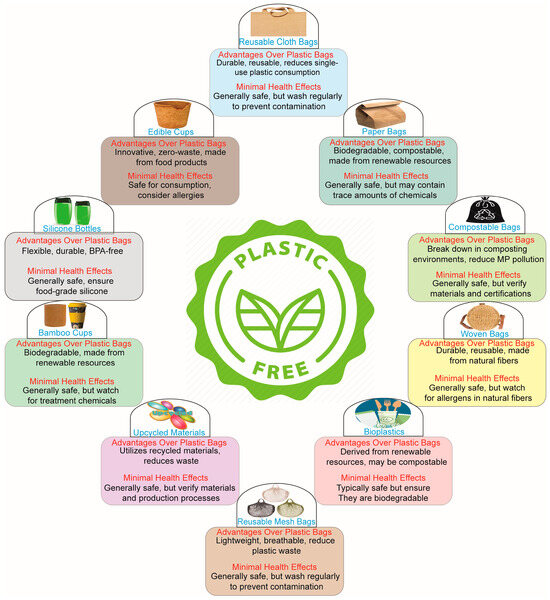
Credit: www.mdpi.com
Influencing Community Change
Reducing single-use plastic needs teamwork. Communities can lower plastic waste by working together.
Everyone can help by taking small actions. These actions add up to big changes over time.
Advocating For Local Policies
Local rules can limit single-use plastic use. You can ask leaders to create or enforce these rules.
Speak at town meetings or write letters to officials. Show how plastic harms the community and environment.
- Request bans on plastic bags and straws
- Support recycling programs in your area
- Encourage stores to offer plastic-free options
Participating In Clean-up Drives
Clean-up events help remove plastic from parks, rivers, and streets. Joining these shows care for the environment.
Invite neighbors and friends to join. More people means more trash collected and stronger community bonds.
- Find local clean-up events on community boards
- Organize your own neighborhood clean-up
- Provide gloves and bags for safety
Educating Friends And Family
Talk to people you know about plastic waste. Share easy ways to use less plastic every day.
Teaching others spreads good habits. When many people learn, the community changes for the better.
- Explain why single-use plastic is harmful
- Suggest alternatives like reusable bags and bottles
- Show how to recycle properly
Leveraging Technology And Innovation
Reducing single-use plastic is important for the environment. Technology helps us find new ways to use less plastic.
Innovation brings fresh ideas to make plastic waste smaller and easier to manage.
Apps For Tracking Plastic Use
Apps help people see how much plastic they use every day. They track bottles, bags, and other items.
These apps give tips to reduce plastic and show progress over time.
- Log daily plastic use with simple steps
- Get reminders to use reusable items
- Share progress with friends for motivation
Innovative Packaging Solutions
New packaging designs use less plastic or different materials. These packages break down faster or can be reused.
Companies create bags and containers that are strong but use fewer plastic parts.
- Packaging made from recycled plastic
- Refillable containers for common products
- Wraps that dissolve in water or compost
Biodegradable Material Advances
Scientists develop materials that break down naturally. These replace plastic in many products.
Biodegradable materials reduce waste and help the soil after use.
- Plant-based plastics that decompose quickly
- Materials made from fungi or algae
- Compostable films for packaging
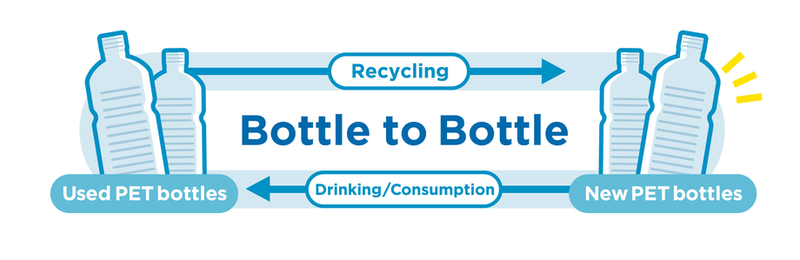
Credit: www.suntory.com
Frequently Asked Questions
What Are Simple Ways To Reduce Single-use Plastic?
Use reusable bags, bottles, and containers daily. Avoid plastic straws and utensils. Choose products with minimal packaging. Support plastic-free brands. Small changes collectively reduce plastic waste effectively.
How Does Reducing Single-use Plastic Benefit The Environment?
It lowers plastic pollution in oceans and landfills. Reducing plastic waste protects wildlife and ecosystems. It decreases greenhouse gas emissions from production. Overall, it promotes a healthier, sustainable planet for future generations.
Which Alternatives Replace Common Single-use Plastics?
Use metal or bamboo straws instead of plastic. Switch to cloth bags from plastic ones. Choose glass or stainless steel bottles over plastic. Opt for biodegradable or compostable packaging to reduce waste.
Can Businesses Help Reduce Single-use Plastic Efficiently?
Yes, businesses can adopt sustainable packaging. They can encourage reusable product options. Implementing recycling programs reduces plastic waste. Raising customer awareness promotes eco-friendly choices. Business efforts significantly impact plastic reduction.
Conclusion
Reducing single-use plastic helps protect our planet and health. Small changes in daily habits make a big difference. Carry reusable bags, bottles, and containers wherever you go. Choose products with less plastic packaging. Support stores and brands that care about the environment.
Every effort counts, no matter how small. Together, we can create a cleaner, greener world for future generations. Start today. The planet needs us all.