
Are you tired of seeing piles of plastic and paper waste every time you clean your kitchen? Single-use kitchen items like plastic wrap, disposable cutlery, and paper towels add up quickly—and they harm the environment more than you might realize.
But what if you could cut down on this waste without making your life harder? You’ll discover simple, practical steps to reduce single-use kitchen items. These easy changes will save you money, help the planet, and make your kitchen cleaner and more organized.
Keep reading to find out how small shifts in your daily routine can make a big difference.
Impact Of Single-use Kitchen Items
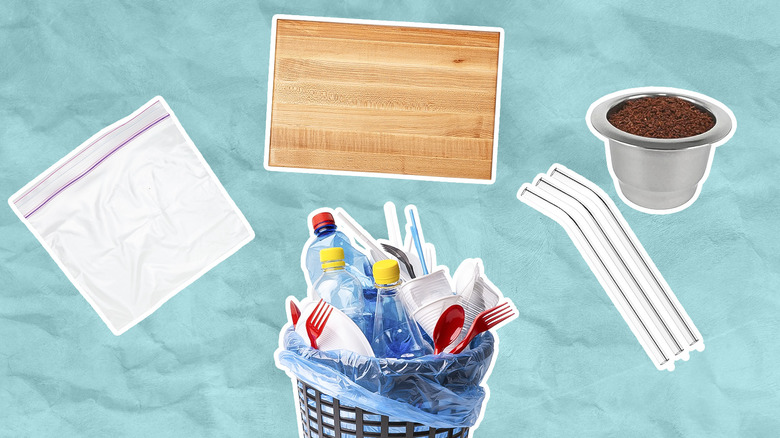
Single-use kitchen items are things we use once and throw away. These include plastic plates, cups, and utensils.
They make cooking and eating easy but cause many problems for the planet and waste systems.
Environmental Consequences
Single-use items often end up in landfills or oceans. They take hundreds of years to break down.
These items pollute the environment and harm animals that mistake them for food.
- Plastic waste affects marine life and birds
- Production uses fossil fuels and water
- Microplastics enter the food chain
Waste Management Challenges
Many single-use items are hard to recycle because they mix materials or get dirty. This causes more trash in landfills.
Waste systems struggle to handle the large amounts of these items. This leads to more pollution and higher costs.
- Contaminated items are rejected by recycling centers
- More space is needed for landfills
- Burning waste creates harmful emissions
Common Single-use Items In Kitchens
Many kitchens use single-use items that create a lot of waste. These items are convenient but harmful to the environment. Reducing them helps protect our planet and saves money.
This guide covers common single-use kitchen items. You will learn about plastic wraps, disposable cutlery, and paper towels.
Plastic Wraps And Bags
Plastic wraps and bags are often used to store food. They keep food fresh but are usually thrown away after one use. These plastics take hundreds of years to break down.
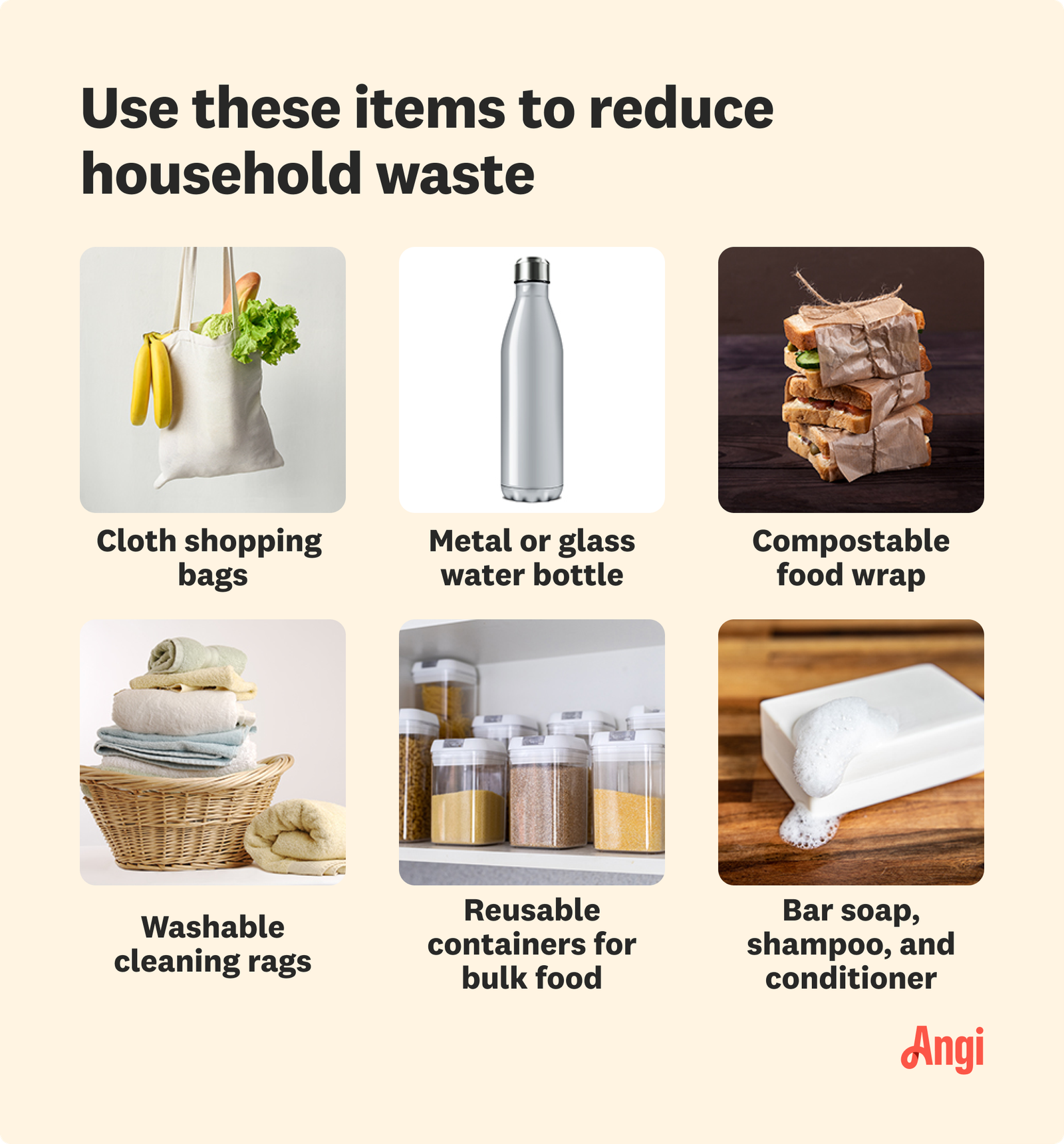
Try to replace plastic wraps with reusable options. Use beeswax wraps or silicone lids to cover bowls. Choose cloth bags for produce instead of plastic ones.
Disposable Cutlery And Plates
Disposable cutlery and plates are common at parties and takeout meals. They are convenient but add to landfill waste. Most are made from plastic that does not break down easily.
Use metal or bamboo cutlery and washable plates instead. These items last a long time and reduce waste. For outdoor events, compostable cutlery is a better choice.
- Metal cutlery can be cleaned and reused
- Bamboo cutlery is biodegradable and sturdy
- Compostable plates break down faster than plastic
Paper Towels And Napkins
Paper towels and napkins are used to clean and wipe spills. They are thrown away after one use, creating a lot of waste. Many require trees to produce and use water in manufacturing.
Switch to cloth towels and napkins that can be washed and reused. Use rags or old clothes for cleaning tasks. This cuts down on waste and saves money over time.
Eco-friendly Alternatives
Reducing single-use kitchen items helps the planet. There are many eco-friendly alternatives available. Let’s explore some options to make your kitchen greener.
These alternatives are simple to use and help reduce waste. You can make a big difference with small changes in your kitchen habits.
Reusable Containers And Wraps
Reusable containers and wraps keep food fresh without waste. Glass or stainless steel containers are great options. Beeswax wraps are another alternative to plastic wrap.
These options are durable and easy to clean. They come in various sizes for all your storage needs.
- Glass containers for leftovers
- Stainless steel lunch boxes
- Beeswax wraps for covering dishes
Compostable And Biodegradable Options
Compostable and biodegradable items break down naturally. They are a smart choice for reducing kitchen waste. Look for compostable plates and utensils.
These items are perfect for parties and picnics. They offer convenience without harming the environment.
- Compostable plates for gatherings
- Biodegradable cutlery sets
- Plant-based trash bags
Cloth Towels And Napkins
Cloth towels and napkins replace paper products. They are washable and reusable. Choose cotton or linen for durability.
They reduce waste and add a touch of elegance to your dining table. Keep a stack handy for everyday use.
- Cotton towels for cleaning
- Linen napkins for meals
- Reusable kitchen cloths
Simple Daily Habits To Adopt
Reducing single-use kitchen items helps protect the environment. Small daily actions can make a big difference.
Start by changing simple habits in your kitchen. These habits save money and reduce waste.
Planning And Shopping Smart
Plan your meals before shopping. This helps you buy only what you need and avoid extra packaging.
Choose products with less plastic or packaging. Buy fresh fruits and vegetables in loose form.
- Make a shopping list to avoid impulse buys
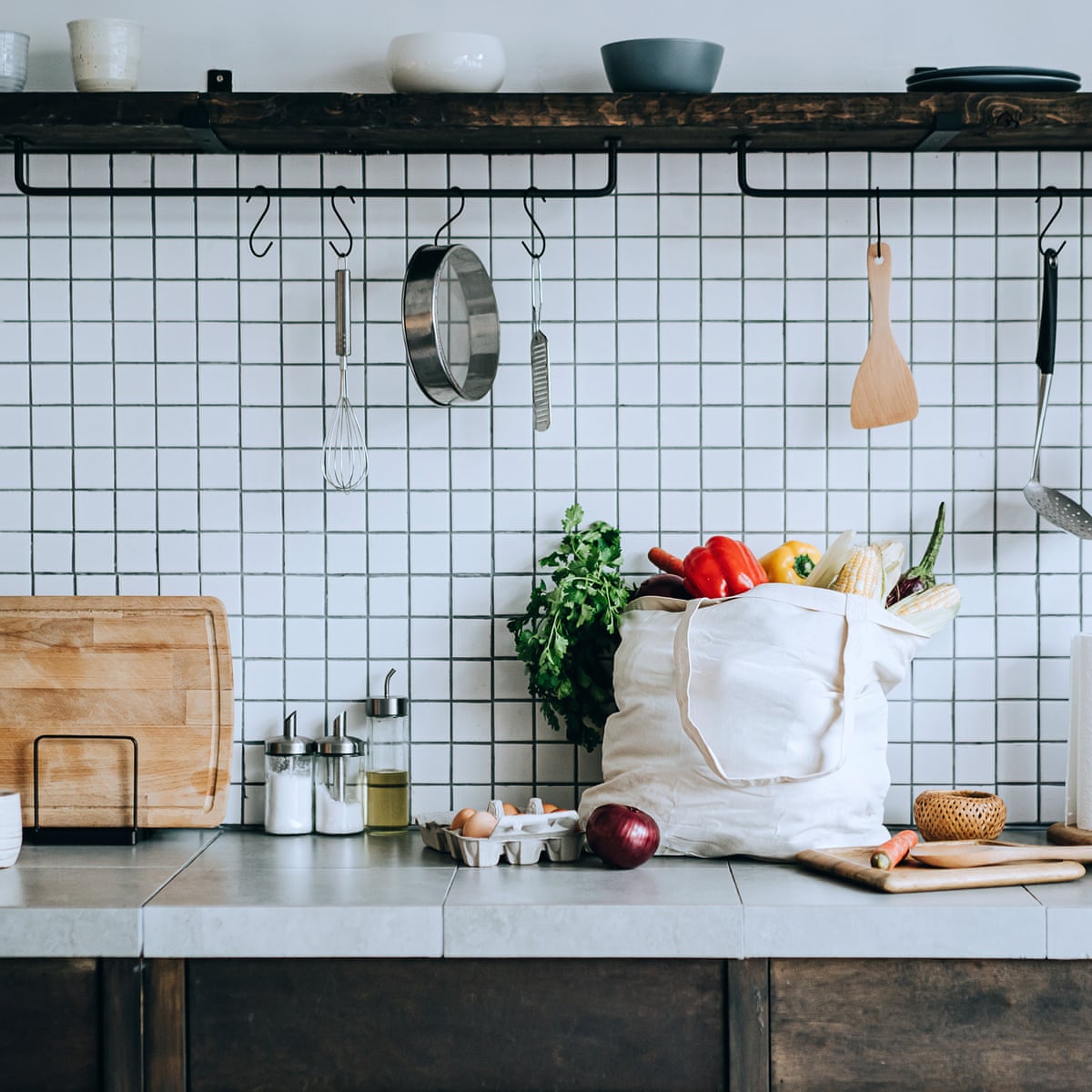
- Bring reusable bags and containers to the store
- Buy in bulk to reduce packaging waste
- Pick items with recyclable or compostable packaging
Proper Storage Techniques
Store food properly to keep it fresh longer. This reduces the need for single-use wraps and bags.
Use reusable containers, glass jars, or beeswax wraps instead of plastic wrap or foil.
- Label containers with dates to track freshness
- Keep fruits and vegetables in breathable bags
- Use stackable containers to save space
- Freeze leftovers in reusable containers
Cleaning And Maintaining Reusables
Clean reusable items right after use. This keeps them in good shape and safe to use again.
Follow care instructions for each item. Proper maintenance extends their life and reduces waste.
- Wash containers with warm soapy water
- Air dry or use clean cloth to dry items
- Check for cracks or damage regularly
- Replace worn items only when needed
Diy Kitchen Solutions
Single-use kitchen items create a lot of waste. Making simple changes can reduce trash and save money.
Try these DIY solutions to replace disposable products with reusable ones in your kitchen.
Making Beeswax Wraps
Beeswax wraps are a good alternative to plastic wrap. They keep food fresh and can be used again.
To make them, use cotton fabric and beeswax pellets. Melt the wax and coat the fabric evenly. Let it dry before use.
- Cut cotton fabric into desired sizes
- Melt beeswax pellets in a double boiler
- Brush melted wax on fabric pieces
- Let the wraps cool and harden
- Use wraps to cover bowls or wrap food
Creating Reusable Produce Bags
Reusable produce bags reduce plastic use at the store. They are easy to make from old cloth or mesh fabric.
Sew simple drawstring bags that can hold fruits and vegetables. Wash them after each use to keep them clean.
- Choose lightweight cotton or mesh fabric
- Cut fabric into squares or rectangles
- Sew sides and add a drawstring at the top
- Use bags for shopping or storing produce
- Wash bags regularly to prevent odors
Upcycling Containers
Instead of throwing containers away, clean and reuse them. They work well for storage and organization.
Glass jars, plastic tubs, and tin cans can hold dry goods or kitchen tools. Label them for easy use.
- Wash containers thoroughly before reuse
- Remove old labels or cover them with new ones
- Store spices, grains, or utensils inside
- Use containers to keep your kitchen tidy
- Decorate jars for a personal touch

Credit: www.yahoo.com
Encouraging Family And Friends
Reducing single-use kitchen items helps protect the environment. You can inspire your family and friends to join you.
Working together makes it easier and more fun to live sustainably every day.
Sharing Tips And Resources
Share simple ideas for using less plastic and paper in the kitchen. Show how to use reusable items instead.
Give your family and friends access to helpful websites, books, or videos about eco-friendly choices.
- Suggest reusable shopping bags and containers
- Explain how to make compost from food scraps
- Show how to clean and store reusable items properly
Hosting Eco-friendly Meals
Invite family and friends to meals with zero waste or low waste rules. Use reusable plates, cups, and cutlery.
Encourage guests to bring their own containers for leftovers. This reduces the need for disposable packaging.
- Plan meals with less packaging
- Use cloth napkins instead of paper ones
- Serve drinks in glass or metal bottles
Involving Kids In Sustainability
Teach kids why we avoid single-use items. Make it fun by turning it into a game or craft project.
Help children pick reusable lunch boxes and water bottles. Let them help wash and pack these items daily.
- Create art from recycled materials
- Practice sorting trash and recycling
- Plant a small herb garden together
Supporting Sustainable Brands
Reducing single-use kitchen items helps protect the environment. Choosing brands that focus on sustainability makes a big difference.
Sustainable brands use materials and methods that create less waste. Supporting these brands encourages more eco-friendly products.
Choosing Certified Products
Look for products with eco-friendly certifications. These labels show the product meets environmental standards.
Certifications include organic, fair trade, and biodegradable marks. They help you pick safer and greener options.
- USDA Organic
- Fair Trade Certified
- Forest Stewardship Council (FSC)
- Biodegradable Product Institute (BPI)
Local And Small Business Options
Buying from local and small businesses supports the community. These businesses often use sustainable practices.
Local products travel shorter distances. This reduces pollution and lowers the carbon footprint.
- Find farmers markets and local stores
- Choose handmade or small batch items
- Ask about materials and production methods
Evaluating Product Lifespan
Pick kitchen items that last longer to reduce waste. Durable products need fewer replacements over time.
Check if items can be reused, repaired, or recycled. This helps lower the amount of trash sent to landfills.
- Choose materials like bamboo, stainless steel, or glass
- Avoid single-use plastics and paper products
- Look for products with warranties or repair options
Credit: www.theguardian.com
Credit: www.tastingtable.com
Frequently Asked Questions
What Are Single-use Kitchen Items?
Single-use kitchen items are disposable products used once and discarded. Examples include plastic cutlery, paper plates, and cling wrap. Reducing their use helps lower waste and environmental impact.
How Can I Reduce Single-use Plastic In My Kitchen?
Use reusable alternatives like metal cutlery, cloth napkins, and glass containers. Avoid plastic wraps and opt for beeswax wraps or silicone lids. These swaps cut plastic waste significantly.
Why Should I Avoid Single-use Kitchen Items?
They create excess waste and contribute to pollution. Many take years to decompose, harming wildlife and ecosystems. Reducing single-use items promotes sustainability and a healthier planet.
What Are Eco-friendly Alternatives To Single-use Kitchen Items?
Choose bamboo utensils, washable cloth towels, and compostable plates. Glass or stainless steel containers replace plastic storage. These options reduce environmental harm and last longer.
Conclusion
Reducing single-use kitchen items helps protect our planet. Small changes make a big difference every day. Choose reusable bags, containers, and utensils instead. Save money and reduce waste at the same time. Encourage family and friends to join you. Together, we can create a cleaner, greener kitchen.
Start today and see the positive impact grow. Simple steps lead to lasting habits. Your effort matters for a healthier environment.