
Are you tired of seeing piles of plastic and disposable items cluttering your kitchen? You’re not alone.
Every day, single-use products fill up our trash bins and harm the environment. But what if you could change that without making your life harder? You’ll discover simple, practical steps to cut down on single-use items in your kitchen. These small changes can save you money, reduce waste, and make your space cleaner and greener.
Keep reading to learn how easy it is to make a big difference—starting right now.

Credit: www.yahoo.com
Why Cut Single-use Items
Reducing single-use items in the kitchen helps the environment. It also saves money and improves health.
Single-use items often end up in landfills. Cutting them reduces waste and pollution.
Environmental Impact
Single-use items contribute to pollution. They fill landfills and harm wildlife.
Reducing these items lowers plastic waste. It also saves natural resources.
- Less plastic in oceans
- Fewer items in landfills
- Reduced carbon footprint
Cost Benefits
Buying reusable items saves money over time. Single-use items need constant replacement.
Investing in durable goods reduces long-term expenses. It cuts down on frequent purchases.
- Lower grocery bills
- Fewer shopping trips
- Long-lasting kitchen items
Health Considerations
Single-use plastics can contain harmful chemicals. These may affect health if used for food.
Switching to glass or stainless steel is safer. These materials do not leach chemicals.
- Reduced chemical exposure
- Safer food storage options
- Improved kitchen safety
Common Single-use Kitchen Items
Many kitchens use items that are meant to be used once and then thrown away. These items create a lot of waste and can harm the environment.
Knowing which items are single-use helps us find ways to reduce or replace them with reusable options.
Plastic Bags And Wraps
Plastic bags and wraps are used to store food and keep it fresh. They are convenient but create a lot of plastic waste.
Using reusable bags and beeswax wraps can reduce the need for plastic ones.
- Plastic sandwich bags
- Cling film and plastic wrap
- Grocery and produce bags
Paper Towels And Napkins
Paper towels and napkins are used for cleaning and wiping hands. They are easy to use but create a lot of paper waste.
Cloth towels and napkins can be washed and used many times, reducing waste.
- Disposable paper towels
- Paper napkins
- Kitchen wipes
Disposable Cutlery And Plates
Disposable cutlery and plates are used for convenience, especially during parties or takeout. They create plastic and paper waste.
Using reusable or compostable plates and cutlery can help reduce single-use waste.
- Plastic forks, knives, and spoons
- Paper or plastic plates
- Styrofoam food containers
Reusable Alternatives
Reducing single-use items in the kitchen helps the environment. Using reusable alternatives saves money and waste.
This guide shows easy reusable options to replace plastic and paper items in your kitchen.
Cloth Towels And Napkins
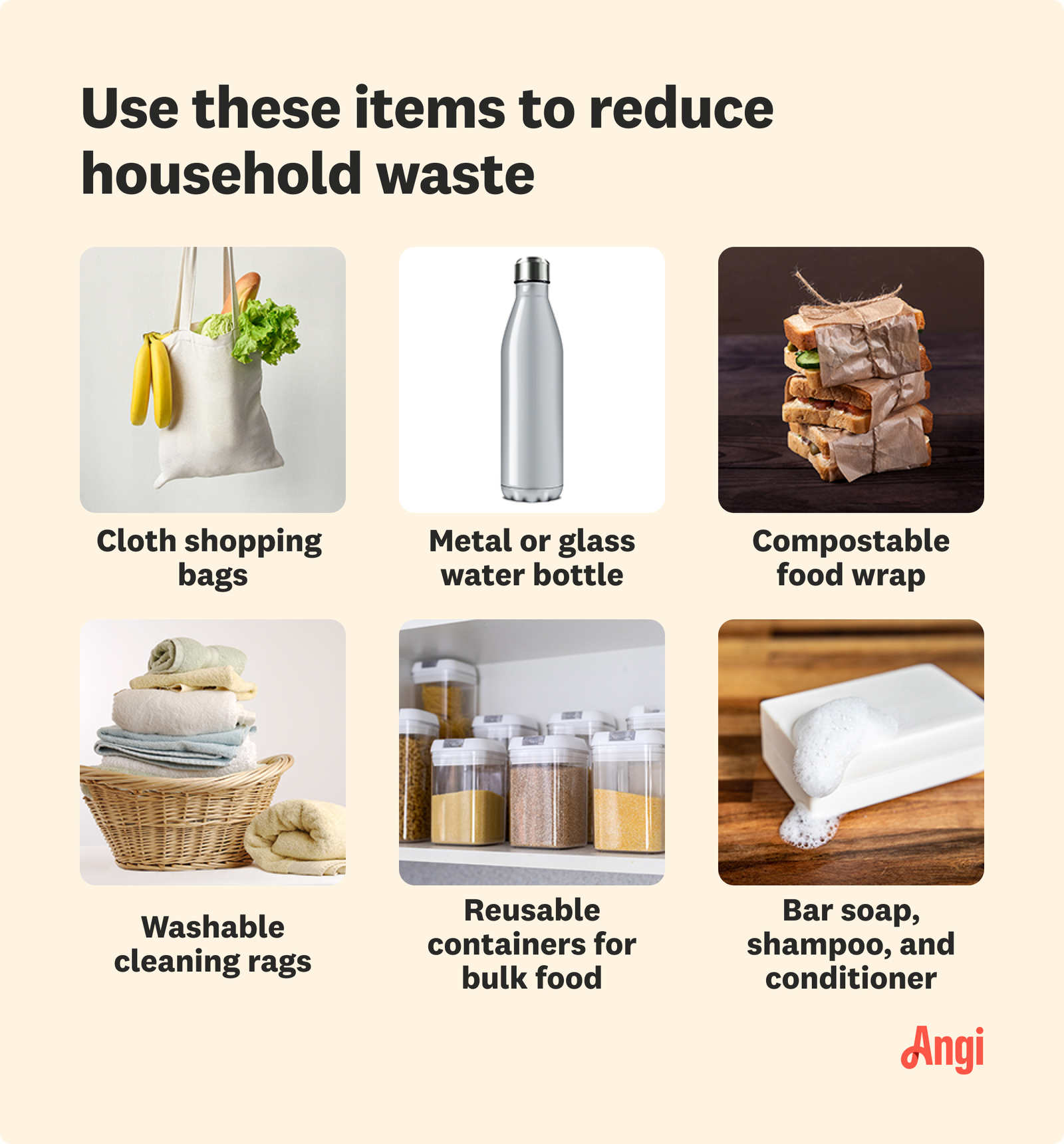
Cloth towels and napkins replace paper towels and napkins. They are soft and can be washed many times.
Use cloth towels for cleaning spills and cloth napkins for meals. Choose cotton or linen for durability.
- Wash and reuse often
- Reduce paper waste
- Save money in the long run
Silicone Food Bags
Silicone food bags replace single-use plastic bags. They are flexible and can hold snacks or leftovers.
These bags are easy to clean and safe for the freezer and microwave. They last much longer than plastic bags.
- Use for storing food items
- Wash in dishwasher or by hand
- Save space in your kitchen
Glass And Stainless Steel Containers
Glass and stainless steel containers replace plastic ones. They keep food fresh and do not stain or smell.
These containers work well for meal prep and leftovers. They are strong and can be reused daily.
- Safe for fridge and freezer
- Easy to clean and durable
- Do not leach chemicals into food
Smart Shopping Habits
Reducing single-use items in the kitchen starts with smart shopping. Choosing the right products helps lower waste and saves money. Small changes in shopping habits make a big difference.
Focus on buying items that last longer and create less trash. Shopping with care supports a cleaner environment and healthier habits.
Buying In Bulk
Buying in bulk cuts down on packaging waste. You get more food with less plastic or paper wrapping. Bulk items like grains, nuts, and spices are easy to store and use.
Bring your own containers to the store. This reduces single-use bags and boxes. Check if your store allows refillable containers before shopping.
- Choose foods with a long shelf life
- Use reusable bags and jars
- Buy only what you will use to avoid waste
Choosing Package-free Products
Package-free products help reduce plastic and other waste. Fresh fruits and vegetables often come without packaging. Look for bulk bins or loose items in the store.
Bring cloth bags or mesh produce bags for loose items. This keeps your produce fresh and waste low. Avoid products wrapped in plastic when possible.
- Pick loose fruits and vegetables
- Use reusable produce bags
- Avoid pre-packaged snacks and goods
Supporting Local Markets
Local markets often offer fresh and package-free food. Buying from farmers helps reduce transport waste and packaging. Local food is usually fresher and lasts longer.
Bring your own bags and containers when shopping at markets. This keeps waste low and supports local growers. Visit markets regularly to build a good shopping habit.
- Buy seasonal fruits and vegetables
- Use reusable bags and jars
- Talk to vendors about package-free options
Waste-free Food Storage
Reducing single-use items in the kitchen helps lower waste and protect the planet. Waste-free food storage uses reusable materials to keep food fresh.
Using alternatives to plastic wrap and bags saves money and reduces trash. These options are easy to use and clean.
Beeswax Wraps
Beeswax wraps are cloth sheets coated with beeswax, resin, and oil. They can wrap sandwiches, cover bowls, and keep vegetables fresh.
They are reusable, washable, and biodegradable. Warm your hands to shape the wrap around food or containers.
- Use instead of plastic wrap
- Keep food fresh for days
- Wash with cool water and mild soap
- Avoid heat to keep wraps lasting longer
Reusable Produce Bags
Reusable produce bags replace single-use plastic bags at the store. They are made of mesh or cloth and come in different sizes.
These bags let fruits and vegetables breathe. You can wash them easily after use and reuse many times.
- Bring to grocery stores or markets
- Use for fruits, vegetables, nuts, and grains
- Machine washable for easy cleaning
- Lightweight and foldable for storage
Mason Jars For Storage
Mason jars are glass containers with tight lids. They store dry goods, leftovers, and liquids safely.
They reduce the need for plastic containers and bags. Mason jars are durable and easy to clean.
- Store grains, beans, and spices
- Keep leftovers fresh in the fridge
- Use for homemade sauces and dressings
- Stackable to save space
Kitchen Practices To Adopt
Reducing single-use items in the kitchen helps the environment. It also saves money and cuts waste.
Simple changes in daily kitchen habits can make a big difference. These practices keep your kitchen green and clean.
Meal Planning To Avoid Waste
Plan your meals before shopping. This helps buy only what you need and reduces food waste.
Use leftovers and freeze extra food. This lowers the need for single-use storage like plastic wrap.
- Make a weekly menu
- Check what food you have
- Buy only needed ingredients
- Use reusable containers for leftovers
Composting Organic Waste
Composting turns food scraps into useful soil. It stops organic waste from going to landfills.
Keep a small bin in the kitchen for compost. Empty it into a larger compost pile or bin outside.
- Collect fruit and vegetable peels
- Avoid composting meat and dairy
- Use compost for plants and gardens
Cleaning With Eco-friendly Tools
Use reusable cleaning cloths instead of paper towels. This reduces single-use waste in the kitchen.
Choose brushes and sponges made from natural materials. They last longer and break down safely.
- Switch to washable cotton cloths
- Use bamboo or wooden brushes
- Pick biodegradable sponges
Involving The Household
Reducing single-use items in the kitchen works best with everyone’s help. The whole family can make a big difference. Each person’s actions add up to less waste and more savings.
Getting your household involved means sharing ideas and working as a team. This helps create good habits that last a long time.
Educating Family Members
Start by explaining why single-use items harm the environment. Use simple facts and examples. This helps everyone understand why change matters.
Show easy ways to use reusable items instead. Teach kids and adults how to wash and store them properly. Education builds confidence and care.
- Talk about plastic pollution and waste problems
- Show reusable bags, containers, and bottles
- Explain how reusing saves money
- Make it a fun learning experience
Creating Shared Goals
Set simple goals everyone agrees on. Goals should be clear and easy to follow. This keeps the household focused and motivated.
Goals can include using cloth napkins or avoiding plastic wrap. Make sure everyone knows their role. Shared goals bring the family together for a common cause.
- Use reusable containers for leftovers
- Bring your own bags to the store
- Buy items with less packaging
- Choose washable dishcloths instead of paper towels
Tracking Progress Together
Keep track of how well the household is doing. Use a chart or list to note progress. This shows everyone’s effort and keeps spirits high.
Celebrate small wins like fewer trash bags or less plastic bought. Tracking progress helps the family see the impact of their work and stay committed.
- Week 1: Used reusable bags 3 times
- Week 2: Avoided paper towels 5 days
- Week 3: Replaced plastic wrap with beeswax wrap
Credit: www.tastingtable.com

Credit: x.com
Frequently Asked Questions
What Are Common Single-use Kitchen Items To Avoid?
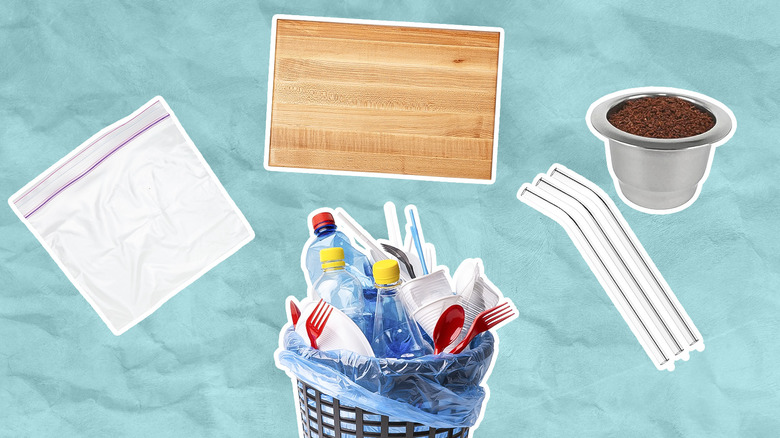
Common single-use kitchen items include plastic bags, disposable cutlery, paper towels, cling film, and coffee pods. Avoiding these reduces waste and environmental impact. Opt for reusable alternatives like cloth bags, metal utensils, washable cloths, beeswax wraps, and reusable coffee filters.
How Can I Replace Plastic Wrap In The Kitchen?
Replace plastic wrap with beeswax wraps, silicone lids, or glass containers with airtight seals. These options are reusable and eco-friendly. They help keep food fresh without generating single-use plastic waste, supporting a sustainable kitchen environment.
What Are Eco-friendly Alternatives To Paper Towels?
Use washable cloth towels, microfiber cloths, or old t-shirts instead of paper towels. These alternatives can be reused multiple times, reducing waste and saving money. They are effective for cleaning spills and maintaining a sustainable kitchen.
How To Reduce Single-use Plastic Bags In Grocery Shopping?
Bring reusable cloth or mesh produce bags and sturdy tote bags when shopping. These eliminate the need for plastic bags and reduce plastic pollution. Keep them handy in your car or shopping bag for convenience.
Conclusion
Reducing single-use items in your kitchen helps the planet and saves money. Small changes make a big difference over time. Choose reusable options like cloth towels and glass containers. Avoid plastic bags and disposable utensils whenever possible. These habits protect the environment and create a cleaner home.
Start today, and you’ll see positive results soon. Every effort counts toward a healthier, greener future. Keep it simple and stay consistent. Your kitchen can be both practical and eco-friendly.