

Are you tired of seeing plastic pile up in your kitchen every day? You’re not alone.
Plastic waste not only clutters your space but also harms the environment. The good news? You can make simple changes right now to cut down on plastic waste efficiently. Imagine a kitchen that’s cleaner, greener, and kinder to the planet—all while saving you time and money.
Keep reading to discover easy, practical steps you can start using today to transform your kitchen into a plastic-free zone. Your future self—and the Earth—will thank you.
Cut Single-use Plastics
Single-use plastics are a major cause of pollution. Reducing them in the kitchen can make a big difference. Start with small changes and they can add up.
Focus on replacing items you use daily. Simple swaps can reduce waste significantly over time.
Swap Plastic Bags For Reusable Bags
Plastic bags are used once and then thrown away. Reusable bags last much longer and are sturdier. They help reduce plastic waste in your kitchen.
Keep a few reusable bags in your car. This way, you always have them for shopping trips.
- Cloth bags are washable and durable
- Mesh bags are great for produce
- Foldable bags fit in small spaces
Choose Alternatives To Plastic Wrap
Plastic wrap is used often but not recyclable. Try beeswax wraps or silicone lids instead. These options are reusable and eco-friendly.
Beeswax wraps can cover bowls or wrap sandwiches. Silicone lids fit various container sizes.
Avoid Disposable Cutlery And Plates
Disposable cutlery and plates add up quickly. Switch to reusable alternatives for meals at home. This cuts down on kitchen waste.
Metal or bamboo cutlery and plates can be washed and used again. They are more sustainable options.
- Bring your own cutlery for picnics
- Use ceramic plates for parties
- Choose bamboo for lightweight options
Opt For Bulk Buying
Buying items in bulk helps reduce plastic waste in your kitchen. It lowers the amount of packaging used for each product.
Bulk buying also saves money and reduces trips to the store. You can store foods in reusable containers to avoid plastic bags.
Benefits Of Bulk Purchasing
Buying in bulk reduces plastic packaging waste. Fewer packages mean less plastic thrown away.
Bulk purchases often cost less per unit. This helps save money over time. It also cuts down on frequent store visits.
- Less plastic packaging waste
- Lower cost per item
- Fewer trips to the store
- Better food storage options
Best Items To Buy In Bulk
Some foods and products work best for bulk buying. Look for items that store well and have long shelf life.
- Rice, beans, and lentils
- Flour and sugar
- Nuts and seeds
- Dried fruits
- Cooking oils
- Spices and herbs
- Cleaning supplies
Store these items in glass jars or reusable bags. This keeps them fresh and reduces plastic use in your kitchen.
Use Reusable Containers
Using reusable containers helps reduce plastic waste in the kitchen. It keeps food fresh and cuts down single-use plastic.
Choosing the right containers and storing food properly can make a big difference. This saves money and protects the environment.
Glass And Stainless Steel Options
Glass and stainless steel containers are strong and safe for food. They do not release harmful chemicals like some plastics.
These containers last longer and are easy to clean. They also look nice on kitchen shelves and inside the fridge.
- Glass containers are good for microwaving and freezing.
- Stainless steel keeps food fresh and is very durable.
- Both are easy to recycle and do not stain.
Proper Storage Techniques
Store food in containers that fit the portion size. This helps reduce food waste and keeps items fresh longer.
Label containers with dates to track freshness. Keep similar items together for easy access and less waste.
- Use airtight lids to stop spills and odors.
- Keep leftovers in small containers to avoid waste.
- Store dry goods in sealed containers to stay fresh.
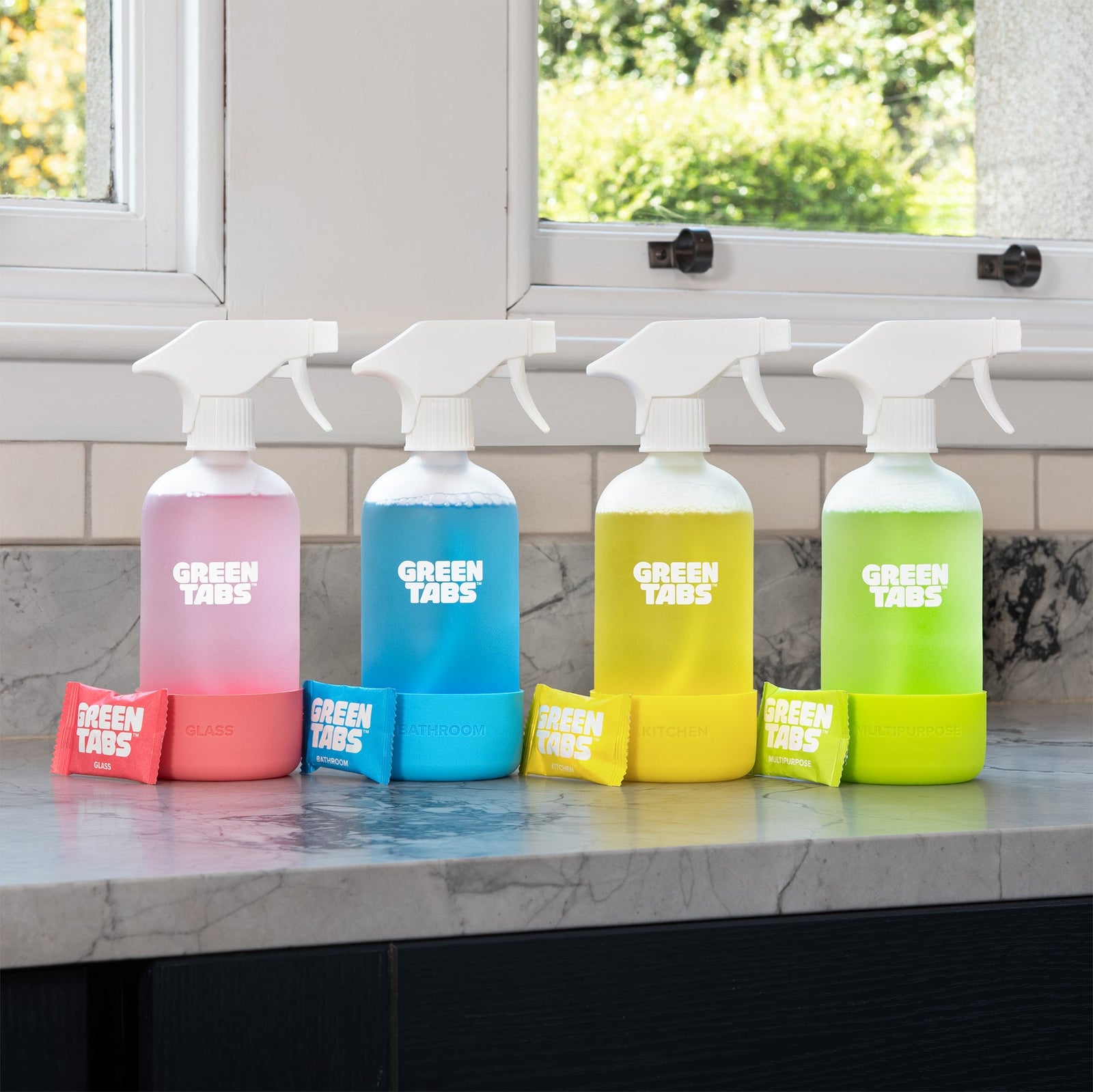
Credit: www.thegreencompany.online
Embrace Composting
Reducing plastic waste in the kitchen starts with smart choices. Composting helps turn food scraps into useful soil.
It lowers trash and keeps plastic containers away from landfills. Composting is easy and good for the environment.
Reducing Food Waste
One way to reduce plastic waste is by cutting food waste. Planning meals helps use all your groceries.
Store food properly to keep it fresh longer. Use leftovers to avoid throwing food away.
- Make a shopping list to buy only what you need
- Check expiration dates regularly
- Eat leftovers within a few days
- Freeze extra food for later use
Compostable Kitchen Supplies
Use compostable supplies instead of plastic ones in your kitchen. These break down naturally and reduce waste.
Items like compostable bags and containers make composting easier and cleaner.
- Compostable trash bags for food scraps
- Bamboo or wooden utensils
- Paper towels and napkins without plastic
- Compostable plates and cups
Choose Eco-friendly Cleaning Tools
Reducing plastic waste in the kitchen starts with picking the right cleaning tools. Eco-friendly options last longer and break down naturally.
These tools help lower plastic use and keep your kitchen green and clean.
Natural Sponges And Brushes
Natural sponges and brushes come from plants or animals. They are biodegradable and do not pollute the environment.
Look for sponges made of cellulose or coconut fibers. Brushes with wooden handles and natural bristles work well too.
- Biodegradable and compostable
- Gentle on dishes and surfaces
- Last longer than plastic sponges
- Reduce plastic waste in kitchens
Homemade Cleaning Solutions
Homemade cleaners use simple ingredients like vinegar, baking soda, and lemon. They come in reusable bottles, cutting down plastic use.
Making your own cleaners saves money and avoids harsh chemicals found in some store products.
- Use vinegar for cutting grease
- Baking soda cleans and deodorizes
- Lemon adds fresh scent and shine
- Store in glass or refillable containers
Shop Smart And Local
Reducing plastic waste in your kitchen starts with smart shopping. Choosing local stores helps lower plastic use. It also supports your community.
Buying from local markets lets you pick fresh produce with less packaging. You can avoid single-use plastics easily this way.
Support Plastic-free Markets
Plastic-free markets offer products with little or no plastic packaging. These markets focus on reusable or compostable materials.
You can bring your own bags and containers to reduce waste. Local markets often welcome this habit.
- Use cloth bags instead of plastic ones
- Choose loose fruits and vegetables
- Buy bulk dry goods in refill stations
- Bring jars for oils and sauces
Seasonal And Local Produce Benefits
Seasonal and local produce needs less packaging and travel. This lowers the chance of plastic wrapping and containers.
Eating seasonal food means fresher meals and less plastic waste. Local farming often uses simpler, eco-friendly packaging.
- Less plastic from short transport routes
- Fresher fruits and vegetables
- Supports local farmers and economy
- Reduces carbon footprint
Educate Household Members
Reducing plastic waste in the kitchen starts with teaching everyone at home. Each person should know why less plastic is better for the planet.
When all family members understand the problem, they can work together to cut plastic use every day.
Involving Everyone In Waste Reduction
Make waste reduction a team effort. Talk about how plastic harms the environment and why cutting it helps.
Encourage family members to share ideas on using less plastic. Include kids by making it fun and easy to learn.
- Hold short family meetings about waste
- Assign simple tasks like sorting recyclables
- Reward efforts with praise or small treats
- Use charts to track progress together
Simple Daily Habits To Adopt
Small changes each day add up to less plastic waste. Teach everyone easy habits to follow in the kitchen.
Focus on habits that save plastic without much effort or cost. Make these habits part of the daily routine.
- Use reusable bags for groceries
- Choose glass or metal containers instead of plastic
- Refuse single-use plastic items like straws
- Buy food with less plastic packaging
- Wash and reuse plastic bags and wraps

Credit: www.thegreencompany.online

Credit: www.thegreencompany.online
Frequently Asked Questions
What Are Simple Ways To Reduce Plastic Waste In Kitchens?
Using reusable containers, avoiding single-use plastics, and buying in bulk can reduce plastic waste effectively. Composting food scraps and choosing plastic-free products also help minimize waste in the kitchen.
How Can I Replace Plastic Wrap In My Kitchen?
Switch to beeswax wraps, silicone lids, or reusable cloth covers. These alternatives are eco-friendly, washable, and keep food fresh without plastic waste.
Why Is Reducing Plastic Waste In The Kitchen Important?
Plastic waste harms the environment and wildlife. Reducing it conserves resources, lowers pollution, and promotes a healthier lifestyle and sustainable future.
What Are Eco-friendly Alternatives To Plastic Kitchen Utensils?
Choose bamboo, stainless steel, or wooden utensils. These materials are durable, biodegradable, and reduce plastic pollution in your kitchen.
Conclusion
Reducing plastic waste in your kitchen helps the planet and saves money. Small changes add up to big results over time. Choose reusable bags, containers, and wraps to cut plastic use. Buy in bulk to avoid extra packaging. Compost food scraps instead of tossing them in plastic bags.
Each step makes your kitchen greener and cleaner. Start today for a healthier home and earth. Every effort counts. Your kitchen can lead the way.