
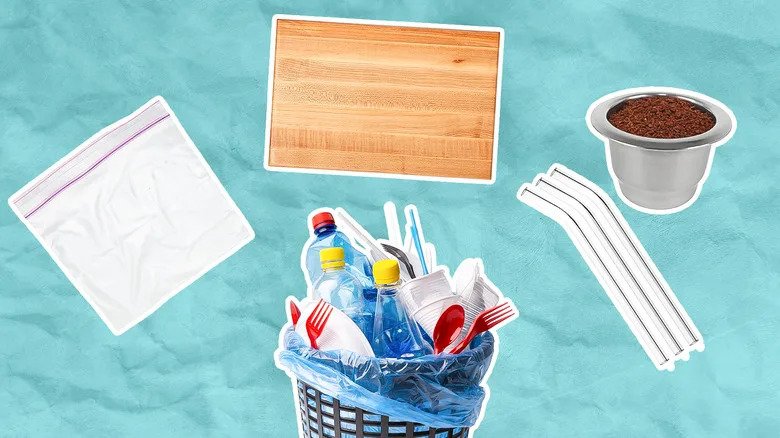
Your kitchen is one of the biggest sources of plastic waste in your home. Every day, you use plastic bags, containers, and wraps without even realizing how much they add up.
But what if you could cut down on this waste easily and make your kitchen a cleaner, greener space? You’ll discover simple, practical steps to reduce plastic waste right where you cook and eat. By making a few changes, you’ll not only help the environment but also create a healthier home for you and your family.
Ready to see how small habits can make a big difference? Let’s dive in!
Credit: www.tastingtable.com
Cut Single-use Plastics
Plastic waste is a big problem. Kitchens often use too much plastic. Reducing plastic can help the planet.
Focus on cutting single-use plastics. These are items you use once and then throw away. Let’s explore ways to reduce them in your kitchen.
Switch To Reusable Bags
Plastic bags are common in kitchens. They often end up in landfills. Switch to reusable bags instead.
Reusable bags are strong and last a long time. They can be used for shopping and storing food. This change helps cut down on plastic waste.
- Use cloth bags for groceries
- Store snacks in fabric pouches
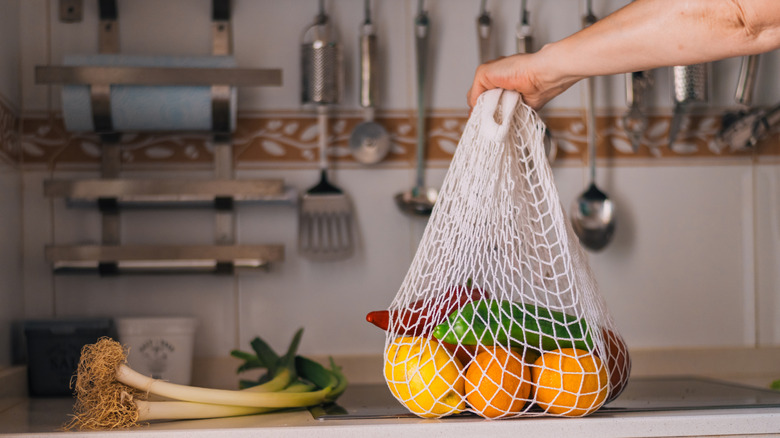
- Choose mesh bags for produce
Avoid Plastic Wrap
Plastic wrap is often used to cover food. It is not reusable and creates waste. Find better options for covering food.
Beeswax wraps and silicone lids are great replacements. They keep food fresh and can be used many times. This choice reduces plastic waste.
- Use beeswax wraps for sandwiches
- Cover bowls with silicone lids
- Store leftovers in glass jars
Choose Glass Or Metal Containers
Plastic containers are cheap but not durable. They can break and stain. Choose glass or metal containers for better results.
Glass and metal containers last longer and are safer. They do not leach chemicals into food. This choice is better for health and the environment.
- Store leftovers in glass containers
- Use metal containers for lunch
- Choose stainless steel for dry goods
Shop Smart
Reducing plastic waste in your kitchen starts with smart shopping. Buying items carefully helps cut down on plastic use.
Choosing products and stores that avoid plastic packaging can make a big difference every time you shop.
Buy In Bulk
Buying in bulk reduces the amount of plastic packaging you bring home. Large containers use less plastic per unit of food.
Bring your own containers to stores that allow bulk shopping. This stops single-use plastic bags and wraps.
- Use glass jars or cloth bags for dry goods
- Choose stores with bulk bins for nuts and grains
- Refill bottles for oils and sauces when possible
Select Loose Produce
Buy fruits and vegetables without plastic wrapping. Loose produce means less plastic waste from bags and trays.
Use reusable produce bags or baskets to carry your fresh foods. Avoid small plastic bags in the produce section.
- Pick loose apples, oranges, and other fruits
- Choose loose vegetables like carrots and potatoes
- Bring your own mesh or cotton bags for produce
Support Plastic-free Brands
Look for brands that use little or no plastic in their packaging. These brands help lower the plastic waste in landfills.
Buy items wrapped in paper, glass, or metal instead of plastic. Supporting these brands encourages others to reduce plastic use.
- Choose glass bottles over plastic ones
- Pick metal tins or paper boxes for dry goods
- Check product labels for plastic-free packaging
Change Storage Habits
Plastic waste in the kitchen adds up quickly. Changing how you store food can cut down on plastic use.
Small changes in storage help reduce waste and keep food fresh longer.
Use Beeswax Wraps
Beeswax wraps are a natural alternative to plastic wrap. They are reusable and washable.
Wrap sandwiches, fruits, or bowls with beeswax wraps to keep food fresh without plastic.
- Made from cotton and beeswax
- Reusable for up to one year
- Breathable, so food stays fresh
- Compostable after use
Opt For Silicone Lids
Silicone lids stretch to cover bowls and containers. They replace single-use plastic wraps and bags.
These lids are easy to clean and last a long time. They seal food tightly to prevent spills.
- Flexible and stretchable
- Dishwasher safe
- Various sizes available
- Reduce plastic wrap use
Store In Mason Jars
Mason jars are great for storing dry goods and leftovers. They are reusable and sturdy.
Use them for grains, nuts, sauces, and more. Mason jars keep food fresh without plastic containers.
- Made of glass, easy to clean
- Good for pantry and fridge storage
- Available in many sizes
- Reduce plastic bag and container use

Credit: www.thegreencompany.online
Rethink Kitchen Tools
Plastic waste in kitchens adds to pollution and harms the environment. Changing the tools we use can cut down plastic trash.
Choosing better kitchen tools helps reduce single-use plastics. It also promotes a cleaner, safer home.
Choose Wooden Or Metal Utensils
Wooden and metal utensils last longer than plastic ones. They do not break easily or wear down fast.
Wood and metal are natural or recyclable materials. They reduce the amount of plastic thrown away.
- Wooden spoons and spatulas are sturdy and safe for cooking.
- Metal forks and knives can be reused for years.
- Both materials avoid harmful chemicals found in some plastics.
Avoid Disposable Cutlery
Disposable plastic forks, knives, and spoons create a lot of waste. They are used once and then thrown away.
Using reusable cutlery reduces trash. It saves money and helps protect the planet.
- Carry metal or bamboo cutlery when eating out.
- Wash and reuse your cutlery at home.
- Say no to plastic forks and spoons at parties or events.
Invest In Durable Cookware
Cookware made from cast iron, stainless steel, or ceramic lasts longer. It does not chip or break easily.
Durable cookware reduces the need to buy plastic-coated pans. It also cuts down on waste and pollution.
- Choose pans with metal handles instead of plastic ones.
- Cast iron skillets can last for decades.
- Stainless steel pots are easy to clean and recycle.
Manage Waste Effectively
Reducing plastic waste in the kitchen starts with managing waste well. Proper waste management keeps your kitchen clean and helps the environment.
Sorting and handling waste correctly lowers the amount of plastic that ends up in landfills. This helps reduce pollution and saves resources.
Set Up Composting
Composting turns food scraps into useful soil instead of trash. It reduces kitchen waste and plastic bags used for garbage.
Use a small bin to collect vegetable peels, coffee grounds, and eggshells. Avoid putting meat or dairy in compost to keep it clean.
- Choose a compost bin with a lid to keep smells away
- Place the bin near your kitchen for easy access
- Mix compost materials regularly for faster breakdown
Recycle Properly
Recycling plastic helps reduce waste and saves energy. It is important to know which plastics your local center accepts.
Clean plastic containers before recycling to avoid contamination. Remove labels or caps if your local rules require it.
- Check local recycling guidelines for accepted plastics
- Rinse containers to remove food residue
- Flatten bottles to save space in recycling bins
Donate Unused Items
Donating unused kitchen items reduces waste and helps others. Items like containers, utensils, and appliances can be reused.
Make sure items are clean and in good condition. Find local charities or community groups that accept kitchen donations.
- Sort items that are no longer needed but still usable
- Clean and pack items carefully before donating
- Contact local centers to learn about donation rules
.png?impolicy=infographic)
Credit: www.angi.com
Adopt Daily Habits
Reducing plastic waste in the kitchen starts with small daily actions. Simple habits can make a big difference over time.
Changing everyday routines helps lower plastic use and protect the environment. Try easy steps that fit your lifestyle.
Bring Your Own Coffee Cup
Using a reusable coffee cup stops single-use plastic cups from waste. It also keeps your drinks hot longer.
Carry your cup to work or cafes. Many places offer discounts for reusable cups.
Use Refillable Cleaning Bottles
Refillable bottles cut down on buying new plastic containers. You can refill with bulk cleaning products or make your own.
- Choose strong bottles that last long
- Refill from large containers to reduce plastic
- Label bottles to avoid mix-ups
Plan Meals To Reduce Packaging
Planning meals helps buy only what you need. This lowers waste from plastic packaging and food spoilage.
- Make a weekly shopping list
- Buy loose fruits and vegetables
- Choose products with less plastic wrapping
- Use reusable bags for groceries
Frequently Asked Questions
How Can I Start Reducing Kitchen Plastic Waste?
Begin by replacing single-use plastics with reusable items. Use glass containers, cloth bags, and metal utensils. Avoid plastic wraps and opt for beeswax wraps. Gradually, adopt eco-friendly habits for sustainable kitchen waste reduction.
What Are The Best Alternatives To Plastic Food Storage?
Use glass, stainless steel, or silicone containers for food storage. These are durable, reusable, and safe. They help reduce plastic waste effectively. Beeswax wraps and cloth covers are also great alternatives to plastic wraps.
How To Minimize Plastic Waste From Kitchen Packaging?
Choose products with minimal or no plastic packaging. Buy in bulk using reusable containers. Support local farmers’ markets for fresh produce without plastic. Properly recycle any unavoidable plastic packaging to reduce environmental impact.
Can Composting Help Reduce Kitchen Plastic Waste?
Composting reduces organic waste but doesn’t directly reduce plastic. However, it encourages sustainable habits and less reliance on plastic bags. Use compostable bags for organic waste to minimize plastic pollution from kitchen refuse.
Conclusion
Reducing plastic waste in the kitchen starts with small steps. Choose reusable bags, containers, and wraps. Avoid single-use plastics whenever possible. Clean and organize your kitchen to spot waste easily. These simple actions help protect the environment. They also save money over time.
Everyone can make a difference by changing daily habits. Start today, and keep it steady. Little changes add up to a big impact. Your kitchen can be a place of care and kindness for the planet.