
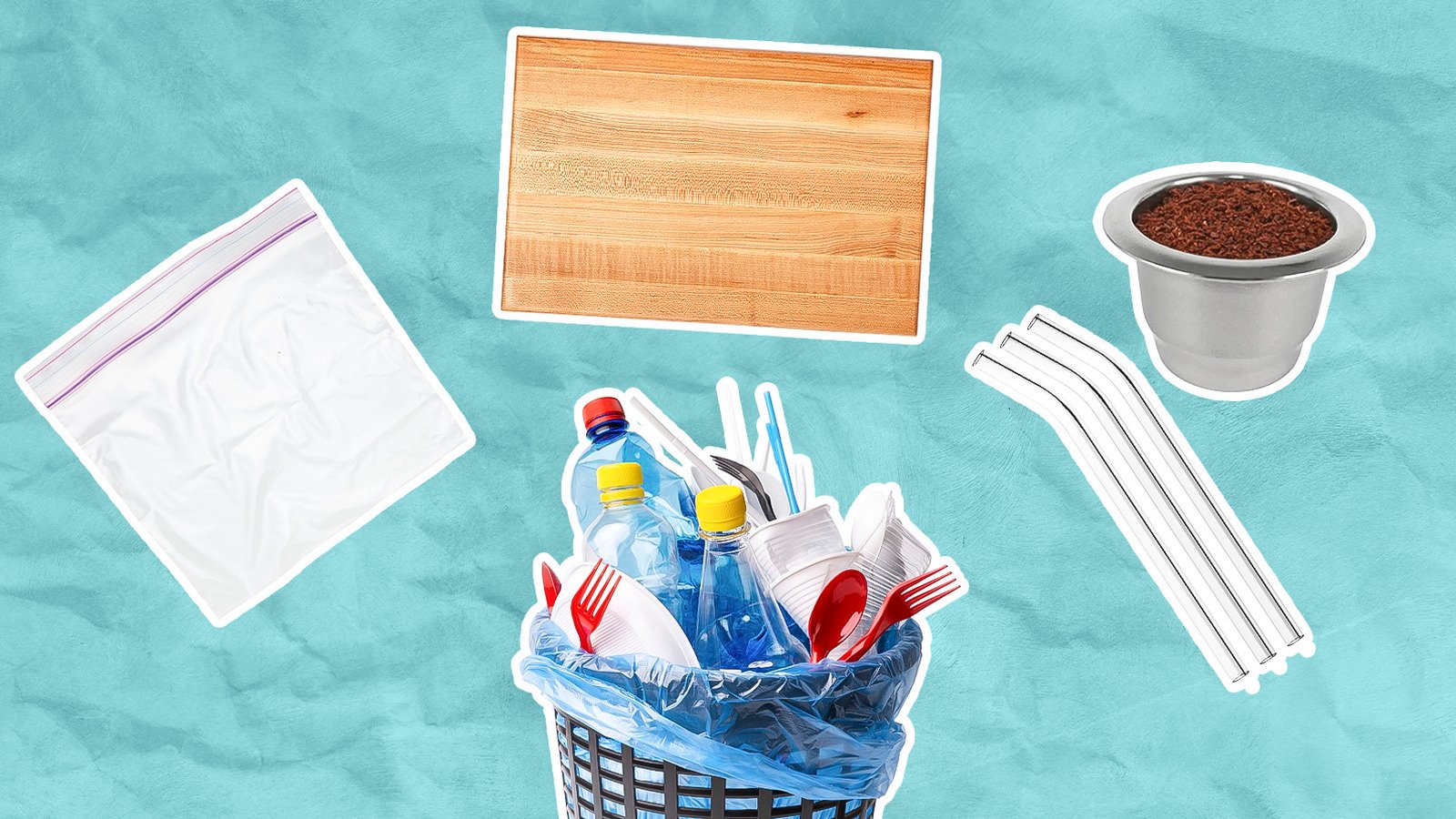
You might not realize it, but your kitchen could be one of the biggest sources of plastic waste in your home. Every day, plastic bags, containers, and wrap sneak into your routine, adding up to a lot of unnecessary trash.
Imagine cutting down that waste easily, saving money, and making your kitchen healthier—all at the same time. You’ll discover simple, practical ways to reduce plastic use in your kitchen without feeling overwhelmed. Keep reading, and you’ll find tips that fit right into your daily life, helping you create a cleaner, greener space for you and your family.
Choose Reusable Alternatives
Reducing plastic in the kitchen is essential for a healthier planet. Choosing reusable alternatives is a simple and effective way to start.
By making small changes, you can significantly cut down on plastic waste. Here are some easy swaps you can make.
Switch To Cloth Bags
Cloth bags are a great alternative to plastic bags. They are durable and can be used many times.
Keep a few cloth bags in your kitchen for shopping trips. They are easy to clean and store.
- Use for grocery shopping
- Perfect for carrying fruits and vegetables
- Machine washable and eco-friendly
Use Glass And Metal Containers
Glass and metal containers are perfect for storing food. They are safe and don’t leach chemicals into your food.
These containers are ideal for leftovers and meal prep. They help keep your food fresh for longer.
- Available in various sizes
- Resistant to stains and odors
- Safe for microwaves and ovens
Opt For Beeswax Wraps
Beeswax wraps are an excellent alternative to plastic wrap. They are reusable and keep food fresh.
These wraps are easy to clean and mold around food or containers. They are made from natural materials.
- Wrap sandwiches and snacks
- Cover bowls and plates
- Hand wash and reuse
:max_bytes(150000):strip_icc()/ea-microplastic-swaps-under-dollar20dollar25-tout-ba892e7aa8274369b90339e969b4e8b6.jpg)
Credit: www.eatingwell.com
Avoid Single-use Plastics
Plastic waste harms the environment and animals. Using less plastic in the kitchen helps reduce this problem.
Many kitchen items are made for one-time use. Avoiding these plastics is a simple way to help the planet.
Skip Plastic Straws And Cutlery
Plastic straws and cutlery add a lot of waste. They break down slowly and pollute oceans.
Choose reusable or compostable alternatives instead. Metal, bamboo, or silicone options work well.
- Use metal or bamboo straws
- Carry reusable cutlery sets
- Choose compostable forks and knives
Say No To Disposable Plates And Cups
Disposable plates and cups create a lot of trash. They often end up in landfills or oceans.
Use washable dishes and cups instead. They last longer and reduce plastic waste.
- Use ceramic or glass plates
- Choose stainless steel or glass cups
- Bring your own reusable containers for parties
Shop Smart And Bulk Buy
Reducing plastic use in the kitchen starts with smart shopping. Buying in bulk helps cut down on plastic packaging.
Choosing the right products and stores can lower plastic waste. Planning your shopping saves money and the planet.
Bring Your Own Containers
Use your own containers to avoid single-use plastic bags and packaging. Many stores allow you to refill jars or boxes.
Clean containers help keep food fresh and reduce waste. Glass jars, cloth bags, and reusable boxes work well for this.
Select Loose Produce
Choose fruits and vegetables without plastic wrap. Loose produce creates less trash and lets you buy only what you need.
Bring a mesh or cloth bag to carry loose items. This simple step reduces plastic use every time you shop.

Credit: www.youtube.com
Make Your Own Kitchen Essentials
Reducing plastic use in the kitchen helps the environment. You can make many kitchen essentials yourself to cut down on plastic waste.
Making your own items saves money and reduces the need for plastic packaging. It is easier than you might think.
Diy Cleaning Solutions
You can make cleaning solutions using natural ingredients. These use no plastic bottles and are safe for your family.
Common ingredients include vinegar, baking soda, and lemon juice. Mix these with water for different cleaning purposes.
- All-purpose cleaner: Mix equal parts water and vinegar in a reusable spray bottle.
- Scrubbing paste: Combine baking soda with water to clean tough stains.
- Glass cleaner: Use vinegar and water with a few drops of essential oil.
Homemade Food Storage Options
Plastic food storage creates a lot of waste. You can use homemade alternatives that are reusable and safe.
Try using beeswax wraps or cloth covers to store food. These options keep food fresh without plastic.
- Beeswax wraps: Cover bowls or wrap sandwiches to keep food fresh.
- Glass jars: Store leftovers or dry goods in glass containers with lids.
- Fabric bags: Use cotton bags for fruits, vegetables, or snacks.
Properly Recycle And Compost
Reducing plastic use in the kitchen helps protect the environment. Proper recycling and composting are key ways to cut waste.
Sorting waste and composting organic materials keep plastics out of landfills. These habits also return nutrients to the soil.
Sort Kitchen Waste
Sorting kitchen waste means separating recyclables from trash. Keep plastics, glass, and metals in a recycling bin.
Check local rules to know which plastics can be recycled. Clean containers help avoid contamination in recycling centers.
- Rinse plastic containers before recycling
- Separate paper and cardboard from plastics
- Do not put food-soiled items in recycling bins
- Use labeled bins to make sorting easier
Compost Organic Materials
Composting turns food scraps and garden waste into rich soil. This reduces the need for plastic bags and trash bins.
Use a compost bin or pile in your yard. Add fruit peels, vegetable scraps, coffee grounds, and eggshells.
- Do not compost meat, dairy, or oily foods
- Turn compost regularly for faster breakdown
- Keep compost moist but not too wet
- Use finished compost to enrich garden soil
Incorporate Eco-friendly Habits
Reducing plastic use in the kitchen helps protect the environment. Simple changes in daily habits can make a big difference.
Using eco-friendly habits saves resources and reduces waste. It also creates a healthier home and planet.
Plan Meals To Reduce Waste
Planning meals helps you buy only what you need. This lowers the chance of food spoiling and getting thrown away.
Use a shopping list and check your fridge before buying. Cook leftovers in new ways to avoid waste.
- Make a weekly meal plan
- Shop with a reusable bag
- Store food in glass or metal containers
- Use leftovers creatively
- Freeze extra food to keep it longer
Maintain Durable Kitchen Tools
Choose kitchen tools made to last. Durable tools reduce the need to buy plastic replacements often.
Clean and care for your tools properly. This extends their life and lowers plastic waste.
- Use stainless steel or wooden utensils
- Avoid single-use plastic items
- Fix broken tools instead of replacing
- Buy high-quality products that last
- Recycle tools responsibly when done

Credit: creators.yahoo.com
Frequently Asked Questions
How Can I Replace Plastic Wrap In The Kitchen?
You can use beeswax wraps, silicone lids, or reusable cloth covers. These alternatives are eco-friendly and reduce plastic waste efficiently.
What Are The Best Plastic-free Food Storage Options?
Glass containers, stainless steel lunch boxes, and silicone bags are great plastic-free storage choices. They are durable and safe for food preservation.
How To Avoid Plastic Utensils While Cooking?
Opt for wooden, bamboo, or stainless steel utensils. These materials are sustainable, long-lasting, and eliminate single-use plastic consumption in the kitchen.
Can I Buy Groceries Without Plastic Packaging?
Yes, choose bulk bins, bring reusable produce bags, and shop at zero-waste stores. This practice helps minimize plastic packaging waste significantly.
Conclusion
Reducing plastic use in the kitchen helps protect our planet. Small changes make a big difference over time. Choose reusable bags, containers, and wrap instead of plastic. Buy fresh produce without plastic packaging when possible. Clean and reuse plastic items to extend their life.
Teach family and friends about cutting plastic waste. Everyone can help create a cleaner, safer environment. Start with one step today and keep going. Your efforts add up to a healthier future for all.