
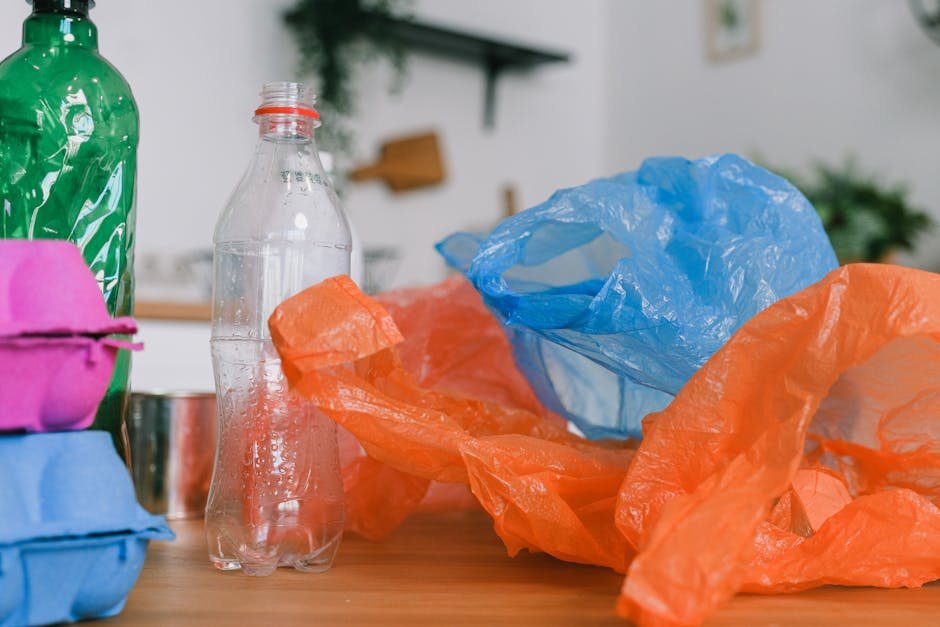
Are you tired of seeing endless plastic waste pile up in your kitchen? Imagine cutting down on plastic without making your daily routine harder.
You can make small, smart changes that save the environment and keep your kitchen neat and healthy. This guide will show you simple, effective ways to reduce plastic use right now. Keep reading to discover easy tips that fit your lifestyle and make a big difference.
Your kitchen – and the planet – will thank you.

Credit: www.cnn.com
Assess Plastic Use
Reducing plastic in the kitchen is essential for the environment. Start by assessing how much plastic you use daily.
Understanding your plastic usage helps you make effective changes. This assessment is the first step towards a plastic-free kitchen.
Identify Common Plastic Items
Look around your kitchen to find common plastic items. These include plastic bags, bottles, and containers.
Make a list of plastic items you use often. Identifying these items helps you find alternatives.
- Plastic bags for groceries
- Single-use plastic bottles
- Plastic food storage containers
Track Plastic Waste Generated
Keep track of the plastic waste you generate weekly. This helps you understand your plastic footprint.
Recording your plastic waste makes it easier to find areas to reduce. A simple notebook or app can help track your waste.
- Count plastic bags used
- Note plastic bottles disposed
- Track food containers thrown away
Choose Reusable Alternatives
Reducing plastic use in the kitchen helps the environment. Choosing reusable items cuts down on waste.
Simple swaps can make a big difference. Use items that last longer and are easy to clean.
Switch To Glass And Metal Containers
Glass and metal containers are strong and safe for food. They do not hold odors or stains like plastic.
These containers can be used for storing leftovers or packing meals. They are easy to wash and reuse many times.
- Glass jars work well for dry goods and sauces
- Metal tins keep snacks fresh and protected
- Both types can go in the dishwasher
- They last longer than single-use plastics
Use Cloth Bags And Wraps
Cloth bags are good for fruits and vegetables. They replace plastic produce bags at the store.
Cloth wraps, like beeswax wraps, can cover bowls or wrap food. They keep food fresh without plastic waste.
- Choose washable cotton or linen cloths
- Beeswax wraps are reusable and breathable
- Cloth bags are easy to carry and store
- Use them for shopping and food storage
Smart Shopping Habits
Reducing plastic use in the kitchen starts with smart shopping choices. You can lower plastic waste by changing how you buy food and supplies.
Choosing items with less plastic helps keep your kitchen eco-friendly and cuts down on trash.
Buy In Bulk To Reduce Packaging
Buying in bulk means purchasing larger amounts at once. This cuts down on the total packaging used for many small products.
Look for stores that sell bulk items like grains, nuts, and spices. Bring your own containers to avoid plastic bags.
- Choose bulk bins for dry goods
- Use reusable bags or jars
- Buy large containers instead of many small ones
- Refill bottles for oils and sauces
Opt For Plastic-free Products
Pick products with natural or no packaging. Items wrapped in paper, glass, or metal are better options.
Check labels and avoid items wrapped in plastic. Choose fresh produce over pre-packaged goods when possible.
- Buy fruits and vegetables loose
- Choose glass jars over plastic containers
- Look for cardboard or paper packaging
- Use metal or bamboo utensils instead of plastic

Credit: www.hgtv.com
Efficient Food Storage
Reducing plastic use in the kitchen starts with how you store food. Efficient storage helps keep food fresh longer and cuts down waste.
Using better storage options means fewer plastic bags and wraps end up in the trash. Let’s look at two smart ways to store food without plastic.
Invest In Airtight Containers
Airtight containers keep food fresh by stopping air from getting in. They work well for leftovers, snacks, and dry goods.
Choose containers made of glass or stainless steel. These last longer and do not contain harmful chemicals like some plastics.
- Keep fruits and vegetables fresh
- Store dry foods like rice and beans
- Prevent spills and odors in the fridge
- Reusable and easy to clean
Use Beeswax Wraps For Freshness
Beeswax wraps are a natural alternative to plastic wrap. They keep food fresh and are easy to wash and reuse.
Wrap cheese, bread, or cut fruit in beeswax wraps. They stick to bowls and plates to cover leftovers without plastic.
- Made from cotton fabric coated with beeswax
- Breathable, so food stays fresh longer
- Compostable and eco-friendly
- Available in different sizes and patterns
Minimize Single-use Plastics
Single-use plastics cause a lot of waste in kitchens. Reducing them helps protect the environment.
Small changes in the kitchen can lower plastic use and save resources.
Avoid Disposable Cutlery And Plates
Disposable plastic forks, spoons, and plates add to landfill waste. They break down very slowly.
Use reusable utensils and dishes instead. They can be washed and used many times.
- Choose metal or bamboo cutlery
- Use ceramic or glass plates
- Bring your own set for takeout
- Keep a set in your bag or car
Say No To Plastic Straws
Plastic straws are used briefly but last for years in nature. Many end up in oceans.
Switch to reusable or no straws at all. This reduces plastic waste greatly.
- Use metal, silicone, or bamboo straws
- Skip straws when drinking at home
- Carry your own reusable straw
- Choose paper straws if reusable is not possible
Diy Kitchen Solutions
Reducing plastic use in the kitchen helps protect the environment. Simple do-it-yourself ideas can cut down plastic waste.
Many kitchen tasks can use homemade and reusable items. These options save money and reduce plastic pollution.
Make Homemade Cleaning Products
Store-bought cleaners often come in plastic bottles. You can make safe cleaners using simple ingredients at home.
Use items like vinegar, baking soda, and lemon to clean surfaces. These products work well and avoid plastic containers.
- Mix equal parts water and vinegar for a glass cleaner
- Use baking soda as a scrub for tough stains
- Add lemon juice to remove odors and grease
- Store homemade cleaners in glass spray bottles
Create Reusable Produce Bags
Plastic produce bags add to plastic waste. You can sew or buy cloth bags to carry fruits and vegetables.
Reusable bags are washable and last a long time. They keep produce fresh without using plastic.
- Use cotton or mesh fabric to make bags
- Sew simple drawstrings to close the bags
- Label each bag for easy sorting
- Wash bags regularly to keep them clean
Proper Plastic Disposal
Plastic waste in the kitchen can harm the environment. Proper disposal helps reduce pollution and saves resources.
Knowing how to dispose of plastic correctly is important. It keeps your home clean and supports recycling efforts.
Segregate And Recycle Plastics
Separate plastics from other trash to make recycling easier. Clean and dry plastics recycle better.
Check local rules to know which plastics can be recycled. This reduces waste going to landfills.
- Rinse containers before recycling
- Sort plastics by type if possible
- Do not mix plastic with food waste
- Use clear bins for plastic recycling
Support Local Plastic Reduction Initiatives
Join community programs that reduce plastic waste. These groups often organize cleanups and education.
Support shops that use less plastic. Small changes help lower overall plastic use in your area.
- Attend local recycling workshops
- Buy from stores with less plastic packaging
- Encourage neighbors to recycle properly
- Participate in plastic-free campaigns

Credit: www.yahoo.com
Frequently Asked Questions
How Can I Replace Plastic Bags In The Kitchen?
Use reusable cloth or mesh bags for groceries and storage. These bags are durable and eco-friendly, reducing plastic waste significantly.
What Are The Best Alternatives To Plastic Food Containers?
Opt for glass, stainless steel, or silicone containers. They are safer, reusable, and help minimize plastic pollution in kitchens.
How To Avoid Plastic Wrap When Storing Food?
Use beeswax wraps, silicone lids, or cloth covers. These options are sustainable and effectively keep food fresh without plastic.
Can I Reduce Plastic Usage With Kitchen Utensils?
Yes, choose wooden, bamboo, or metal utensils. They last longer, are biodegradable, and help cut down plastic consumption.
Conclusion
Reducing plastic in your kitchen helps the planet and saves money. Small changes add up fast. Choose reusable bags, containers, and wraps. Avoid single-use plastics like straws and cutlery. Clean and reuse items when possible. Buy food in bulk to cut down on packaging.
These easy steps create a healthier kitchen and world. Start today and see the difference. Every action counts.