

Are you tired of feeling helpless about plastic waste piling up everywhere? You have the power to make a real change, starting right now.
Reducing plastic usage doesn’t have to be complicated or overwhelming. With a few smart and simple steps, you can cut down your plastic footprint efficiently and easily. Keep reading to discover practical tips that fit into your daily life and help protect the planet for you and future generations.
Your small actions can create a big impact—let’s dive in!
Why Cut Plastic Use Matters
Plastic is everywhere in our daily lives. It is cheap and easy to use. But plastic causes many problems for our planet and health.
Reducing plastic use helps protect the environment, improves health, and saves money. Understanding why cutting plastic matters can guide us to better choices.
Environmental Effects
Plastic waste harms oceans and land. It takes hundreds of years to break down. Animals often eat plastic or get trapped in it.
- Pollutes water and soil
- Harms wildlife and fish
- Creates microplastics that spread everywhere
- Increases greenhouse gases when burned
Health Concerns
Plastic contains chemicals that can be harmful to people. These chemicals can enter our bodies through food and water.
| Chemical | Possible Effect |
| BPA | Hormone disruption |
| Phthalates | Reproductive issues |
| Microplastics | Unknown long-term risks |
Economic Impact
Plastic waste costs governments and communities a lot of money. Cleaning up plastic pollution takes time and resources.
Ways plastic waste affects the economy:
- High cleanup costs for cities and beaches
- Damage to fishing and tourism industries
- Increased waste management expenses
Credit: www.suntory.com
Easy Swaps For Everyday Items
Reducing plastic use helps protect the environment. Small changes in daily life can cut plastic waste.
Try simple swaps with common items to use less plastic. These changes are easy and effective.
Reusable Bags And Containers
Use reusable bags instead of plastic ones for shopping. They last longer and reduce trash.
Choose containers made from glass or metal. They keep food fresh and avoid plastic waste.
- Carry cloth or canvas bags for groceries
- Use glass jars for storing leftovers
- Bring metal lunch boxes for meals
Alternatives To Plastic Bottles
Replace plastic water bottles with reusable ones. This lowers plastic pollution greatly.
Choose bottles made of stainless steel or BPA-free materials. They are safer and strong.
- Use metal water bottles for daily hydration
- Bring a reusable coffee cup to cafes
- Refill bottles instead of buying plastic ones
Switching To Natural Materials
Pick items made from natural materials like wood, bamboo, or cotton. They break down faster.
Natural products reduce plastic use and are often safer for health.
- Use bamboo toothbrushes instead of plastic
- Choose cotton produce bags for shopping
- Select wooden combs and utensils
Smart Shopping Habits
Reducing plastic use starts with smart choices while shopping. Small changes in buying habits help cut down plastic waste.
Choosing products and brands with less plastic protects the environment. Here are some ways to shop smart and reduce plastic.
Buying In Bulk
Buying in bulk reduces the amount of plastic packaging used. It also saves money and cuts down on trips to the store.
Look for stores that offer bulk sections where you can use your own containers. This lowers single-use plastic waste significantly.
- Bring reusable bags or containers
- Choose large sizes instead of multiple small packages
- Buy dry goods like rice, beans, and nuts in bulk
Choosing Minimal Packaging
Select products with little or no plastic packaging. Paper, glass, or metal packaging is better for the environment.
Look for items wrapped in cardboard or paper instead of plastic wrap. This choice reduces plastic pollution.
- Pick loose fruits and vegetables instead of pre-packaged ones
- Buy bar soap instead of liquid soap in plastic bottles
- Choose refill stations or concentrates to avoid plastic containers
Supporting Plastic-free Brands
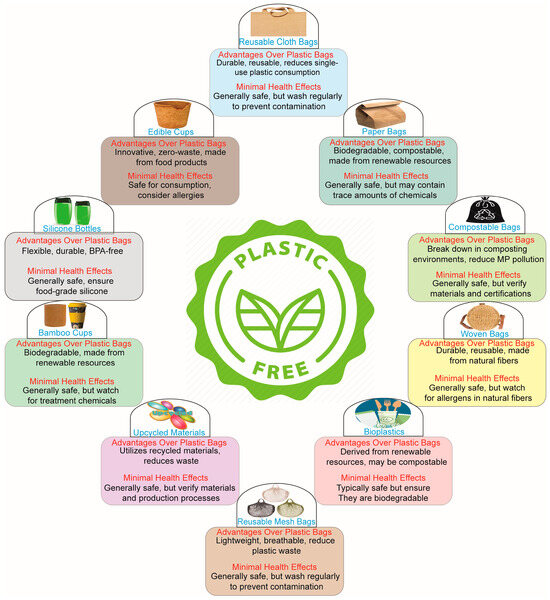
Support brands that use no or minimal plastic. These companies often use sustainable materials and care about the planet.
Research brands before buying. Pick those that commit to plastic-free packaging and ethical production.
- Look for certifications or labels about plastic-free packaging
- Choose brands that use biodegradable or compostable materials
- Buy from local producers who use less packaging
Credit: www.mdpi.com
Changing Home Practices
Reducing plastic use starts at home. Small changes can lower plastic waste a lot. Simple habits help protect the environment.
Focus on daily routines. Look for easy ways to cut plastic in your kitchen and bathroom.
Reducing Single-use Products
Single-use plastics cause much waste. Replace them with reusable options to save resources and money.
- Use cloth bags instead of plastic ones for shopping
- Carry a refillable water bottle
- Choose products with minimal packaging
- Avoid plastic straws and cutlery
- Use glass or metal containers for food storage
Composting And Recycling
Sorting waste reduces landfill impact. Composting food scraps cuts plastic bag use for trash.
| Waste Type | How to Dispose |
| Food scraps | Compost in backyard or bin |
| Plastic bottles | Rinse and place in recycling bin |
| Paper and cardboard | Flatten and recycle |
| Plastic bags | Reuse or take to special collection points |
Diy Cleaning And Personal Care
Making your own products avoids plastic packaging. It also uses natural ingredients that are safer.
Try these DIY recipes:
- All-purpose cleaner:Mix vinegar, water, and lemon juice in a spray bottle.
- Body scrub:Combine sugar, coconut oil, and a few drops of essential oil.
- Shampoo bar:Use solid soap bars instead of bottled shampoo.
Community And Workplace Actions
Reducing plastic use takes teamwork. Communities and workplaces can make big changes.
Simple actions by groups help cut plastic waste and protect the environment.
Organizing Cleanups
Cleanups remove plastic trash from parks, streets, and waterways. They keep places safe and clean.
- Plan a cleanup day with neighbors or coworkers
- Bring gloves, bags, and recycling bins
- Sort collected trash into recyclables and landfill waste
- Share your results to inspire others
Promoting Plastic-free Policies
Workplaces and communities can create rules to cut plastic use. These rules help everyone follow good habits.
| Policy | Description | Benefit |
| Ban single-use plastics | Stop using plastic straws and bags | Less plastic waste |
| Use reusable containers | Encourage refillable bottles and lunch boxes | Reduce plastic packaging |
| Provide recycling bins | Make sorting plastic easy and clear | Improve recycling rates |
Educating Others
Teaching people about plastic harm helps change habits. Education spreads awareness fast.
Try these education ideas:
- Host talks or workshops on plastic pollution
- Share tips on social media or newsletters
- Display posters about plastic alternatives
- Encourage schools to include plastic topics in lessons
Credit: www.suntory.com
Tracking Progress And Staying Motivated
Reducing plastic use is important for the environment. Tracking your progress helps you see how much you improve. Staying motivated keeps you on the right path.
By checking your efforts regularly, you can find ways to do better. Small wins give you energy to continue your goal.
Setting Realistic Goals
Set clear and simple goals you can reach. Avoid goals that are too hard or too easy. This keeps you focused and confident.
Start with small steps like using reusable bags or avoiding plastic straws. Then increase your goals as you get better.
- Use a reusable bottle instead of plastic ones
- Carry cloth bags for shopping
- Say no to plastic straws and utensils
- Buy products with less plastic packaging
Measuring Impact
Keep track of how much plastic you avoid. Write down what you use and what you skip. This shows your real impact.
You can measure by counting plastic items saved or the weight of plastic waste reduced. This helps you understand your progress better.
- Note plastic bottles you replace with reusable ones
- Track plastic bags you avoid each week
- Record plastic packaging you refuse
- Estimate total plastic waste saved monthly
Celebrating Successes
Reward yourself for small wins to stay motivated. Celebrate each goal you reach. This keeps your spirits high.
Share your success with friends or family. This builds support and encourages others to join you.
- Give yourself a small treat for each goal
- Share your progress on social media or with friends
- Set new challenges after celebrating
- Join groups that focus on reducing plastic
Frequently Asked Questions
How Can I Reduce Plastic Usage At Home?
Start by using reusable bags, bottles, and containers. Replace plastic wrap with beeswax wraps or glass jars. Opt for bulk buying to minimize packaging. Choose products with minimal or biodegradable packaging. Recycling is important, but reducing plastic use is even better for the environment.
What Are Sustainable Alternatives To Plastic?
Consider bamboo, glass, stainless steel, and silicone as alternatives. These materials are durable and often biodegradable. Use cloth bags instead of plastic ones. Opt for wooden or metal utensils. Choose products labeled as compostable or biodegradable to minimize your environmental footprint.
How Does Reducing Plastic Help The Environment?
Reducing plastic usage decreases pollution and conserves resources. It minimizes waste in landfills and oceans, protecting wildlife. By using less plastic, you contribute to a healthier ecosystem. This helps combat climate change by reducing fossil fuel consumption used in plastic production.
What Are Easy Steps To Reduce Plastic Daily?
Carry a reusable water bottle and shopping bag. Avoid single-use plastics like straws and utensils. Buy in bulk to reduce packaging. Choose products with minimal or eco-friendly packaging. Implementing these small changes can significantly decrease your daily plastic footprint.
Conclusion
Reducing plastic use helps protect our planet’s health. Small changes matter a lot. Choose reusable bags, bottles, and containers. Avoid single-use plastics whenever possible. Support brands that use eco-friendly packaging. Teach others about the benefits of less plastic. Together, these actions create a cleaner environment.
The effort is simple and worth it. Start today for a better tomorrow.