
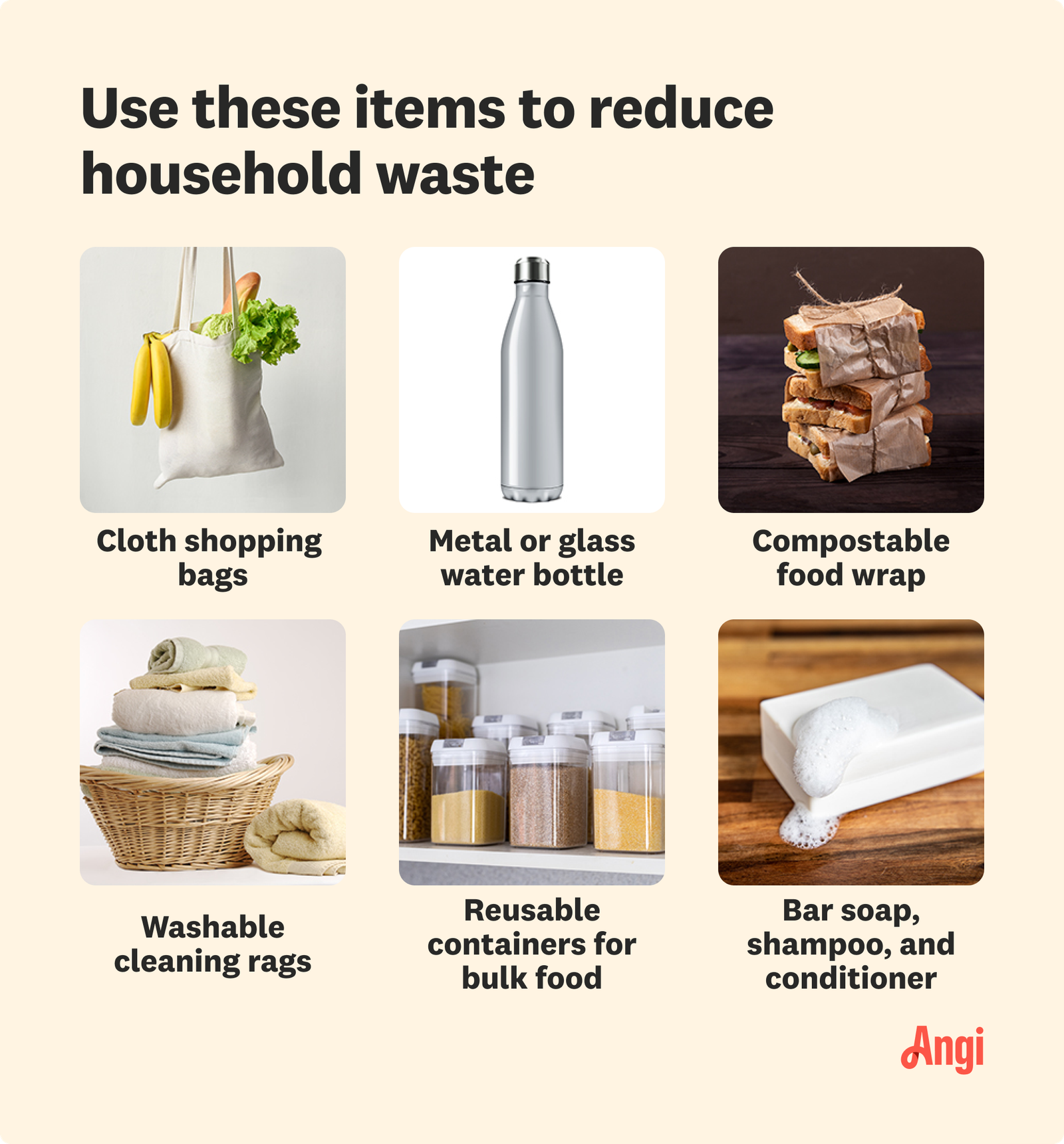
Are you tired of constantly running out of kitchen paper and watching it pile up in the trash? Reducing kitchen paper waste is easier than you think, and it can save you money while helping the environment.
Imagine cutting down on clutter and making your kitchen cleaner and greener at the same time. You’ll discover simple, practical tips that fit right into your daily routine. Keep reading to find out how small changes in your kitchen habits can make a big difference for you and the planet.
Sources Of Kitchen Paper Waste
Kitchen paper waste is a common problem in many homes. Understanding its sources can help reduce it effectively.
Most kitchen paper is used for cleaning and cooking tasks. It is often seen as a convenient option.
Common Uses Of Kitchen Paper
Kitchen paper is used for many tasks. It is often found in cleaning routines.
- Wiping spills and stains
- Drying hands and surfaces
- Absorbing excess oil from food
- Covering dishes in the microwave
Impact On Environment
Kitchen paper waste affects the environment. It contributes to deforestation and pollution.
Reducing kitchen paper use can help. It lessens the demand for paper production.
- Reduces landfill waste
- Conserves natural resources
- Decreases carbon footprint

Credit: berkeleyca.gov
Smart Shopping Choices
Reducing kitchen paper waste starts with smart shopping. Choosing the right products helps cut down trash.
Simple changes at the store can save resources and money. Think about what you buy and how it is packed.
Choosing Reusable Alternatives
Reusable kitchen items lower paper waste. Cloth towels and napkins can replace paper towels.
Use washable sponges and dishcloths instead of single-use wipes. These last longer and save waste.
- Cloth towels for drying hands and dishes
- Fabric napkins for meals
- Reusable kitchen sponges or scrubbers
- Beeswax wraps instead of paper towels
Buying In Bulk To Reduce Packaging
Buying large amounts lowers packaging waste. Bulk items use less paper and plastic packaging.
Bring your own containers to stores that allow bulk buying. This cuts down on paper and plastic bags.
- Buy bulk flour, sugar, and rice in refillable bags
- Choose large bottles of cooking oil or sauces
- Pick bulk nuts and dried fruits in reusable jars
- Use refill stations for cleaning supplies
Practical Kitchen Habits
Reducing kitchen paper waste helps save money and the environment. Small changes in daily habits can make a big difference.
Using reusable items in the kitchen lowers the need for paper towels. This guide focuses on easy ways to cut down paper waste.
Using Cloth Towels And Napkins
Cloth towels and napkins replace paper towels for many kitchen tasks. They can be washed and used again many times.
Keep a few cloth towels handy near the sink. Use them to dry hands, clean spills, or wipe surfaces. This reduces the use of disposable paper towels.
- Choose soft, absorbent cloth towels for easy cleaning
- Assign different colors for specific tasks to avoid cross-contamination
- Wash cloth towels regularly to keep them fresh and clean
- Use cloth napkins for meals instead of paper ones
Proper Use Of Reusable Sponges And Scrubbers
Reusable sponges and scrubbers last longer than paper towels. Use them to clean dishes, counters, and spills.
Rinse sponges after use and let them dry well. This prevents bacteria growth and keeps them fresh for longer.
- Replace sponges every few weeks to keep hygiene
- Use scrubbers for tough stains to avoid paper towels
- Sanitize sponges by microwaving or soaking in vinegar
- Keep different sponges for dishes and surfaces
Creative Reuse Ideas
Reducing kitchen paper waste helps save money and protect the environment. Using creative ways to reuse paper towels can cut down on trash.
Simple habits and smart ideas make a big difference. Here are some ways to reuse and compost kitchen paper waste.
Repurposing Used Paper Towels
Used paper towels can still serve many purposes before throwing them away. They work well for cleaning small spills or wiping outdoor plants.
Keep a container for used paper towels that are not too dirty. Use them again for tasks like polishing shoes or cleaning tools.
- Dry wet surfaces or spills
- Wipe dirt off gardening tools
- Clean muddy shoes or boots
- Use as a base for crafts or painting
Composting Kitchen Paper Waste
Kitchen paper towels that are free from chemicals or grease can be composted. They add carbon to compost piles and break down quickly.
Shred the paper towels before adding them. Mix well with food scraps and yard waste for best results.
- Use paper towels without harsh cleaners
- Shred or tear into small pieces
- Add to compost bin with green waste
- Turn compost regularly to speed breakdown
Storage And Maintenance Tips
Reducing kitchen paper waste starts with proper storage and care. Keeping reusable items clean and organized helps you use them longer.
Good habits in storage and maintenance prevent damage and waste. This saves money and helps the environment.
Keeping Reusable Items Clean
Clean reusable kitchen cloths and towels regularly to avoid stains and smells. Use mild soap and warm water for washing.
Dry them completely before storing. This stops mold and keeps the cloths fresh for the next use.
- Wash cloths after each use
- Air dry to avoid mildew
- Store in a dry, clean place
- Replace cloths when worn out
Organizing To Minimize Waste
Keep reusable items in easy-to-reach places. This makes them your first choice instead of paper towels.
Use containers or baskets to sort cloths by use. This helps you find the right item quickly and avoid using extra paper.
- Label storage containers clearly
- Separate cloths by type or size
- Store near the sink or cooking area
- Check stock often to avoid overbuying
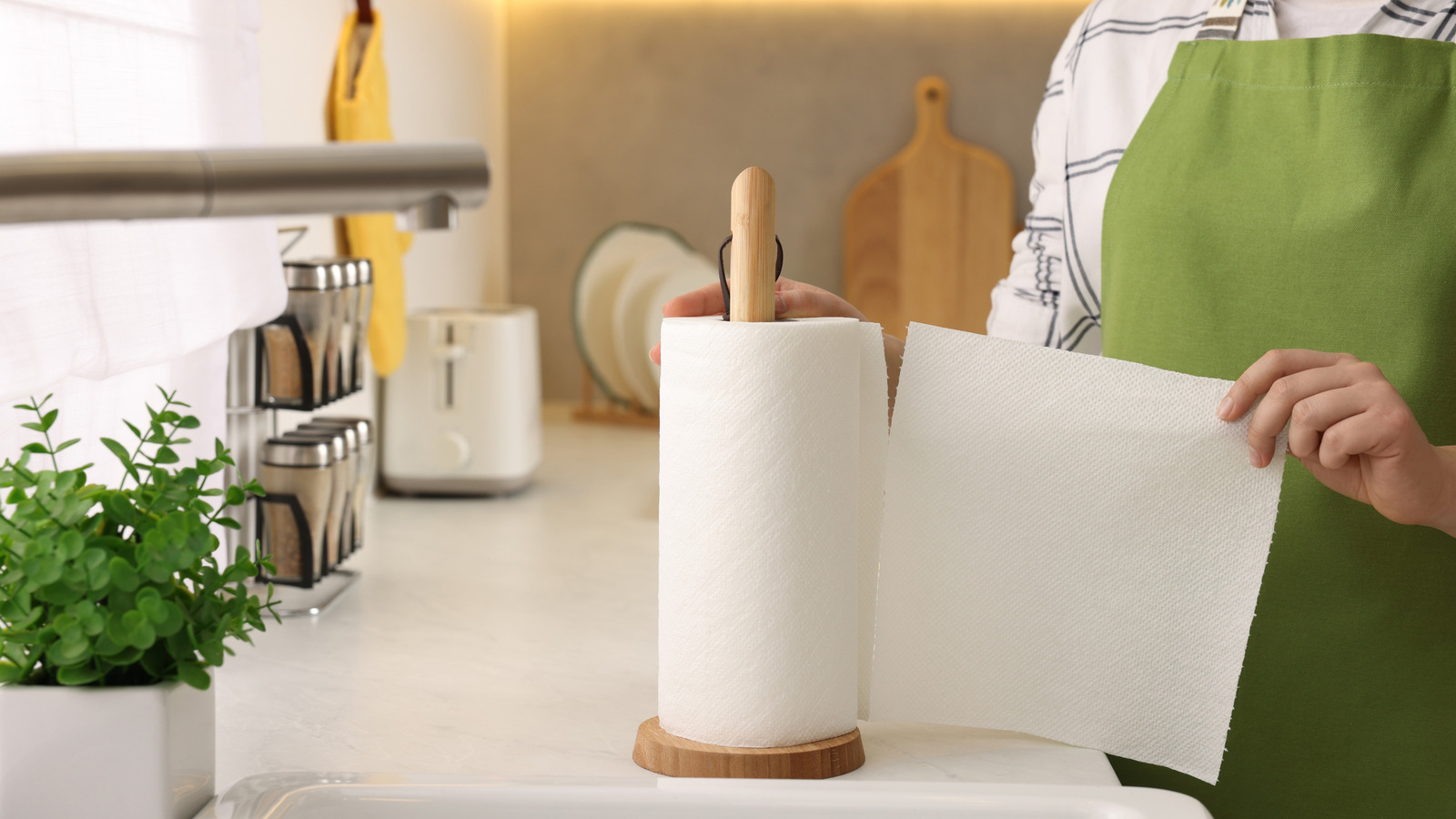
Credit: www.housedigest.com
Engaging The Whole Household
Reducing kitchen paper waste helps save money and protect the planet. Everyone in the home can join in to make a difference.
Working together makes it easier to build good habits. It also creates a sense of teamwork and shared responsibility.
Teaching Sustainable Habits
Start by showing everyone how to use less paper in the kitchen. Explain why saving paper matters for the environment.
Practice small changes like using cloth towels instead of paper towels. Teach how to clean and reuse cloth wipes safely.
- Use reusable cloths for spills and cleaning
- Cut paper towels in half to use less
- Recycle used paper when possible
- Choose products with less packaging
Making Waste Reduction A Family Goal
Set a clear family goal to reduce paper waste in the kitchen. Make it a fun challenge with rewards for progress.
Track how much paper is saved weekly. Praise each family member for their good habits and ideas.
- Create a chart to show paper use each week
- Discuss ideas at family meetings
- Celebrate milestones with a special meal or activity
- Encourage everyone to share their tips

Credit: buildingafoodforestscotland.com
Frequently Asked Questions
How Can I Minimize Kitchen Paper Towel Usage?
Use reusable cloth towels or sponges instead of paper towels. Opt for washable kitchen rags for cleaning and spills. This reduces waste and saves money. Also, use paper towels only when necessary to cut down overall consumption.
What Are Eco-friendly Alternatives To Kitchen Paper Towels?
Consider bamboo or cotton reusable towels. These options are biodegradable and durable. You can also use washable microfiber cloths for cleaning. They offer an effective, sustainable solution for reducing paper waste in the kitchen.
How To Compost Used Kitchen Paper Towels?
Ensure paper towels are free from chemicals or oils. Tear them into small pieces and add to your compost bin. They break down quickly and enrich soil. Avoid composting towels with synthetic substances to keep compost healthy.
Can I Recycle Kitchen Paper Towels?
Most used kitchen paper towels are not recyclable due to contamination. Check local recycling guidelines for specific rules. Prefer composting or using reusable cloths to reduce waste. Recycling is usually not the best option for soiled paper towels.
Conclusion
Reducing kitchen paper waste helps save money and protect the planet. Use cloth towels or reusable napkins instead of paper. Clean spills quickly to avoid using extra sheets. Store paper properly to keep it dry and last longer. Small changes make a big difference over time.
Start with one step today and build good habits. Waste less, live smarter, and help the environment. Everyone can play a part in cutting down paper use. Together, these efforts create a cleaner, greener kitchen space.