
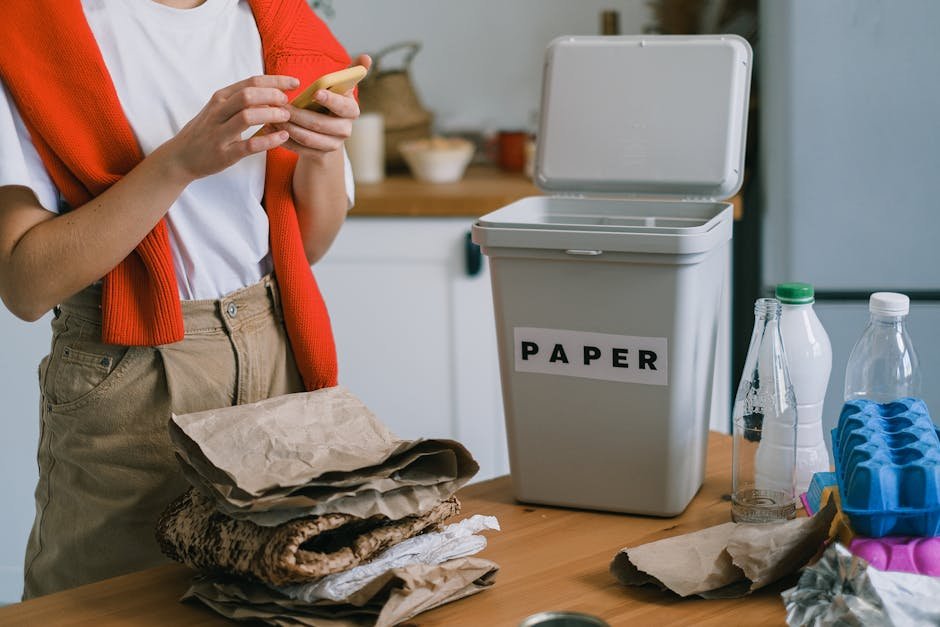
Are you tired of constantly running out of kitchen paper and watching your bills go up? Reducing your kitchen paper usage doesn’t have to be a struggle.
Imagine saving money, cutting down waste, and keeping your kitchen just as clean—all at the same time. You’ll discover simple, smart ways to use less kitchen paper without sacrificing convenience. Keep reading, and you’ll find easy tips that fit right into your daily routine, helping you make a real difference starting today.
Credit: www.familyhandyman.com
Benefits Of Cutting Paper Towel Use
Reducing kitchen paper usage is good for the environment. It also helps save money and keeps the kitchen clean.
Many households can benefit from using fewer paper towels. It is an easy step towards a more sustainable lifestyle.
Environmental Impact
Cutting down on paper towels means using fewer trees. This helps preserve forests and wildlife habitats.
Less paper waste means less trash in landfills. This reduces pollution and helps keep the planet cleaner.
- Fewer trees cut down
- Less landfill waste
- Reduced pollution
Cost Savings
Using fewer paper towels means buying less often. This saves money over time.
Reusable cloths can last a long time. They are an economical choice for any household.
- Spend less on paper towels
- Invest in durable cloths
- Lower household expenses
Kitchen Cleanliness
Reusable cloths are often more absorbent than paper towels. They can clean spills more effectively.
Cloths can be washed and reused. This keeps the kitchen tidy and reduces waste.
- Better spill absorption
- Reusable and washable
- Less kitchen waste
Credit: www.rd.com
Choosing Alternatives To Paper Towels
Reducing kitchen paper use helps save money and the environment. Using alternatives keeps your kitchen clean without waste.
Many reusable options work well for cleaning and drying tasks. These alternatives last longer and cut down on trash.
Reusable Cloths And Towels
Reusable cloths and towels replace paper towels for many kitchen jobs. They are soft, absorbent, and easy to wash.
You can use cotton or linen cloths for wiping spills and drying dishes. Keep a few clean cloths handy for daily use.
- Use cloth towels for drying hands and dishes
- Keep separate cloths for cleaning surfaces
- Wash cloths regularly to keep them fresh
Microfiber Cloths
Microfiber cloths clean well without chemicals. They pick up dirt and grease easily with just water.
These cloths dry fast and last for many washes. They are great for wiping counters, appliances, and glass.
- Use damp microfiber cloths for cleaning surfaces
- Rinse and air dry after use
- Replace cloths when they lose softness
Sponges And Scrubbers
Sponges and scrubbers handle tough messes without paper towels. They work well for washing dishes and scrubbing pans.
Choose reusable sponges that can be cleaned in the dishwasher or microwave. This helps keep them germ-free.
- Use sponges for washing dishes and wiping spills
- Scrubbers help remove stuck-on food
- Clean sponges often to prevent odors
Smart Kitchen Habits To Save Paper
Using less kitchen paper helps the environment and saves money. Simple changes in daily habits can reduce paper waste.
By using tools and smart cleaning ways, you can keep your kitchen tidy without using too many paper towels.
Spot Cleaning Instead Of Wiping
Clean small spills right away with a damp cloth or sponge. This stops stains from spreading and avoids using many paper towels.
Spot cleaning is faster and uses less paper than wiping large areas repeatedly.
Using Scrapers And Brushes
Use scrapers to remove food scraps from plates before washing. This reduces the need for paper towels to wipe dishes.
Brushes help clean pots and pans well without extra paper. They are reusable and last long.
- Use a plastic or metal scraper for stuck food
- Choose brushes with sturdy bristles for tough cleaning
- Clean brushes regularly to keep them effective
Drying Dishes Naturally
Let dishes air dry on a rack instead of using paper towels. This saves lots of paper and reduces waste.
Air drying is hygienic and helps keep dishes spotless without extra effort.
Proper Maintenance Of Reusables
Using reusable kitchen cloths helps cut down paper towel waste. Keeping them clean and in good shape makes them last longer.
Proper care prevents bacteria buildup and keeps your kitchen safe. Follow simple tips to maintain your reusable kitchen cloths well.
Washing And Sanitizing
Wash reusable cloths often to avoid smells and germs. Use hot water and a good detergent for cleaning.
Sanitize cloths regularly by soaking them in a mild bleach solution or using vinegar. This kills bacteria and keeps cloths safe.
- Wash cloths after each use
- Use hot water and soap
- Sanitize weekly with bleach or vinegar
- Dry cloths completely before storing
Storage Tips
Store reusable cloths in a dry, clean place. Avoid damp spots to stop mold and mildew growth.
Keep cloths folded or hung to help them dry faster. Use containers or hooks to organize them neatly.
- Keep cloths in a dry cabinet or drawer
- Hang cloths on hooks for air circulation
- Use breathable containers to avoid moisture
- Separate clean cloths from dirty ones
Replacing When Needed
Check cloths regularly for holes or stains that won’t come out. Replace worn cloths to keep your kitchen clean.
Using old cloths can spread germs. Swap them out to maintain hygiene and reduce paper use effectively.
- Inspect cloths weekly for damage
- Replace cloths with large holes or tough stains
- Keep a few spare cloths for quick swaps
- Recycle or compost old cloths if possible
Creative Paper Towel Alternatives
Using less kitchen paper helps save money and reduces waste. You can choose other options that work well for cleaning and drying.
Try new materials that are eco-friendly and easy to clean. These choices keep your kitchen tidy without extra trash.
Old Clothes And Rags
Old clothes can be cut into pieces and used as rags. They soak up spills and wipe surfaces without throwing away paper.
Choose soft fabrics like cotton for best results. These rags can be washed and reused many times.
- Use old t-shirts or towels
- Cut them into small squares
- Wash after use to keep clean
- Store in a basket for easy access
Bamboo Towels
Bamboo towels are strong and absorbent. They dry quickly and last longer than regular paper towels.
You can wash and reuse them many times. Bamboo grows fast, so it is a greener choice for your kitchen.
- Highly absorbent and durable
- Machine washable and reusable
- Made from sustainable bamboo plants
- Soft and gentle on surfaces
Compostable Options
Compostable towels break down naturally after use. They help reduce landfill waste and are safe for compost bins.
Look for towels made from plant fibers like sugarcane or bamboo. These options work like paper but are better for the planet.
- Made from natural plant materials
- Break down quickly in compost
- Good for wiping and cleaning
- Reduce plastic and paper waste
Tips For Efficient Paper Towel Use
Using kitchen paper towels wisely helps save money and reduces waste. Small changes in how you use them make a big difference.
These tips focus on folding, using both sides, and limiting the amount you use each time.
Folding Techniques
Folding paper towels increases their strength and absorbency. Fold towels into smaller sections before use to clean better.
Try folding towels into quarters or thirds to create thicker layers. This helps absorb spills with fewer sheets.
- Fold towels before use to add thickness
- Use smaller folded sections for light cleaning
- Refold to use clean parts on sticky messes
Using Both Sides
Use both sides of a paper towel before throwing it away. Flip the towel to clean with the fresh side.
This simple habit cuts the number of towels you use in half. It helps the environment and saves money.
- After one side is dirty, turn the towel over
- Use the clean side for less messy tasks
- Keep a small stack of used towels for dry cleaning
Limiting Quantity Per Use
Take only what you need. Avoid grabbing too many paper towels at once.
Use fewer sheets by focusing on the mess area and pressing gently. This reduces waste and cost.
- Use one or two sheets for small spills
- Grab more only if needed for bigger messes
- Keep a roll nearby to avoid overuse

Credit: seekbamboo.com
Frequently Asked Questions
How Can I Reduce Kitchen Paper Towel Waste?
Use reusable cloth towels or microfiber cloths instead of paper towels. Choose washable kitchen towels for cleaning and drying tasks. This reduces waste and saves money over time. Also, use paper towels only when necessary to minimize consumption.
What Are Eco-friendly Alternatives To Kitchen Paper Towels?
Consider using bamboo towels, cloth napkins, or washable sponges. These options are sustainable and reusable. They help cut down on single-use paper products. Choosing eco-friendly alternatives supports environmental conservation efforts effectively.
How To Use Kitchen Paper Towels More Efficiently?
Use smaller pieces of paper towel for minor spills. Fold towels to maximize absorption before discarding. Avoid using paper towels for tasks suited to reusable cloths. Efficient use reduces paper waste and lowers kitchen costs.
Can Kitchen Paper Usage Impact The Environment?
Yes, excessive use increases deforestation and landfill waste. Paper production consumes water and energy, contributing to pollution. Reducing paper towel use helps conserve natural resources and lowers your carbon footprint significantly.
Conclusion
Reducing kitchen paper use saves money and helps the environment. Try cloth towels for spills and reuse paper when possible. Small changes add up to big results over time. Keep easy habits to waste less paper daily. Everyone can make a difference with simple steps.
Start today and see how much you save. Less paper means a cleaner, greener kitchen too.