
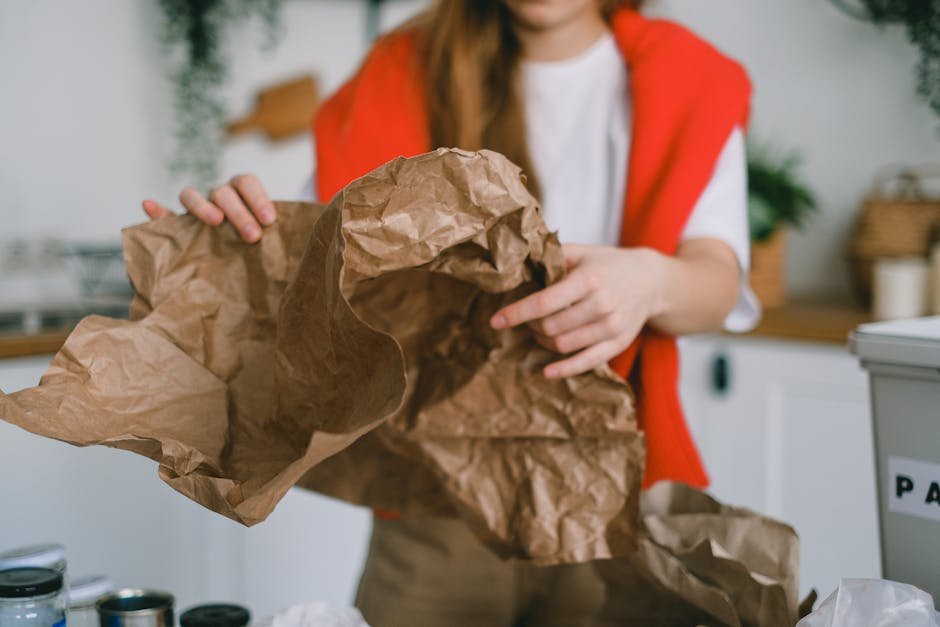
Are you tired of constantly running out of kitchen paper and watching your bills rise? Cutting down on kitchen paper usage isn’t just good for your wallet—it’s a simple way to help the environment too.
Imagine saving money while keeping your kitchen clean and efficient. You’ll discover easy, practical tips that fit right into your daily routine. By making small changes, you can reduce waste without feeling like you’re sacrificing convenience. Keep reading to find out how you can start saving today.

Credit: seekbamboo.com
Benefits Of Cutting Down Kitchen Paper
Using less kitchen paper helps save money and reduce waste. It also protects the environment by lowering the demand for paper production.
Small changes in kitchen paper use can make a big difference in your home and the planet.
Save Money On Household Expenses
Cutting back on kitchen paper reduces the money spent on buying paper towels and napkins. Using cloth towels or reusable wipes can cut costs further.
Protect The Environment
Less kitchen paper means fewer trees are cut down. Paper production uses water and energy, so using less helps save natural resources.
- Reduces deforestation
- Lowers water consumption
- Decreases energy use
- Reduces waste in landfills
Reduce Waste And Clutter
Using less kitchen paper means less trash to take out. It helps keep your kitchen cleaner and more organized.
| Benefit | Impact |
| Less Trash | Cleaner Kitchen |
| Lower Costs | More Savings |
| Resource Saving | Better Environment |

Credit: www.aol.com
Switch To Reusable Alternatives
Using reusable items in the kitchen helps cut down on paper waste. It saves money and protects the environment.
Simple swaps can make a big difference in how much kitchen paper you use every day.
Cloth Towels And Napkins
Cloth towels and napkins can replace paper towels easily. They are soft, absorbent, and washable.
Use them for drying hands, wiping spills, and cleaning surfaces. After use, wash and reuse them many times.
- Choose cotton or linen for good absorbency
- Keep a set near the sink and table
- Wash regularly to keep them fresh
Silicone And Microfiber Cloths
Silicone cloths and microfiber cloths work well for cleaning kitchen messes. They last longer than paper towels.
Silicone cloths can be rinsed and reused many times. Microfiber cloths trap dirt and grease effectively.
- Silicone cloths resist stains and odors
- Microfiber cloths dry quickly after washing
- Both types reduce waste and save money
Smart Cleaning Techniques
Reducing kitchen paper use helps save money and protects the environment. Smart cleaning methods can lower waste without extra effort.
Use the right tools and techniques to clean efficiently. This keeps your kitchen tidy and cuts down on paper towel use.
Use Scrapers And Sponges
Scrapers and sponges remove food and spills without paper towels. They are reusable and easy to clean. Use scrapers to lift stuck food from pans and counters.
- Use plastic or silicone scrapers for sticky messes
- Choose sponges with scrubbing sides for tough stains
- Rinse and dry sponges after use to prevent odor
- Wash sponges regularly in hot water or the dishwasher
- Keep scrapers in the kitchen for quick cleanups
Adopt Proper Wiping Methods
Wiping properly reduces waste and cleans surfaces better. Use damp cloths or reusable towels instead of paper. Wipe in one direction to avoid spreading dirt.
| Wiping Method | Benefits |
| Use damp cloth | Removes dirt without paper |
| Wipe in one direction | Prevents spreading mess |
| Reuse cloths after washing | Reduces waste and cost |
| Dry surfaces with microfiber | Leaves no streaks or lint |
Optimize Paper Towel Usage
Using fewer kitchen paper towels helps save money and reduce waste. Small changes in how you use paper towels make a big difference.
This guide shows easy ways to use paper towels more efficiently in your kitchen.
Choose Quality Over Quantity
Pick thicker, stronger paper towels. They absorb more liquid and last longer. Using good quality towels means you use fewer sheets.
- Look for towels with more plies (layers).
- Choose towels labeled as “strong” or “extra absorbent.”
- Test a towel by wetting it to see how much it absorbs.
- A single strong towel can replace two or three weak ones.
Fold Instead Of Crumple
Folding paper towels uses less material than crumpling. It creates more surface area to clean spills or dry hands efficiently.
| Folding | Crumpling |
| Uses fewer sheets | Uses more sheets |
| Spreads absorbency evenly | Absorbs unevenly |
| Less waste produced | More waste produced |
| Easier to control amount used | Hard to control amount used |
Repurpose Kitchen Paper
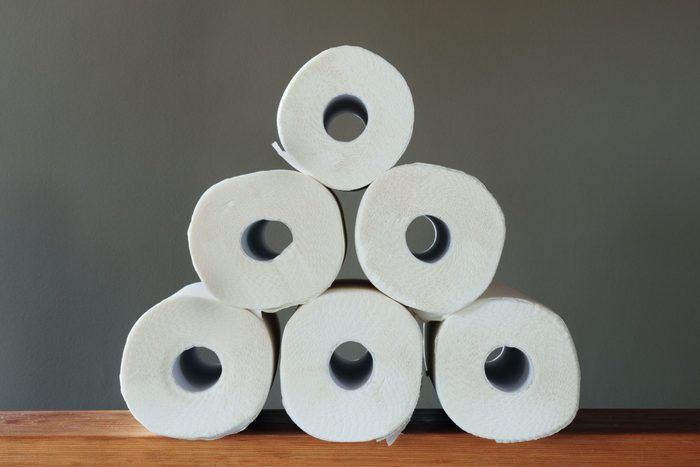
Kitchen paper towels are useful but can create waste quickly. You can reduce waste by repurposing used kitchen paper. This helps save money and protects the environment.
Learn simple ways to reuse kitchen paper instead of throwing it away after one use. Small changes can make a big difference in your daily routine.
Composting Used Towels
Used kitchen paper towels that are not soaked with grease or chemicals can go into your compost bin. Composting helps turn waste into useful soil for plants.
- Check if the paper is free from harsh chemicals or oils.
- Tear the towels into small pieces to speed up composting.
- Mix the paper with green waste like vegetable scraps.
- Keep the compost moist and turn it regularly.
- Avoid composting paper with synthetic dyes or plastics.
Reuse For Light Cleaning Tasks
Used kitchen paper towels can be reused for small cleaning jobs around the house. This saves fresh paper and reduces waste.
| Task | How to Use Used Paper |
|---|---|
| Dusting | Fold and lightly dampen paper to wipe surfaces. |
| Cleaning windows | Use slightly wet paper to clean glass and mirrors. |
| Wiping spills | Use paper that is still absorbent but not too dirty. |
| Cleaning small stains | Apply gentle pressure with reused paper and mild cleaner. |
Credit: www.rd.com
Encourage Family Participation
Reducing kitchen paper use is easier with everyone’s help. Family members can share ideas and remind each other to save paper.
Involving the whole family makes the effort more fun and effective. Each person can take small steps to use less paper towels.
Set Usage Guidelines
Create simple rules for using kitchen paper. These rules help everyone know when and how to use paper towels wisely.
- Use cloth towels for drying hands when possible
- Limit paper towel sheets to one or two per use
- Reuse paper towels if they are not too dirty
- Keep paper towels in a place where they are easy to see and monitor
- Assign a family member to check the paper towel supply weekly
Create Awareness On Waste
Teach family members about the impact of wasting paper towels. Show how small changes can reduce trash and save money.
| Waste Type | Impact |
| Kitchen paper waste | Increases trash volume and uses more trees |
| Excessive paper towel use | Raises household costs |
| Reusing cloth towels | Reduces waste and saves money |
Eco-friendly Purchasing Choices
Reducing kitchen paper use helps protect the environment. Choosing eco-friendly products supports this goal.
Making smart buying choices can lower waste and save resources. Focus on sustainable brands and smart packaging.
Select Sustainable Brands
Pick kitchen paper brands that use recycled materials. These brands often use less water and energy.
Look for certifications that show eco-friendly practices. This helps you trust the brand’s green claims.
- Choose products with recycled fiber content
- Find brands with eco-certifications like FSC or Green Seal
- Support companies that use renewable energy
Buy In Bulk To Reduce Packaging
Buying large packs of kitchen paper cuts down on packaging waste. Less packaging means less trash.
Bulk buying also lowers the carbon footprint from shipping. It reduces how often you need to shop.
- Choose multi-roll packs over single rolls
- Look for minimal or recyclable packaging
- Store bulk items properly to keep them fresh
Frequently Asked Questions
How Can I Reduce Kitchen Paper Waste?
To reduce kitchen paper waste, use cloth towels instead of paper towels. Opt for reusable cleaning cloths for spills and wiping surfaces. Compost kitchen paper waste when possible. Choose products made from recycled materials. Implement these practices to effectively minimize waste and promote sustainability in your kitchen.
What Alternatives Exist To Paper Towels?
Consider using microfiber cloths, bamboo towels, or cotton rags as sustainable alternatives. These options are reusable and highly absorbent. They can be washed and reused multiple times, reducing waste significantly. Incorporate these alternatives into your kitchen routine for an eco-friendly approach to cleaning and maintenance.
Are There Eco-friendly Paper Towel Brands?
Yes, several brands offer eco-friendly paper towels. Look for brands that use recycled materials and sustainable manufacturing processes. Brands like Seventh Generation, Who Gives a Crap, and Caboo are popular choices. These options help reduce environmental impact while maintaining quality and effectiveness in your kitchen.
How Can I Compost Kitchen Paper Waste?
Compost kitchen paper waste by ensuring it’s free from grease and chemicals. Tear it into small pieces and add to your compost bin. Paper breaks down quickly and adds carbon to your compost. This process enhances soil health, making it a sustainable choice for waste management.
Conclusion
Reducing kitchen paper use saves money and helps the environment. Small changes make a big difference over time. Use cloth towels or reusable napkins instead. Clean spills quickly to avoid wasting paper. Remember, less waste means a cleaner kitchen and planet.
Start with one tip today and build from there. Simple habits lead to lasting results. Keep your kitchen green and efficient every day.