
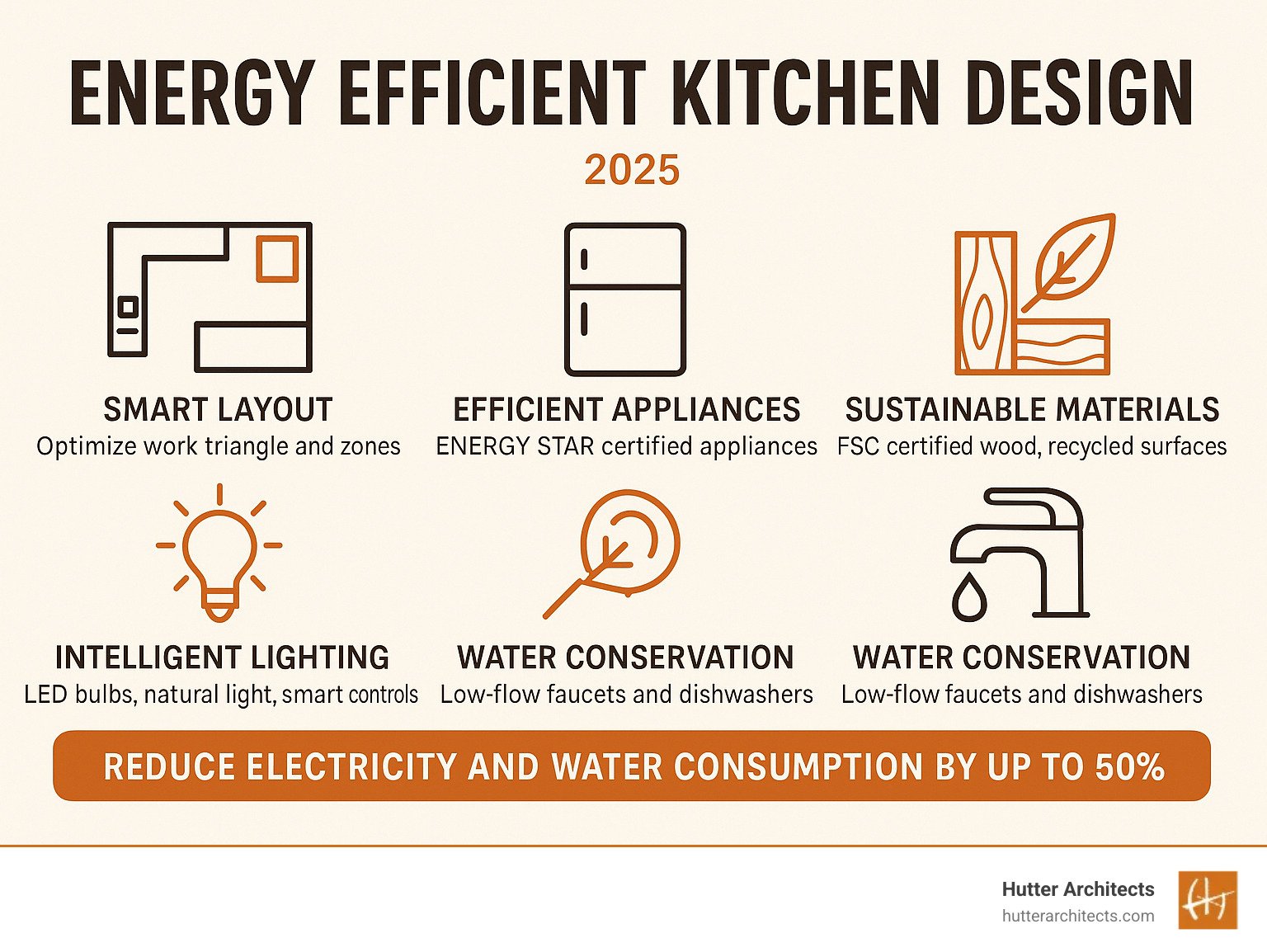
Your kitchen can be one of the biggest energy users in your home, but it doesn’t have to be. Imagine cutting down your energy bills while still enjoying all your favorite meals.
Sounds good, right? You’ll discover simple and effective ways to reduce your kitchen’s energy usage without sacrificing convenience or comfort. Ready to save money and help the environment at the same time? Keep reading to learn how small changes can make a big difference in your kitchen.
Credit: www.woodcocks.us
Cutting Appliance Energy Use
Reducing energy use in the kitchen can save money and help the environment. One way to do this is by cutting down on the energy your appliances use. Here are some tips to help you get started.
Choose Energy-efficient Models
Energy-efficient appliances use less electricity. When buying new kitchen devices, look for the Energy Star label. This ensures the appliance meets energy-saving standards.
- Check the energy rating before buying
- Consider the size you need, bigger uses more energy
- Read reviews for performance and efficiency
Unplug Devices When Idle
Many devices use energy even when turned off. Unplugging them stops this waste. Consider using power strips to make it easier.
- Unplug coffee makers and toasters after use
- Use a power strip for multiple devices
- Turn off lights when leaving the room
Optimize Refrigerator Settings
Your refrigerator is one of the biggest energy users in the kitchen. Setting it at the right temperature can save energy. Keep the fridge at 37°F and the freezer at 0°F for best results.
- Check door seals for leaks
- Keep it full, but not overcrowded
- Clean the coils to maintain efficiency
Credit: www.nestleprofessional.com
Smart Cooking Habits
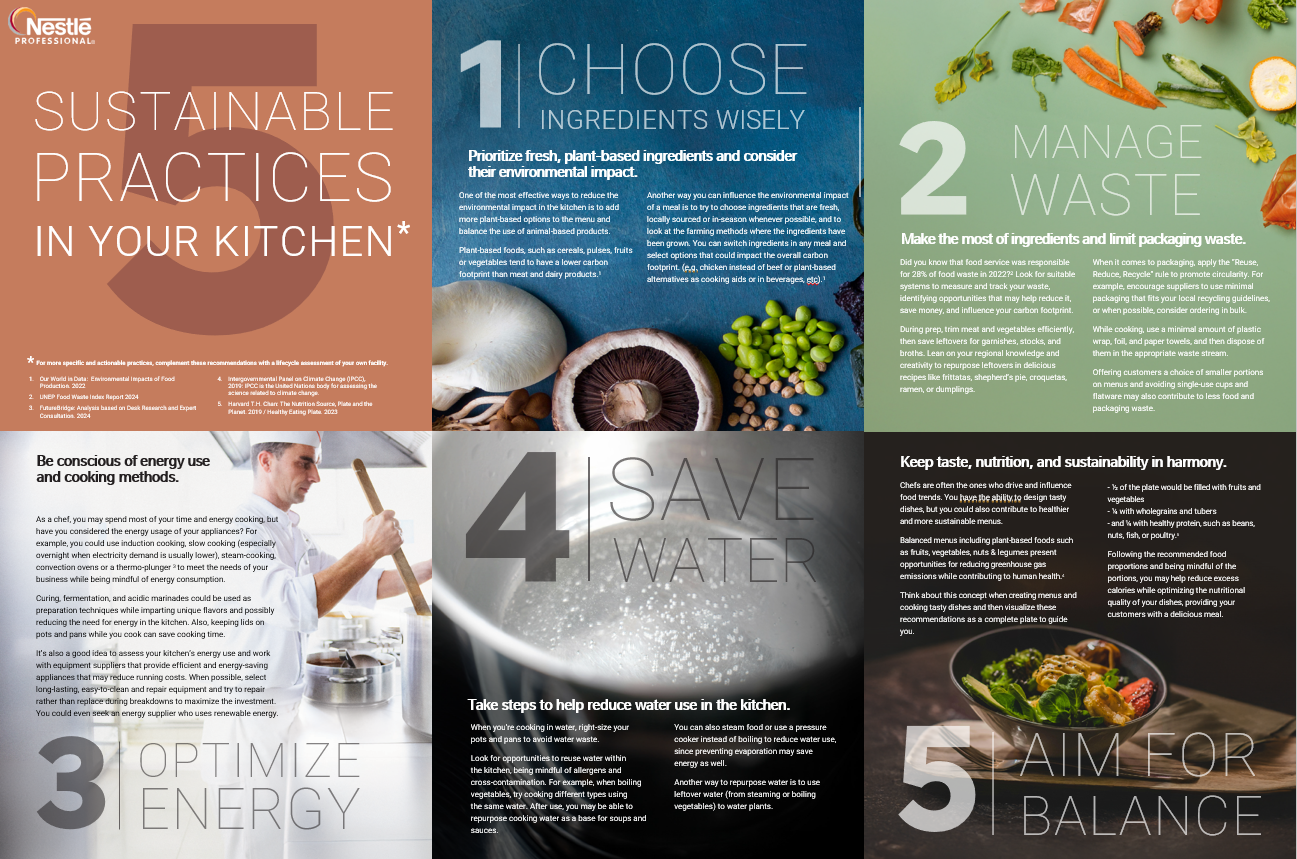
Saving energy in the kitchen helps lower your bills and protects the environment. Small changes in cooking habits can reduce energy use.
Smart cooking means using tools and techniques that cook food faster and use less power. This guide shows easy ways to save energy.
Use Lids To Trap Heat
Cover pots and pans with lids while cooking. Lids trap heat and cook food faster. This reduces the stove’s energy use.
Using lids also keeps moisture in the food. This helps food cook evenly and saves water that might evaporate.
Cook In Batches
Make several meals at once instead of cooking one at a time. Cooking in batches uses the oven or stove less often.
Batch cooking saves energy and time. You can store extra food in the fridge or freezer for later use.
- Prepare large amounts of soups or stews
- Cook multiple dishes together in the oven
- Reheat meals instead of cooking new ones
Utilize Microwave And Toaster Oven
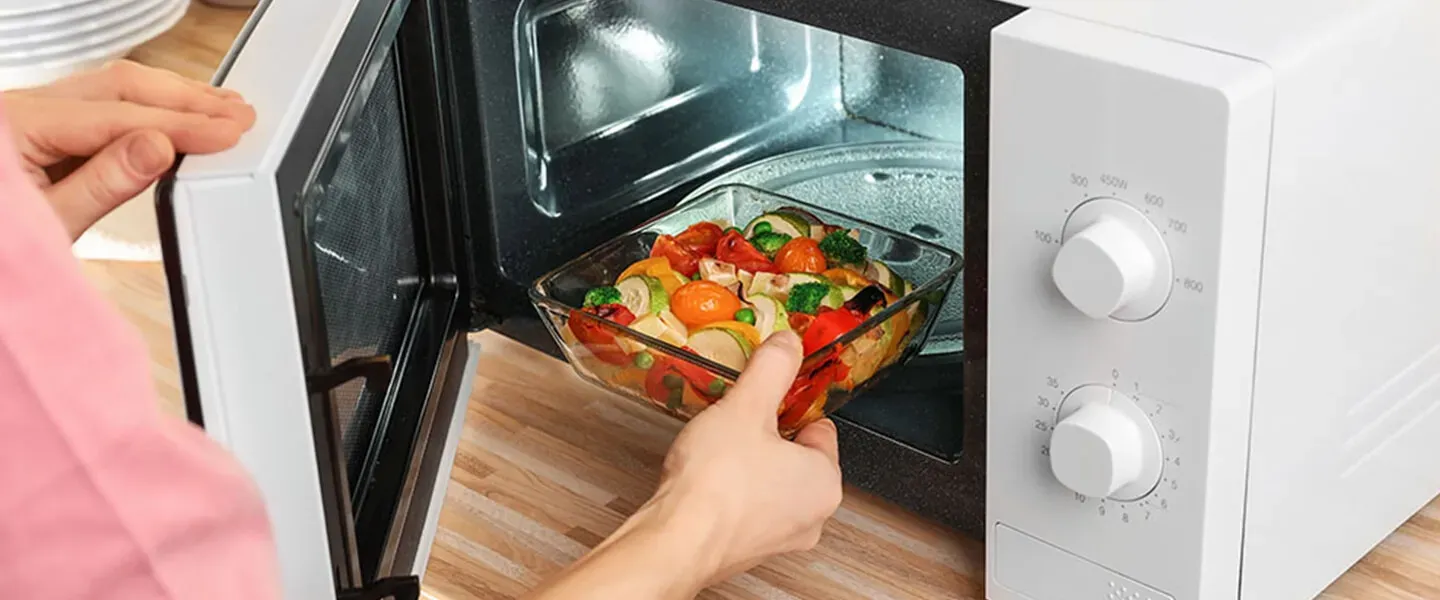
Microwaves and toaster ovens use less energy than full-size ovens. Use them for small meals or reheating food.
These appliances heat food quickly and avoid warming up the whole kitchen. They are perfect for snacks and small dishes.
Lighting And Ventilation Tips
Saving energy in the kitchen helps lower electricity bills. Lighting and ventilation use a lot of power.
Simple changes can reduce energy use and keep your kitchen comfortable.
Switch To Led Bulbs
LED bulbs use less energy than traditional bulbs. They last longer and give good light.
Replacing all kitchen lights with LEDs cuts energy use a lot.
- Use warm white LEDs for a cozy kitchen feel
- Choose bulbs with good brightness (lumens)
- Turn off lights when not needed
Maximize Natural Light
Natural light reduces the need for electric lighting during the day. Open curtains and blinds.
Keep windows clean to let in more sunlight. Arrange the kitchen to use daylight well.
- Use light-colored walls to reflect daylight
- Place work areas near windows
- Trim outdoor plants blocking sunlight
Use Exhaust Fans Wisely
Exhaust fans remove cooking smells and moisture. Run them only as long as needed.
Turn fans off after cooking to save energy. Clean fan filters regularly for better airflow.
- Use fans at low speed when possible
- Open windows to help ventilate without fans
- Check for leaks that waste air
Water Heating And Usage
Heating water in the kitchen uses a lot of energy. Reducing water heating needs saves power and lowers bills.
Saving water also helps reduce energy use. Using less hot water cuts down on energy for heating.
Fix Leaks Promptly
Leaky faucets waste water and energy. A dripping tap keeps heating water that is not used.
Fix leaks quickly to save water and reduce heating costs. Even small drips add up over time.
Use Cold Water When Possible
Many kitchen tasks do not need hot water. Using cold water saves energy by not heating it unnecessarily.
Cold water is good for washing vegetables and rinsing dishes. It keeps energy use low without losing function.
Install Low-flow Fixtures
Low-flow faucets and aerators reduce water flow without lowering performance. They cut water and energy use.
These fixtures save water during cooking and cleaning. They help lower the energy needed to heat water.
- Use faucet aerators to mix air with water
- Choose low-flow kitchen faucets with less gallons per minute
- Install efficient dish spray heads for rinsing
Maintenance For Efficiency
Keeping kitchen appliances well-maintained helps save energy. Simple care can reduce power use and lower bills.
Regular checks and cleaning keep appliances running smoothly. This reduces the effort they need to work.
Clean Refrigerator Coils
Dirty coils make the refrigerator work harder. Dust and dirt block heat from leaving the coils.
Clean coils improve cooling and use less energy. Check coils every six months for dust build-up.
- Unplug the refrigerator before cleaning
- Use a coil brush or vacuum to remove dust
- Clean around the coils and vents
- Keep the area clear to allow airflow
Defrost Freezer Regularly
Ice build-up in freezers lowers efficiency. Thick ice blocks cold air from circulating inside.
Defrost the freezer when ice is about a quarter inch thick. This keeps the freezer working well.
- Turn off and unplug the freezer
- Remove food and store in a cool place
- Let the ice melt naturally or use warm water
- Dry the freezer before plugging it back in
Service Appliances Annually
Annual service checks keep appliances efficient. Experts find and fix small problems early.
Well-serviced appliances use less energy and last longer. Schedule yearly checks for your kitchen devices.
- Check seals on refrigerators and ovens
- Clean or replace filters as needed
- Inspect electrical parts and wiring
- Test appliance performance and energy use

Credit: www.aepenergy.com
Frequently Asked Questions
How Can I Save Energy While Cooking In The Kitchen?
Use energy-efficient appliances and cook with lids on pots. Opt for microwave or pressure cookers to reduce cooking time and energy use.
What Kitchen Appliances Consume The Most Energy?
Refrigerators, ovens, and dishwashers use the most energy. Regular maintenance and energy-efficient models help cut down consumption.
Does Using Led Lighting Reduce Kitchen Energy Usage?
Yes, LED lights use up to 75% less energy than incandescent bulbs. They also last longer, lowering replacement frequency.
How Does Proper Insulation Reduce Kitchen Energy Bills?
Proper insulation keeps the kitchen temperature stable. It reduces heating and cooling needs, saving energy and money.
Conclusion
Saving energy in the kitchen helps your wallet and the planet. Small changes add up to big savings over time. Turn off appliances when not in use. Use lids on pots to cook food faster. Choose energy-efficient devices to lower power use.
Keep your fridge clean and organized for better cooling. These steps make your kitchen greener and cheaper to run. Start today and enjoy a more energy-wise home. Simple habits bring lasting benefits for you and the earth.