
Are you tired of seeing your energy bills rise every month? Your kitchen could be the hidden culprit behind high energy consumption.
But don’t worry—there are simple and effective ways to cut down on the energy your kitchen uses without sacrificing convenience or comfort. Imagine saving money while making your kitchen more efficient and eco-friendly. Keep reading, and you’ll discover easy tips that anyone can apply to start reducing kitchen energy use today.
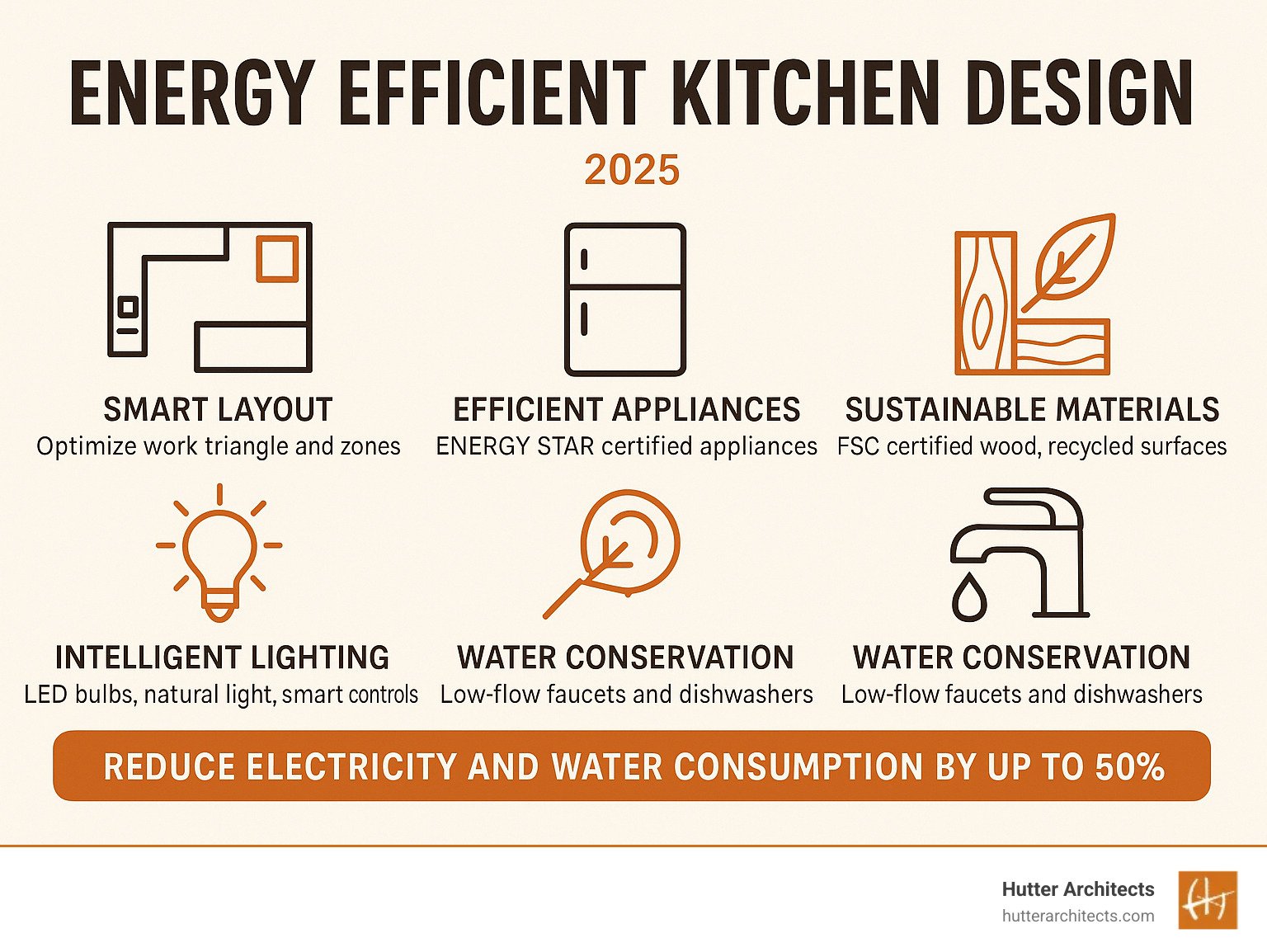
Energy-efficient Appliances
Reducing energy consumption in the kitchen can lower utility bills. One effective way is by using energy-efficient appliances.
These appliances use less energy and help conserve resources. They are designed to perform better while consuming less power.
Choosing Energy Star Products
Energy Star products meet strict energy efficiency guidelines. They help save energy and money over time.
Look for the Energy Star label on appliances like refrigerators and dishwashers. This ensures they meet the energy-saving standards.
- Use Energy Star refrigerators to cut energy use by 15%
- Choose Energy Star dishwashers for lower water and power consumption
- Energy Star microwaves save energy and cook food efficiently
Maintaining Appliances For Efficiency
Regular maintenance keeps appliances running efficiently. Clean and check them to ensure they use less energy.
Simple tasks like cleaning filters and checking seals can improve efficiency. Well-maintained appliances last longer and work better.
- Clean refrigerator coils to improve cooling efficiency
- Check oven seals to prevent heat loss
- Keep dishwasher filters clean for optimal performance

Credit: afsreps.com
Smart Cooking Practices
Saving energy in the kitchen helps reduce bills and protects the environment. Simple cooking habits can lower the energy used.
Using smart cooking methods lets you cook food well while using less power. This guide shares easy tips for saving energy.
Using Lids And Smaller Pots
Cover pots with lids to keep heat inside. This helps food cook faster and saves energy. Without lids, heat escapes and cooking takes longer.
Choose pots that fit the burner size. Using smaller pots on small burners is more efficient. Large pots on small burners waste energy.
- Always use lids to trap heat
- Match pot size to burner size
- Keep lids clean for a tight seal
Batch Cooking And Meal Planning
Cook large amounts of food at once to save energy. Batch cooking means less time using the stove or oven. It reduces energy use overall.
Plan meals ahead to avoid cooking many small meals. This helps use food and energy better. You can reheat food instead of cooking fresh every time.
- Cook multiple meals together
- Store leftovers properly
- Reheat only the portion you need
- Plan meals to reduce cooking times
Optimizing Refrigerator Use
Reducing kitchen energy use helps save money and the environment. Your refrigerator is one of the biggest energy users.
Using the fridge smartly can cut energy waste. Small changes make a big difference.
Setting The Right Temperature
Keep your refrigerator temperature between 37°F and 40°F (3°C to 4°C). This range keeps food fresh without using extra energy.
The freezer should be at 0°F (-18°C). Colder settings do not preserve food better but increase energy use.
- Check temperature with a fridge thermometer
- Adjust settings if food freezes or spoils quickly
- Avoid frequent temperature changes
Organizing For Better Airflow
Good airflow inside your fridge helps it work well. Crowded or blocked vents make the fridge use more energy.
Leave space between items and do not block air vents. This keeps cold air moving evenly inside.
- Arrange items with space between them
- Do not block vents with large containers
- Store leftovers in shallow containers for quick cooling
- Clean coils and vents regularly to remove dust
Credit: vkrenovations.ca
Lighting Solutions
Lighting uses a big part of kitchen energy. Using smart lighting saves power and cuts bills.
Good lighting also makes cooking safer and easier. Let’s explore ways to reduce energy use in kitchen lights.
Switching To Led Bulbs
LED bulbs use less energy than old bulbs. They last longer and give bright light.
Replacing all kitchen bulbs with LEDs lowers electricity use a lot. LEDs also stay cool and reduce fire risk.
- Use LED bulbs with the right brightness for each area
- Choose warm white LEDs for a cozy kitchen feel
- Turn off lights when not needed to save more energy
Maximizing Natural Light
Natural light reduces the need for artificial lighting. Open windows and blinds during the day.
Use light-colored walls and surfaces to reflect sunlight. This brightens the kitchen without using power.
- Keep windows clean for more sunlight
- Avoid heavy curtains that block light
- Place mirrors to bounce light around the room
Water Heating Tips
Heating water in the kitchen uses a lot of energy. Saving energy helps reduce bills and protects the environment.
Simple changes in how you heat water can make a big difference. Use these tips to lower your kitchen’s energy use.
Using Energy-efficient Kettles
Energy-efficient kettles use less power and heat water faster. They save energy by boiling only the amount you need.
Look for kettles with automatic shut-off features. These stop the kettle once water reaches boiling point to save energy.
- Boil only the water you need
- Choose kettles with good insulation
- Use kettles with auto shut-off
Reducing Hot Water Waste
Wasting hot water wastes energy. Use only as much hot water as you need to cut down energy use.
Check for leaks and fix them quickly. Small drips can waste a lot of hot water over time.
- Turn off taps when not in use
- Fix leaking faucets and pipes
- Use cold water when possible
Unplugging And Power Management
Reducing kitchen energy use helps save money and protects the environment. Unplugging devices and managing power wisely are simple ways to cut energy waste.
Many kitchen appliances use electricity even when turned off. Learning to control this power drain can make a big difference in your energy bills.
Avoiding Standby Power Loss
Some kitchen gadgets use power in standby mode. This is called standby power loss or vampire energy. It can add up to a large energy waste over time.
Unplug devices like coffee makers, microwaves, and toasters when not in use. This stops them from drawing power without working.
- Unplug small appliances after cooking
- Turn off power strips to cut all standby power
- Check for appliances with standby lights
- Use timers to manage appliance use
Using Smart Power Strips
Smart power strips help control energy use by cutting power to devices when not needed. They turn off appliances completely instead of leaving them in standby.
These strips can sense when a main device is off and then shut off connected devices. This stops energy waste from items like chargers and kitchen gadgets.
- Plug several kitchen devices into one smart strip
- The strip cuts power automatically when main device is off
- This reduces energy used by idle appliances
- Smart strips are easy to use and save money

Credit: www.aepenergy.com
Frequently Asked Questions
How Can I Lower Kitchen Electricity Use Daily?
Use energy-efficient appliances and LED lighting. Unplug devices when not in use. Cook with lids to retain heat and use microwaves for small meals.
What Kitchen Habits Save The Most Energy?
Plan meals to avoid multiple oven uses. Use pressure cookers and slow cookers. Defrost food in the fridge, not the microwave.
Are Energy-efficient Kitchen Appliances Worth It?
Yes, they consume less power and reduce bills. They may cost more initially but save money long-term with lower energy use.
How Does Proper Kitchen Insulation Reduce Energy?
Good insulation keeps heat in during winter and cool in summer. It reduces the need for extra heating or cooling, saving energy.
Conclusion
Reducing energy use in your kitchen saves money and helps the planet. Simple changes make a big difference every day. Choose energy-efficient appliances and turn off unused devices. Cook smart by using lids and matching pot sizes. Keep your fridge clean and set to the right temperature.
Small steps add up to lower bills and less waste. Start today and enjoy a greener, cheaper kitchen tomorrow. Energy savings are easier than you think.