
Are you tired of high energy bills every time you cook? Your kitchen might be using more energy than you realize.
But don’t worry—small changes can make a big difference. Imagine saving money and helping the environment just by adjusting how you use your kitchen appliances. You’ll discover easy and effective ways to cut down your kitchen’s energy use. Ready to take control and start saving?
Let’s dive in!
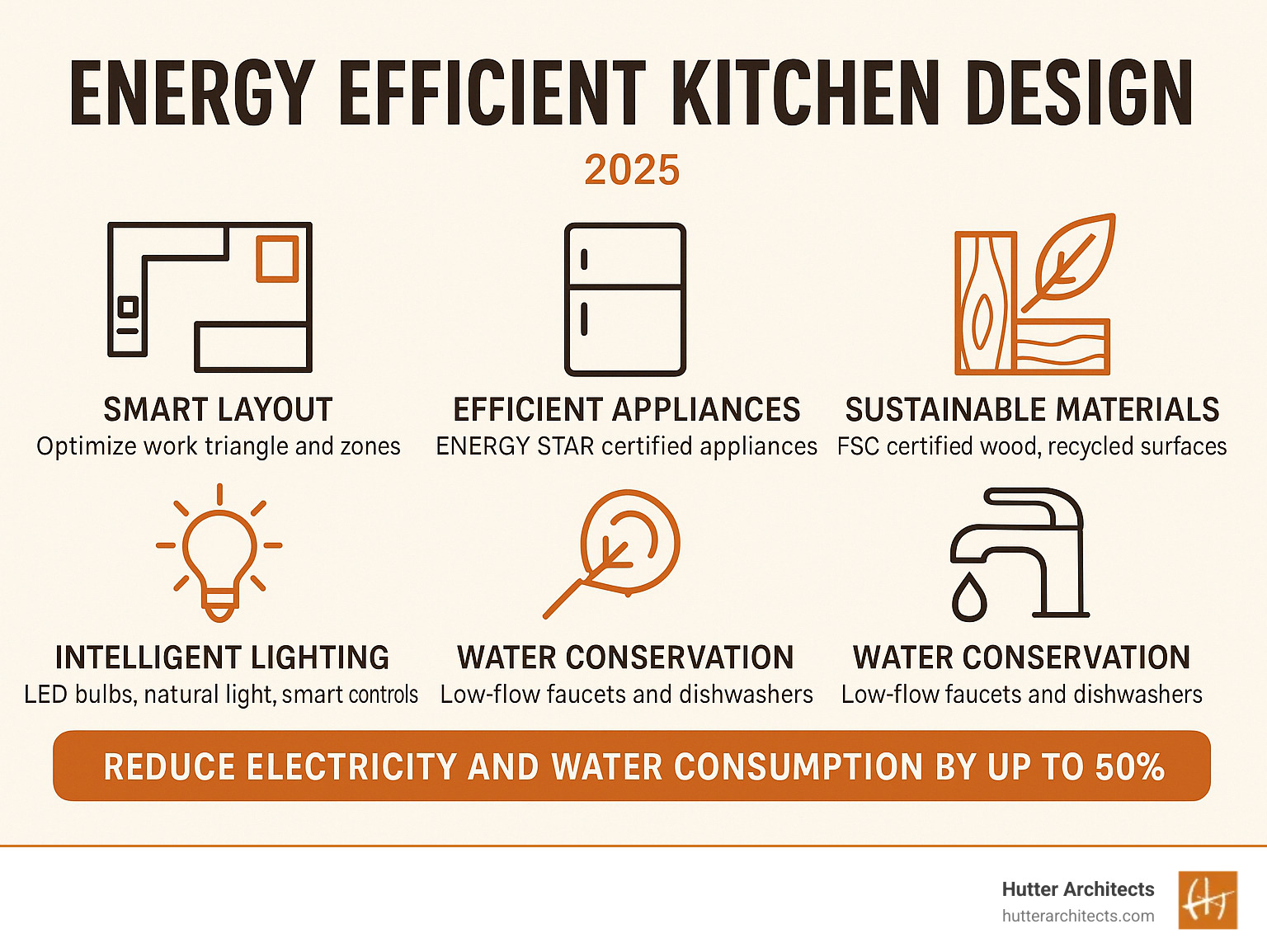
Energy-efficient Appliances
Reducing kitchen energy use is important. Energy-efficient appliances help save money and power. They are better for the environment, too.
Choosing the right appliances and keeping them in good shape is key. It helps lower energy bills and makes your kitchen more efficient.
Choosing The Right Appliances
Look for appliances with the Energy Star label. These use less energy than others. They are tested and proven to be efficient.
Size matters, too. Choose the right size for your needs. Bigger appliances use more energy, so pick what fits your kitchen best.
- Energy Star-rated appliances save energy
- Choose the right size for your needs
- Consider appliance energy ratings when buying
Maintaining Appliance Efficiency
Regular maintenance keeps appliances running well. Clean them often to prevent dust and dirt build-up. This helps them work better and last longer.
Check for leaks and fix them quickly. Leaky appliances waste energy and can cause bigger problems. Keep your appliances in good shape for best results.
- Clean appliances regularly to improve efficiency
- Fix leaks to prevent energy waste
- Schedule regular maintenance checks
Credit: hutterarchitects.com
Smart Cooking Practices
Saving energy in the kitchen helps lower your bills and protects the environment. Smart cooking habits can reduce the amount of energy you use every day.
Small changes in how you cook can make a big difference. These tips focus on easy ways to save energy while preparing meals.
Using Lids To Save Energy
Cover pots and pans with lids when cooking. This traps heat and cooks food faster. It also uses less energy because you need lower heat settings.
Keep lids on while boiling water or simmering soups. Avoid lifting lids too often as heat escapes and cooking time increases.
Batch Cooking And Meal Prep
Cook large amounts of food at once. This uses your oven or stove less often. You save energy by making several meals in one go.
Store extra meals in the fridge or freezer. Reheat only what you need. This reduces the need to cook every day and cuts energy use.
- Plan meals ahead to cook in batches
- Use large pots or pans to cook more food
- Freeze leftovers for later use
- Reheat only the portion you will eat
Optimizing Oven And Stove Use
Use the right size burner for your pots and pans. A smaller burner wastes less energy for small pots. Match the burner to the cookware size.
Turn off the oven or stove a few minutes before the cooking time ends. The heat left will finish cooking your food. This saves energy without affecting results.
- Match burner size to pot size
- Use flat-bottomed pots for better heat contact
- Turn off heat early to use leftover warmth
- Preheat ovens only when necessary
Lighting And Ventilation
Reducing kitchen energy use starts with good lighting and ventilation. These two parts use a lot of power every day.
Simple changes can save energy and keep your kitchen comfortable and bright.
Switching To Led Lighting
LED lights use much less energy than traditional bulbs. They last longer and give bright light.
Replacing old bulbs with LEDs lowers your electricity bill. It also reduces the heat in the kitchen.
- LEDs use up to 80% less energy
- Last up to 25 times longer than incandescent bulbs
- Produce less heat, saving on cooling costs
- Work well in different kitchen areas
Maximizing Natural Light
Use windows, skylights, and light colors to brighten the kitchen with sunlight. This reduces the need for artificial lighting.
Open curtains and blinds during the day to let in more light. Keep windows clean for better brightness.
- Place work areas near windows
- Use light paint colors on walls and cabinets
- Keep windows and glass doors clean
- Consider adding skylights for more sunlight
Efficient Ventilation Tips
Good ventilation removes cooking smells and moisture. It helps keep the kitchen fresh without wasting energy.
Use range hoods that fit your stove size. Turn them on only when cooking to save power.
- Choose energy-efficient exhaust fans
- Clean filters regularly for better airflow
- Use timer settings to limit fan running time
- Open windows for natural air flow when possible
Credit: www.woodcocks.us
Water Heating Savings
Heating water uses a large part of kitchen energy. Saving hot water helps reduce bills and energy use.
Simple changes in how you use and store hot water can make a big difference in energy savings.
Reducing Hot Water Use
Use less hot water to save energy. Turn off taps when not in use.
Fix leaks quickly to avoid wasting hot water. Use cold water for tasks like washing fruits.
- Run dishwashers only when full
- Use cold water for rinsing when possible
- Wash hands quickly with warm water
- Use a basin to wash dishes instead of running water
Insulating Water Lines
Insulate pipes that carry hot water. This keeps water warm longer and uses less energy.
Warm water flows faster to taps, reducing wait time and water waste. Use foam pipe sleeves for insulation.
- Wrap pipes with foam sleeves or insulation tape
- Focus on pipes in cold or unheated areas
- Check insulation yearly and replace if damaged
Energy-saving Habits
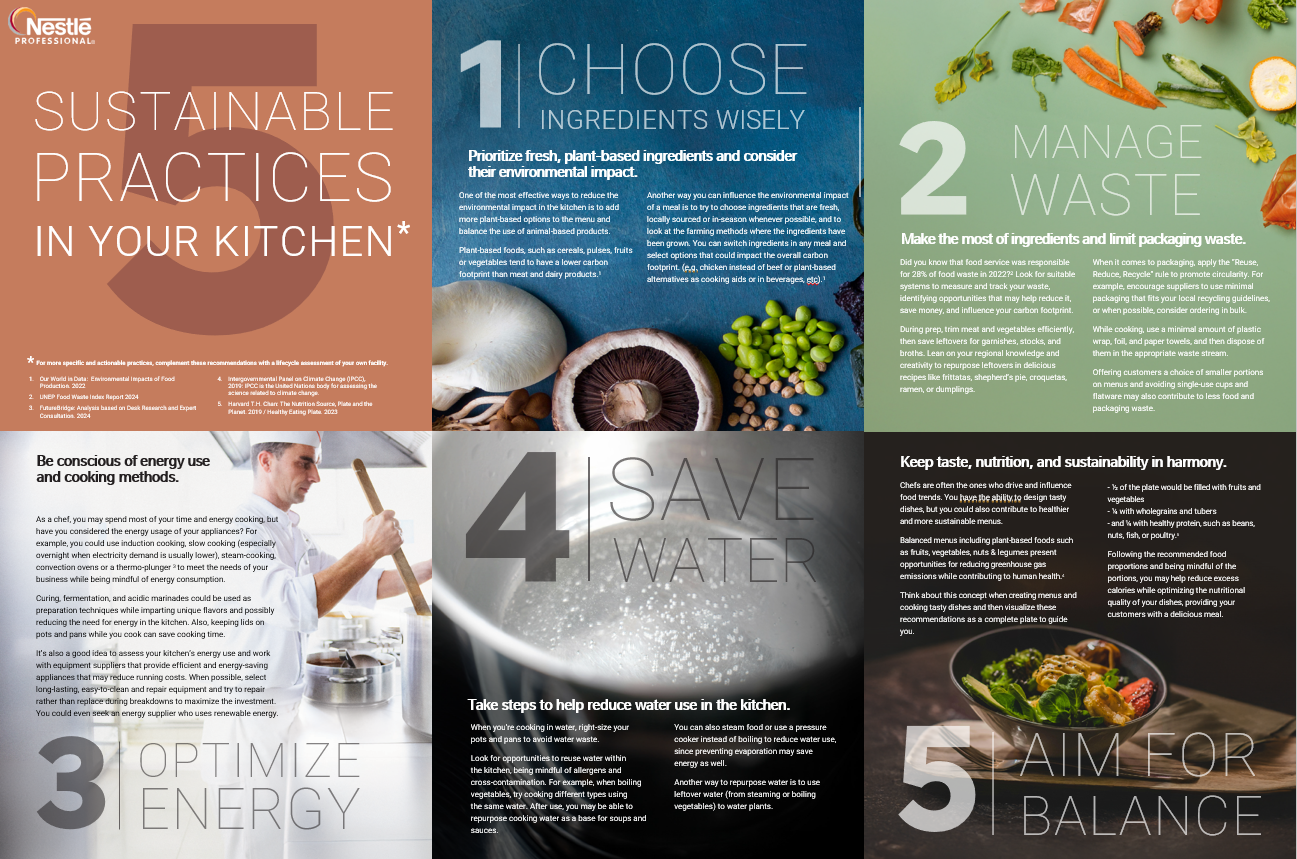
Reducing energy use in the kitchen helps save money and protects the environment. Simple habits can lower your energy bills.
Small changes in daily routines make a big difference over time. Focus on easy actions you can do every day.
Unplugging Idle Devices
Many kitchen devices use energy even when off. Unplug items like toasters, coffee makers, and blenders after use.
This stops “phantom” energy waste and lowers your electricity bill. Use power strips to unplug multiple devices at once.
- Unplug small appliances when not in use
- Use power strips to switch off many devices easily
- Avoid leaving chargers plugged in
- Check devices for standby power consumption
Regular Kitchen Maintenance
Keeping appliances clean and in good shape helps them run efficiently. Dirty or broken appliances use more energy.
Check seals on refrigerators and ovens. Clean filters and coils regularly. Fix leaks and replace worn parts quickly.
- Clean refrigerator coils twice a year
- Check oven door seals for tight closure
- Replace water filters as recommended
- Defrost freezer to avoid ice buildup
Credit: www.nestleprofessional.com
Frequently Asked Questions
How Can I Save Energy While Cooking?
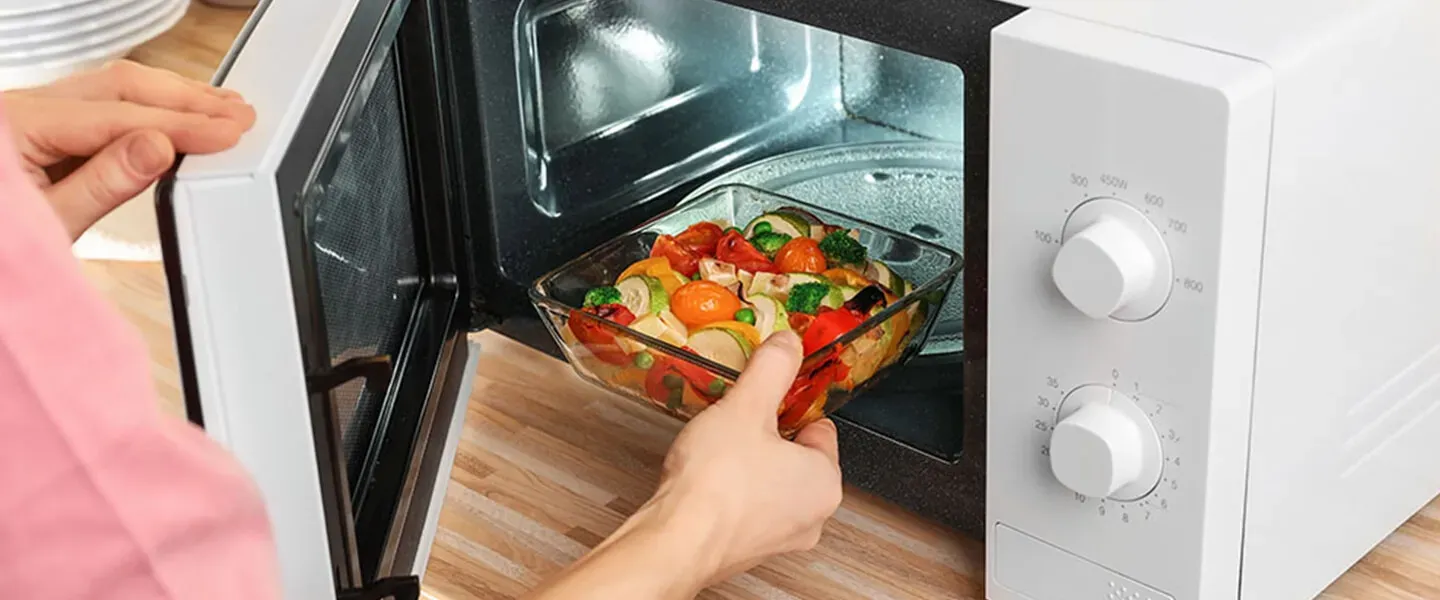
Use energy-efficient appliances and cook with lids on pots. Avoid preheating ovens unnecessarily and use microwaves for smaller meals.
What Are The Best Energy-saving Kitchen Appliances?
Look for ENERGY STAR-rated refrigerators, dishwashers, and induction cooktops. These appliances consume less electricity while maintaining performance.
How Does Using Lids Reduce Energy Consumption?
Lids trap heat inside pots, reducing cooking time. This lowers energy use and keeps your kitchen cooler.
Can Kitchen Lighting Affect Energy Usage?
Yes, using LED bulbs in the kitchen saves energy. LEDs use less power and last longer than traditional bulbs.
Conclusion
Saving energy in the kitchen helps lower bills and protect nature. Small changes make a big difference every day. Turn off appliances when not in use. Choose energy-efficient devices to cut power use. Cook smart by using lids and proper cookware.
These habits keep your kitchen green and cost-friendly. Start today and enjoy a cleaner, cheaper kitchen tomorrow. Simple steps lead to lasting benefits for you and the planet.