
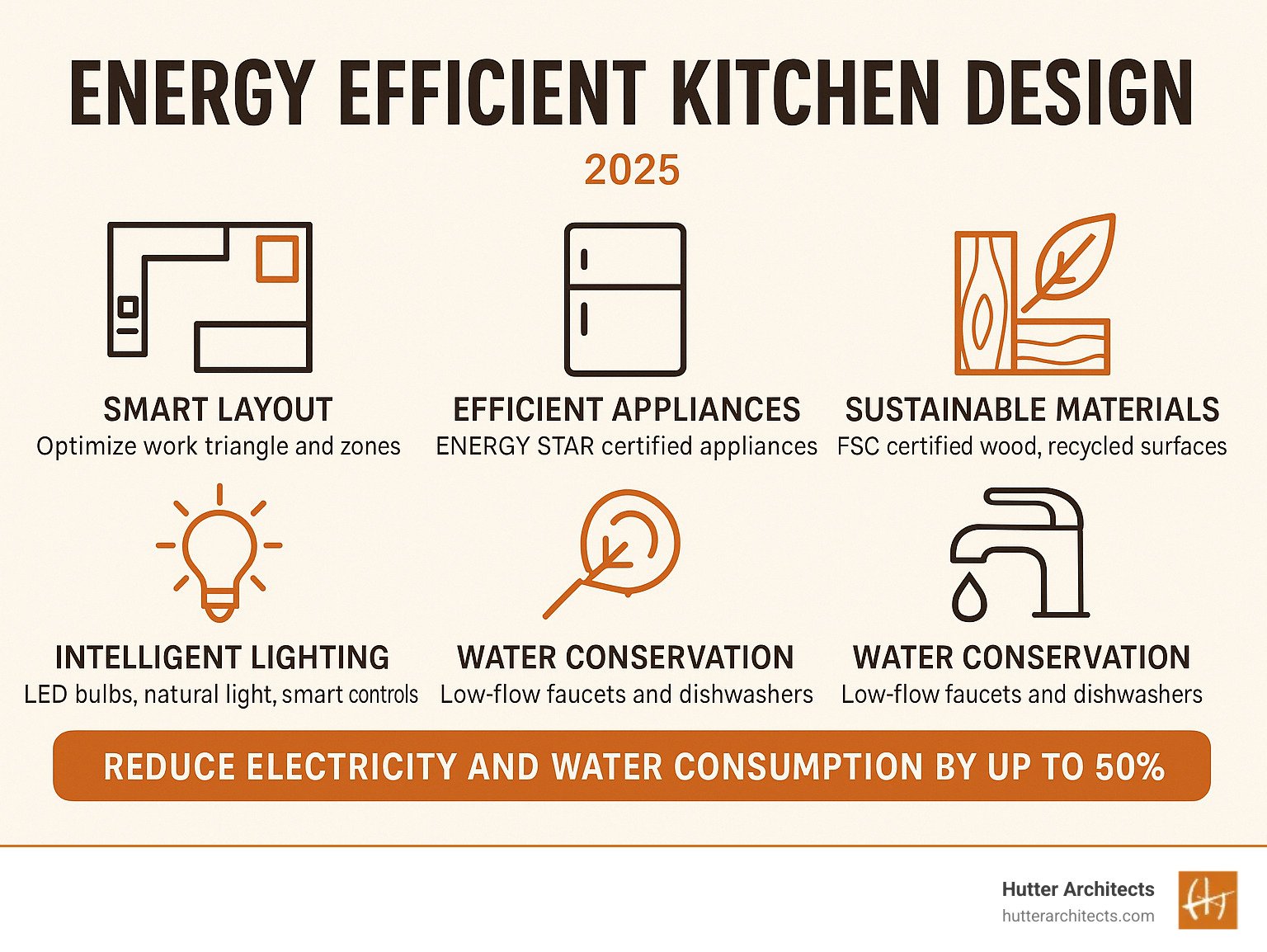
Are you tired of watching your energy bills climb higher every month? Your kitchen might be the hidden culprit.
The good news is, you don’t have to sacrifice comfort or convenience to save energy. Imagine cutting down your electricity use while still enjoying your favorite meals. You’ll discover simple, practical tips that can make a big difference in reducing your kitchen energy consumption.
Ready to take control of your energy use and save money? Keep reading to find out how easy it can be.
Energy-efficient Appliances
Reducing energy consumption in the kitchen can save money. It also helps the environment. One way to do this is by using energy-efficient appliances.
Modern appliances use less energy than older models. Choosing the right appliances can make a big difference.
Choosing Energy Star Rated Devices
Energy Star rated devices use less energy than standard ones. They are tested and approved by experts.
Look for the Energy Star label when buying appliances. This label means the device is energy-efficient.
- Refrigerators with Energy Star save more energy
- Energy Star dishwashers use less water
- Microwaves with the label use less power
Maintaining Appliances For Efficiency
Proper maintenance keeps appliances working well. It also helps them use less energy.
Regular cleaning and checks are important. They prevent appliances from using extra energy.
- Clean refrigerator coils often
- Check seals on ovens and fridges
- Remove lint from dryer filters
Smart Cooking Habits
Reducing energy use in the kitchen saves money and helps the environment. Simple cooking habits can cut energy waste.
Focus on smart habits like using the right cookware, planning meals, and using leftover heat. These small changes make a big difference.
Using Proper Cookware Sizes
Choose pots and pans that match your burner size. Using a small pot on a large burner wastes energy.
Cookware that fits the burner heats food faster and uses less power. It also prevents heat loss around the edges.
- Use small pans on small burners
- Match large pots with large burners
- Avoid heating empty pots or pans
Batch Cooking And Meal Planning
Cook several meals at once to save energy. Batch cooking uses the stove or oven less often.
Plan meals ahead to avoid extra cooking. Use leftovers to make new dishes and save cooking time.
- Prepare large meals and refrigerate portions
- Reheat food instead of cooking from scratch
- Use slow cookers or pressure cookers for energy efficiency
Utilizing Residual Heat
Turn off the stove or oven a few minutes before food is done. The leftover heat will finish cooking.
Using residual heat saves energy and prevents overcooking. It works well for boiling, simmering, or baking.
- Switch off electric burners early
- Keep oven door closed to keep heat inside
- Use residual heat to warm plates or keep food hot
Optimizing Refrigerator Use
Refrigerators use a lot of energy in the kitchen. Using them properly helps save power and money.
Simple changes in how you run your fridge can reduce energy use. Focus on temperature, airflow, and door use.
Setting The Right Temperature
Keep your fridge temperature at 37°F to 40°F (3°C to 4°C). This keeps food fresh and saves energy.
The freezer should be at 0°F (-18°C). Colder settings use more electricity without extra benefits.
- Check temperature with a fridge thermometer
- Adjust settings if too cold or warm
- Avoid setting it colder than needed
Organizing For Airflow
Good airflow inside the fridge helps cool it evenly. Avoid overpacking shelves or blocking vents.
Leave space between items and shelves. This helps the fridge run less and use less energy.
- Place smaller items in front for easy access
- Keep vents clear of food containers
- Use clear bins to organize without crowding
Avoiding Frequent Door Opening
Opening the fridge door often lets cold air out. This makes the fridge work harder and use more energy.
Plan what you need before opening the door. Close it quickly to keep the cold air inside.
- Check food items at once, not one by one
- Use clear fridge doors if available
- Keep the fridge door seal clean and tight
Lighting Solutions
Lighting uses a lot of energy in the kitchen. Choosing the right lighting can save power and money.
Good lighting also makes cooking easier and safer. Let’s look at two ways to reduce energy use with lighting.
Switching To Led Bulbs
LED bulbs use much less energy than regular bulbs. They last longer and give bright light.
Replacing old bulbs with LEDs can cut your kitchen’s energy use for lighting by up to 75%.
- Use LED bulbs with the right brightness for cooking areas.
- Choose warm white LEDs for a cozy kitchen feel.
- Turn off lights when not in use to save more energy.
Making Use Of Natural Light
Natural light is free and uses no electricity. Use windows and skylights to brighten your kitchen.
Keep windows clean and use light-colored curtains to let in more sunlight.
- Open blinds and curtains during the day.
- Arrange workspaces near windows to use daylight.
- Use mirrors to reflect natural light inside the kitchen.
Water Heating Efficiency
Heating water uses a lot of energy in the kitchen. Improving water heating helps save energy and reduce bills.
Small changes can make a big difference in how much energy your water heater uses.
Using Energy-saving Faucets
Energy-saving faucets reduce the amount of hot water used. They mix air with water to keep pressure strong.
These faucets lower water flow without making it feel weak. This saves energy and water at the same time.
- Use low-flow aerators on kitchen faucets
- Choose faucets labeled as water-efficient
- Check for leaks and fix them quickly
Limiting Hot Water Usage
Using less hot water saves energy. Try to use cold water for tasks like rinsing vegetables or washing dishes.
Run dishwashers only when full and choose energy-saving settings. Avoid letting hot water run unnecessarily.
- Fill the sink with warm water instead of running the tap
- Wash fruits and vegetables in a bowl of cold water
- Use dishwasher eco modes when available
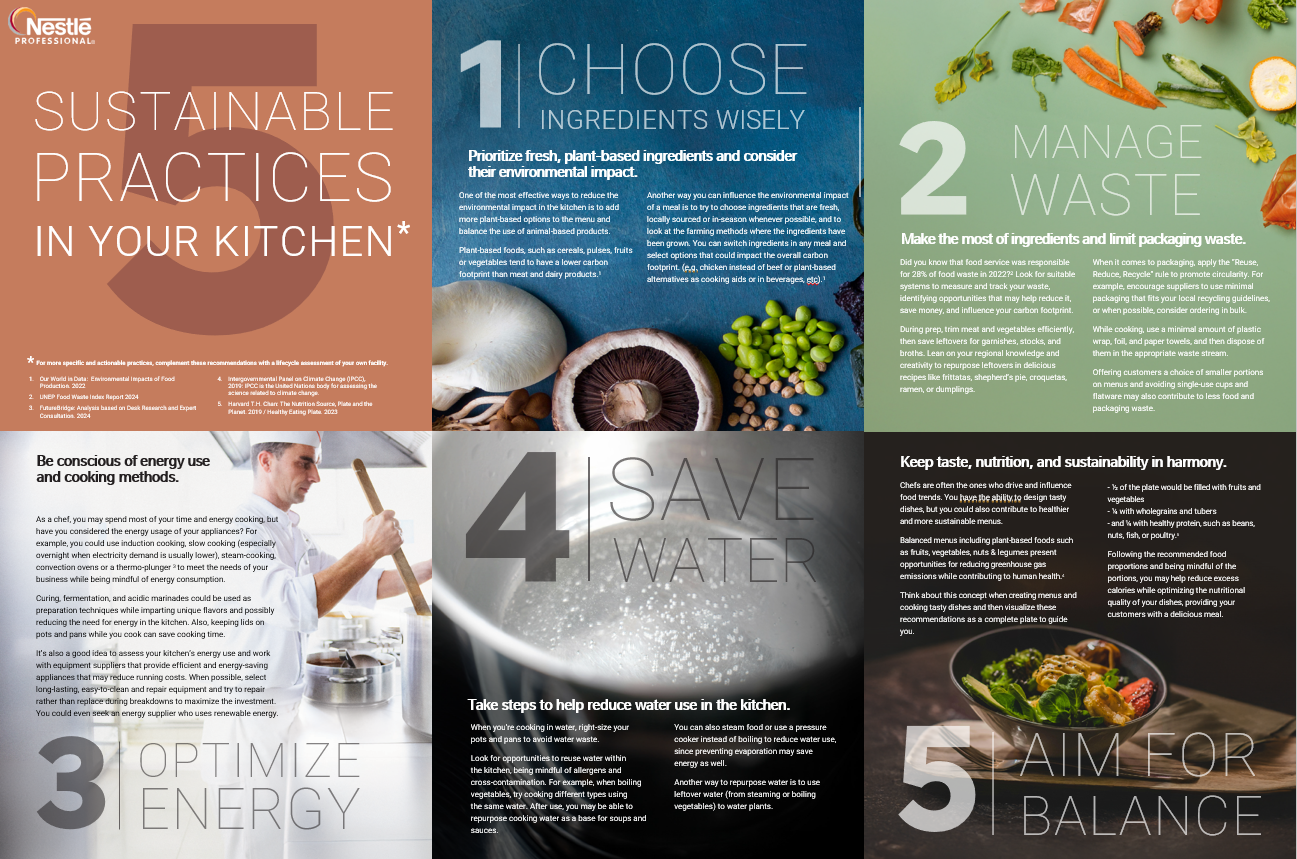
Credit: www.nestleprofessional.com
Energy-saving Kitchen Gadgets
Using energy-saving gadgets in your kitchen can lower electricity bills. These tools cook food efficiently and use less power.
Choosing the right kitchen appliance helps reduce energy waste. It also saves time and keeps your kitchen cooler.
Slow Cookers And Pressure Cookers
Slow cookers use low heat over a long time to cook meals. They use less electricity than an oven or stove.
Pressure cookers cook food fast by trapping steam. This saves energy and keeps nutrients in the food.
- Slow cookers use about 70% less energy than ovens
- Pressure cookers reduce cooking time by up to 70%
- Both keep your kitchen cooler by using less heat
Microwaves Vs. Ovens
Microwaves cook food faster than ovens. They use less energy because they heat only the food, not the whole space.
Ovens take longer and use more electricity. They heat a large area, which wastes energy for small meals.
- Microwaves use about 50-80% less energy than ovens
- Use microwaves for reheating and small cooking tasks
- Ovens work better for baking and large meals
Reducing Standby Power
Many kitchen devices use power even when not in use. This power is called standby power or vampire power. Reducing standby power can lower your energy bills and help the environment.
Small changes in how you manage kitchen appliances can save energy. Let’s look at two easy ways to reduce standby power in your kitchen.
Unplugging Idle Devices
Many kitchen gadgets use power when they are plugged in but not turned on. Examples include coffee makers, microwaves, and toaster ovens. Unplugging these devices stops them from using energy.
Unplug devices after use or if you don’t use them daily. This helps reduce wasted energy and lowers your electricity bill.
- Unplug coffee makers overnight
- Disconnect microwaves if rarely used
- Remove toaster ovens when not in use
- Unplug chargers and small appliances
Using Power Strips
Power strips let you control multiple devices with one switch. Plug your kitchen gadgets into a power strip. Turn off the strip to cut power to all devices at once.
This method is simple and saves time. It also prevents devices from using standby power without unplugging each one.
- Use power strips for small kitchen appliances
- Switch off power strips when devices are not in use
- Choose power strips with an on/off switch
- Keep power strips accessible for easy use
Credit: www.aepenergy.com

Credit: leadingcatering.com.au
Frequently Asked Questions
How Can I Save Energy While Cooking?
Use energy-efficient appliances and cook with lids on pots. Opt for microwave or pressure cookers to reduce cooking time and energy use.
What Kitchen Appliances Consume The Most Energy?
Refrigerators, ovens, and dishwashers are the biggest energy users in kitchens. Regular maintenance and energy-efficient models can lower consumption.
Is It Better To Use Gas Or Electric Stoves?
Gas stoves offer instant heat and control, often saving energy. Electric stoves can be efficient if used with proper cookware.
How Does Using Lids Reduce Kitchen Energy Use?
Covering pots traps heat, cooking food faster and using less energy. It also prevents heat loss, making cooking more efficient.
Conclusion
Saving energy in your kitchen is easier than it seems. Small changes add up to big savings. Turn off appliances when not in use. Use energy-efficient tools and cook smart. These steps help lower your bills and protect the environment.
Start with one habit today and watch the difference grow. A greener kitchen means a healthier home for everyone. Keep it simple. Keep it smart.