
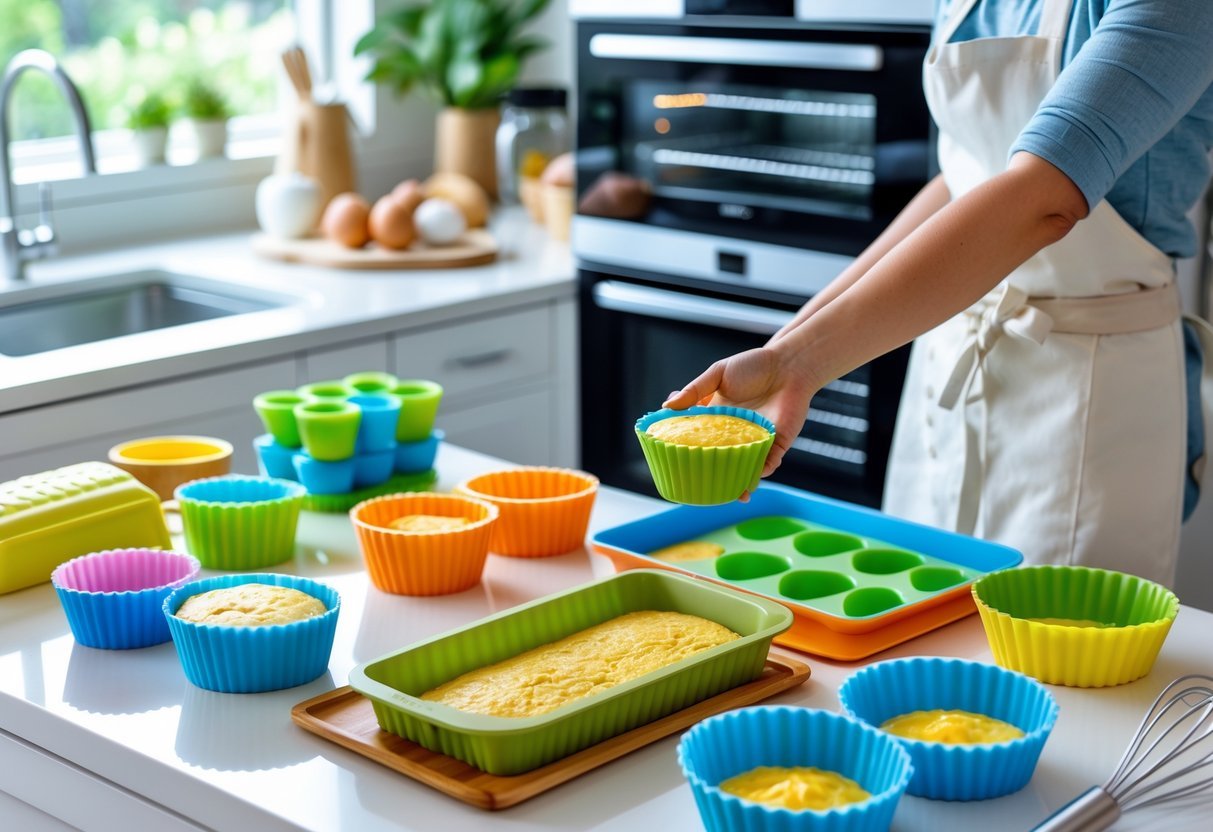
If you love baking, you know how frustrating it can be when your cakes or muffins stick to your silicone bakeware. You want your treats to come out perfectly every time, without tearing or leaving a mess behind.
The good news? Preventing sticking in silicone bakeware is easier than you think. You’ll discover simple, effective tips that will help your baked goods slide out smoothly, making your baking experience more enjoyable and your results flawless. Keep reading to unlock the secrets to hassle-free baking with your silicone pans!
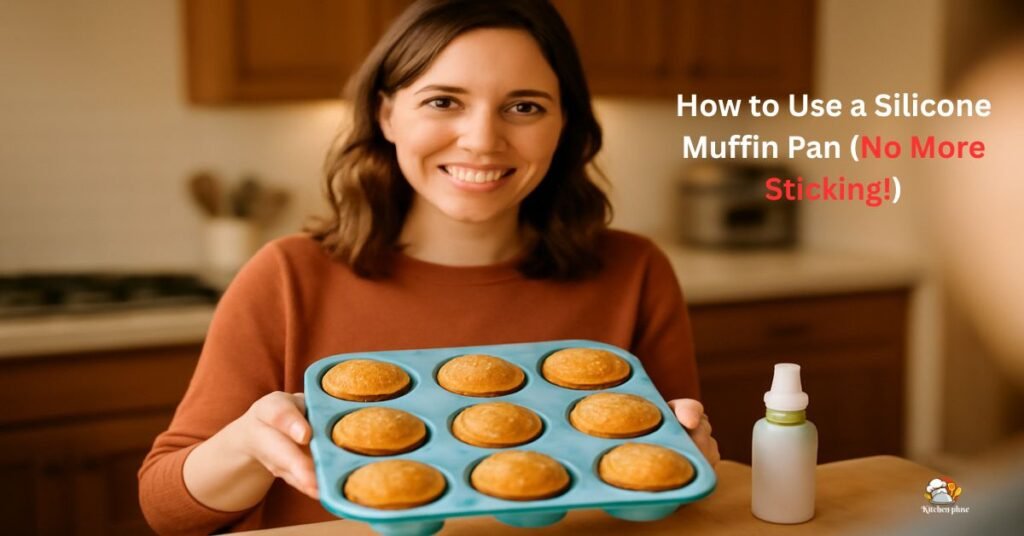
Credit: kitchenpluse.com
Choosing The Right Silicone Bakeware
Silicone bakeware is popular for its flexibility and ease of use. Picking the right one helps prevent food from sticking. It saves time and keeps your baked goods looking great.
Two key factors affect how well silicone bakeware works. These are the quality of the silicone and its thickness. Let’s explore both.
Quality Matters
High-quality silicone bakeware has a smooth, non-stick surface. It resists tears and can handle heat well. Low-quality silicone often feels sticky or rough. This can cause baked goods to stick and tear.
- Look for food-grade silicone labeled as BPA-free.
- Check for strong, flexible material that returns to shape.
- Choose silicone that can handle high temperatures safely.
- Read reviews to see if others had sticking problems.
Optimal Thickness
The thickness of silicone bakeware affects heat distribution and sticking. Too thin silicone may fold or warp. Too thick silicone might not heat evenly. Both cause sticking issues.
| Thickness | Pros | Cons |
| 1-2 mm | Flexible and easy to store | May warp or tear easily |
| 3-4 mm | Good heat distribution and durability | Less flexible |
| 5+ mm | Very durable and stable | Can heat unevenly |
Preparing Silicone Bakeware For Use
Silicone bakeware is flexible and non-stick. Proper preparation helps prevent food from sticking. This guide covers cleaning and using oil or spray.
Following these steps will make your baking easier and keep your silicone pans in good shape.
Cleaning And Drying
Before first use, clean silicone bakeware well. Use warm water and mild soap. Remove any dust or residue from manufacturing.
- Wash with warm soapy water.
- Rinse thoroughly to remove soap.
- Dry completely with a soft towel or air dry.
- Ensure no water remains in crevices.
- Store in a clean, dry place.
Using Cooking Spray Or Oil
Even though silicone is non-stick, a light coating helps release baked goods easily. Use cooking spray or oil before each use.
| Type | How to Apply | Benefits |
| Cooking Spray | Spray evenly on the surface | Quick, easy, and covers all areas |
| Vegetable Oil | Brush a thin layer over the pan | Controls amount and avoids excess |
| Butter or Margarine | Rub with a paper towel or cloth | Adds flavor and prevents sticking |
Proper Baking Techniques
Using silicone bakeware can make baking easier and more fun. But sticking can still happen if you do not follow the right steps. Proper baking techniques help keep your food from sticking and make cleanup simple.
These tips focus on how to avoid sticking by using good baking habits. You will learn how to fill your silicone pans correctly and why using a baking sheet helps.
Avoiding Overfilling
Do not fill silicone bakeware too full. Overfilling can cause batter to spill and stick to the pan edges. It can also make your baked goods cook unevenly.
Fill the pan only up to two-thirds full. This gives room for the batter to rise and bake properly. It helps prevent sticking and keeps the shape of your baked goods.
- Leave space for expansion
- Avoid overflow and messes
- Ensure even cooking
Using A Baking Sheet
Place your silicone bakeware on a flat baking sheet before putting it in the oven. This makes it easier to move and prevents spills. It also helps the silicone bakeware heat evenly.
The baking sheet supports the flexible silicone and keeps it steady. This reduces the chance of the batter sticking to the pan by allowing better heat distribution during baking.
- Provides stable support
- Prevents spills in oven
- Improves heat distribution

Credit: www.amazon.com
Cooling And Removing Baked Goods
Silicone bakeware is popular because it is flexible and easy to use. But sometimes baked goods stick to it. Cooling and removing your baked items carefully helps prevent sticking.
Taking the right steps after baking keeps your treats whole and your silicone clean. Let’s look at how to cool and remove baked goods properly.
Allowing Proper Cooling Time
Cooling your baked goods in the silicone mold before removing them is important. Hot items are softer and more likely to stick or break.
Let the baked goods cool at room temperature for 10 to 20 minutes. This helps them firm up and release easily from the silicone.
- Turn off the oven and let the bakeware cool inside for a few minutes.
- Place the silicone mold on a wire rack for even cooling.
- Avoid rushing to remove items while still very hot.
Gentle Removal Techniques
Use gentle methods to remove baked goods from silicone molds. Pressing or pulling hard can tear or damage the item.
Gently push the bottom of the silicone mold from underneath. This helps release the baked good without breaking it.
- Hold the mold with one hand and press from the bottom with the other.
- Slowly peel the silicone away from the edges of the baked item.
- Use a soft spatula to help lift if needed, but avoid sharp tools.
Cleaning And Maintenance Tips
Silicone bakeware is popular for its flexibility and non-stick qualities. Proper cleaning keeps it in good shape and stops food from sticking over time.
Using the right cleaning methods helps your bakeware last longer and perform better for baking tasks.
Handwashing Vs. Dishwasher
Handwashing silicone bakeware is often gentler than using a dishwasher. Warm water and mild soap remove most residues safely.
- Use a soft sponge to clean the surface.
- Rinse thoroughly to remove soap traces.
- Dry with a soft cloth or air dry completely.
Dishwashers can clean bakeware but might cause wear faster. High heat and strong detergents can reduce silicone’s flexibility.
Avoiding Abrasive Cleaners
Abrasive cleaners and scrubbers can damage silicone’s surface. This damage creates spots where food can stick and cause stains.
| Cleaner Type | Effect on Silicone Bakeware |
|---|---|
| Soft Soap and Sponge | Safe and effective for regular cleaning |
| Dishwasher Detergent | May cause wear with frequent use |
| Abrasive Scrubbers | Can scratch and damage silicone surface |
| Harsh Chemical Cleaners | May degrade silicone and leave residue |
Use gentle cleaning tools and avoid steel wool or rough brushes. This keeps your bakeware smooth and easy to clean after each use.
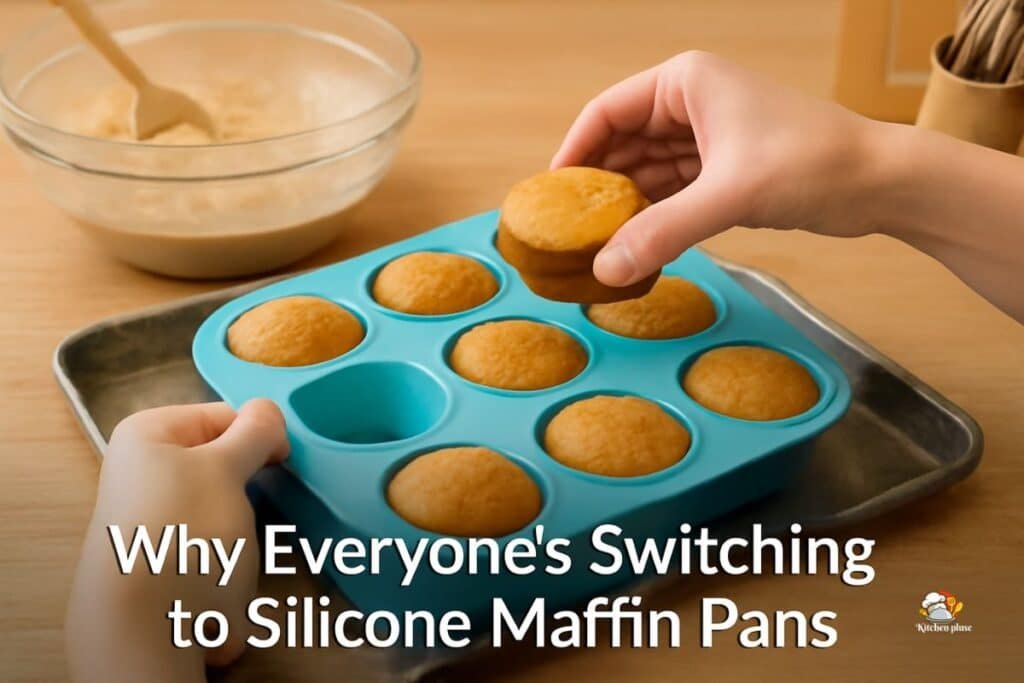
Credit: kitchenpluse.com
Common Mistakes To Avoid
Using silicone bakeware is easy and fun, but sticking can ruin your baked goods. Many people make simple mistakes that cause sticking. Avoiding these errors will help you get better results every time.
Below are common mistakes you should avoid to keep your silicone bakeware non-stick and easy to clean.
Skipping The Grease
Many assume silicone bakeware does not need any grease. This can lead to baked goods sticking, especially with sticky or dense recipes.
Applying a small amount of oil or butter helps create a smooth release. It also protects the silicone from buildup over time.
- Use a thin layer of cooking spray, oil, or butter before pouring batter.
- Grease even if the recipe does not say to, especially for sticky items.
- Check the manufacturer’s instructions but add a little grease for best results.
Incorrect Storage
How you store silicone bakeware affects its performance. Folding or crushing it can cause damage and make it harder to release food.
Keep your silicone bakeware flat or gently rolled in a clean drawer. Avoid stacking heavy items on top to prevent warping.
- Store silicone bakeware flat or loosely rolled.
- Do not fold or crease the silicone material.
- Keep it away from sharp objects that can puncture the surface.
- Clean and dry completely before storing to avoid mold or odors.
Frequently Asked Questions
How Do I Stop Food From Sticking To Silicone Bakeware?
To prevent sticking, lightly grease silicone bakeware with oil or butter before use. Also, dust with flour or cocoa powder for baked goods. Avoid high-fat or sugary batters that tend to stick. Properly cooling before removal helps release baked items easily.
Can I Use Cooking Spray On Silicone Bakeware?
Yes, using a light coat of cooking spray can help prevent sticking. However, avoid excessive spray as it may cause uneven cooking. Always check the manufacturer’s instructions for specific recommendations on non-stick sprays with your silicone bakeware.
Should I Preheat Silicone Bakeware Before Baking?
Preheating silicone bakeware is not necessary and may cause warping. Place the batter or dough directly in the mold and then into the preheated oven. Silicone conducts heat evenly, so preheating the bakeware itself is not required for best results.
How Do I Clean Stuck-on Residue From Silicone Bakeware?
Soak silicone bakeware in warm, soapy water for 10-15 minutes. Use a soft sponge or brush to gently scrub residue. Avoid abrasive cleaners or scouring pads that can damage silicone surfaces. Dry thoroughly before storing to prevent odors and sticking.
Conclusion
Preventing sticking in silicone bakeware is simple with the right steps. Always grease your silicone molds lightly before use. Cooling baked goods fully helps them release easily. Avoid cutting directly in the silicone to keep it safe. Clean your bakeware gently to maintain its non-stick surface.
These small habits make baking smoother and cleanup faster. Enjoy your treats without the mess or frustration. Baking with silicone can be easy and fun. Just a little care goes a long way.