
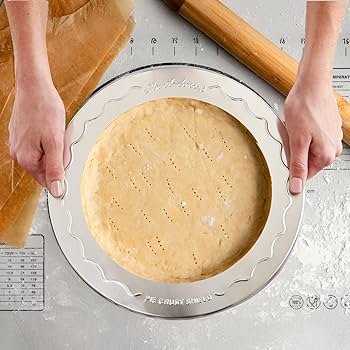
Have you ever struggled to get your perfect pie out of the dish without leaving a mess behind? It can be so frustrating when your hard work sticks to the pan, ruining the look and taste of your pie.
But what if you could easily prevent sticking every time you bake? You’ll discover simple and effective tips that will make your pies come out clean and flawless. Keep reading, and you’ll never have to worry about sticking in pie dishes again.
Your baking will thank you!
Choose The Right Pie Dish
Picking the right pie dish helps stop your pie from sticking. A good dish makes baking easier and cleanup faster.
Different dishes affect how heat spreads and how the crust bakes. Choose one that fits your baking style.
Material Matters
Pie dishes come in many materials. Each one changes how heat moves and how the crust cooks.
Some materials stick less and bake more evenly. Pick a dish material that helps your pie come out smooth.
- Glass:Heats evenly but can cause sticking without butter or flour.
- Ceramic:Holds heat well and is less likely to stick.
- Metal:Cooks crust faster but may need extra greasing.
- Silicone:Non-stick but may not brown crust as well.
Size And Shape Considerations
Choose the right size so the filling cooks well and the crust stays firm. Too big or small can cause issues.
Shape also matters. Some shapes hold heat better and help prevent sticking along edges.
- Standard round:Most common and easy to use with many recipes.
- Deep dish:Great for thick fillings but needs careful greasing.
- Square or rectangular:Offers more crust edges; may need more attention to prevent sticking.
Proper Greasing Techniques
Greasing your pie dish well helps to keep the crust from sticking. This makes it easier to remove the pie after baking.
Using the right type and amount of grease is important. It can affect the pie’s texture and appearance.
Types Of Grease To Use
Different greases work better for different pies. Here are common options:
- Butter: Adds flavor and browns nicely.
- Shortening: Creates a non-stick layer without flavor.
- Oil: Easy to spread, but may soak into dough.
- Non-stick spray: Quick and convenient, but less control.
How Much Grease Is Enough
| Grease Type | Amount to Use | Notes |
| Butter | 1 to 2 teaspoons | Use softened butter, spread evenly. |
| Shortening | 1 teaspoon | Rub with a paper towel for thin layer. |
| Oil | 1 teaspoon | Use a pastry brush to coat the dish. |
| Non-stick spray | Light spray | Hold 6 inches away to avoid pooling. |
Pre-baking The Crust
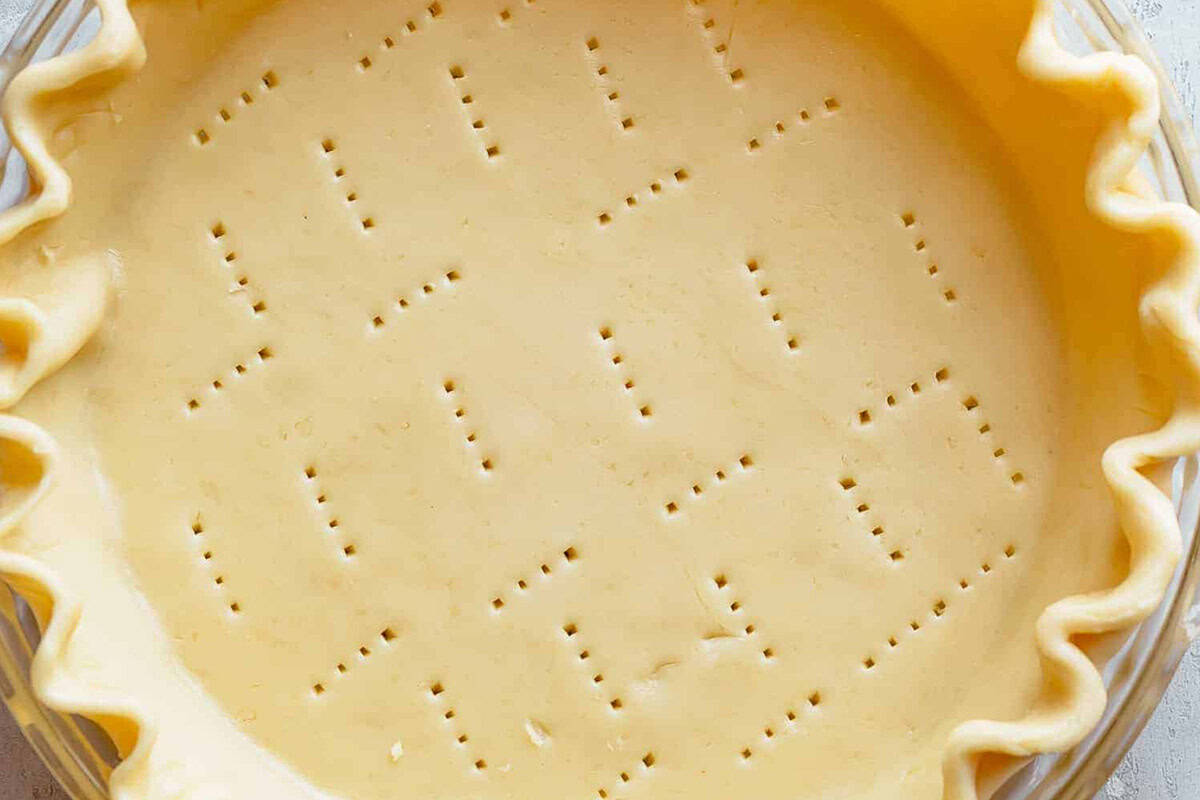
Pie crusts often stick to dishes, making it hard to remove the pie cleanly. Pre-baking the crust helps prevent this problem. It creates a barrier that keeps the crust firm and separate from the filling.
This technique is especially useful for pies with wet fillings. It also improves the crust’s texture by making it crisp and golden.
Blind Baking Explained
Blind baking means baking the pie crust before adding any filling. You bake the crust alone to set it. This prevents sogginess and sticking.
- Line the crust with parchment paper or foil
- Fill with pie weights or dried beans to keep shape
- Bake until the edges turn light golden
- Remove weights and bake a few minutes more
Benefits Of Pre-baking
| Benefit | Explanation |
| Prevents Sticking | Sets the crust to stop it from sticking to the dish |
| Improves Texture | Creates a crisp, flaky crust |
| Stops Soggy Bottoms | Keeps moisture from the filling from soaking into the crust |
| Makes Pie Easier to Serve | The crust holds its shape well after baking |
Credit: cafedelites.com
Using Parchment Paper
Parchment paper helps stop pies from sticking to the dish. It creates a smooth layer between the pie crust and the pan.
Using parchment paper makes cleaning easier and keeps your pie looking perfect when you serve it.
Lining The Pie Dish
Cut a piece of parchment paper slightly larger than your pie dish. Place it inside the dish, pushing it gently to fit the shape.
- Use scissors to cut the paper in a circle or square shape.
- Lightly grease the parchment to keep it from moving.
- Press the paper firmly against the bottom and sides of the dish.
- Trim any excess paper hanging over the edges.
Removing Parchment Without Tearing
Let the pie cool before removing the parchment. This helps the crust firm up and prevents tearing.
- Gently lift one edge of the parchment paper.
- Slowly pull it away from the pie dish at a low angle.
- If the paper sticks, use a butter knife to loosen the edges.
- Do not rush to avoid breaking the crust.
Chilling Techniques
Chilling the pie crust before baking helps prevent it from sticking to the dish. Cold dough is firmer and less likely to shrink or stick.
This guide explains simple chilling methods to keep your pie crust perfect and easy to remove from the pan.
Refrigeration Tricks
Refrigerate the pie dough for at least 30 minutes before rolling it out. This firms the fat in the dough and reduces sticking.
- Wrap dough tightly in plastic wrap.
- Place it flat in the fridge to chill evenly.
- Keep it chilled until ready to roll.
- If dough softens while working, chill again.
Freezing The Crust
Freezing the crust before baking helps it keep shape and prevents sticking. It also makes it easier to handle.
| Freezing Time | Effect |
| 15 minutes | Dough firms for rolling |
| 30 minutes | Crust holds shape well |
| 1 hour or more | Crust is very firm, easier to lift |

Credit: delightfuladventures.com
Avoiding Watery Fillings
Watery fillings can make pies soggy and cause them to stick to the dish. Keeping fillings thick and dry helps the crust stay crisp and separate easily.
Use simple methods to reduce extra liquid. This stops sticking and improves the pie’s texture.
Thickening Agents To Use
Thickening agents help absorb liquids and keep fillings firm. They stop juices from making the crust wet and sticky.
- Flour: Common and easy to use for fruit pies.
- Cornstarch: Creates a clear, glossy filling.
- Tapioca starch: Works well with berries and soft fruits.
- Arrowroot powder: A natural thickener that stays clear after baking.
Straining Juicy Ingredients
Straining removes extra water from fruits and vegetables. This keeps your filling thick and stops the crust from getting soggy.
| Method | How to Do It |
| Drain and Press | Place fruit in a strainer and press with a spoon to remove juice. |
| Use Cheesecloth | Wrap fruit in cheesecloth and squeeze out excess liquid gently. |
| Cook Down | Simmer fruits to evaporate water before adding to pie. |
Post-baking Tips
After baking a pie, preventing it from sticking to the dish is important. This helps keep the pie whole and makes serving easier.
Using the right post-baking steps can save your pie and your patience. Let’s look at how to cool and remove the pie safely.
Cooling The Pie Properly
Cooling lets the pie set and helps stop it from sticking. If you remove the pie too soon, it may fall apart or stick to the dish.
Let the pie cool in the dish on a wire rack. This allows air to flow under the dish and cool it evenly.
- Cool the pie for at least two hours before serving
- Keep the pie in the dish during cooling
- Avoid placing the hot dish in the fridge immediately
- Use a wire rack to help air circulate
Removing Pie From Dish Safely
Take care when removing the pie from the dish to keep it intact. Use tools and gentle handling to avoid breaking the crust.
Loosen the edges of the pie with a thin knife or spatula before lifting. This helps separate the pie crust from the dish without damage.
- Run a thin knife around the pie edges after cooling
- Use a wide spatula to lift the pie carefully
- If the pie sticks, warm the dish slightly to loosen it
- Place the pie on a flat surface to support it fully

Credit: www.yahoo.com
Frequently Asked Questions
How Do I Stop Pie Crust From Sticking?
To prevent sticking, always grease your pie dish with butter or oil. You can also use parchment paper or a light dusting of flour. Chilling the dough before baking helps it hold its shape and reduces sticking as well.
What Is The Best Grease For Pie Dishes?
Butter is the best grease for pie dishes because it adds flavor and prevents sticking. You can also use shortening or cooking spray. Avoid using too much grease to prevent greasy crusts and soggy bottoms.
Can I Use Flour To Prevent Pie Sticking?
Yes, lightly dusting the pie dish with flour before adding dough helps reduce sticking. Flour creates a thin barrier between the crust and the dish. Be sure to tap out excess flour to avoid a powdery crust texture.
Does Parchment Paper Help Prevent Pie Sticking?
Parchment paper is an excellent non-stick option for pie dishes. It creates a smooth surface and prevents the crust from sticking. You can also use it to lift the pie easily after baking, reducing the risk of breaking.
Conclusion
Preventing pie dishes from sticking takes simple steps. Grease the dish lightly before adding dough. Use parchment paper or a silicone liner for extra help. Let pies cool slightly before removing to keep their shape. These easy tips make baking less messy and more enjoyable.
Enjoy your perfect pie without the sticky struggle. Keep trying different methods to find what works best for you. Baking should be fun and stress-free!