
You’ve invested in non-stick pans because they make cooking and cleaning easier. But nothing’s more frustrating than seeing scratches ruin that smooth surface.
Scratches don’t just look bad—they can also affect how well your pan works and how long it lasts. What if you could keep your pans looking and performing like new for years? You’ll discover simple, effective ways to protect your non-stick pans from scratches every time you use them.
Keep reading, and your pans will thank you!

Credit: cookdinehost.com
Choose The Right Utensils
Using the right utensils helps keep your non-stick pans in good shape. The wrong tools can cause scratches and damage the surface.
Choosing gentle utensils protects the non-stick coating. This makes your pans last longer and cook better.
Avoid Metal Utensils
Metal utensils can scratch the non-stick surface easily. Scratches reduce the pan’s non-stick ability and can lead to peeling.
Avoid using forks, knives, and metal spatulas on your pans. These tools can damage the coating quickly.
Opt For Silicone Or Wooden Tools
Silicone and wooden utensils are gentle on non-stick pans. They do not scratch or harm the surface.
These tools last long and keep your pans safe. They work well for stirring, flipping, and serving food.
- Silicone spatulas and spoons are heat resistant and flexible
- Wooden spoons and turners are sturdy and safe for coatings
- Both options help keep your pans smooth and scratch-free
Proper Cleaning Techniques
Cleaning your non-stick pans the right way helps keep their surface smooth. This stops scratches and keeps food from sticking.
Using gentle cleaning tools and avoiding harsh cleaners protects the pan’s coating. This keeps your pan working well longer.
Use Soft Sponges
Soft sponges clean your pan without damaging the coating. Avoid rough scrubbers that can create scratches.
Choose sponges made for delicate surfaces. They remove dirt while keeping the pan safe.
- Use a soft sponge or cloth
- Wash gently after each use
- Rinse well to remove soap
Avoid Abrasive Cleaners
Abrasive cleaners have rough particles that can wear down non-stick coatings. Do not use powders or harsh scrubs.
Stick to mild dish soap and warm water. These clean the pan without harm.
- Use gentle liquid dish soap
- Skip abrasive powders or creams
- Clean with soft sponge or cloth
Safe Cooking Practices
Non-stick pans need careful use to stay scratch-free. Avoiding scratches keeps the pan working well.
Using safe cooking habits helps protect the pan’s surface for a long time. Learn simple ways to keep pans safe.
Preheat With Care
Preheating non-stick pans too fast can harm the coating. Heat the pan slowly on low or medium flame.
- Start with a cold pan on the stove
- Turn the heat to low or medium
- Wait a few minutes before adding oil or food
- Do not leave the pan empty on high heat
Avoid High Heat
High heat can damage the non-stick surface and cause scratches. Use medium or low heat to cook your food.
| Heat Level | Effect on Non-Stick Pan |
| Low | Safe for cooking, protects coating |
| Medium | Good for most cooking tasks |
| High | Can damage surface and cause scratches |

Credit: www.amazon.in
Storage Tips
Proper storage helps keep your non-stick pans safe from scratches. Storing them carefully saves their coating and extends their life.
Use simple storage methods to protect the pans. Avoid stacking pans directly on top of each other without protection.
Stack With Protection
Stacking pans can cause scratches if their surfaces touch. Always place a soft layer between pans to stop damage.
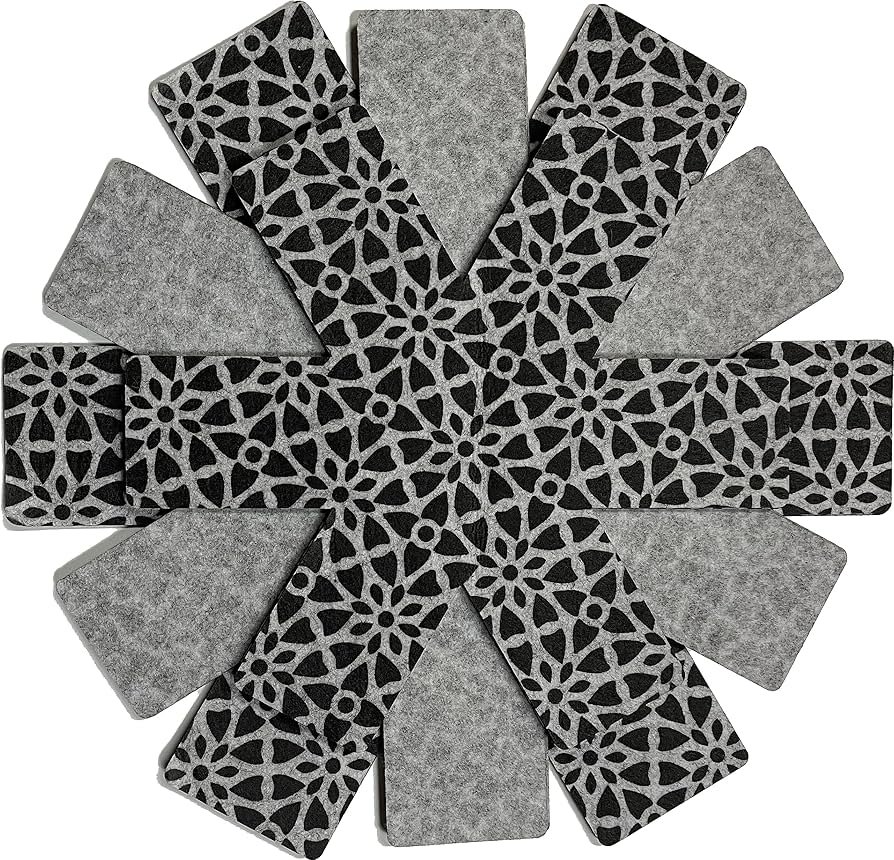
Use cloth, paper towels, or felt pads between each pan. This small step keeps the non-stick coating smooth and scratch-free.
- Place a clean cloth or paper towel between pans
- Use felt or silicone pan protectors for better safety
- Stack pans gently without heavy pressure
Use Pan Separators
Pan separators are tools made to keep pans apart. They stop pans from rubbing against each other.
These separators fit between pans in a stack. They reduce scratches and keep pans in good shape.
- Choose separators made of soft materials like silicone
- Place one separator between each pan in the stack
- Check separators often and replace if worn out
Regular Maintenance
Keeping your non-stick pans in good shape helps prevent scratches. Regular care can make them last longer.
Small habits in cleaning and handling protect the pan’s surface from damage.
Inspect For Wear
Check your non-stick pan often for signs of damage. Scratches or peeling can reduce its effectiveness.
- Look closely at the cooking surface for marks or chips.
- Test by gently running your finger over the pan to feel rough spots.
- Stop using the pan if the coating is flaking off.
- Replace the pan if deep scratches appear.
Season The Surface
Seasoning adds a protective layer to your pan. It can help avoid scratches and improve cooking.
| Seasoning Step | Description |
|---|---|
| Clean Pan | Wash with warm water and mild soap, then dry completely. |
| Apply Oil | Rub a thin layer of cooking oil over the entire surface. |
| Heat Pan | Place the pan on low heat for 2-3 minutes to let oil set. |
| Cool Down | Let the pan cool before wiping off excess oil with a paper towel. |

Credit: www.delish.com
Invest In Quality Pans
Buying good non-stick pans helps stop scratches. Quality pans last longer and work better.
Cheap pans can wear out fast and get damaged easily. It pays to spend a little more on strong pans.
Consider Durability
Durable pans resist scratches and dents. Look for pans made with strong materials like hard-anodized aluminum.
Check if the pan can handle daily use without peeling or cracking. This keeps your pan safe for cooking.
- Hard-anodized aluminum resists scratches well
- Stainless steel bases add strength
- Thick pan walls help avoid dents
Look For Reinforced Coatings
Reinforced coatings give extra protection to the pan’s surface. They make scratches less likely.
Some pans have multiple layers or ceramic coatings. These layers add toughness and keep food from sticking.
- Multi-layer coatings improve scratch resistance
- Ceramic coatings are hard and long-lasting
- Non-stick layers with metal reinforcement hold up better
Common Mistakes To Avoid
Non-stick pans need gentle care to last longer. Scratches can ruin their surface and cause food to stick.
Many people damage pans by using wrong tools or storing them badly. Avoid these common mistakes to keep your pans safe.
Using Sharp Tools
Sharp tools like knives and metal spatulas can easily scratch the non-stick coating. These scratches reduce the pan’s effectiveness and shorten its life.
- Do not use metal utensils on non-stick pans.
- Choose silicone, wooden, or plastic tools instead.
- Avoid cutting food directly in the pan.
- Use soft tools when stirring or flipping food.
Improper Stacking
Stacking pans without protection can cause scratches from rough surfaces. The coating can peel or chip if pans rub against each other.
| Do | Don’t |
|---|---|
| Place a cloth or paper towel between pans | Stack pans directly on top of each other |
| Store pans in a single layer if possible | Use heavy pans on top of light non-stick pans |
| Use pan protectors made for non-stick cookware | Drag pans across each other when putting away |
Frequently Asked Questions
How Can I Avoid Scratching My Non-stick Pan?
Use wooden or silicone utensils instead of metal. Avoid abrasive cleaning tools. Hand wash gently with a soft sponge to protect the coating.
What Cookware Materials Are Safe For Non-stick Pans?
Stick to wooden, silicone, or plastic utensils. Avoid metal or sharp tools that can damage the non-stick surface and reduce its lifespan.
Is It Safe To Use Metal Utensils On Non-stick Pans?
No, metal utensils can scratch and damage the non-stick coating. Use non-metal tools to preserve the pan’s surface and cooking quality.
How Should I Clean A Scratched Non-stick Pan?
Avoid harsh scrubbers and abrasive cleaners. Use warm water, mild dish soap, and a soft sponge to clean without worsening scratches.
Conclusion
Taking care of non-stick pans keeps them lasting longer. Use soft tools like wooden or silicone spoons. Clean pans gently with non-abrasive sponges and mild soap. Avoid cooking sprays that can damage the surface. Store pans carefully to stop scratches from other items.
Small habits protect your pans and save money. Enjoy cooking with smooth, scratch-free pans every day. Keep these tips in mind for best results. Your pans will thank you with better performance. Simple steps make a big difference in pan care.