
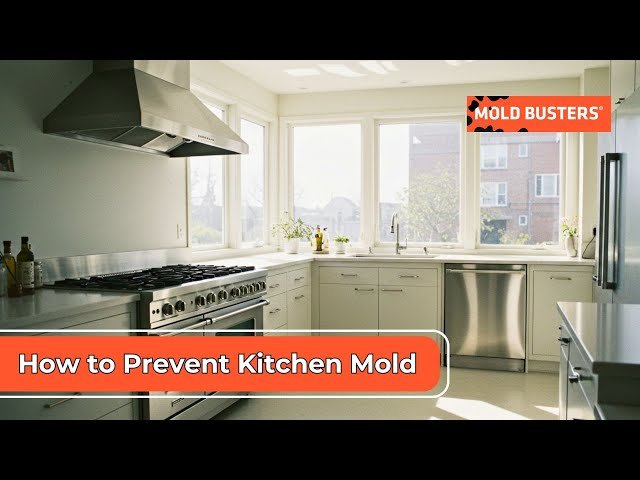
Mold in your kitchen cabinets can cause more problems than you think. It not only damages your cabinets but can also affect your health and ruin your food.
You might not notice it at first, but once mold takes hold, it’s hard to get rid of. Imagine opening a cabinet and finding that musty smell or seeing black spots spreading on your shelves. That’s why preventing mold before it starts is so important.
You’ll discover simple and effective ways to keep your kitchen cabinets mold-free. Keep reading to protect your home and enjoy a fresh, clean kitchen every day.
Causes Of Mold In Kitchen Cabinets
Mold in kitchen cabinets is a common problem. It can ruin food and damage cabinets. Understanding the causes helps in preventing mold growth.
Moisture, poor ventilation, and leaks are main causes. Each factor contributes to creating a perfect mold environment.
Common Moisture Sources
Moisture is the main reason for mold. Kitchens have many moisture sources. Steam from cooking and water spills are common.
Uncovered pots and pans release steam. This steam can settle inside cabinets. Wet dishes also add moisture if stored before drying.
- Steam from boiling water
- Wet dishes and utensils
- Uncovered food items
Poor Ventilation Effects
Poor ventilation traps moisture inside cabinets. This makes it easy for mold to grow. Cabinets near walls or corners often have less air flow.
Blocked air vents also prevent air circulation. It is important to ensure proper air flow in the kitchen. Opening windows can help.
- Trapped air increases humidity
- Blocked vents reduce air movement
- Closed spaces hold moisture longer
Impact Of Leaks And Spills
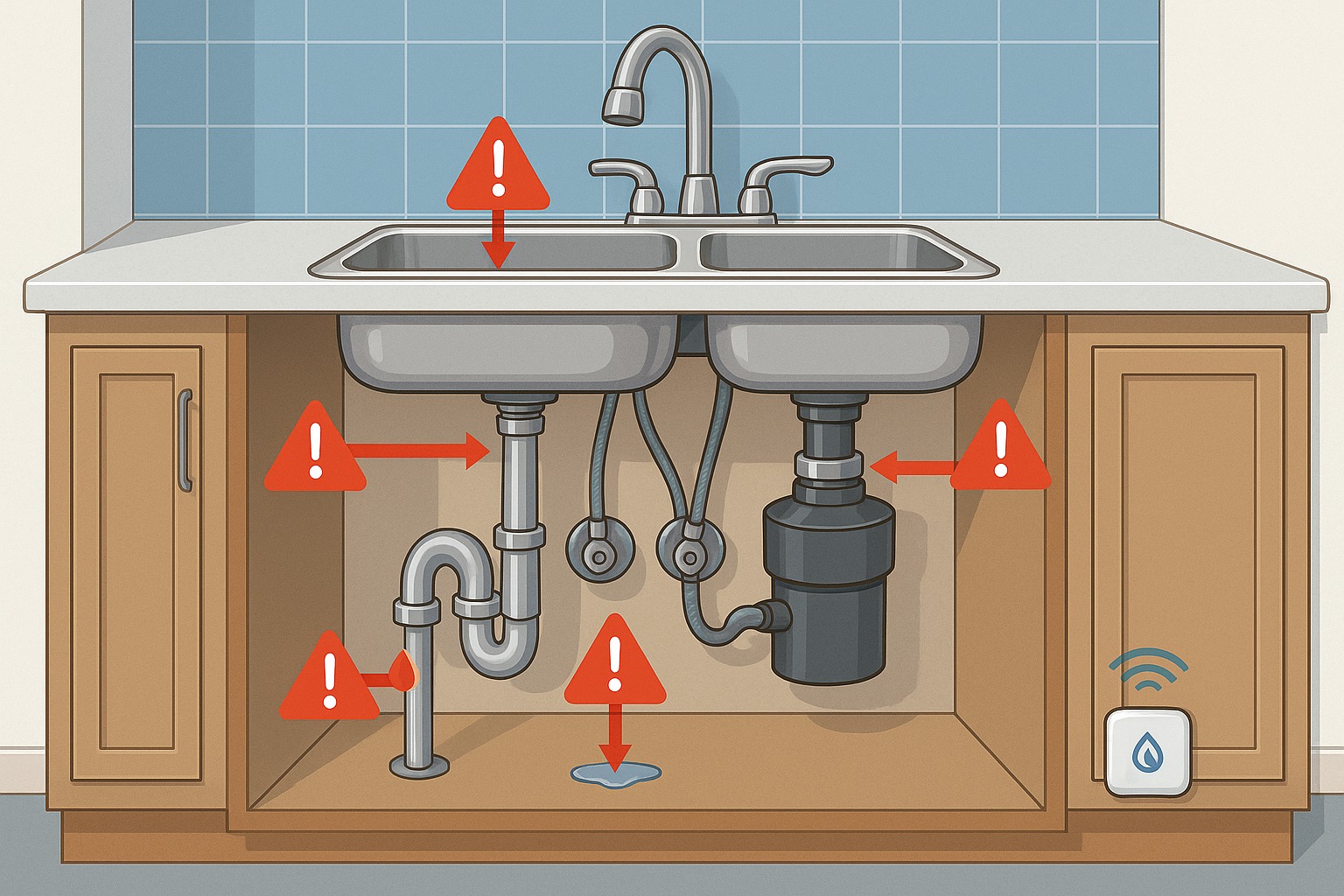
Leaks and spills provide a constant moisture source. Water from leaks can seep into cabinet wood, creating ideal mold conditions.
Even small spills can lead to mold if not cleaned. Regularly check pipes for leaks to prevent water accumulation.
- Leaking pipes under the sink
- Spills from liquid containers
- Water stains on cabinet floors
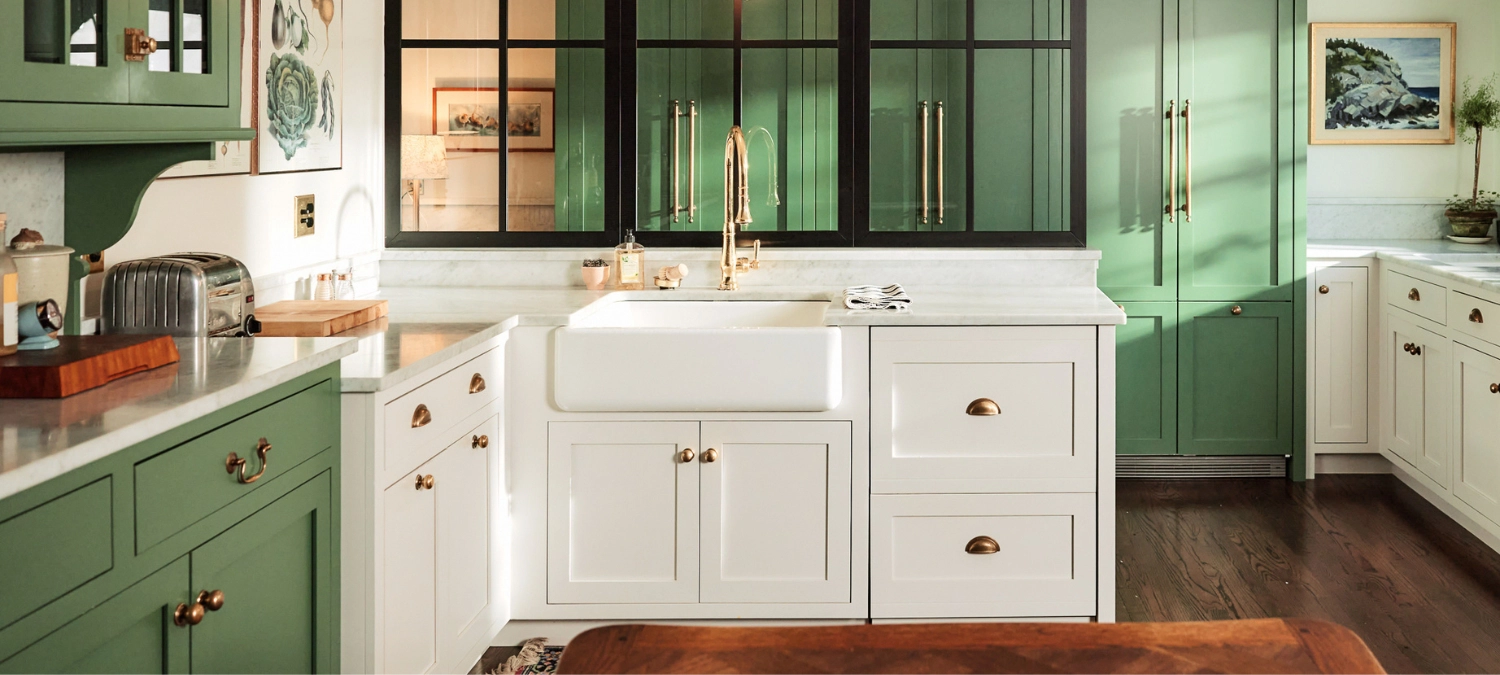
Credit: gesealants.com
Choosing Mold-resistant Materials
Mold can damage kitchen cabinets and cause health problems. Choosing materials that resist mold helps keep cabinets clean and safe.
Some materials naturally stop mold growth. Others need special finishes to protect them. Learn which options work best for your kitchen.
Cabinet Materials That Resist Mold
Materials like metal, glass, and certain plastics do not absorb moisture. They make good choices for mold-resistant cabinets.
Wood can also resist mold if it is treated properly. Avoid particleboard or low-quality wood because they soak up water easily.
- Stainless steel: tough and moisture-resistant
- Glass: smooth surface stops mold growth
- Marine-grade plywood: treated to resist moisture
- PVC or vinyl: water-resistant plastic options
- Treated hardwood: sealed against water damage
Protective Finishes And Coatings
Protective finishes add a layer that stops moisture from reaching cabinets. This helps prevent mold from growing on wood or other materials.
Use water-repellent paints, varnishes, or sealants. These coatings create a barrier and make cleaning easier.
- Waterproof paint: seals surfaces against water
- Polyurethane varnish: creates a hard, moisture barrier
- Epoxy coating: tough and resistant to mold
- Silicone sealants: fill gaps to block moisture
- Anti-mold additives: mixed into paints or finishes
Effective Cleaning Strategies
Mold grows easily in damp kitchen cabinets. Cleaning is key to stopping mold. Use safe cleaners and clean often.
Good cleaning keeps cabinets dry and fresh. It helps stop mold before it starts.
Safe Cleaning Agents
Choose cleaning agents that kill mold but do not harm surfaces. Avoid harsh chemicals that damage wood or paint.
Natural options work well and are safe for your family and pets.
- White vinegar: kills mold spores naturally
- Baking soda: cleans and removes odor
- Hydrogen peroxide: disinfects and removes stains
- Mild dish soap: removes dirt without damage
- Tea tree oil: natural mold killer (use diluted)
Routine Cleaning Tips
Clean kitchen cabinets regularly to prevent mold growth. Wipe spills and moisture quickly.
Dry cabinets after cleaning and improve air flow to keep them dry.
- Wipe cabinet surfaces weekly with mild soap
- Use vinegar solution once a month for mold prevention
- Keep cabinet doors open after cooking to air out moisture
- Fix leaks and remove standing water immediately
- Use a dehumidifier in humid kitchens
Credit: www.bustmold.com
Improving Kitchen Ventilation
Good ventilation helps stop mold in kitchen cabinets. It lowers moisture in the air. Mold grows in damp places.
Keeping air moving keeps cabinets dry. This stops mold from forming inside them.
Using Exhaust Fans
Exhaust fans remove moist air from the kitchen. They help dry the air fast after cooking.
Use exhaust fans during and after cooking. This reduces steam and humidity near cabinets.
- Turn on the fan before boiling water or frying
- Keep it running for 10 to 15 minutes after cooking
- Clean the fan regularly to keep it working well
Maximizing Natural Airflow
Open windows and doors to let fresh air flow through. This helps dry out damp areas.
Arrange furniture and items to avoid blocking air paths. Good airflow lowers moisture near cabinets.
- Open a window while cooking
- Keep kitchen doors open when possible
- Use cross-ventilation by opening windows on opposite sides
Controlling Humidity Levels
Humidity in kitchens can cause mold to grow inside cabinets. Controlling moisture helps keep cabinets dry and mold-free.
Lowering humidity stops mold spores from growing and damaging wood or stored items.
Dehumidifiers
Dehumidifiers pull moisture from the air to lower humidity. They work well in damp kitchens or basements.
Using a small dehumidifier near kitchen cabinets keeps air dry and prevents mold growth.
- Place dehumidifier close to cabinets
- Empty water tank regularly
- Keep doors and windows closed during use
- Choose the right size for your space
Moisture Absorbers
Moisture absorbers trap water vapor from the air inside cabinets. They are easy to use and cost-effective.
These absorbers help keep cabinet interiors dry and stop mold spores from settling.
- Place absorbers on cabinet shelves
- Replace them when fully saturated
- Use silica gel or activated charcoal types
- Good for small or hard-to-reach spaces
Monitoring Humidity Regularly
Check humidity levels often to spot moisture problems early. A hygrometer measures the air’s moisture content.
Keeping humidity below 60% helps stop mold from forming inside cabinets.
- Use a digital or analog hygrometer
- Check readings at different times of day
- Take action if humidity rises above 60%
- Regular checks prevent long-term damage
Preventing Water Intrusion
Water can cause mold to grow inside kitchen cabinets. Preventing water intrusion is key to keeping cabinets dry and mold-free.
Small leaks or moisture build-up can lead to big problems. Fixing leaks and sealing edges help stop water from entering cabinets.
Fixing Leaks Quickly
Leaks under the sink or from pipes can let water enter cabinets. Fix leaks as soon as you spot them to prevent water damage.
Check pipes, faucets, and connections regularly. Tighten loose parts or replace damaged ones to stop water flow.
- Inspect pipes monthly for drips or moisture
- Turn off water supply before repairs
- Use plumber’s tape to seal pipe joints
- Call a plumber if leaks are severe
Sealing Cabinet Edges
Water can seep through gaps around cabinet edges. Sealing these edges keeps moisture out and protects the wood.
Use waterproof caulk or sealant along cabinet seams and edges. This creates a barrier that stops water from entering.
- Clean edges before applying sealant
- Apply a smooth, even bead of caulk
- Let sealant dry fully before use
- Check and reseal edges yearly
Regular Maintenance Checks
Regular checks help stop mold from growing in kitchen cabinets. Small problems can become big if not fixed.
Look inside cabinets often to keep them dry and clean. This stops mold and keeps your kitchen fresh.
Inspecting For Early Mold Signs
Check for spots that look discolored or feel damp inside cabinets. Mold often appears as black, white, or green patches.
Smell inside cabinets for musty odors. This can show mold even if you can’t see it yet.
- Look behind and under cabinet shelves
- Check corners and edges carefully
- Inspect around pipes and sinks
- Watch for peeling paint or bubbling wood
Maintaining Cabinet Integrity
Keep cabinets strong and sealed to stop moisture from getting in. Repair cracks and holes quickly.
Use water-resistant paint or varnish on cabinet surfaces. This helps block water and mold growth.
- Fix leaks under the sink fast
- Replace damaged or warped wood
- Keep cabinet doors closed when not in use
- Use moisture absorbers inside cabinets
Credit: www.bustmold.com
Frequently Asked Questions
How Can I Keep Kitchen Cabinets Dry To Prevent Mold?
Keep cabinets dry by wiping spills immediately and using a dehumidifier. Ensure proper ventilation to reduce moisture buildup inside cabinets.
What Cleaning Solutions Prevent Mold In Kitchen Cabinets?
Use a mixture of vinegar and water or a mild bleach solution. These solutions kill mold spores and inhibit future growth effectively.
How Often Should Kitchen Cabinets Be Inspected For Mold?
Inspect kitchen cabinets monthly for signs of mold or moisture. Early detection helps prevent extensive mold damage and costly repairs.
Can Ventilation Reduce Mold Growth In Kitchen Cabinets?
Yes, proper ventilation reduces humidity levels that cause mold. Use exhaust fans and open windows to improve air circulation.
Conclusion
Preventing mold in kitchen cabinets keeps your home healthy and fresh. Regular cleaning and drying stop mold growth early. Fix leaks and control humidity to avoid dampness. Good airflow helps cabinets stay dry and mold-free. Check cabinets often for signs of mold or moisture.
Small steps make a big difference over time. Keep your kitchen safe with simple mold prevention habits. Clean cabinets, dry surfaces, and fix problems fast. Mold won’t stand a chance in a well-kept kitchen.