
Mold in your kitchen cabinets can cause more than just an unpleasant smell—it can damage your cabinets and even affect your health. If you’ve ever spotted dark spots or noticed a musty odor, you know how tricky mold can be to get rid of.
But what if you could stop mold before it starts? You’ll discover simple, effective ways to keep your kitchen cabinets dry, clean, and mold-free. By taking a few smart steps, you’ll protect your home and enjoy a fresher kitchen every day.
Keep reading to learn how to prevent mold in your kitchen cabinets once and for all.
Identify Mold-prone Areas
Mold grows in damp and dark places. Kitchen cabinets often have these conditions.
Knowing where mold likes to grow helps you stop it early. Check your cabinets carefully.
Common Cabinet Locations
Mold often grows where water collects or air does not flow well. These spots are common in kitchens.
- Under the sink, near plumbing pipes
- Inside cabinets that store cleaning supplies
- Behind or under dishwashers
- Near leaky faucets or water filters
- Cabinets with poor ventilation or no airflow
Signs Of Mold Presence
You can see or smell mold before it becomes a big problem. Look for early signs in your cabinets.
- Musty or damp smell inside or near cabinets
- Visible black, green, or white spots on cabinet surfaces
- Peeling paint or warped wood on cabinets
- Discoloration or stains inside cabinets
- Allergy symptoms like sneezing when near cabinets
Causes Of Mold In Cabinets
Mold grows in kitchen cabinets when conditions are right. It needs moisture, warmth, and food sources like wood or glue.
Understanding what causes mold helps prevent it. Two main causes are moisture and poor ventilation.
Moisture Sources
Moisture is the biggest cause of mold in cabinets. Water can come from leaks, spills, or steam in the kitchen.
Even small amounts of water left inside cabinets can cause mold to grow over time.
- Leaky pipes under the sink
- Condensation from cold pipes or walls
- Steam from cooking or dishwashing
- Spilled liquids not cleaned quickly
- High humidity in the kitchen
Poor Ventilation
Poor air flow traps moisture inside cabinets. Without fresh air, dampness stays and mold can form.
Kitchens need good ventilation to keep the air dry and stop mold growth.
- No exhaust fan or range hood
- Blocked vents or air ducts
- Closed windows during cooking
- Small, enclosed kitchen spaces
- Clutter inside cabinets that blocks airflow
Effective Cleaning Methods
Keeping kitchen cabinets clean helps stop mold from growing. Regular cleaning removes moisture and dirt. These steps keep your kitchen safe and fresh.
Using the right cleaning methods prevents mold damage. You can choose natural solutions or commercial products. Both work well to keep cabinets mold-free.
Natural Cleaning Solutions
Natural cleaning uses simple ingredients you may have at home. These solutions are safe and effective. They kill mold and stop it from returning.
Mix equal parts of white vinegar and water in a spray bottle. Spray the solution on cabinet surfaces. Let it sit for 10 minutes, then wipe clean with a cloth.
- Baking soda is also good for scrubbing mold. Make a paste with water and apply it on spots.
- Lemon juice has natural acid to kill mold. Use it on small mold patches.
- Tea tree oil mixed with water can be sprayed to prevent mold growth.
Commercial Products
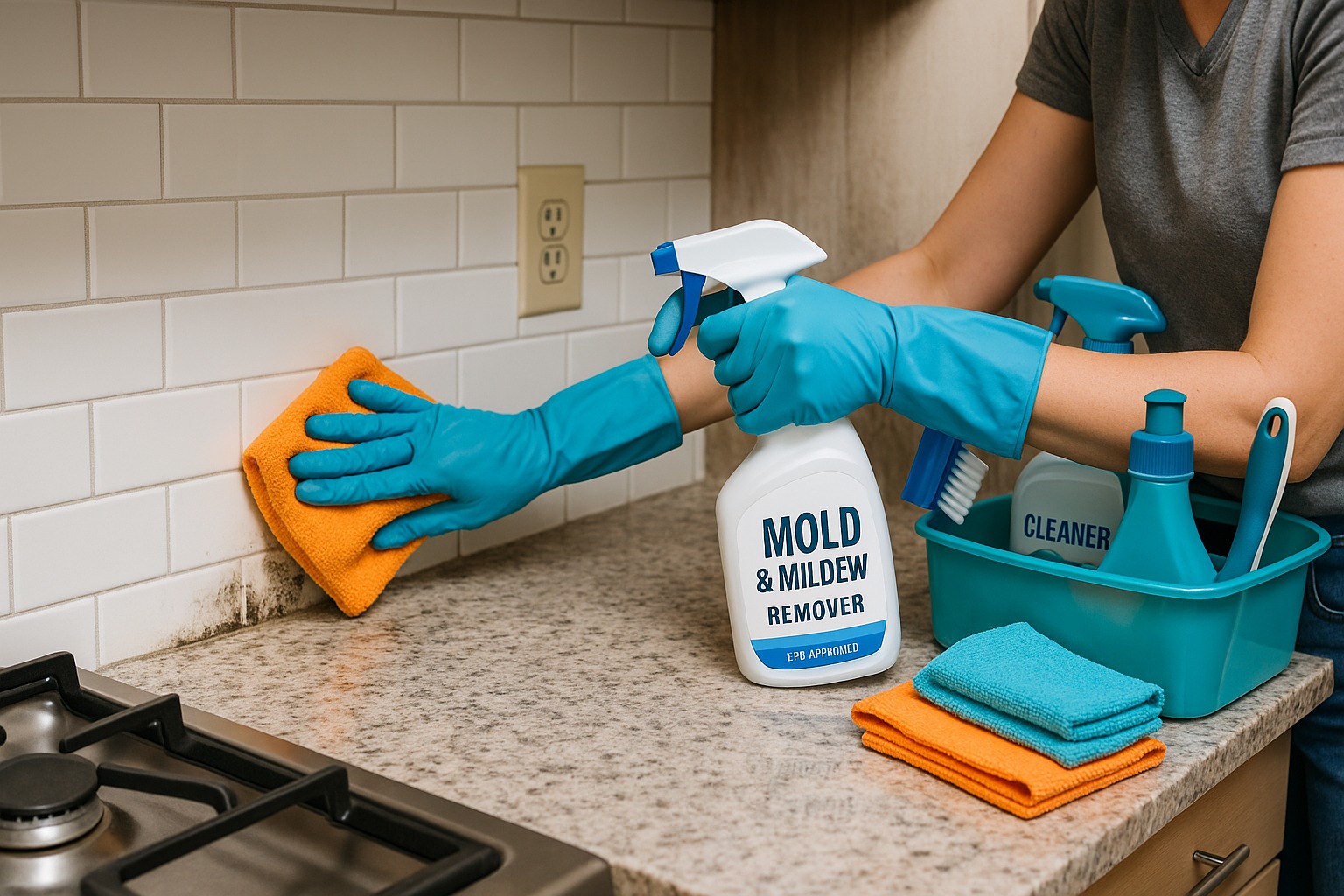
Commercial cleaners often contain strong ingredients to fight mold quickly. Use these products as directed on the label. They help remove mold stains and odors.
Look for mold and mildew removers that are safe for wood and laminate surfaces. Some products have antimicrobial properties to stop mold return.
- Spray mold remover on cabinets and wait 5 to 10 minutes.
- Scrub the area with a soft brush or cloth.
- Rinse with water and dry the surface completely.
- Wear gloves and ventilate the room while cleaning.
Credit: gesealants.com
Maintaining Proper Ventilation
Mold grows in damp, poorly ventilated spaces. Kitchen cabinets often trap moisture. Proper ventilation helps keep cabinets dry. This stops mold from growing inside them.
Good airflow and exhaust fans reduce humidity. These two actions keep air moving and moisture low. This is important for preventing mold in kitchen cabinets.
Improving Airflow
Airflow moves moist air out and fresh air in. Keep cabinet doors open sometimes. This lets air circulate inside the cabinets.
Do not block vents or air gaps near cabinets. Use fans or open windows to let fresh air enter the kitchen. This helps air flow freely.
- Open cabinet doors occasionally
- Keep vents near cabinets clear
- Use fans or open windows to bring fresh air
Using Exhaust Fans
Exhaust fans remove humid air from the kitchen. Turn them on while cooking or washing dishes. This lowers moisture in the air around cabinets.
Choose a fan with enough power for your kitchen size. Regularly clean the fan to keep it working well. This keeps air dry and stops mold growth.
- Use exhaust fans during cooking and cleaning
- Pick fans suitable for your kitchen size
- Clean fans regularly to maintain airflow
Moisture Control Techniques
Mold grows fast in wet and damp places. Kitchen cabinets can hold moisture and cause mold.
Controlling moisture stops mold from growing in your kitchen cabinets. Use these techniques to keep cabinets dry.
Dehumidifiers
Dehumidifiers remove extra moisture from the air. This helps keep kitchen cabinets dry and mold-free.
Place a dehumidifier near your kitchen or inside large cabinets. It lowers humidity and stops mold growth.
- Choose a small, quiet dehumidifier for kitchen spaces.
- Empty the water container regularly to keep it working well.
- Run the dehumidifier during cooking or after washing dishes.
- Check humidity levels; aim for below 50% to prevent mold.
Proper Sealing
Sealing cabinets stops moisture from getting inside. It also blocks mold spores from entering.
Check cabinet edges and corners for cracks. Use sealant or weatherstripping to close gaps and leaks.
- Seal around pipes and sinks where water leaks can happen.
- Use silicone caulk for water-resistant sealing.
- Replace damaged cabinet linings to keep moisture out.
- Keep cabinet doors closed to reduce humidity inside.
Regular Inspection Tips
Keeping mold out of kitchen cabinets starts with regular checks. Mold grows in damp places. Checking often helps catch problems early.
Look inside and under cabinets for signs of moisture or mold. Early action stops mold from spreading.
Routine Check-ups
Check your cabinets every few weeks. Open doors and drawers to inspect all areas. Look for dark spots or musty smells.
Use a flashlight to see inside corners and under shelves. Pay attention to any peeling paint or warped wood. These signs may mean mold is growing.
- Inspect cabinet corners and edges
- Smell for any damp or moldy odors
- Look under sinks and behind appliances
- Check for peeling paint or wood damage
Addressing Leaks
Leaks cause moisture that leads to mold. Look under sinks and around pipes for water drips or puddles. Fix leaks quickly to stop mold growth.
If you find a leak, dry the area well. Use a cloth or fan to remove moisture. Repair pipes or seals to prevent more water damage.
- Check under sinks regularly for leaks
- Dry any wet areas immediately
- Seal or replace faulty pipes or fittings
- Use a moisture meter to detect hidden dampness
Storage Solutions To Prevent Mold
Mold grows in damp and dark places, like kitchen cabinets. Proper storage helps keep cabinets dry and clean.
Using the right storage methods stops moisture buildup and air traps. This lowers the chance of mold forming.
Organizing Cabinets
Keep kitchen cabinets neat to improve air flow. Avoid overcrowding items inside the cabinets.
Use clear containers to store food and kitchen tools. This keeps moisture away from cabinet surfaces.
- Store dry goods in airtight containers
- Leave space between items for air circulation
- Regularly remove expired or unused items
- Use shelf liners that resist moisture
Using Mold-resistant Materials
Choose materials that do not absorb water for your cabinets. Mold finds it hard to grow on these surfaces.
Use mold-resistant paint or sealants inside the cabinets. These products create a barrier against moisture.
- Install cabinets made from metal or plastic
- Apply mold-resistant paint or varnish
- Use moisture-proof shelf liners
- Replace damaged wood with treated or sealed wood
Credit: www.bustmold.com
When To Seek Professional Help
Mold in kitchen cabinets can cause health problems and damage your home. Some mold issues need experts to fix them safely and fully.
Knowing when to call a professional helps protect your family and your property from mold harm.
Severe Mold Infestations
Severe mold infestations spread widely inside cabinets and walls. They can be hard to remove with simple cleaning.
If you see large mold patches or smell a strong musty odor, it may be a severe problem. Mold that returns after cleaning also signals a bigger issue.
- Mold covers large cabinet areas
- Strong, persistent mold smell
- Mold returns quickly after cleaning
- Visible mold inside wall spaces
Professional Mold Remediation
Professional mold remediation uses special tools and chemicals to remove mold safely. Experts find hidden mold and stop it from spreading.
They also fix moisture problems that cause mold growth. This helps keep your kitchen cabinets mold-free for a long time.
- Inspect hard-to-see mold areas
- Use safe removal methods
- Apply mold-resistant treatments
- Repair leaks or moisture issues
- Offer advice to prevent future mold
Credit: www.bustmold.com
Frequently Asked Questions
How Can I Keep Kitchen Cabinets Mold-free?
Keep cabinets dry and well-ventilated. Fix leaks promptly. Use moisture absorbers and clean regularly to prevent mold growth.
What Causes Mold Growth In Kitchen Cabinets?
Mold grows due to moisture, poor ventilation, and food residue. Leaks and high humidity levels create ideal conditions for mold.
Which Cleaning Products Prevent Mold In Cabinets?
Use vinegar, baking soda, or commercial mold cleaners. These products kill mold spores and inhibit future growth effectively.
How Often Should I Inspect Kitchen Cabinets For Mold?
Inspect cabinets monthly, especially under sinks and near plumbing. Early detection helps prevent extensive mold damage and health risks.
Conclusion
Preventing mold in kitchen cabinets keeps your home safe and fresh. Clean spills quickly and keep cabinets dry. Use good ventilation to lower moisture levels. Check cabinets often for early signs of mold. Simple steps make a big difference over time.
Stay consistent with cleaning and airing out your kitchen. Healthy cabinets mean a healthier home for your family. Mold prevention is easy when you act early. Keep your kitchen a clean, comfortable place to cook.