
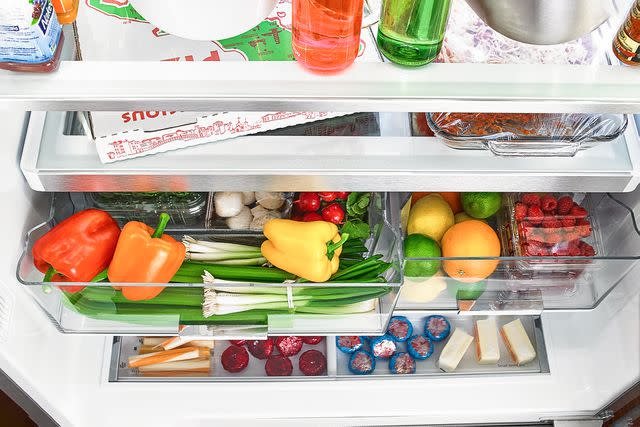
Mold growing in your fridge drawers is not just unpleasant—it can spoil your food and harm your health. You might think it’s impossible to keep your fridge completely mold-free, but with the right steps, you can stop mold before it starts.
Imagine opening your fridge and seeing fresh, clean drawers every time. You’ll discover simple, practical tips to prevent mold from ruining your food and your peace of mind. Keep reading to protect your fridge and enjoy fresher, safer meals.

Credit: dwellect.com
Identify Mold-prone Areas
Mold can grow in many parts of your fridge. It likes damp and dark places.
Knowing where mold usually appears helps you keep your fridge clean. This stops mold from spreading.
Common Locations In Fridge
Mold often grows where moisture collects. These spots include shelves, door seals, and drawers.
- Shelves with spills or leftover food
- Rubber door seals that trap moisture
- Vegetable and fruit drawers
- Areas under the crisper drawers
These areas stay wet longer, making mold growth easier.
Why Drawers Are Vulnerable
Fridge drawers hold fruits and vegetables. They keep moisture inside to keep food fresh.
This trapped moisture creates a perfect home for mold. Poor airflow and spills make it worse.
- Drawers often have damp surfaces
- Food leftovers increase mold risk
- Drawers close tightly, reducing airflow
- Condensation collects on drawer walls
Maintain Proper Temperature
Keeping your fridge at the right temperature helps stop mold growth in drawers. Cold air slows down mold and keeps food fresh.
Checking and adjusting your fridge temperature is easy. It protects your food and saves you from cleaning mold later.
Ideal Fridge Settings
The best fridge temperature is between 35°F and 38°F (1.7°C to 3.3°C). This range keeps food safe and mold-free.
Drawers should stay cool but not freeze. Freezing can damage food texture and cause moisture to build up.
- Set fridge temperature to 35°F–38°F (1.7°C–3.3°C)
- Keep drawers above freezing point
- Use a fridge thermometer for accuracy
- Adjust settings if food freezes or spoils
Effects Of Temperature Fluctuations
Temperature changes cause moisture to form inside the fridge. Moisture creates a perfect place for mold to grow.
Opening the fridge often or setting the temperature too high lets warm air enter. This raises humidity and helps mold develop.
- Warm air increases moisture inside drawers
- High humidity speeds up mold growth
- Frequent temperature changes spoil food faster
- Keep fridge door closed to keep temperature steady
Ensure Adequate Air Circulation
Keeping your fridge drawers dry and fresh helps stop mold growth. Good air circulation is key to this process.
When air moves well inside the fridge, moisture does not build up. This lowers the chance of mold in the drawers.
Importance Of Ventilation
Ventilation prevents damp air from staying inside fridge drawers. This reduces mold spores from growing.
A fridge with poor ventilation traps moisture. This creates a perfect place for mold to form quickly.
Tips For Improved Airflow
Keep fridge drawers clean and dry before closing them. This helps air flow better inside.
- Do not overfill drawers; leave space for air to move.
- Use drawer liners that allow air to pass through.
- Regularly check and clean fridge vents and fans.
- Open fridge doors briefly to let fresh air in.
Regular Cleaning Routine
Mold grows easily in fridge drawers because of moisture and food residue. Keeping drawers clean stops mold from forming.
Regular cleaning removes dirt and moisture. This keeps your fridge fresh and safe for food storage.
Recommended Cleaning Products
Use mild cleaners that remove grime without harming surfaces. Avoid strong chemicals that can leave smells.
- Warm water with mild dish soap
- White vinegar for natural disinfecting
- Baking soda paste for stains and odors
- Soft sponges or cloths to avoid scratches
These products clean well and keep drawers safe for food storage. They help prevent mold growth effectively.
Step-by-step Cleaning Guide
Follow these steps to clean your fridge drawers properly. Do this every two weeks or when spills happen.
- Remove all food from the drawers
- Take out drawers carefully from the fridge
- Wash drawers with warm soapy water using a soft cloth
- Rinse thoroughly to remove soap residue
- Spray or wipe white vinegar inside drawers for disinfecting
- Use baking soda paste on stains and scrub gently
- Dry drawers completely with a clean towel
- Put drawers back in the fridge only after they are dry
Drying is important to stop moisture buildup. Clean drawers keep your fridge fresh and mold-free.
Use Moisture Absorbers
Mold grows fast in damp places like fridge drawers. Moisture absorbers help keep these areas dry. They stop mold by removing extra water.
Using moisture absorbers is an easy way to keep your fridge clean and safe for food. They work quietly and need little care.
Types Of Absorbers
There are many moisture absorbers you can use in fridge drawers. Each type works in a simple way to remove dampness.
- Silica Gel Packs:Small packets that soak up moisture quickly. They are reusable and safe.
- Baking Soda:A natural absorber that also removes odors. Place it in an open container.
- Activated Charcoal:Absorbs moisture and bad smells. It needs to be replaced every few months.
- Calcium Chloride:A powerful salt that pulls moisture from the air. It usually comes in a container with holes.
Placement Tips
Place moisture absorbers where they can work best. Proper placement helps keep the fridge drawers dry and mold-free.
- Put absorbers at the back or corners of the drawers.
- Keep absorbers away from direct contact with food.
- Replace or recharge absorbers regularly to keep them effective.
- Check drawers often for any signs of moisture or mold.
Organize Food Properly
Keeping your fridge drawers clean helps stop mold from growing. Proper food organization is key. It keeps air flowing and reduces moisture build-up.
Storing food correctly also keeps it fresh longer. You can avoid bad smells and mess. This makes your fridge a healthier place.
Best Practices For Storage
Use clear containers to store food. This helps you see what is inside without opening them. Label containers with dates to track freshness.
Keep raw meat separate from fruits and vegetables. Use sealed containers or plastic bags to prevent leaks. Store leftovers in airtight containers.
- Use airtight containers to keep moisture out
- Label food with the date it was stored
- Separate raw and cooked foods
- Place fruits and vegetables in designated drawers
Avoid Overcrowding
Do not pack the fridge drawers too full. Overcrowding blocks air flow. Poor air circulation creates wet spots where mold grows.
Leave space between items for air to move. This helps keep food dry and fresh. Check your fridge often and remove old food.
- Keep some space between stored items
- Remove expired or spoiled food quickly
- Do a regular fridge clean to avoid buildup
- Do not stack food too high in drawers
Inspect And Discard Spoiled Food
Keeping your fridge drawers clean helps stop mold from growing. Checking food often can catch spoilage early.
Throwing out bad food stops mold spores from spreading. This keeps your fridge fresh and safe.
Signs Of Spoilage
Look for food that smells bad or looks different. Mold often appears as fuzzy spots on food.
Other signs include slimy texture, discoloration, and bubbles in liquids. These mean the food is unsafe to eat.
- Foul or sour smell
- Fuzzy or powdery mold spots
- Slimy or sticky texture
- Color changes or dark spots
- Unusual bubbles or foaming
Frequency Of Inspections
Check your fridge drawers at least once a week. This helps find spoiled food before mold grows.
Also inspect food after grocery shopping. New items can bring mold if they are old or damaged.
- Weekly checks help catch early spoilage
- Inspect after adding new groceries
- Clean drawers if you find any mold

Credit: www.reddit.com
Utilize Natural Mold Inhibitors
Mold can grow quickly in fridge drawers due to moisture and food residue. Using natural mold inhibitors helps keep the drawers clean and fresh without chemicals.
Natural mold inhibitors are safe and easy to use. They stop mold spores from growing and spreading inside your fridge.
Effective Natural Options
Several natural substances work well to prevent mold in fridge drawers. These options absorb moisture or kill mold spores naturally.
- Baking soda absorbs moisture and odors that help mold grow.
- White vinegar kills mold spores and stops growth.
- Activated charcoal removes moisture and keeps air dry.
- Lemon juice has natural antibacterial properties.
- Essential oils like tea tree or eucalyptus fight mold.
Application Techniques
Use natural mold inhibitors correctly for best results. Clean the drawers before applying any treatment.
Place small containers of baking soda or charcoal in the drawers. Spray diluted vinegar or lemon juice on drawer surfaces. Add a few drops of essential oil to cotton balls and leave them inside the drawers.
- Wipe drawers with a cloth dipped in white vinegar weekly.
- Replace baking soda or charcoal every month to keep them effective.
- Keep drawers dry by removing wet items promptly.
- Use essential oils regularly to maintain a fresh smell.

Credit: www.reddit.com
Frequently Asked Questions
How Do I Keep Fridge Drawers Mold-free?
Regularly clean and dry fridge drawers to prevent mold growth. Remove spills immediately and use airtight containers for food storage. Maintain fridge temperature below 40°F (4°C) to slow mold development. Proper ventilation also helps reduce moisture buildup inside drawers.
What Causes Mold In Fridge Drawers?
Mold forms in fridge drawers due to excess moisture, food residue, and poor air circulation. Warm temperatures and organic matter create a perfect environment for mold spores to grow. Neglecting regular cleaning increases the risk of mold contamination in your fridge.
Can Vinegar Help Prevent Mold In Fridge Drawers?
Yes, vinegar is a natural mold inhibitor. Wipe drawers with a solution of equal parts vinegar and water regularly. Vinegar kills mold spores and helps maintain a clean, odor-free fridge environment. Avoid strong chemicals to keep food safe and fresh.
How Often Should I Clean Fridge Drawers?
Clean fridge drawers at least once every two weeks to prevent mold buildup. Promptly remove spoiled food and spills. Regular cleaning disrupts mold growth and keeps your fridge hygienic and odor-free.
Conclusion
Preventing mold in fridge drawers keeps food fresh and safe. Clean drawers regularly and dry them well. Store food in airtight containers to stop moisture buildup. Check for spills and wipe them quickly. Keep the fridge temperature low and steady.
These small steps help avoid mold growth. A clean fridge drawer means healthier meals every day. Simple habits make a big difference over time. Stay consistent and enjoy a mold-free fridge.