
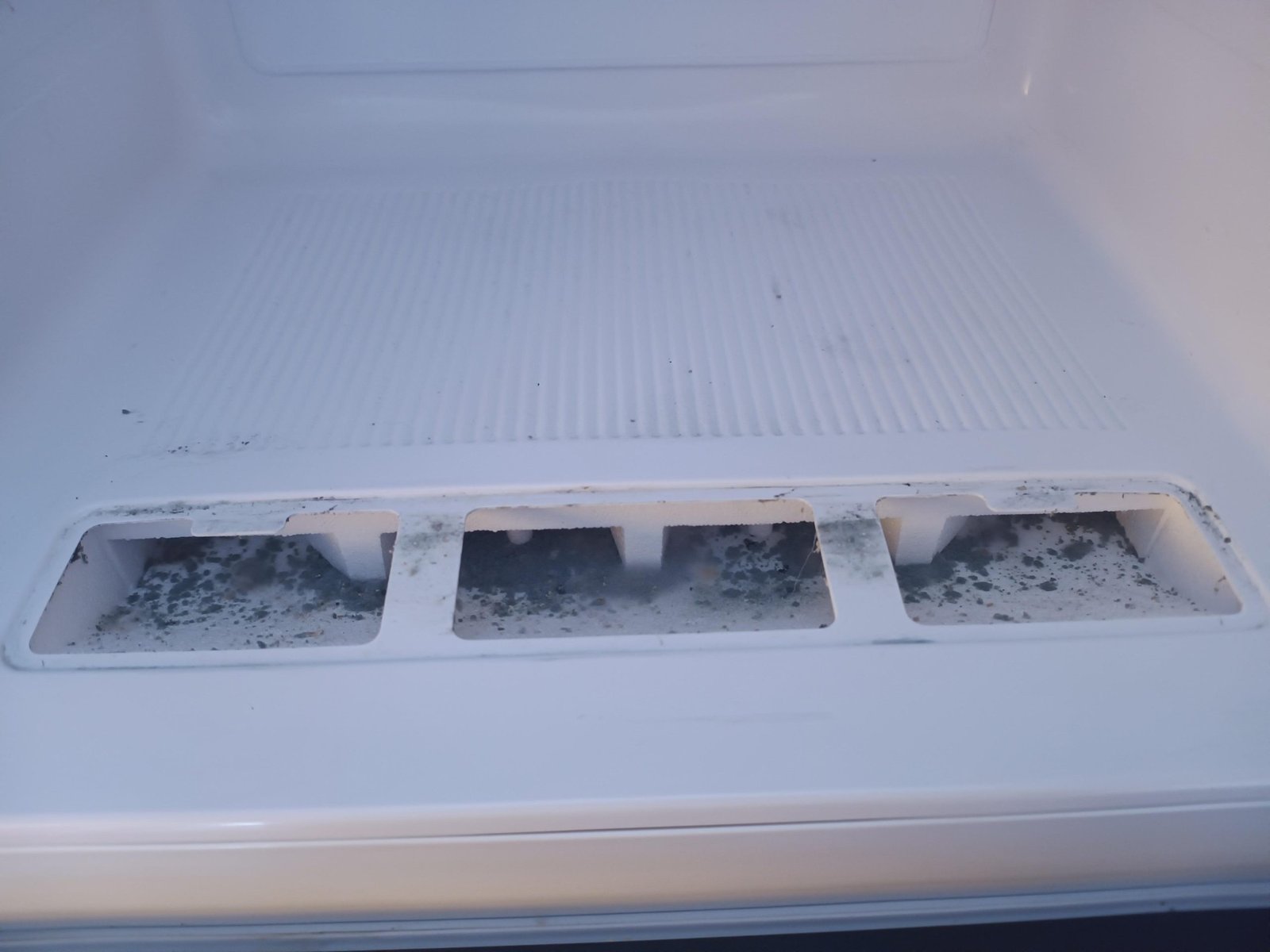
Mold in your fridge compartments can turn fresh food into a health hazard and create a foul smell that’s hard to ignore. You might think it’s just a minor annoyance, but mold can spread quickly, damaging your fridge and putting your family’s health at risk.
The good news? You don’t have to deal with this problem. By taking a few simple steps, you can keep your fridge clean and mold-free. Keep reading to discover easy and effective ways to prevent mold in your fridge compartments and protect your food and loved ones.
Causes Of Mold In Fridges
Mold in fridge compartments is a common issue. It can spoil food and create health risks. Understanding the causes helps in preventing mold growth.
Several factors contribute to mold in fridges. Let’s look at moisture, food spoilage, and air circulation.
Moisture And Humidity
Moisture is a key factor in mold growth. High humidity levels inside the fridge can lead to condensation.
Condensation provides a perfect environment for mold. Regularly check and adjust fridge settings to control humidity.
- Keep fridge doors closed tightly
- Use airtight containers for food storage
- Check the fridge seal for leaks
Food Spoilage
Spoiled food is another cause of mold. Old or expired food can grow mold quickly inside the fridge.
Regularly clean and organize your fridge. This helps in identifying and removing spoiled food items.
- Check expiration dates often
- Store food in see-through containers
- Clean spills immediately
Poor Air Circulation
Air circulation is crucial in preventing mold. Blocked vents or overcrowding the fridge can reduce airflow.
Ensure vents are clear and do not overload the fridge. Proper air circulation keeps mold growth in check.
- Arrange food to allow airflow
- Avoid overfilling the fridge
- Clean vents regularly
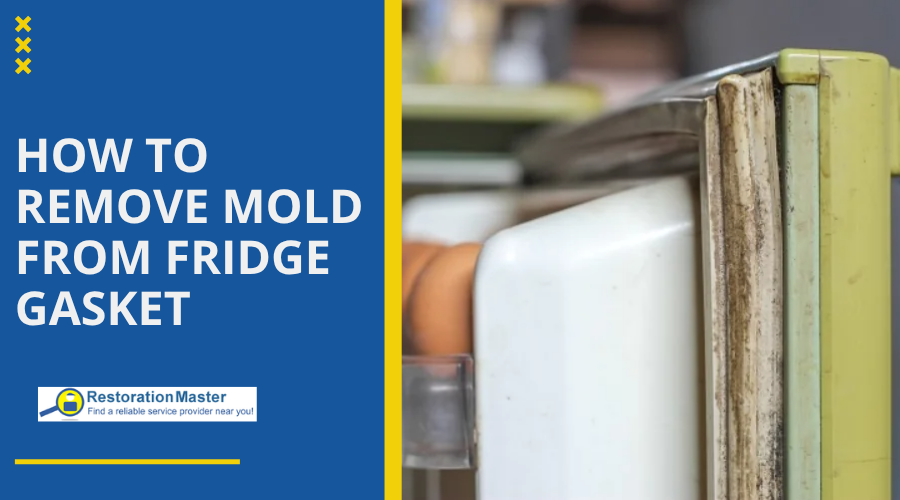
Credit: restorationmasterfinder.com
Cleaning Techniques
Keeping your fridge clean stops mold from growing. Mold forms in damp, dark places like fridge compartments.
Regular cleaning removes food spills and moisture. This keeps your fridge safe and fresh.
Using Natural Cleaners
Natural cleaners are safe and easy to use in your fridge. They help remove dirt and prevent mold.
Vinegar and baking soda are common natural cleaners. They clean without harsh chemicals.
- Mix equal parts water and white vinegar in a spray bottle.
- Sprinkle baking soda on a damp cloth for scrubbing.
- Wipe surfaces with the vinegar solution, then use baking soda to clean tough spots.
Disinfecting Surfaces
Disinfecting kills mold spores and bacteria in the fridge. Use safe disinfectants after cleaning.
Use a mild bleach solution or alcohol to disinfect. Make sure to rinse and dry the surfaces well.
- Mix 1 tablespoon of bleach with 1 cup of water.
- Apply the solution with a cloth or spray bottle.
- Let it sit for 5 minutes before wiping clean.
- Dry all surfaces to stop mold from returning.
Removing Mold Spots
Small mold spots can be removed with a scrub. Use gloves and a mask to protect yourself.
Use a brush or cloth with vinegar or baking soda. Scrub the spots until they disappear, then clean again.
- Wear gloves and a mask for safety.
- Spray vinegar on mold spots and wait 10 minutes.
- Scrub gently with a brush or cloth.
- Wipe the area with a clean, damp cloth.
- Dry the spot completely to prevent mold return.
Storage Tips To Avoid Mold
Mold grows easily in fridge compartments if food is not stored properly. Keeping your fridge clean and organized helps prevent mold growth.
Using the right storage methods keeps food fresh longer and stops mold from spreading. Follow these tips to reduce mold in your fridge.
Proper Food Packaging
Always wrap or cover food tightly before placing it in the fridge. This stops moisture and air from causing mold to grow.
Use airtight containers, plastic wrap, or resealable bags for leftovers and fresh items. Avoid storing food in open containers.
- Use containers with tight lids
- Cover fruits and vegetables well
- Wrap cheese and deli meats securely
- Seal liquids in spill-proof bottles
Organizing Compartments
Keep foods separated by type and use different compartments for each group. This prevents mold from spreading between foods.
Store raw meat on the bottom shelf to stop drips onto other foods. Keep fruits and vegetables in their drawers to keep them fresh.
- Place raw meats at the bottom
- Use drawers for fruits and vegetables
- Keep dairy products on middle shelves
- Store leftovers in the front to use first
Regularly Checking Expiry Dates
Check food labels often and remove expired items quickly. Old food can grow mold and spread it to other items.
Use a fridge calendar or reminder to track when food will expire. Throw away any food that looks or smells bad.
- Check expiration dates weekly
- Remove moldy or spoiled food immediately
- Use older items before newer ones
- Keep a list of stored foods and dates

Credit: www.reddit.com
Maintaining Optimal Fridge Conditions
Keeping your fridge clean and fresh stops mold from growing inside. Mold can spoil food and cause bad smells.
Good fridge conditions make food last longer and keep your kitchen healthy. Focus on three key areas to prevent mold.
Controlling Temperature
Keep your fridge temperature between 35°F and 38°F (1.5°C to 3.5°C). This range slows mold growth and keeps food fresh.
Check the temperature regularly with a fridge thermometer. Avoid setting it too cold or too warm.
- Too warm: mold grows faster
- Too cold: food may freeze and spoil
- Ideal range: 35°F to 38°F (1.5°C to 3.5°C)
Reducing Humidity Levels
High humidity inside the fridge helps mold grow. Use airtight containers to keep moisture out of food.
Wipe spills quickly and dry wet surfaces to reduce moisture. Avoid keeping wet fruits and vegetables in the fridge.
- Store food in sealed containers
- Clean spills immediately
- Dry fridge shelves regularly
- Avoid placing wet items inside
Ensuring Adequate Ventilation
Good air flow inside the fridge prevents mold by reducing damp spots. Do not overcrowd the fridge with food.
Keep vents clear and clean. Organize items so air can move freely around them.
- Leave space between items
- Keep fridge vents unblocked
- Clean air vents regularly
- Arrange food to allow air circulation
Preventive Habits
Mold can grow quickly in fridge compartments if not cared for. It causes bad smells and can spoil food.
Following good habits helps keep your fridge clean and safe. These habits stop mold from forming.
Routine Cleaning Schedule
Clean your fridge compartments regularly to prevent mold growth. Wipe spills immediately to avoid moisture.
Use mild soap and warm water to clean shelves and drawers. Dry surfaces well before placing items back.
- Clean fridge every 1-2 weeks
- Remove all items before cleaning
- Check for old or spoiled food
- Dry all surfaces thoroughly
Promptly Storing Leftovers
Store leftovers quickly to reduce mold risk. Use clean, airtight containers to keep food fresh.
Label containers with dates to track freshness. Eat leftovers within a few days to avoid spoilage.
- Use airtight containers
- Label with date stored
- Cool food before storing
- Eat leftovers within 3-4 days
Avoiding Overcrowding
Do not overcrowd fridge compartments. Air needs to circulate to keep food dry and cold.
Organize items neatly. Leave space between containers to help air flow and prevent moisture buildup.
- Keep space between items
- Store food in small batches
- Remove expired or unused food
- Use fridge shelves wisely

Credit: www.reddit.com
Frequently Asked Questions
How Can I Stop Mold Growth In Fridge Compartments?
To stop mold growth, clean your fridge regularly with mild detergent. Keep food sealed and avoid spills. Maintain fridge temperature below 40°F (4°C) to inhibit mold. Remove expired food promptly and allow air circulation inside compartments.
What Cleaning Products Prevent Fridge Mold Effectively?
Use a mixture of water and white vinegar or baking soda to clean fridge compartments. These natural cleaners kill mold spores and eliminate odors. Avoid harsh chemicals that can damage surfaces or leave harmful residues.
How Often Should I Clean My Fridge To Avoid Mold?
Clean your fridge thoroughly every 1 to 3 months. Wipe spills immediately to prevent moisture buildup. Regular cleaning reduces mold risk and keeps your fridge fresh and safe.
Does Fridge Temperature Affect Mold Growth?
Yes, mold thrives in temperatures above 40°F (4°C). Keep your fridge below this temperature to slow mold development. Use a fridge thermometer to monitor and maintain proper cold settings.
Conclusion
Preventing mold in fridge compartments keeps food fresh and safe. Clean spills quickly to stop mold growth. Use airtight containers to reduce moisture inside. Check and remove old or spoiled food regularly. Keep the fridge temperature below 40°F (4°C). Air circulation matters; avoid overpacking the fridge.
Small efforts daily help maintain a clean fridge. A mold-free fridge means healthier meals for you. Simple habits protect your food and save money. Start these steps today for a fresher fridge tomorrow.