
Your cutting board is one of the most used tools in your kitchen, but it can also be a hidden hotspot for mold and bacteria. If you don’t take the right steps, these harmful germs can grow quickly and affect your health.
Imagine preparing a meal with confidence, knowing your cutting board is clean and safe every time. You’ll discover simple and effective ways to keep mold and bacteria off your cutting boards, protecting your food and your family. Ready to learn how to make your kitchen safer?
Keep reading!

Credit: ziruma.com
Choosing The Right Material
Cutting boards can hold mold and bacteria if not chosen carefully. The right material helps keep your kitchen safe and clean.
Some materials stop bacteria better than others. This guide explains which ones work best.
Wood Vs. Plastic
Wood cutting boards are strong and last a long time. They can absorb water, which might hold bacteria if not dried well.
Plastic boards are easy to clean and do not soak up water. They can get deep cuts, where bacteria hide.
- Wood is natural and can heal small cuts over time
- Plastic is dishwasher safe and quick to clean
- Both need regular cleaning to stop bacteria growth
Benefits Of Bamboo
Bamboo boards are strong and less porous than wood. They resist water and bacteria better than some woods.
Bamboo is also eco-friendly and grows fast. It makes a good choice for a cutting board that stays cleaner.
- Harder than most woods, so it lasts longer
- Natural antibacterial properties help reduce germs
- Requires oiling to keep surface smooth and safe
Glass And Other Alternatives
Glass boards do not absorb water and are easy to clean. They do not hold bacteria but can damage knives.
Other materials like silicone or composite boards can also resist bacteria. They are easy to clean and gentle on knives.
- Glass is non-porous but can cause knife dulling
- Silicone boards are flexible and dishwasher safe
- Composite boards mix materials for durability and hygiene
Proper Cleaning Techniques
Cutting boards can hold mold and bacteria if not cleaned well. Proper cleaning keeps them safe and fresh.
Using the right cleaning methods helps stop germs from growing on your boards.
Daily Cleaning Routine
Wash your cutting board after every use. Use hot water and soap to remove food particles.
Rinse well and dry it completely before storing. This stops mold from growing.
- Scrub board with a brush or sponge
- Use hot water and dish soap
- Rinse thoroughly to remove soap
- Dry with a clean towel or air dry
Deep Cleaning Methods
Deep clean your cutting boards once a week. This removes hidden bacteria and mold.
Use a bleach solution or vinegar soak to disinfect the surface. Rinse well afterward.
- Mix one tablespoon of bleach in one gallon of water
- Soak or wipe the board with the solution for a few minutes
- Rinse thoroughly with water
- Let it dry completely in the sun if possible
Using Natural Cleaners
Natural cleaners work well to kill germs without chemicals. They are safe and easy to use.
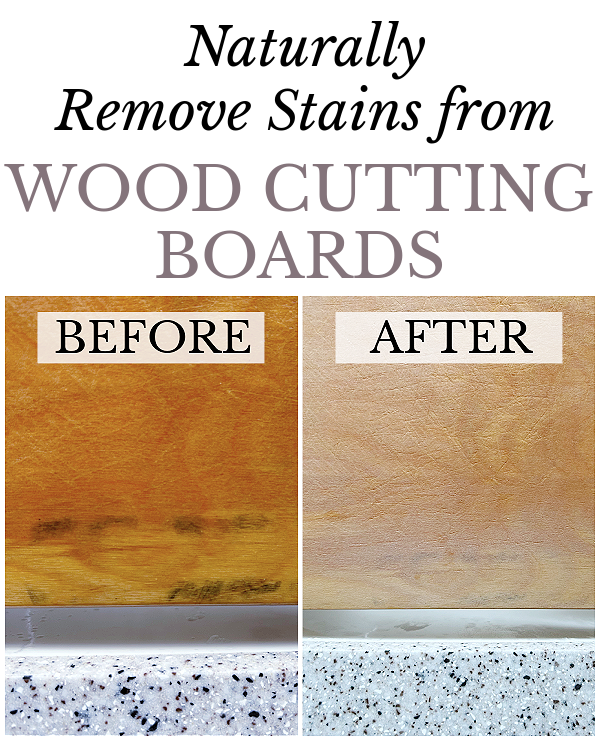
Lemon juice and baking soda help remove stains and odors. Vinegar kills many bacteria too.
- Rub lemon juice on the board, then rinse
- Sprinkle baking soda, scrub, and rinse
- Spray or wipe with white vinegar, then dry
Effective Drying Practices
Keeping cutting boards dry is key to stopping mold and bacteria. Wet boards hold germs that can make food unsafe.
Drying cutting boards well after washing helps keep them clean and safe to use.
Air Drying Tips
Air drying cutting boards is one of the best ways to remove moisture. Let the board dry in a place with good airflow.
Stand the cutting board upright or lean it against a wall. This lets air reach both sides and speeds drying.
- Place the board where air moves freely
- Keep it standing upright or at an angle
- Avoid stacking boards while drying
- Use a drying rack if possible
Avoiding Moisture Retention
Do not leave cutting boards wet or in damp places. Moisture trapped in cracks helps mold grow fast.
Wipe boards dry with a clean towel before air drying. This removes extra water and lowers drying time.
- Dry the board immediately after washing
- Store boards in a dry, well-ventilated area
- Do not cover boards with cloths or plastic while wet
- Check boards often for signs of moisture or mold
Regular Maintenance Tips
Cutting boards can grow mold and bacteria if not cared for properly. Regular cleaning and upkeep keep them safe for food use.
Simple maintenance steps help stop germs from growing on your cutting boards. This makes your kitchen healthier.
Sanding And Oiling Wood
Wood cutting boards get scratches and cuts over time. These small cracks hold moisture and germs.
Sanding smooths the surface and removes damaged wood. After sanding, apply food-safe oil to protect the board.
- Use fine-grit sandpaper to sand the board evenly.
- Clean the dust off before oiling.
- Apply mineral oil or cutting board oil with a cloth.
- Let the oil soak in for a few hours or overnight.
- Wipe off extra oil to avoid sticky spots.
Replacing Worn-out Boards
Old cutting boards with deep grooves are hard to clean. Bacteria hide in these worn spots.
Replace boards that are cracked, warped, or deeply scored. New boards reduce the risk of mold and bacteria.
- Inspect boards regularly for damage.
- Do not use boards with cracks or deep cuts.
- Choose durable materials for replacements.
- Keep separate boards for meat and vegetables.
Safe Storage Solutions
Keeping cutting boards clean and dry helps stop mold and bacteria. Proper storage is key to safe kitchens.
Good storage prevents moisture buildup and avoids contact with germs. This keeps boards safe for food.
Proper Positioning
Store cutting boards upright to let air flow around them. This helps them dry fast and stay fresh.
Lay boards flat only if they are fully dry. Avoid stacking wet boards on top of each other.
- Keep boards standing on edges in a rack or holder
- Use a well-ventilated area for storage
- Separate wooden and plastic boards if possible
Avoiding Contaminated Areas
Do not store cutting boards near sinks or trash bins. These places have more bacteria and moisture.
Choose clean, dry spots away from raw meat or vegetable storage. This reduces cross-contamination risks.
- Keep boards away from damp cabinets or corners
- Store boards separately from cleaning supplies
- Use dedicated shelves for food prep tools
Credit: www.lemonslavenderandlaundry.com
Signs Of Mold And Bacteria
Mold and bacteria can grow on cutting boards if not cleaned properly. They can cause food to spoil and lead to illness.
Knowing the signs helps you keep your cutting boards safe and clean for food preparation.
Detecting Mold Growth
Mold on cutting boards looks fuzzy or slimy. It can be white, green, black, or gray.
Mold often grows in cracks or grooves on wooden or plastic boards. It may smell musty or earthy.
- Look for fuzzy spots or discoloration
- Check for any odd smells
- Inspect cracks and grooves closely
- Notice any slimy or wet patches
Identifying Bacterial Contamination
Bacterial contamination may not be visible. It can cause bad odors and sticky or slimy surfaces.
Boards used for raw meat or poultry are at higher risk. Bacteria can hide in small cuts and scratches.
- Smell for sour or unpleasant odors
- Feel for slimy or sticky texture
- Note any discoloration or stains
- Watch for food tastes that seem off
Preventive Measures
Cutting boards can grow mold and bacteria if not cared for well. Taking steps to prevent this keeps food safe and your kitchen clean.
Simple habits help stop germs from building up. Use the right products and check your boards often to avoid problems.
Using Antimicrobial Products
Antimicrobial products reduce germs on cutting boards. They stop bacteria and mold from growing fast.
Choose cleaning sprays or wipes made for kitchen use. These products help keep boards safe and fresh.
- Use antimicrobial sprays after every use
- Wipe boards with special kitchen wipes
- Choose products safe for food contact surfaces
- Follow instructions on product labels carefully
Regular Inspection Schedule
Check cutting boards often for signs of damage or mold. Early spotting stops bigger problems.
Look for cracks, stains, or soft spots. These areas can hide bacteria and need extra care or replacement.
- Inspect boards before and after use
- Clean and dry boards completely each time
- Replace boards with deep cuts or mold spots
- Store boards in a dry, clean place
Credit: www.justwoodencuttingboard.com
Frequently Asked Questions
How Often Should I Clean My Cutting Board?
Clean your cutting board immediately after each use. Use hot, soapy water and scrub thoroughly. Dry completely to prevent mold and bacteria growth.
What Household Items Kill Bacteria On Cutting Boards?
White vinegar and hydrogen peroxide effectively kill bacteria. Apply, let sit for minutes, then rinse. Avoid harsh chemicals that can damage the board.
Can Cutting Boards Be Sanitized With Bleach?
Yes, dilute bleach solution (1 tablespoon bleach per gallon water) can sanitize boards. Rinse well and air dry to ensure safety.
How To Prevent Mold Growth On Wooden Cutting Boards?
Keep wooden boards dry and store upright. Oil regularly with food-safe mineral oil to seal the surface and inhibit mold growth.
Conclusion
Preventing mold and bacteria on cutting boards keeps your kitchen safe. Clean boards with hot, soapy water after each use. Dry them completely to stop moisture build-up. Use separate boards for meat and vegetables to avoid germs. Regularly oil wooden boards to keep cracks away.
Replace old, damaged boards to stay healthy. Small steps protect your food and family. Clean boards mean safer meals every time. Simple habits make a big difference in your kitchen. Keep your cutting boards fresh and safe daily.