
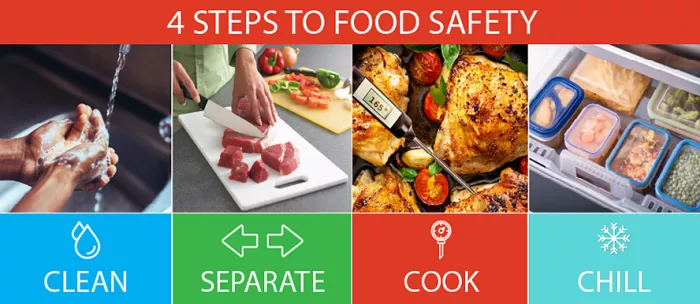
You want to enjoy your meals without worrying about getting sick. But did you know that many foodborne illnesses start right in your own kitchen?
It’s easier than you think to make simple mistakes that can put your health at risk. The good news is, with a few smart habits, you can protect yourself and your family from harmful bacteria and toxins. Keep reading to discover practical steps you can take today to keep your food safe and your home healthy.
Your well-being depends on it!

Credit: www.kidneyfund.org
Understanding Foodborne Illness
Foodborne illness happens when you eat food with harmful germs. These germs can cause sickness in your stomach and body.
Knowing how foodborne illness works helps you keep your family safe. It also helps you avoid bad food handling habits.
What Causes Foodborne Illness
Foodborne illness comes from bacteria, viruses, or parasites in food. These germs can grow on raw or cooked foods that are not stored properly.
- Bacteria like Salmonella and E. coli
- Viruses such as Norovirus
- Parasites like Giardia
- Contaminants from dirty water or surfaces
Common Symptoms Of Foodborne Illness
Symptoms usually start a few hours to days after eating bad food. They can be mild or severe depending on the germ and your health.
- Stomach pain and cramps
- Diarrhea or vomiting
- Fever and chills
- Headache and muscle aches
Who Is Most At Risk
Some people get sicker from foodborne illness than others. Their immune systems are weaker and need extra care with food.
| Group | Reason |
| Young children | Immune systems still developing |
| Older adults | Weaker immune response |
| Pregnant women | Changes in body and immunity |
| People with illnesses | Weakened defenses against infections |
How Foodborne Germs Spread
Germs spread through many ways in the kitchen and home. Knowing how helps you stop them before they make food unsafe.
- Cross-contamination from raw to cooked food
- Using dirty utensils or cutting boards
- Not washing hands before cooking or eating
- Keeping food at wrong temperatures
- Eating food past its expiration date
Common Sources Of Contamination
Foodborne illness often starts with contaminated food. Knowing where contamination happens helps keep food safe.
Contamination can come from many places in your home. Learning about these sources helps prevent sickness.
Raw Meat And Poultry
Raw meat and poultry can carry harmful bacteria like Salmonella and E. coli. These germs spread if you touch other foods or surfaces after handling raw meat.
Unwashed Fruits And Vegetables
Fruits and vegetables can have dirt, pesticides, or bacteria on their surface. Washing them well before eating or cooking is important to reduce risk.
Cross-contamination In The Kitchen
Cross-contamination happens when germs spread from one food or surface to another. This often occurs with cutting boards, knives, or hands that touch raw and cooked foods without cleaning.
- Use separate cutting boards for meat and vegetables
- Wash hands thoroughly after handling raw food
- Clean kitchen tools and surfaces often
Improper Food Storage
Storing food at wrong temperatures lets bacteria grow fast. Refrigerate perishables quickly and keep your fridge below 40°F (4°C).
| Food Type | Safe Storage Tip |
|---|---|
| Raw Meat | Keep in sealed containers on lowest shelf |
| Cooked Food | Store in shallow containers for quick cooling |
| Fruits & Vegetables | Keep dry and separate from raw meat |
Contaminated Water And Ice
Water used for washing food or making ice can carry germs. Use clean, safe water to avoid contamination.
Tip:Always use filtered or boiled water for food prep and ice cubes.
Safe Food Handling Practices
Foodborne illness can happen when food is not handled safely. Following good practices at home helps keep food safe.
Safe food handling stops harmful germs from spreading. This protects you and your family from sickness.
Washing Hands Effectively
Washing hands is the first step to prevent foodborne illness. Clean hands stop germs from spreading to food.
Use soap and warm water. Scrub all parts of your hands for at least 20 seconds. Rinse well and dry with a clean towel.
- Wash hands before cooking or eating
- Clean hands after touching raw meat or eggs
- Wash hands after using the bathroom
- Use a nail brush to clean under fingernails
Proper Food Storage Techniques
Store food at the right temperature to stop germs from growing. Keep cold food cold and hot food hot.
Use airtight containers to keep food fresh. Label leftovers with dates to know when to throw them out.
- Refrigerate perishable food below 40°F (4°C)
- Freeze food to keep it longer
- Keep raw meat on the bottom shelf
- Do not leave food out for more than 2 hours
Avoiding Cross-contamination
Cross-contamination happens when germs move from one food to another. This can make food unsafe to eat.
Use separate cutting boards and utensils for raw meat and ready-to-eat foods. Clean surfaces after each use.
- Wash cutting boards with hot, soapy water
- Use different knives for meat and vegetables
- Do not reuse marinades from raw meat
- Keep raw and cooked foods apart in the fridge
Cooking Food Safely
Cooking food safely helps stop germs from making you sick. It is important to cook food at the right temperature.
Using proper tools and knowing safe cooking rules keeps your meals healthy. Follow these tips to protect your family.
Using A Food Thermometer
A food thermometer checks the inside temperature of cooked food. It shows if the food is hot enough to kill germs.
Insert the thermometer into the thickest part of meat. Avoid touching bones or the pan for a correct reading.
Safe Cooking Temperatures
Different foods need different temperatures to be safe. Cooking to the right heat stops harmful bacteria from growing.
| Food | Safe Internal Temperature |
|---|---|
| Chicken and Turkey (whole or ground) | 165°F (74°C) |
| Beef, Pork, Lamb (steaks, chops, roasts) | 145°F (63°C) |
| Ground Meat (beef, pork, lamb) | 160°F (71°C) |
| Fish and Shellfish | 145°F (63°C) |
| Egg Dishes | 160°F (71°C) |
Reheating And Cooling Guidelines
Reheat leftovers until they are steaming hot. This means the food reaches at least 165°F (74°C).
Cool cooked food quickly to keep it safe. Store food in small containers and refrigerate within two hours.
- Do not leave food out longer than 2 hours
- Use shallow containers for faster cooling
- Reheat leftovers only once
- Stir food when reheating to heat evenly
Maintaining A Clean Kitchen
Keeping your kitchen clean helps stop foodborne illnesses. Bacteria grow fast on dirty surfaces and tools.
Follow simple steps to clean and organize your kitchen. This keeps your food safe for your family.
Cleaning And Sanitizing Surfaces
Clean all kitchen surfaces before and after cooking. Use hot soapy water to remove dirt and food bits.
- Wipe counters with a clean cloth and soap
- Sanitize cutting boards with a bleach solution
- Clean sinks and faucet handles daily
- Dry surfaces with clean towels to avoid germs
Handling Kitchen Utensils Properly
Use different utensils for raw and cooked food. This prevents cross-contamination.
| Utensil Type | Use |
|---|---|
| Knives | Separate ones for meat and vegetables |
| Cutting Boards | Use plastic for meat, wood for veggies |
| Spatulas | Clean after each use |
| Tongs | Keep separate for raw and cooked food |
Managing Kitchen Waste
Throw away food scraps quickly. Use covered bins to stop bugs and smells.
Tips for waste management:
- Empty trash daily or more often if needed
- Use liners in trash cans for easy cleaning
- Rinse containers before recycling
- Compost vegetable scraps if possible
Credit: www.manipalhospitals.com
Understanding Food Expiration Dates
Food expiration dates tell you how long food stays safe and fresh. Knowing these dates helps prevent foodborne illness at home.
Different dates mean different things. Learning what each date means keeps your food safe to eat.
Best Before Date
The best before date shows when food is at its best quality. Food may still be safe after this date but might lose flavor or texture.
Use your senses to check food after the best before date. Look for changes in smell, color, or texture.
Use By Date
The use by date is about safety. Eat or freeze food before this date to avoid illness.
Do not eat food after the use by date. It can cause food poisoning.
Sell By Date
The sell by date is for stores to manage stock. It tells them when to remove food from shelves.
You can safely eat food after the sell by date if it is stored well and looks fresh.
How To Store Food Safely
Proper storage helps keep food safe until the expiration date. Store food in the right place at the right temperature.
- Keep refrigerator below 40°F (4°C)
- Store raw meat on the bottom shelf
- Use airtight containers for leftovers
- Freeze food before the use by date
Reading Food Labels Carefully
Food labels include dates and storage instructions. Read them to know how long food lasts.
Follow the instructions to keep food safe and tasty at home.
Recognizing Symptoms Of Foodborne Illness
Foodborne illness happens when you eat contaminated food. It can cause many health problems.
Knowing the signs helps you get help early. It also stops the illness from spreading.
Nausea And Vomiting
Nausea means feeling sick to your stomach. Vomiting is when your body forces food out.
These symptoms often start a few hours after eating bad food. They help your body remove germs.
Diarrhea
Diarrhea means loose or watery stools. It can cause dehydration if it lasts too long.
Watch for frequent trips to the bathroom. This symptom can appear with stomach cramps.
Stomach Cramps And Pain
Stomach cramps feel like sharp or dull pain. They happen because your body fights infection.
These pains may come and go. They usually appear with diarrhea or nausea.
Fever And Chills
Fever means your body temperature is higher than normal. Chills make you feel cold.
These signs show your immune system is active. They often occur with other symptoms like vomiting.
Fatigue And Weakness
Feeling tired or weak is common with foodborne illness. Your body uses energy to fight infection.
Rest is important. Do not ignore ongoing tiredness, especially with other symptoms.
Credit: www.pureivcolorado.com
Emergency Measures At Home
Foodborne illness can cause serious health problems. Knowing what to do at home helps reduce risks.
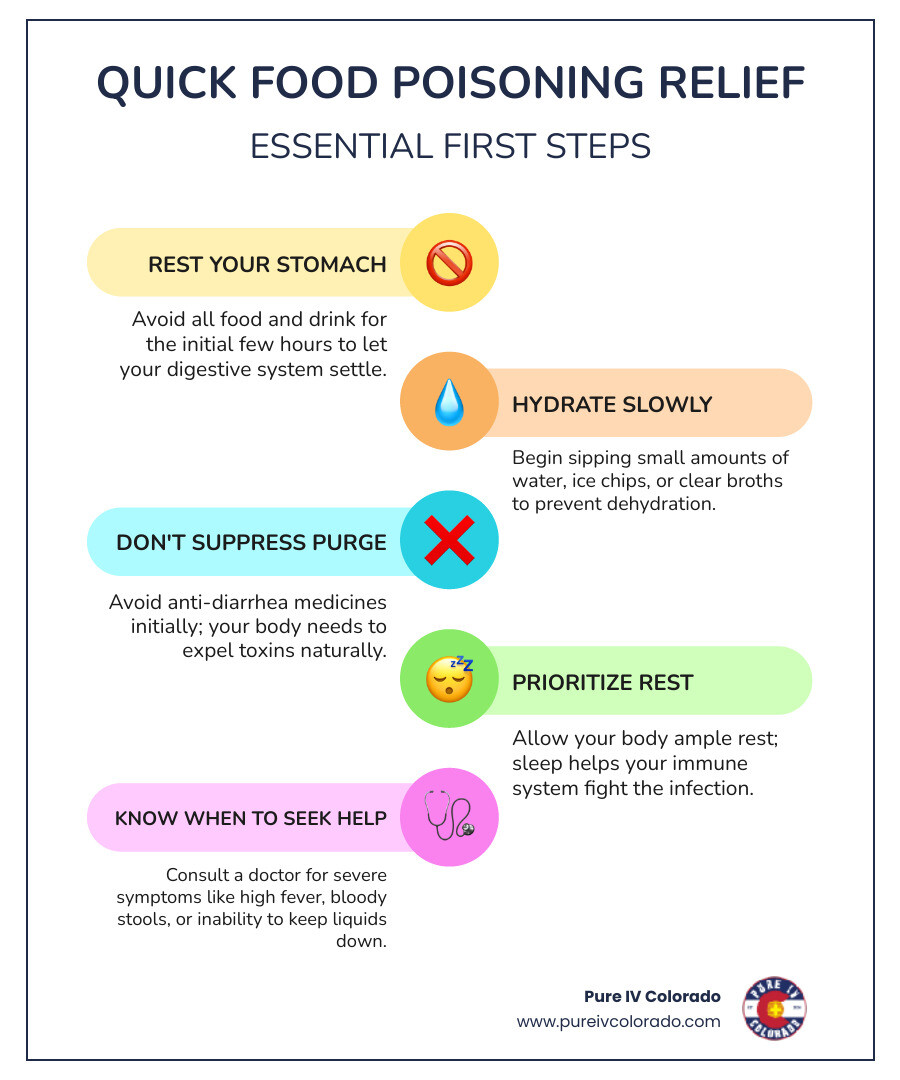
Immediate action can ease symptoms and prevent complications. Follow simple steps to manage the situation.
When To Seek Medical Help
Some symptoms need urgent medical care. Watch for signs that the illness is serious.
Call a doctor if there is bloody diarrhea, high fever, or severe dehydration. Also seek help if vomiting lasts more than two days.
- Blood in stool or vomit
- Fever above 101.5°F (38.6°C)
- Severe stomach pain
- Signs of dehydration (dry mouth, dizziness)
- Vomiting for over 48 hours
- Confusion or difficulty waking
Home Remedies And First Aid
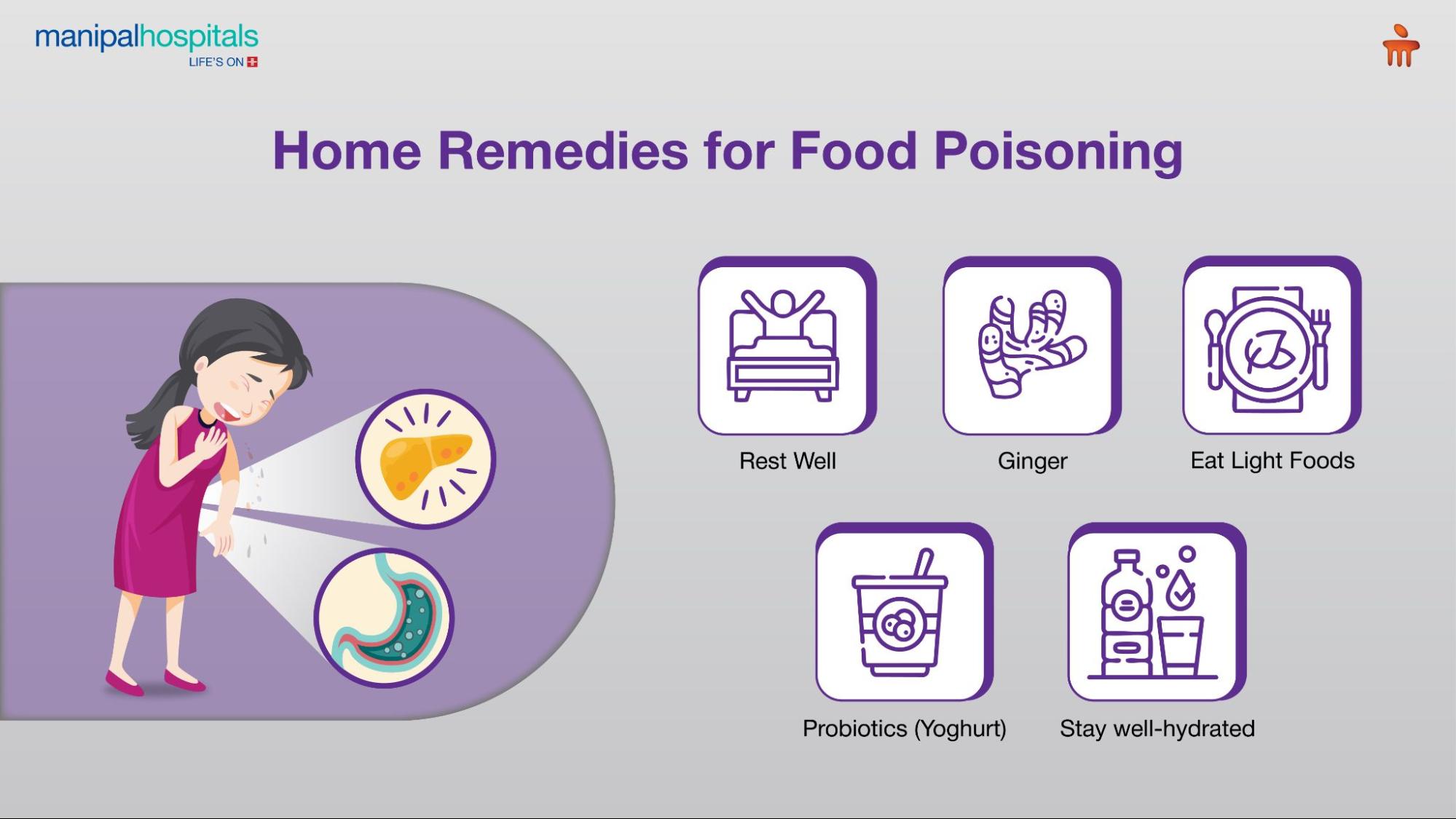
Most food poisoning cases get better with rest and care. Use home remedies to ease discomfort.
Drink plenty of fluids to stay hydrated. Eat bland foods like bananas, rice, or toast when you feel ready.
- Drink water, clear broth, or oral rehydration solutions
- Avoid caffeine, alcohol, and dairy products
- Rest until you feel stronger
- Use a cool compress for fever
- Wash hands often to prevent spreading germs
Frequently Asked Questions
How Can I Safely Store Raw Meat At Home?
Store raw meat in sealed containers on the bottom shelf of the refrigerator. This prevents juices from contaminating other foods. Keep the temperature below 40°F (4°C) to slow bacterial growth and always use within recommended storage times.
What Is The Best Way To Wash Fruits And Vegetables?
Rinse fruits and vegetables under running water before eating or cooking. Use a brush for firm produce. Avoid soap or bleach, as they can be harmful. Proper washing removes dirt and reduces harmful bacteria.
How Long Should I Cook Poultry To Prevent Illness?
Cook poultry to an internal temperature of 165°F (74°C). Use a food thermometer to check. Proper cooking kills harmful bacteria like Salmonella and Campylobacter that cause foodborne illnesses.
Can Cross-contamination Cause Foodborne Illness At Home?
Yes, cross-contamination spreads bacteria from raw to cooked foods. Use separate cutting boards and utensils for raw meat and other foods. Always wash hands and surfaces thoroughly after handling raw products.
Conclusion
Preventing foodborne illness starts with simple habits at home. Wash hands and surfaces often. Cook food to the right temperature. Store leftovers quickly and properly. Avoid cross-contamination by using separate cutting boards. Keep your kitchen clean and organized. These small steps protect your health daily.
Safe food means a healthy family. Stay mindful and enjoy your meals without worry. Safety is in your hands.