
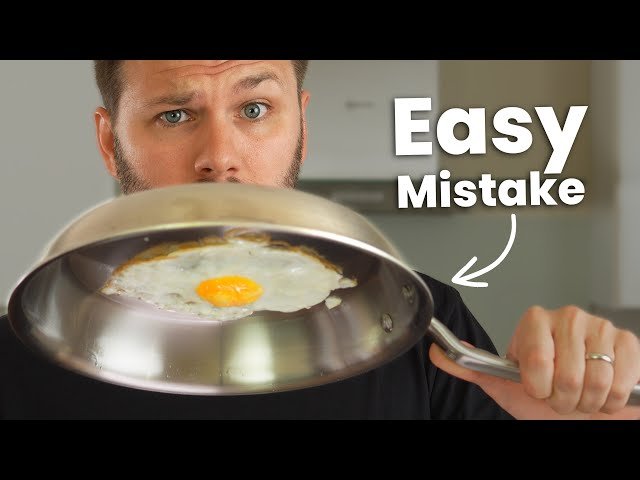
Have you ever been frustrated when food sticks to your non-stick pan, ruining your meal and making cleanup a nightmare? You’re not alone.
Even the best non-stick pans can sometimes let you down if you don’t know the right tricks. But what if you could keep your pans working like new, making cooking easier and cleanup faster? You’ll discover simple, effective tips to prevent food from sticking every time you cook.
Stick with me, and you’ll never dread cooking or scrubbing your pans again!
Choosing The Right Pan
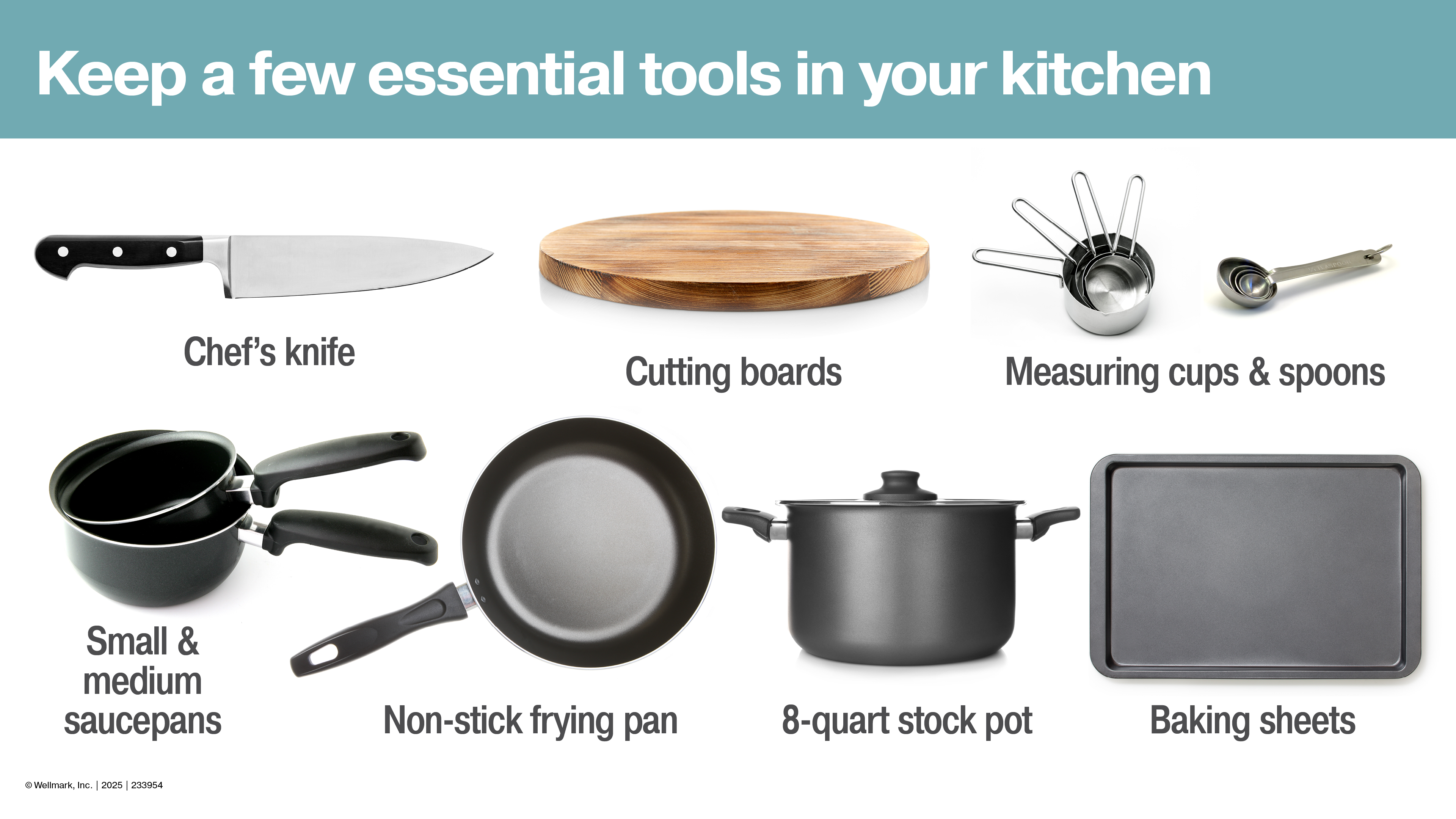
Picking the right non-stick pan helps stop food from sticking. A good pan makes cooking easier and cleanup faster.
Focus on the pan’s material and brand to find one that works best. These details affect how well the pan performs.
Material Considerations
Non-stick pans come in different materials. Some materials heat evenly and keep food from sticking better.
Look for pans with a strong non-stick coating. Ceramic and Teflon coatings are common choices.
- Aluminum pans heat fast and evenly
- Ceramic coatings are free from harmful chemicals
- Teflon coatings offer smooth non-stick surfaces
- Stainless steel pans may need more oil to prevent sticking
Quality And Brand
High-quality pans last longer and keep their non-stick surface well. Cheap pans wear out fast and cause food to stick.
Choose brands known for good craftsmanship and customer reviews. They often use better materials and coatings.
- Look for brands with good warranty and support
- Check customer feedback on durability and performance
- Quality pans may cost more but save money over time
Credit: www.wellmark.com
Proper Seasoning Techniques
Seasoning a non-stick pan helps keep food from sticking. It creates a smooth, protective layer on the surface.
Good seasoning improves the pan’s performance and extends its life. It is easy to do with the right steps.
Initial Seasoning Steps
First, clean the pan with warm water and mild soap. Dry it well with a soft cloth or paper towel.
Next, apply a thin layer of cooking oil to the entire surface. Use oils with high smoke points like vegetable or canola oil.
- Heat the pan on low to medium heat for 5 minutes.
- Let the pan cool down completely before wiping off extra oil.
- Repeat this process 2 or 3 times for better results.
Maintenance Tips
After cooking, avoid harsh scrubbing. Use a soft sponge with warm water to clean the pan.
Dry the pan immediately to stop rust and damage. Apply a light coat of oil after drying to keep the surface smooth.
- Do not use metal utensils that can scratch the coating.
- Avoid cooking sprays that can build up and reduce non-stick power.
- Season the pan again if food starts to stick.
Preheating Importance
Preheating your non-stick pan helps stop food from sticking. It makes cooking smoother and easier.
Knowing the right way to preheat keeps your pan safe and your food tasty.
Ideal Temperature Levels
Non-stick pans work best at medium heat. Too hot can damage the coating. Too low can make food stick.
- Keep the heat between 250°F and 350°F (120°C to 175°C).
- Use a thermometer or heat indicator if your pan has one.
- Avoid heating empty pans on high heat for long.
Preheating Duration
Preheat your pan for 1 to 3 minutes before cooking. This allows the surface to reach the right temperature.
| Preheat Time | Pan Size | Heat Level |
| 1 minute | Small (8 inches) | Medium |
| 2 minutes | Medium (10-12 inches) | Medium |
| 3 minutes | Large (12+ inches) | Medium |
Correct Cooking Oils
Using the right cooking oil helps prevent food from sticking to non-stick pans. Some oils work better than others at creating a smooth cooking surface.
Choosing oils with the right smoke point protects your pan and keeps food cooking evenly. Let’s look at the best oils and how to apply them correctly.
Best Oils To Use
Oils with a high smoke point are best for non-stick pans. They do not burn quickly, which keeps food from sticking and protects the pan’s surface.
Here are some good options to use:
- Avocado oil – very high smoke point and neutral taste
- Canola oil – affordable and heats well
- Grapeseed oil – light flavor with a high smoke point
- Light olive oil – better for cooking than extra virgin olive oil
- Sunflower oil – heats evenly and has a mild flavor
Oil Application Methods
Apply oil correctly to avoid sticky food. Pour a small amount in the pan and spread it evenly before heating.
Using a paper towel or brush helps create a thin, even layer. Avoid adding too much oil, which can cause food to fry unevenly or stick.
- Heat the pan on medium first
- Add a small amount of oil
- Use a paper towel or brush to spread oil thinly
- Wait a few seconds for the oil to warm before adding food
Cooking Temperature Control
Controlling the cooking temperature helps keep food from sticking to non-stick pans. Using the right heat level protects the pan’s coating and makes cooking easier.
Understanding how to manage heat and monitor temperature is key to better results and longer pan life.
Avoiding High Heat
High heat can damage the non-stick coating and cause food to stick. Use medium or low heat for most cooking tasks. This keeps the pan safe and food cooks evenly.
- Do not preheat an empty pan on high heat
- Use medium heat for frying and sautéing
- Lower the heat for simmering or cooking delicate foods
- Use a heat diffuser if your stove runs hot
Temperature Monitoring
Watch the pan and food closely while cooking. Some pans change color when they reach the right temperature. This helps avoid overheating.
| Temperature | Cooking Use |
| Low (200°F – 275°F) | Simmering, warming |
| Medium (275°F – 350°F) | Frying, sautéing |
| High (350°F and above) | Boiling, searing (not recommended for non-stick) |
Food Preparation Tips
Cooking with non-stick pans can be easy if you prepare food correctly. Small steps in food prep help stop food from sticking. Follow simple tips before you cook.
Drying ingredients and cutting them the right way make a big difference. These tips protect your pan and keep food cooking smoothly.
Drying Ingredients
Water on food can cause it to stick to the pan. Always dry vegetables, meat, or fish before cooking. Use a clean cloth or paper towel to pat them dry.
- Rinse ingredients well to remove dirt.
- Use a kitchen towel to dry completely.
- Do not add wet food directly to the pan.
- Drying helps the oil work better and stops sticking.
Proper Slicing Techniques
Cutting food evenly helps it cook at the same speed. Thick pieces take longer and can stick more. Thin, uniform slices cook better and slide off the pan easily.
| Food Type | Ideal Slice Thickness |
| Vegetables | 1/4 inch |
| Chicken | 1/2 inch |
| Fish | 1/3 inch |
Avoiding Metal Utensils
Non-stick pans can lose their coating if you use metal utensils. Scratches make food stick more easily. Using the right utensils helps keep your pans safe and clean.
Metal tools can damage the surface and reduce the pan’s life. Soft utensils protect the non-stick layer and keep your cooking smooth.
Recommended Utensil Materials
Use utensils made from soft materials to avoid scratching your pan. These materials are gentle and safe for non-stick surfaces.
- Silicone: Heat-resistant and flexible
- Wood: Gentle and sturdy
- Nylon: Durable and safe for non-stick
- Plastic: Soft but avoid high heat
Long-term Pan Care
Take good care of your pans to keep them working well. Clean them gently and store them properly.
Always let the pan cool before washing. Use soft sponges and avoid harsh scrubbers. Store pans with a cloth or paper towel inside to stop scratches.

Credit: www.reluctantgourmet.com
Cleaning And Storage
Keeping your non-stick pans clean and stored properly helps stop food from sticking. Careful cleaning and storage protect the pan’s surface.
Use the right methods and products to keep your pans in good shape for a long time.
Safe Cleaning Products
Use gentle cleaning products to avoid damaging the non-stick coating. Harsh chemicals can wear off the surface and make food stick more.
- Choose mild dish soap without bleach or ammonia
- Use soft sponges or cloths, not steel wool
- Avoid abrasive powders or cleaners
- Try natural cleaners like baking soda for tough stains
- Rinse pans well to remove soap residue
Storage Practices
Store pans carefully to keep the non-stick surface safe from scratches and dust.
| Storage Method | Benefit |
| Place soft cloth or paper towel between pans | Prevents scratches |
| Hang pans on hooks | Keeps surface clean and dry |
| Keep pans in a dry cabinet | Avoids moisture damage |
| Store lids separately | Prevents pressure on non-stick surface |

Credit: theorganicmaids.com
Frequently Asked Questions
How Do I Stop Food From Sticking In Non-stick Pans?
To prevent sticking, preheat the pan on low to medium heat. Add a small amount of oil or butter before cooking. Avoid using metal utensils that can damage the surface. Clean the pan gently and avoid overheating.
What Oils Work Best For Non-stick Pans?
Use oils with high smoke points like canola, avocado, or grapeseed oil. These oils prevent sticking and maintain the pan’s coating. Avoid butter or olive oil at high heat as they burn quickly and cause residue buildup.
Can Overheating Damage A Non-stick Pan?
Yes, overheating can degrade the non-stick coating. Keep the temperature below medium heat to maintain pan quality. High heat causes warping and reduces the lifespan of the pan’s surface, leading to food sticking.
How Should I Clean Non-stick Pans Properly?
Clean non-stick pans with warm, soapy water and a soft sponge. Avoid abrasive scrubbers or steel wool, which scratch the surface. Dry thoroughly to prevent rust and preserve the coating’s non-stick properties.
Conclusion
Preventing food from sticking keeps cooking simple and stress-free. Use the right heat and add oil before cooking. Avoid metal utensils to protect your pan’s surface. Clean your pan gently after every use. Small efforts make a big difference in cooking results.
Enjoy your meals without the hassle of stuck food. Keep your non-stick pans in good shape for longer use. Happy cooking starts with simple care and smart habits.