

Imagine serving a meal that looks delicious but hides harmful germs you can’t see. Cross-contamination is a sneaky enemy in your kitchen that can turn your healthy food into a health risk.
If you want to protect yourself, your family, and your guests from foodborne illnesses, you need to know how to stop it before it starts. You’ll discover simple, practical steps to keep your food safe and your kitchen clean. Keep reading—your health depends on it.
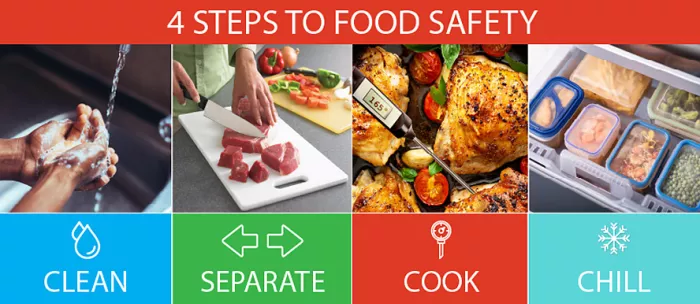
Credit: www.cspi.org
Understanding Cross-contamination
Cross-contamination happens when harmful bacteria move from one food to another. It can cause food poisoning and other health problems.
Knowing how cross-contamination occurs helps you keep food safe and avoid illness.
What Is Cross-contamination?
Cross-contamination means spreading germs between foods, surfaces, or hands. It often happens when raw foods touch cooked foods.
- Raw meat, poultry, and seafood
- Unwashed fruits and vegetables
- Dirty kitchen utensils and cutting boards
- Hands that are not washed properly
- Contaminated kitchen cloths or sponges
How Germs Spread In The Kitchen
| Source | Target | How It Happens |
|---|---|---|
| Raw chicken | Salad vegetables | Using the same cutting board without cleaning |
| Unwashed hands | Cooked food | Touching food after handling raw meat |
| Contaminated cloth | Kitchen counter | Wiping surfaces without changing or washing cloths |
Preventing Cross-contamination
Always keep raw and cooked foods separate. Clean utensils and surfaces after each use.
- Wash hands before and after handling food
- Use separate cutting boards for raw meat and vegetables
- Clean all kitchen tools with hot, soapy water
- Store raw food below cooked food in the fridge
- Replace kitchen cloths often and keep sponges clean
Credit: www.fooddocs.com
Common Sources Of Cross-contamination
Cross-contamination happens when harmful bacteria spread from one food to another. It can make food unsafe and cause illness.
Knowing where cross-contamination comes from helps to stop it. Here are common sources to watch out for.
Raw Meat And Seafood
Raw meat and seafood carry bacteria that can spread to other foods. Juices from raw items can drip on ready-to-eat foods.
Always keep raw meat separate and use different cutting boards and utensils.
Unwashed Fruits And Vegetables
Fruits and vegetables can have dirt and germs on their surfaces. If not washed well, they can transfer bacteria to other foods.
- Wash produce under running water before use
- Use a brush for firm vegetables like potatoes
- Do not use soap or bleach on food
Kitchen Surfaces And Utensils
Cutting boards, knives, and countertops can spread germs if not cleaned properly. Using the same tools for raw and cooked foods increases risk.
| Item | Cleaning Tip |
| Cutting Board | Wash with hot, soapy water after each use |
| Knife | Clean and dry immediately after cutting raw food |
| Countertop | Disinfect daily and after food prep |
Hands And Gloves
Hands can carry germs from raw food to ready meals. Gloves can also spread bacteria if not changed often.
Keep hands clean by:
- Washing with soap and water for 20 seconds
- Changing gloves between tasks
- Not touching your face or hair while preparing food
Storage Areas
Improper storage can cause cross-contamination. Raw foods stored above cooked items can drip and contaminate them.
- Store raw meat on the bottom shelf of the fridge
- Use sealed containers to prevent leaks
- Keep storage areas clean and dry
Proper Handwashing Techniques
Handwashing is one of the best ways to stop germs from spreading. It helps keep food safe and prevents cross-contamination.
Using the right handwashing steps removes dirt and bacteria that can cause illness.
Use Warm Water And Soap
Start by wetting your hands with warm water. Warm water helps soap work better to break down germs.
Apply enough soap to cover all hand surfaces. Soap lifts dirt and germs off your skin.
Scrub All Parts Of Your Hands
Rub your hands together well. Scrub the backs, between fingers, and under nails.
- Palms and backs of hands
- Between fingers
- Under fingernails
- Thumbs
- Wrists
Wash For At Least 20 Seconds
Keep scrubbing your hands for 20 seconds or more. This time removes most germs.
You can sing “Happy Birthday” twice to time it. Do not rush this step.
Rinse And Dry Hands Properly
Rinse your hands well under clean, running water. Soap and germs wash away with water.
Dry your hands with a clean towel or air dryer. Wet hands spread germs more easily.
Avoid Touching Contaminated Surfaces
Use a towel to turn off the faucet after washing. This keeps your hands clean.
Try not to touch door handles or dirty surfaces before handling food.
Safe Food Storage Practices
Storing food safely helps stop germs from spreading. It keeps food fresh and safe to eat.
Using the right storage methods lowers the risk of cross-contamination in your kitchen.
Separate Raw And Cooked Foods
Keep raw meat, poultry, and seafood away from cooked foods. This prevents harmful bacteria from spreading.
Store raw foods on lower shelves in the fridge. Cooked foods go on higher shelves to avoid drips.
Use Airtight Containers
Put food in sealed containers to stop contact with other foods. This protects flavor and stops contamination.
Airtight containers also help keep pests and dirt away from your food.
Label And Date Your Food
Mark containers with the date you stored the food. This helps you use food before it spoils.
Labeling also prevents confusion between similar foods, reducing mistakes.
Keep The Fridge At The Right Temperature
Set your refrigerator to 40°F (4°C) or below. This slows bacterial growth in perishable foods.
Use a thermometer to check the fridge temperature regularly for safety.
Store Foods In Small Portions
Divide large amounts of food into smaller containers. This helps food cool faster and keeps it fresh.
Smaller portions also reduce the risk of contamination during handling.
Keep Dry Goods In Cool, Dry Places
Store dry foods like grains and spices away from heat and moisture. This prevents mold and pests.
- Use airtight jars or containers
- Keep pantry shelves clean and dry
- Check expiration dates regularly
Cleaning And Sanitizing Surfaces
Keeping surfaces clean and sanitized helps stop germs from spreading. This is key to safe food handling.
Dirty surfaces can carry bacteria that cause food poisoning. Clean and sanitize often to keep food safe.
Remove Food Debris First
Start by wiping away food bits and spills from surfaces. This makes cleaning easier and more effective.
Use a clean cloth or paper towel to clear crumbs and liquids before washing the area.
Use Soap And Water For Cleaning
Wash surfaces with warm water and soap to remove grease and dirt. This step prepares the area for sanitizing.
Scrub with a sponge or brush, then rinse with clean water to remove soap residue.
Sanitize With Approved Solutions
Use a food-safe sanitizer to kill germs after cleaning. Follow product instructions for best results.
- Use bleach solutions or commercial sanitizers made for kitchens
- Let sanitizer sit on the surface for the recommended time
- Air dry or use a clean cloth to dry the surface
Clean And Sanitize Tools And Utensils
Wash cutting boards, knives, and other tools after each use. This stops germs from spreading between foods.
Sanitize tools with hot water or a sanitizer solution before using them again.
Maintain Regular Cleaning Schedules
Set times to clean and sanitize all food prep surfaces every day. This keeps your kitchen safe and clean.
- Clean surfaces before and after food preparation
- Sanitize cutting boards after handling raw meat
- Check that cleaning supplies are stocked and ready
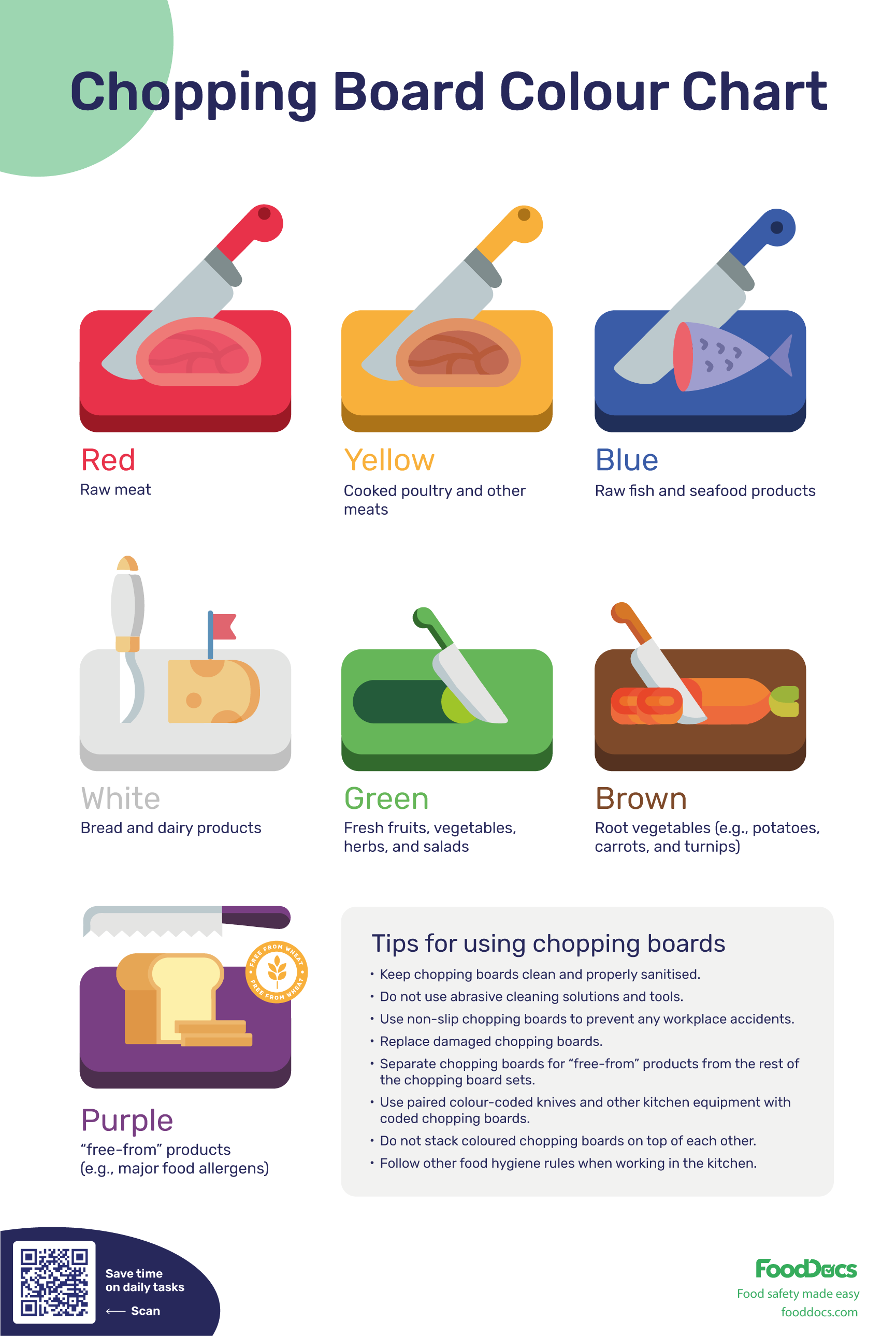
Using Separate Cutting Boards
Using different cutting boards for various foods helps stop germs from spreading. It keeps your food safe and fresh.
Cross-contamination happens when bacteria move from one food to another. Separate boards reduce this risk a lot.
Why Use Separate Cutting Boards?
Raw meat and vegetables can carry different bacteria. Using the same board can mix these and cause illness.
Choosing The Right Cutting Boards
Pick boards that are easy to clean and do not absorb liquids. Plastic and wood are common choices.
- Plastic boards are dishwasher safe
- Wood boards can be more durable
- Use color-coded boards for different foods
How To Organize Cutting Boards
Keep boards for meat, vegetables, and cooked food separate. This stops germs from mixing during prep.
| Food Type | Cutting Board Color |
|---|---|
| Raw Meat | Red |
| Vegetables and Fruits | Green |
| Cooked Food | White |
| Fish and Seafood | Blue |
Cleaning Cutting Boards Properly
Wash boards with hot, soapy water after each use. Dry them fully before storing.
- Use separate sponges for meat and vegetables
- Sanitize boards with bleach solution once a week
- Replace boards that have deep cuts or cracks
Cooking Food To Safe Temperatures
Cooking food to the right temperature kills harmful bacteria. This helps prevent foodborne illnesses.
Using a food thermometer is the best way to check if food is safe to eat.
Use A Food Thermometer
A food thermometer shows the exact temperature inside the food. This helps you know when food is fully cooked.
Insert the thermometer into the thickest part of the food. Avoid touching bones or fat for an accurate reading.
Know Safe Cooking Temperatures
Different foods need different temperatures to be safe. Meat, poultry, and fish have specific safe temperatures.
| Food | Safe Temperature (°F) | Safe Temperature (°C) |
|---|---|---|
| Chicken and Turkey (whole or ground) | 165°F | 74°C |
| Beef, Pork, Lamb (steaks, chops, roasts) | 145°F | 63°C |
| Ground Meat (beef, pork, lamb) | 160°F | 71°C |
| Fish and Shellfish | 145°F | 63°C |
| Egg Dishes | 160°F | 71°C |
Avoid Partial Cooking
Do not cook food partially and finish it later. Bacteria can grow during the waiting time.
Cook food fully in one go or keep it refrigerated until you cook it again.
Let Food Rest After Cooking
Some foods continue cooking after you remove them from heat. This is called carryover cooking.
Let meat rest for a few minutes. This helps reach the safe temperature inside.
Check Different Parts Of Large Foods
Large pieces like roasts or whole poultry cook unevenly. Check temperatures in several places.
Make sure the thickest parts reach the safe temperature for full safety.

Credit: www.clatsopcounty.gov
Avoiding Cross-contamination During Grocery Shopping
Cross-contamination can make food unsafe to eat. It happens when harmful germs spread from one food to another.
Stopping cross-contamination starts at the grocery store. You can keep your food safe by following simple rules.
Shop For Raw Meat Last
Raw meat can carry bacteria that spread to other foods. Pick fresh fruits, vegetables, and dry goods first.
Save raw meat for the end of your shopping trip. This reduces the time meat touches other items.
Use Separate Bags For Raw Meat
Put raw meat in plastic bags before placing it in your cart or basket. This stops juices from leaking.
Keep raw meat bags away from ready-to-eat foods like bread and fruits. Use different bags for each type.
Check Packaging For Damage
Look at food packages carefully. Avoid items with broken seals or holes. These can let bacteria in.
Damaged packaging can cause food to spoil faster. Choose only well-sealed products to keep food safe.
Keep Cold Foods Cold
Cold foods need to stay cold to prevent germs from growing. Pick frozen and refrigerated items last.
Use a cooler bag for cold foods if you shop for a long time. This helps keep food at safe temperatures.
Clean Your Hands Or Use Sanitizer
Wash your hands before and after shopping if possible. Use hand sanitizer when soap and water are not available.
Clean hands reduce the chance of spreading germs from food or shopping carts to your body.
Preventing Cross-contamination In Food Preparation
Cross-contamination happens when harmful bacteria spread from one food to another. This can cause food poisoning and illness. Preventing it is important for safe cooking.
Good habits in the kitchen stop bacteria from moving between raw and cooked foods. Clean tools, separate foods, and safe storage all help keep food safe.
Keep Raw And Cooked Foods Separate
Raw foods like meat and eggs can carry bacteria. Keep them away from cooked or ready-to-eat foods. Use different plates and utensils for raw and cooked items.
- Use separate cutting boards for raw meat and vegetables
- Store raw meat on the bottom shelf in the fridge
- Do not place cooked food on surfaces that held raw food
Clean And Sanitize Surfaces Regularly
Wash all kitchen surfaces often. Cleaning removes dirt and germs. Sanitizing kills bacteria. Use hot soapy water and a safe disinfectant.
- Clean cutting boards after each use
- Wipe counters before and after food preparation
- Sanitize sponges and cloths regularly
Practice Proper Hand Hygiene
Hands carry many germs. Wash your hands well before and after handling food. Use soap and warm water for at least 20 seconds.
- Wash hands after touching raw meat, fish, or eggs
- Dry hands with a clean towel or air dry
- Use gloves if you have cuts or sores on your hands
Use Safe Food Storage Practices
Store food at the right temperature. Cold food stays fresh and slows bacteria growth. Keep raw and cooked foods in separate containers.
| Food Type | Storage Tip |
| Raw Meat | Keep in sealed container on bottom fridge shelf |
| Cooked Food | Store in clean covered containers above raw foods |
| Fruits and Vegetables | Wash before use and store separately |
Educating Family And Staff On Safety Practices
Preventing cross-contamination of food starts with good education. Family members and staff must know safe food handling.
Teaching these safety practices helps reduce the risk of foodborne illness in your home or workplace.
Cross-contamination happens when harmful bacteria spread from one food to another. This can cause sickness.
It is important to learn how bacteria move to stop contamination before it starts.
Safe Food Handling Rules
- Wash hands with soap before and after touching food
- Use separate cutting boards for raw meat and vegetables
- Clean all utensils and surfaces after use
- Store raw meat below cooked foods in the fridge
- Cook foods to the correct temperature to kill bacteria
Training Family And Staff
Hold regular talks or short lessons on food safety. Make sure everyone knows and follows the rules.
| Training Topic | Key Points |
| Hand Washing | Wash for 20 seconds with soap |
| Food Storage | Keep raw and cooked foods separate |
| Cleaning | Sanitize all surfaces and tools |
| Cooking Temperatures | Use a thermometer to check doneness |
| Reporting Illness | Stay home if sick to avoid spreading bacteria |
Creating A Food Safety Checklist
Use this simple checklist to remind family and staff of safe practices every day:
- Hands washed before handling food
- Separate cutting boards used
- Surfaces wiped clean after use
- Food stored properly in the fridge
- Cooked food reaches safe temperature
Frequently Asked Questions
What Is Cross-contamination In Food Safety?
Cross-contamination occurs when harmful bacteria transfer from one food item to another. It often happens via surfaces, utensils, or hands. Preventing it is crucial for food safety and avoiding foodborne illnesses.
How Can I Avoid Cross-contamination In The Kitchen?
Use separate cutting boards for raw meat and vegetables. Always wash hands and utensils thoroughly. Clean surfaces regularly with hot, soapy water to reduce bacteria spread.
Why Is Handwashing Important To Prevent Cross-contamination?
Handwashing removes bacteria and viruses from your skin. It reduces the risk of transferring harmful pathogens to food. Wash hands for at least 20 seconds with soap and water before cooking.
Can Using Separate Utensils Prevent Food Cross-contamination?
Yes, using different utensils for raw and cooked foods prevents bacteria transfer. It ensures harmful germs don’t spread between food items, keeping meals safe to eat.
Conclusion
Preventing cross-contamination keeps food safe and healthy. Clean hands and surfaces often. Use separate utensils for raw and cooked food. Store raw meat below other foods in the fridge. Always cook food to the right temperature. These small steps reduce risks of foodborne illness.
Safe food habits protect you and your family. Stay aware and careful every time you cook. Good kitchen practices make a big difference. Keep your food fresh and your kitchen clean. Simple actions create a safer meal for everyone.