
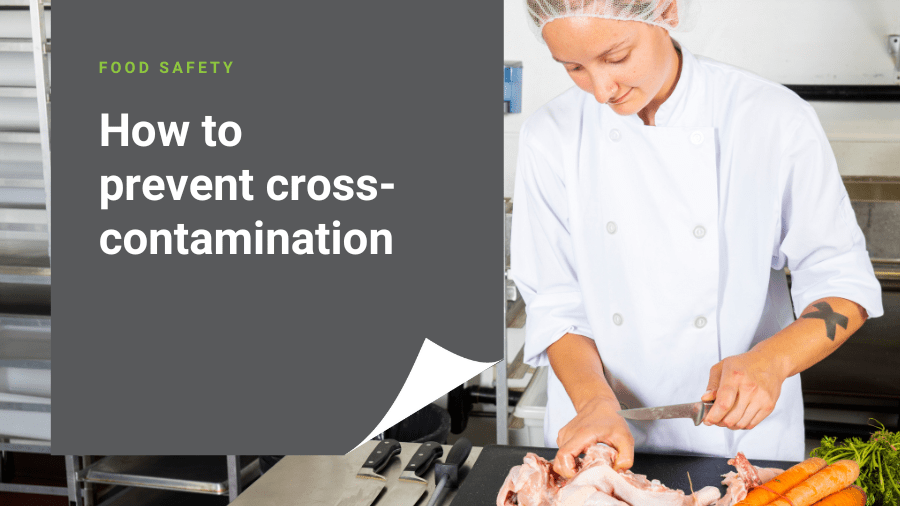
Keeping your kitchen safe and clean is more important than you might think. Cross-contamination can turn a simple meal into a health risk for you and your loved ones.
But don’t worry—there are easy steps you can take right now to stop harmful bacteria from spreading. You’ll discover practical tips that anyone can follow to keep your food fresh and your family healthy. Ready to protect your kitchen and feel confident in every meal you prepare?
Let’s dive in!
Sources Of Cross-contamination
Cross-contamination in the kitchen is a common problem. It happens when harmful bacteria spread from one item to another.
Understanding the sources of cross-contamination helps keep food safe. Let’s look at some common sources.
Contaminated Surfaces
Surfaces in the kitchen can harbor bacteria. Cutting boards, countertops, and utensils are often sources.
Cleaning surfaces regularly reduces contamination risks. Use hot, soapy water and sanitizers.
- Wash surfaces after handling raw meat
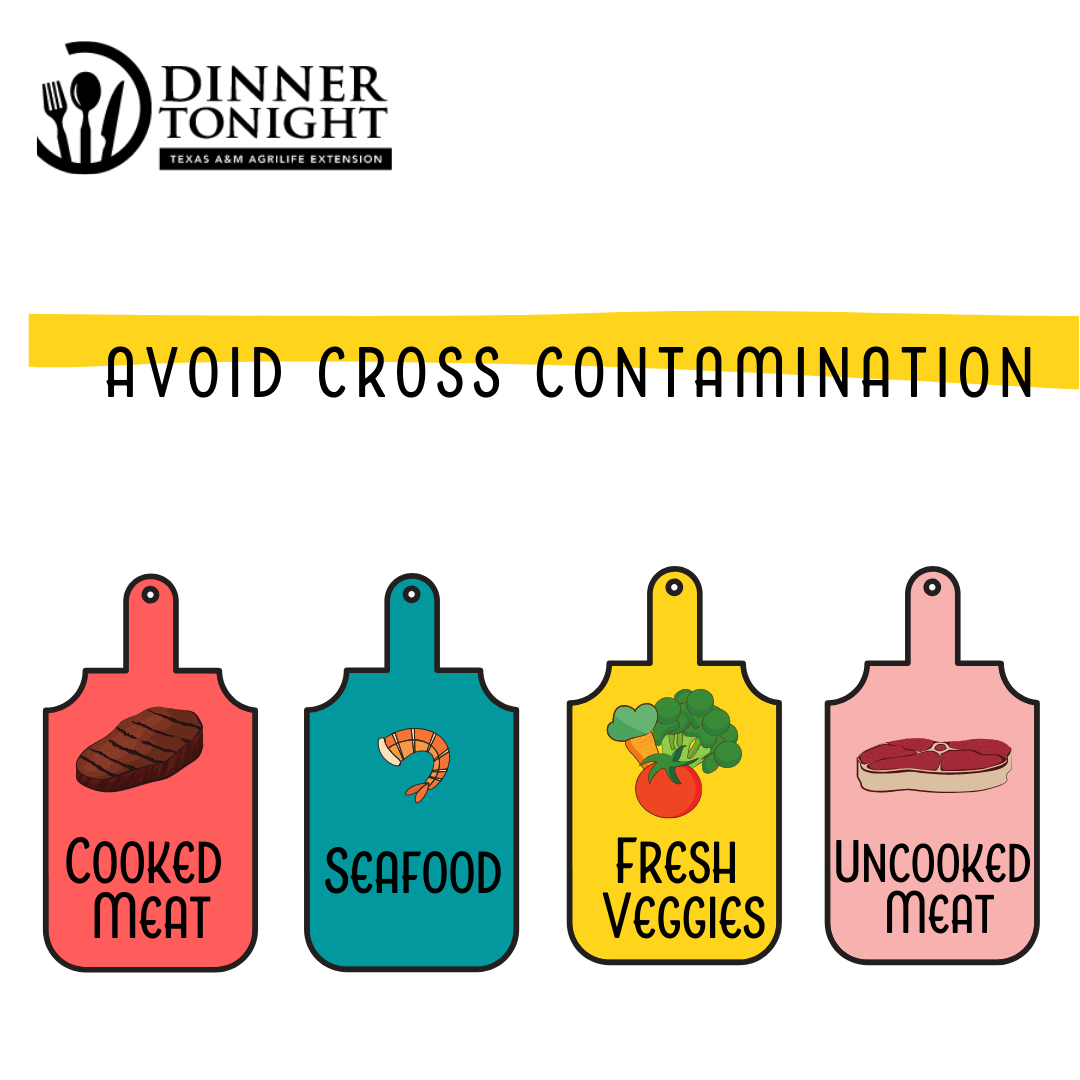
- Use separate cutting boards for meat and vegetables
- Sanitize countertops daily
Improper Food Handling
Handling food the wrong way spreads germs. Raw foods like meat and eggs are the most risky.
Always wash hands before and after touching food. Use gloves if needed to avoid direct contact.
- Wash hands for 20 seconds with soap
- Use separate utensils for raw and cooked food
- Cook food to the right temperature
Unsafe Storage Practices
Storing food incorrectly leads to contamination. Raw food should never touch cooked food in the fridge.
Keep foods in airtight containers. Label and date all stored items for freshness.
- Store raw meat on the lowest shelf
- Keep fridge temperature below 40°F
- Do not overcrowd the refrigerator
Poor Personal Hygiene
Good hygiene practices prevent contamination. Dirty hands and clothes can spread bacteria.
Wear clean clothes and cover hair while cooking. Avoid touching your face or hair during food prep.
- Wash hands often
- Use aprons to protect clothing
- Keep nails trimmed and clean

Credit: www.youtube.com
Safe Food Handling Techniques
Preventing cross-contamination is important in every kitchen. It helps keep food safe and stops germs from spreading.
Using simple safe food handling techniques can reduce risks. This guide covers key steps to follow.
Separate Raw And Cooked Foods
Keep raw foods like meat and eggs away from cooked foods. Raw foods may have harmful bacteria that can spread.
Store raw foods on lower shelves in the fridge. This stops juices from dripping onto cooked foods.
- Use separate containers for raw and cooked items
- Do not place cooked food on plates that held raw food
- Wash hands after touching raw food before handling cooked food
Use Different Cutting Boards
Use one cutting board for raw meat and another for fruits or vegetables. This avoids germs moving between foods.
Choose boards made of easy-to-clean materials like plastic or glass. Replace worn cutting boards often.
- Label boards to identify their use
- Wash boards in hot, soapy water after use
- Sanitize boards regularly to kill bacteria
Proper Handwashing Methods
Wash your hands carefully before and after handling food. Clean hands stop bacteria from spreading.
Use warm water and soap. Rub your hands for at least 20 seconds, including between fingers and under nails.
- Wet hands with warm water
- Apply soap and scrub all hand parts
- Rinse thoroughly under running water
- Dry hands with a clean towel or air dry
Avoiding Cross-use Of Utensils
Do not use the same utensils for raw and cooked foods. This practice spreads bacteria easily.
Use separate forks, spoons, and knives for different foods. Clean utensils well after each use.
- Have multiple sets of utensils ready
- Clean utensils with hot, soapy water
- Use utensil holders to keep clean tools separate
Cleaning And Sanitizing Tips
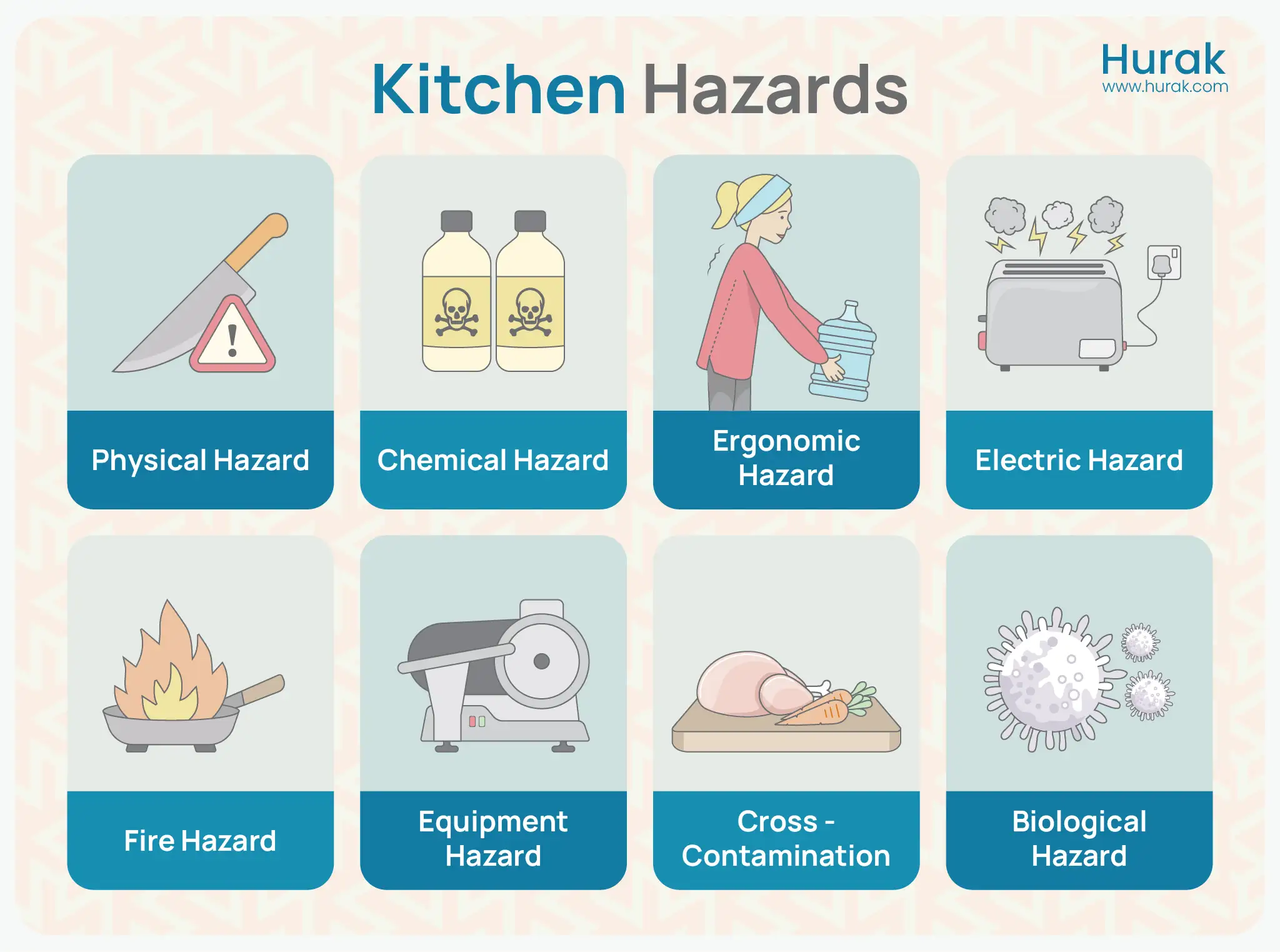
Cross-contamination spreads germs from one surface to another. Cleaning and sanitizing stop germs in the kitchen.
Use proper cleaning and sanitizing steps to keep your kitchen safe and healthy.
Effective Surface Cleaning
Wipe surfaces with soap and water to remove dirt and food. This step removes germs and particles.
Clean countertops, cutting boards, and sinks often to avoid germ buildup.
- Use warm water and dish soap
- Clean spills immediately
- Rinse surfaces well
- Dry surfaces with a clean cloth
Sanitizing Kitchen Tools
Sanitize knives, spoons, and other tools after cleaning. This kills remaining germs.
Use a safe sanitizer or a bleach solution to disinfect tools before use.
- Wash tools with hot, soapy water first
- Soak tools in sanitizer for a few minutes
- Rinse tools if needed
- Air dry to avoid new germs
Maintaining Clean Appliances
Keep kitchen appliances clean to stop germs and food residue. Clean regularly to avoid buildup.
Check appliance parts like trays and seals. Clean them well to prevent hidden germs.
- Unplug appliances before cleaning
- Use a damp cloth with mild soap
- Clean removable parts separately
- Dry parts fully before reassembly
Credit: hurak.com
Proper Food Storage
Proper food storage helps keep your kitchen safe. It stops harmful germs from spreading.
Storing food the right way protects your family from food poisoning. It keeps food fresh longer.
Refrigeration Guidelines
Keep your fridge temperature at or below 40°F (4°C). This slows bacterial growth on food.
Store raw meat on the bottom shelf. This stops juices from dripping onto other foods.
- Check fridge temperature regularly.
- Do not overcrowd the fridge to allow air flow.
- Use a thermometer inside the fridge.
- Keep leftovers in clean, shallow containers.
Packaging And Sealing
Always wrap food tightly to avoid contact with air and germs. Use clean wraps or containers.
Seal packages well to prevent leaks. This also stops odors from mixing in the fridge.
- Use plastic wrap, foil, or airtight containers.
- Label packages with date and contents.
- Replace damaged packaging immediately.
- Do not reuse single-use wraps for raw meat.
Organizing Storage Areas
Keep storage areas clean and dry. Organize food to avoid mixing raw and cooked items.
Use separate shelves for different food types. Store ready-to-eat foods above raw foods.
- Label shelves and containers clearly.
- Place raw meat on the lowest shelf.
- Keep fruits and vegetables separate from meat.
- Clean storage shelves regularly.
Personal Hygiene Practices
Keeping clean is very important in the kitchen. Good personal hygiene helps stop germs from spreading.
Following simple hygiene rules protects food and keeps everyone safe from illness.
Hand Hygiene Best Practices
Wash your hands often to remove dirt and germs. Use soap and warm water each time.
Rub your hands together for at least 20 seconds. Don’t forget under your nails and between fingers.
- Wash hands before and after handling food
- Clean hands after touching trash or raw meat
- Dry hands with a clean towel or air dryer
- Use hand sanitizer only if soap and water are not available
Using Gloves Safely
Wear gloves to protect food from germs on your hands. Change them often to stay safe.
Never touch raw and cooked food with the same gloves. Throw gloves away after use.
- Put on clean gloves before food preparation
- Change gloves when switching food tasks
- Do not reuse disposable gloves
- Wash hands before putting on new gloves
Avoiding Cross-contamination Via Clothing
Wear clean clothes and aprons in the kitchen. Dirty clothes can carry harmful bacteria.
Change your clothes if they get dirty or wet. Keep hair tied back and use a hat or hairnet.
- Use clean aprons and change them often
- Keep sleeves rolled up or wear short sleeves
- Do not wipe hands on clothing
- Cover hair to prevent hair from falling in food
Credit: dinnertonight.tamu.edu
Training And Awareness
Preventing cross-contamination is very important in any kitchen. Training and awareness help keep food safe for everyone.
Staff need to understand how germs spread and how to stop them. This keeps customers healthy and avoids foodborne illnesses.
Educating Kitchen Staff
Teach all kitchen workers about cross-contamination risks. Explain how dirty hands, tools, and surfaces spread germs.
Use simple examples and clear instructions. Show them the right way to clean and handle food safely.
- Wash hands often with soap and water
- Use separate cutting boards for raw and cooked foods
- Clean utensils and surfaces after each use
- Store raw meat away from ready-to-eat foods
Regular Safety Checks
Check the kitchen regularly to find any safety problems. Look for dirty tools or food stored incorrectly.
Use a checklist to keep track of what needs fixing. This helps stop cross-contamination before it happens.
- Inspect handwashing stations for soap and towels
- Look for cracks or damage on cutting boards
- Check that raw food is stored below cooked food
- Ensure cleaning supplies are stocked and used properly
Updating Food Safety Protocols
Keep food safety rules up to date. Change protocols when new risks or laws appear.
Tell staff about any updates quickly. Provide fresh training to help them follow the new rules well.
- Review safety guidelines every few months
- Include new cleaning methods or tools
- Adjust procedures for new food products
- Train new hires with current safety standards
Frequently Asked Questions
What Is Cross-contamination In The Kitchen?
Cross-contamination occurs when harmful bacteria transfer from one food or surface to another. It can cause foodborne illnesses. Preventing it is essential for food safety and health.
How Can I Prevent Cross-contamination While Cooking?
Use separate cutting boards for raw meat and vegetables. Wash hands, utensils, and surfaces regularly. Cook food to safe temperatures to kill bacteria.
Why Is Handwashing Important In Preventing Cross-contamination?
Handwashing removes germs picked up from raw foods and surfaces. It stops bacteria from spreading to other foods or kitchen tools, reducing illness risk.
Can Using Different Utensils Help Avoid Cross-contamination?
Yes, using separate utensils for raw and cooked foods prevents bacteria transfer. Always clean utensils thoroughly after use to maintain kitchen hygiene.
Conclusion
Preventing cross-contamination keeps your kitchen safe and healthy. Clean surfaces and hands often. Use separate tools for raw and cooked foods. Store food properly to avoid contact. Always cook food to the right temperature. Small steps protect your family from illness.
Safe habits become easy with practice. Keep your kitchen a clean and safe place. Simple actions make a big difference every day. Stay mindful and enjoy healthy meals without worry.