

Your fridge is meant to keep your food fresh and safe, but did you know it can also be a hotspot for harmful bacteria? Cross-contamination in your fridge can silently spoil your meals and put your health at risk.
The good news is, with a few simple steps, you can stop this from happening. You’ll learn easy and effective ways to prevent cross-contamination in your fridge. Keep reading to protect your food—and yourself—from unseen dangers.
Safe Storage Practices
Keeping your fridge clean and organized helps stop cross-contamination. Safe storage practices protect your food and health.
Follow simple rules to keep raw and cooked foods separate. Use the right containers to keep food fresh and safe.
Separate Raw And Cooked Foods
Raw foods like meat, fish, and eggs can carry harmful bacteria. Keep them away from cooked foods to avoid contamination.
Store raw foods on the bottom shelves. This stops their juices from dripping onto cooked or ready-to-eat foods.
- Use different shelves or compartments for raw and cooked items
- Keep raw meat in sealed trays or plates
- Label containers to know what is raw and what is cooked
Use Airtight Containers
Airtight containers help keep food fresh longer. They also stop bacteria and odors from spreading inside the fridge.
Choose containers that close tightly and fit the food well. Clear containers help you see what is inside without opening them.
- Use plastic or glass containers with tight lids
- Wrap foods in cling film if containers are not available
- Check containers regularly for cracks or loose lids
:max_bytes(150000):strip_icc()/The-Food-Storage-Mistake-Youre-Probably-Making-Right-Now-be9c55747b09481490ea6338d6fca4fb.jpg)
Credit: www.eatingwell.com
Temperature Control
Keeping the right temperature in your fridge is key to stopping cross-contamination. Cold temperatures slow down bacteria growth on food.
Proper temperature helps keep your food safe and fresh for longer.
Set The Right Temperature
Set your fridge temperature to 40°F (4°C) or below. This stops harmful bacteria from growing.
Keep your freezer at 0°F (-18°C) or lower to keep food frozen and safe.
- Fridge temperature: 40°F (4°C) or below
- Freezer temperature: 0°F (-18°C) or below
Use Thermometers
Use a fridge thermometer to check the actual temperature inside. The built-in dial may not be accurate.
Place the thermometer in the middle shelf for the best reading. Check it often to keep your fridge safe.
Proper Food Placement
Keeping your fridge organized helps stop germs from spreading. Proper food placement lowers the risk of cross-contamination.
Knowing where to store foods keeps your family safe and your food fresh longer.
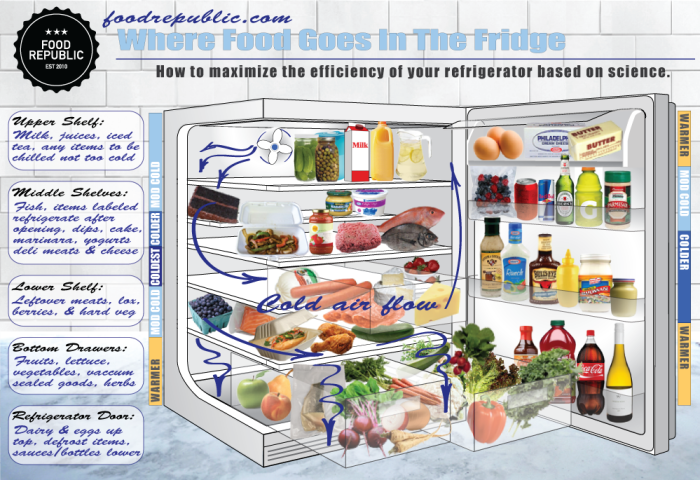
Store Raw Meats On Lower Shelves
Raw meats can drip liquids that carry bacteria. Keep them on the bottom shelves to avoid dripping on other foods.
- Place raw chicken, beef, and fish on the lowest shelf.
- Use sealed containers to prevent leaks and spills.
- Clean spills immediately to stop bacteria spread.
Keep Fruits And Vegetables Separate
Fruits and vegetables should not touch raw meats or their juices. Keep them in separate drawers or shelves.
| Food Type | Recommended Storage |
| Raw Meats | Bottom shelf in sealed containers |
| Fruits | Top shelf or designated fruit drawer |
| Vegetables | Separate vegetable drawer or shelf |
Regular Cleaning Routine
Keeping your fridge clean helps stop germs from spreading. A regular cleaning routine protects your food from cross-contamination.
Cleaning the fridge often keeps it safe and fresh. It also helps you find spoiled food early.
Clean Spills Immediately
Spills can carry bacteria that move to other foods. Clean spills right away to keep your fridge safe.
- Use a clean cloth or paper towel
- Wipe the spill with warm, soapy water
- Dry the area completely before putting food back
- Check nearby items for contamination
Schedule Deep Cleaning
Deep cleaning your fridge removes hidden dirt and germs. Do this at least once a month for best results.
| Task | How To | Frequency |
|---|---|---|
| Remove all food | Take everything out before cleaning | Monthly |
| Clean shelves and drawers | Wash with warm, soapy water and dry well | Monthly |
| Wipe fridge walls and door seals | Use a mild cleaner and soft cloth | Monthly |
| Check and throw out expired food | Look for old or spoiled items | Monthly |
Labeling And Dating
Labeling and dating food in your fridge helps keep everything organized.
This practice reduces the risk of eating spoiled food and cross-contamination.
Use Labels For Identification
Put clear labels on all containers and packages in your fridge.
- Write the name of the food item.
- Use waterproof markers or stickers.
- Place labels where they are easy to see.
- Change labels if you transfer food to a new container.
Include Expiry Dates
Always add the date when you store food and its expiry date.
| Food Item | Date Stored | Expiry Date |
| Cooked Chicken | April 20, 2024 | April 25, 2024 |
| Milk | April 22, 2024 | April 28, 2024 |
| Fresh Salad | April 23, 2024 | April 26, 2024 |
Credit: medium.com
Avoid Overcrowding
Keeping your fridge neat helps stop germs from spreading. Avoid putting too many items inside.
Overcrowding blocks air and causes food to spoil faster. It also raises the risk of cross-contamination.
Allow Air Circulation
Good air flow keeps your fridge cold and safe. It stops bacteria from growing on your food.
Do not pack food tightly. Leave space between items to help air move around.
- Do not block vents inside the fridge
- Place items with space between them
- Use small containers for leftovers
Organize Shelves Efficiently
Organizing shelves helps keep raw and cooked foods apart. This lowers cross-contamination risks.
Store raw meat on the bottom shelf. This stops drips from touching other foods.
- Keep fruits and vegetables on separate shelves
- Use clear containers to see food easily
- Label food with dates to track freshness
Frequent Inventory Checks
Checking your fridge inventory often helps prevent cross-contamination. It keeps your food safe and fresh.
Regular checks stop old items from mixing with fresh ones. This simple habit improves kitchen hygiene.
Remove Expired Items
Expired food can cause bacteria to spread inside your fridge. Removing these items quickly reduces this risk.
- Look for items past their expiration date.
- Check for signs of spoilage like mold or bad smell.
- Throw away any damaged or leaking packages.
- Clean spills immediately to avoid contamination.
Rotate Stock Regularly
Rotating stock means using older items before new ones. This practice keeps food fresh and safe to eat.
| Action | Reason |
| Place new groceries behind old items | Ensures older food gets used first |
| Label leftovers with dates | Helps track freshness quickly |
| Check fridge shelves weekly | Prevents forgotten food from spoiling |
| Keep raw meats separate | Stops juices from contaminating other foods |
Credit: continentalhospitals.com
Frequently Asked Questions
What Is Cross-contamination In The Fridge?
Cross-contamination happens when harmful bacteria transfer between foods in the fridge. It often occurs from raw to cooked items. This can cause foodborne illnesses. Preventing it keeps your food safe and fresh longer.
How Can I Organize My Fridge To Prevent Contamination?
Store raw meats on the bottom shelf to avoid drips. Keep ready-to-eat foods on upper shelves. Use sealed containers for all items. Clean spills immediately. This organization reduces the risk of cross-contamination effectively.
Why Should I Use Separate Cutting Boards For Meats?
Using separate cutting boards avoids bacteria transfer from raw meat to other foods. It prevents cross-contamination during food preparation. Always clean boards thoroughly after use. This simple step improves overall kitchen hygiene and food safety.
How Often Should I Clean My Fridge To Prevent Contamination?
Clean your fridge at least once a month to reduce bacteria buildup. Wipe shelves, drawers, and door seals with warm, soapy water. Regular cleaning helps prevent cross-contamination and keeps your fridge smelling fresh.
Conclusion
Keeping your fridge clean stops germs from spreading. Store raw foods separate from cooked items. Use sealed containers to protect all your food. Clean spills quickly to avoid bacteria growth. Check your fridge regularly for expired food. A safe fridge means healthier meals and less waste.
Small steps make a big difference in your kitchen. Stay careful, and enjoy fresh, safe food every day.