
When you’re preparing meals, keeping your food safe should be your top priority. Cross-contamination can turn a simple dinner into a health risk without you even realizing it.
Imagine spending time cooking only to have harmful bacteria spoil your meal—and your health. But don’t worry, you can easily stop this from happening. You’ll discover simple, practical steps to prevent cross-contamination during meal prep. By following these tips, you’ll protect yourself and your loved ones while making mealtime stress-free and safe.
Keep reading to learn how small changes in your kitchen can make a big difference.

Credit: glutendtrotters.com
Cross-contamination Basics
Cross-contamination happens when harmful germs spread during meal prep. It’s important to keep different foods separate to stay safe.
Understanding how contamination occurs can help prevent it. Proper practices protect your health and ensure food safety.
Sources Of Contamination
Contaminants can come from different places in the kitchen. Knowing these sources helps you avoid them.
- Raw meat can spread bacteria to other foods.
- Unwashed fruits and vegetables carry dirt and germs.
- Dirty utensils and cutting boards transfer contaminants.
- Hands not washed properly carry germs.
Risks To Health
Cross-contamination can lead to serious health problems. Eating contaminated food makes people sick.
Foodborne illnesses can cause stomach pain, diarrhea, and more severe symptoms. Some people may need medical attention.
- Children and elderly are more at risk.
- Weakened immune systems increase vulnerability.
- Severe cases can lead to hospitalization.
Safe Food Handling
Cross-contamination spreads harmful bacteria and germs in the kitchen. It can cause food poisoning and illness.
Safe food handling stops germs from moving between foods, surfaces, and hands. This keeps meals safe to eat.
Hand Washing Techniques
Clean hands stop germs from spreading. Wash your hands often during meal prep.
Use warm water, soap, and scrub for at least 20 seconds. Rinse well and dry with a clean towel.
- Wet hands with warm water
- Apply soap and lather well
- Scrub all parts: palms, backs, fingers, nails
- Wash for 20 seconds or more
- Rinse hands under running water
- Dry with a clean towel or air dry
Proper Use Of Gloves
Gloves protect food from germs on your hands. Use them correctly to avoid contamination.
Change gloves when switching tasks or if they get dirty. Never reuse gloves without washing hands first.
- Put on clean gloves before food contact
- Change gloves after handling raw meat
- Switch gloves when touching ready-to-eat food
- Remove gloves if torn or dirty
- Wash hands before putting on new gloves
Cleaning And Sanitizing
Cleaning and sanitizing are key to stopping germs from spreading. They help keep your kitchen safe during meal prep.
Doing these tasks right lowers the chance of food contamination. It protects you and your family from illness.
Disinfecting Surfaces
Disinfect surfaces before and after cooking. Use a safe disinfectant to kill germs on counters and cutting boards.
Wipe surfaces with clean cloths or paper towels. Avoid using the same cloth on raw and cooked food areas.
- Clear the surface of food and debris
- Wash with warm soapy water
- Apply disinfectant and let it sit as directed
- Rinse if required and dry completely
Washing Utensils And Equipment
Clean utensils and equipment after every use. This prevents germs from moving between foods.
Use hot water and soap to wash knives, bowls, and cutting boards. Rinse well to remove soap and dirt.
- Scrape off food bits first
- Wash with warm, soapy water
- Rinse under hot running water
- Dry with a clean towel or air dry
- Sanitize with a food-safe solution if needed
Organizing Meal Prep
Organizing meal prep helps keep your kitchen clean and safe. It reduces the risk of cross-contamination.
Planning your workspace and tools can stop germs from spreading between foods.
Separating Raw And Cooked Foods
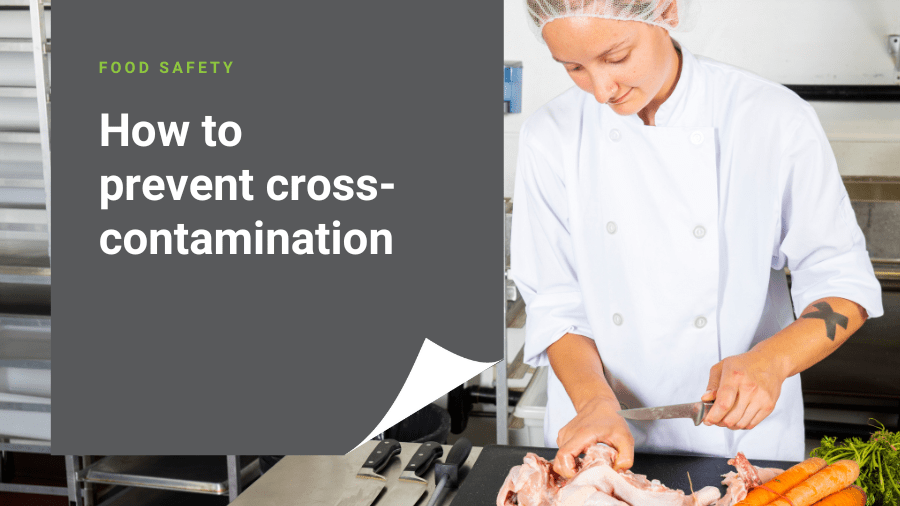
Keep raw foods like meat and vegetables away from cooked foods. This stops harmful bacteria from moving to food that is ready to eat.
Use separate plates and containers for raw and cooked foods. Clean your hands and surfaces after handling raw items.
- Store raw meat on lower shelves in the fridge
- Use different cutting boards for raw and cooked foods
- Wash utensils after touching raw food
Using Color-coded Tools
Color-coded tools help you keep food types separate. Each color is for a specific food group.
This system helps avoid mixing raw and cooked foods or different types of raw foods.
- Red for raw meat
- Green for vegetables
- Blue for cooked foods
- Yellow for raw poultry
Storage Practices
Cross-contamination happens when bacteria move from one food to another. Proper storage helps keep food safe. Storing food the right way stops germs from spreading.
Good storage practices protect your health. Learn how to store food safely to avoid cross-contamination during meal prep.
Safe Refrigeration Tips
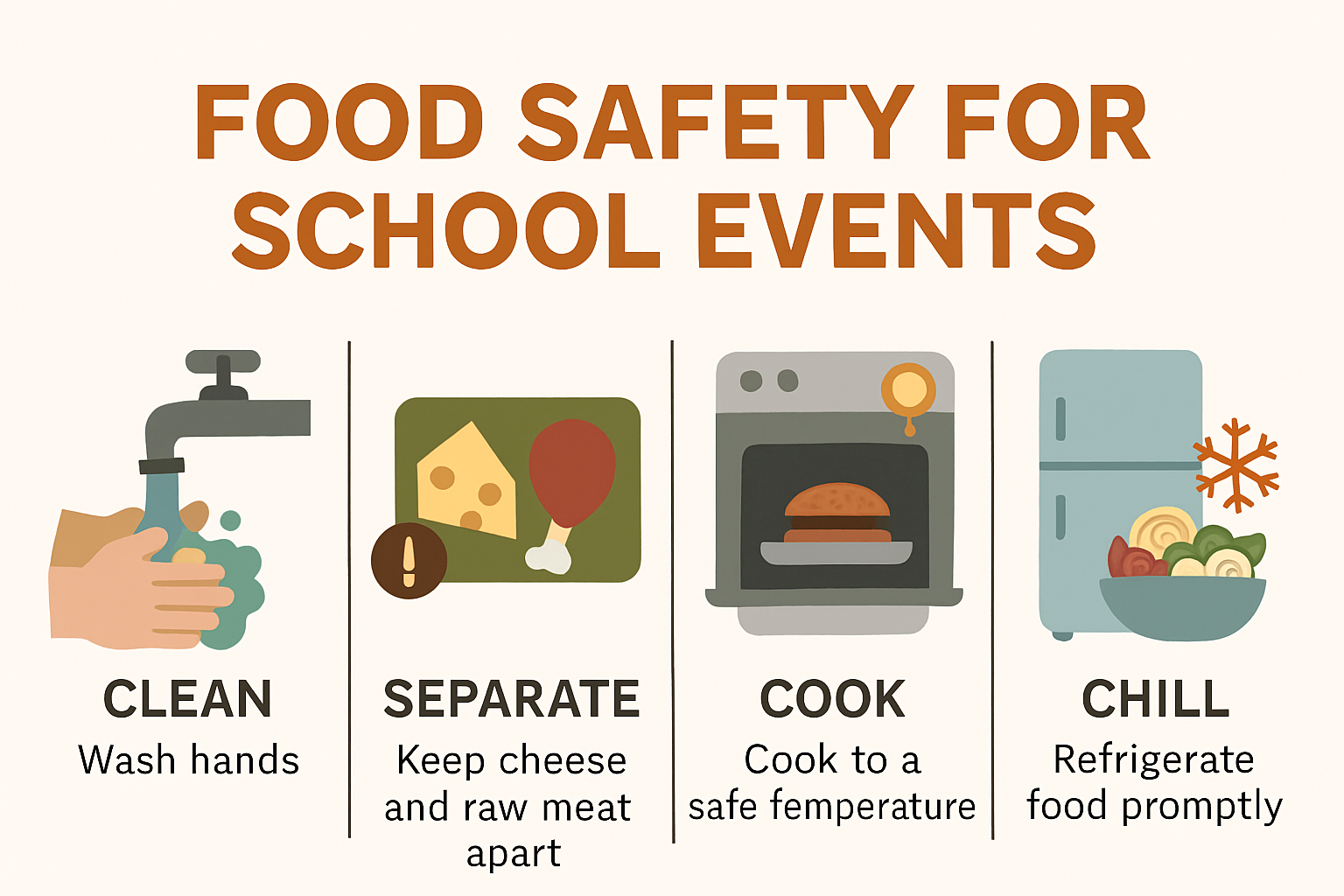
Keep raw foods separate from cooked foods in the fridge. Store raw meat, poultry, and seafood on the lowest shelf. This stops their juices from dripping on other foods.
Use airtight containers or sealed bags for all foods. Label containers with the date to track freshness. Keep your fridge temperature at or below 40°F (4°C) to slow bacteria growth.
- Store raw meat on the bottom shelf
- Keep cooked and ready-to-eat foods on higher shelves
- Use airtight containers to prevent leaks and odors
- Label foods with storage dates
- Set fridge temperature at or below 40°F (4°C)
Avoiding Cross-contamination In Storage
Do not store raw and cooked foods together in the same container. Clean containers before reuse. Use different cutting boards and utensils for raw and cooked foods.
Keep fruits and vegetables separate from raw meat. Store food in clean, dry areas. Avoid overcrowding the fridge to allow air circulation and keep food cool.
- Never mix raw and cooked foods in one container
- Wash containers before using them again
- Use separate cutting boards for raw and cooked items
- Store fruits and vegetables apart from raw meat
- Do not overcrowd the fridge for good air flow
Credit: probeit.ca
Cooking And Serving
Preventing cross-contamination is important during cooking and serving. It helps keep food safe to eat.
Following simple rules can stop bacteria from spreading in your kitchen and on your plate.
Cooking Temperatures To Kill Bacteria
Cooking food to the right temperature kills harmful bacteria. Use a food thermometer to check.
Different foods need different safe temperatures to be fully cooked and safe.
| Food Type | Safe Internal Temperature |
|---|---|
| Poultry (chicken, turkey) | 165°F (74°C) |
| Ground meats (beef, pork, lamb) | 160°F (71°C) |
| Beef, pork, lamb (steaks, roasts) | 145°F (63°C) plus 3 minutes rest |
| Fish and shellfish | 145°F (63°C) |
| Egg dishes | 160°F (71°C) |
Serving Food Safely
Keep cooked food separate from raw food on serving dishes. Use clean utensils every time.
Serve hot food hot and cold food cold to stop bacteria growth.
- Use clean plates for serving cooked food
- Avoid touching food with bare hands
- Keep hot food above 140°F (60°C)
- Keep cold food below 40°F (4°C)
- Discard leftovers left out over two hours
Credit: solpak.ca
Frequently Asked Questions
What Is Cross-contamination In Meal Prep?
Cross-contamination occurs when harmful bacteria transfer from one food to another. It often happens through raw meat, unwashed hands, or contaminated utensils, increasing the risk of foodborne illness.
How Can I Avoid Cross-contamination With Raw Meat?
Use separate cutting boards and knives for raw meat. Always wash your hands and utensils thoroughly after handling raw products to prevent bacteria spread.
Why Is Hand Washing Important During Meal Prep?
Hand washing removes germs and bacteria that cause food poisoning. Wash hands with soap and warm water for at least 20 seconds before and after handling food.
Can Using Separate Utensils Prevent Cross-contamination?
Yes, using different utensils for raw and cooked foods helps stop bacteria transfer. Label or color-code tools to avoid mix-ups during meal preparation.
Conclusion
Preventing cross-contamination keeps your meals safe and healthy. Clean hands, surfaces, and tools often. Separate raw and cooked foods carefully. Use different cutting boards for meats and vegetables. Store food properly to avoid contact. These small steps protect your family from illness.
Practice them every time you prepare food. Safe meal prep is simple and smart. Stay mindful, stay healthy, and enjoy your meals worry-free.