
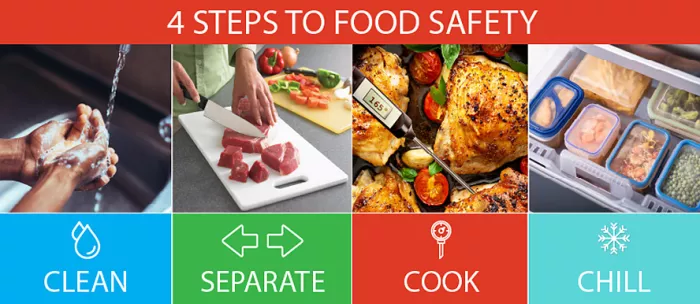
Are you sure your kitchen is as safe as it should be? Cross-contamination between raw and cooked foods is a hidden danger that can put your health at serious risk.
Without the right steps, harmful bacteria can easily spread, leading to foodborne illnesses. But don’t worry—by understanding simple, practical ways to keep your food separate and clean, you can protect yourself and your loved ones. Keep reading to discover easy tips that will make your kitchen safer and your meals healthier.
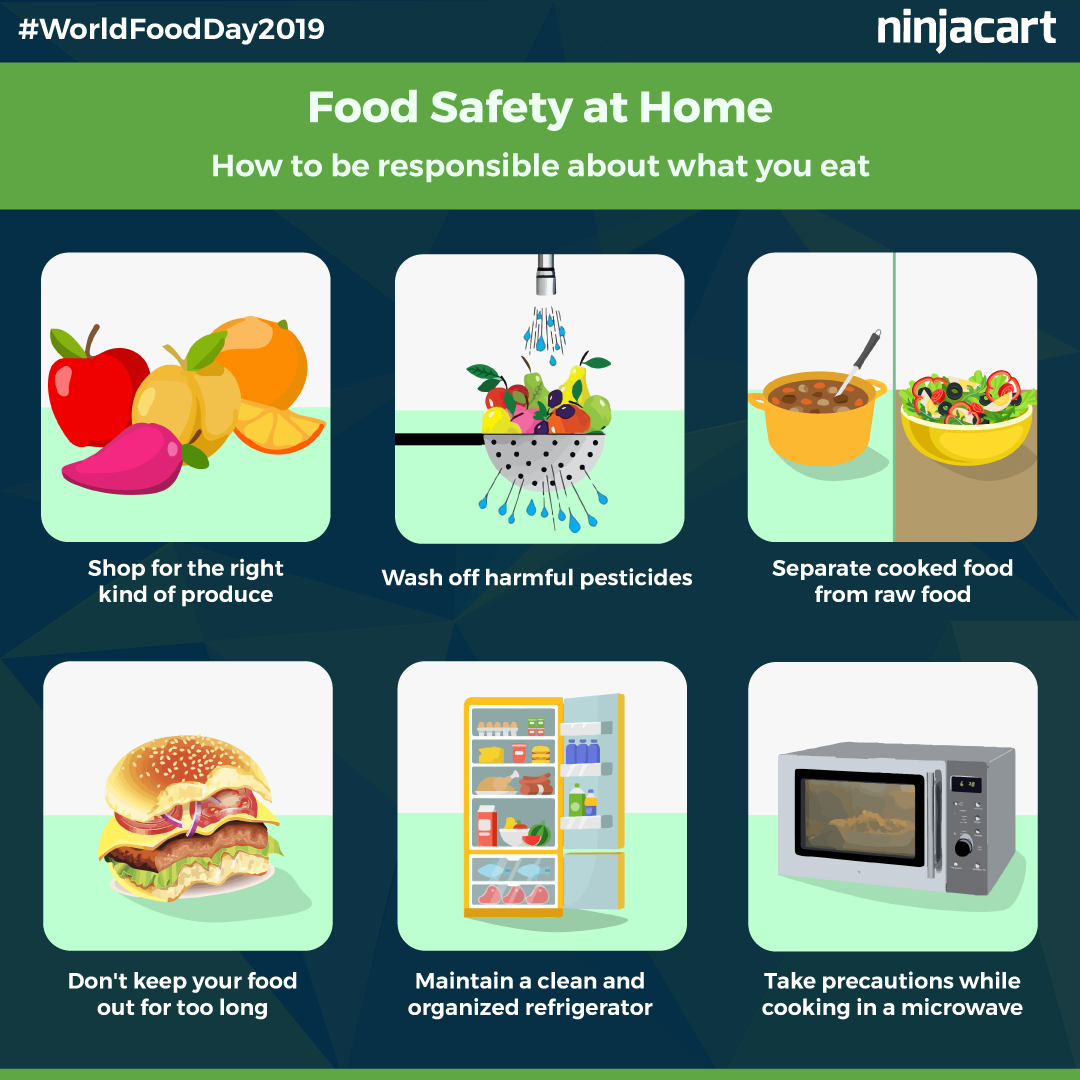
Credit: medium.com
Risks Of Cross-contamination
Cross-contamination happens when bacteria spread from raw food to cooked food. This can cause health problems.
It is important to keep raw and cooked foods separate. This helps prevent illness.
Common Sources
Cross-contamination can occur in many ways. Knowing the sources helps in prevention.
- Using the same cutting board for raw meat and vegetables
- Touching cooked food with hands that handled raw meat
- Using the same utensils for raw and cooked foods
- Storing raw meat above cooked foods in the fridge
Health Impacts
Cross-contamination can lead to foodborne illnesses. These illnesses can be severe.
Symptoms include stomach pain, vomiting, and diarrhea. Some people may need medical help.
| Common Bacteria | Possible Illness |
| Salmonella | Salmonellosis |
| E. coli | Gastroenteritis |
| Listeria | Listeriosis |
Safe Food Storage
Storing food safely helps stop harmful bacteria from spreading. This keeps your food fresh and healthy.
Cross-contamination happens when raw and cooked foods mix. Safe storage stops this problem.
Separate Raw And Cooked Foods
Keep raw meat, poultry, and seafood away from cooked foods. Raw foods can carry germs that spread to cooked items.
Use different containers and shelves for raw and cooked foods. This stops juices from raw foods touching cooked food.
- Store raw meat on the bottom shelf of the fridge.
- Place cooked foods on higher shelves or separate areas.
- Use sealed containers or wrap foods tightly.
- Label containers to know which foods are raw or cooked.
Proper Refrigeration Practices
Keep your refrigerator at or below 40°F (4°C). Cold temperatures slow bacterial growth in food.
Do not overcrowd the fridge. Air needs to circulate to keep all food cold evenly.
- Check the fridge temperature regularly with a thermometer.
- Store leftovers in shallow containers to cool quickly.
- Use cooked foods within 3 to 4 days for safety.
- Clean spills and fridge shelves often to avoid germs.
Kitchen Hygiene
Keeping your kitchen clean stops germs from spreading. This is key to safe food preparation.
Cross-contamination happens when bacteria move from raw to cooked foods. Good hygiene helps prevent this.
Handwashing Techniques
Wash your hands often to remove germs. Always wash before touching food.
Use soap and warm water. Rub your hands for at least 20 seconds.
- Wet your hands with warm water
- Apply soap and lather well
- Scrub all parts of your hands and fingers
- Rinse with clean water
- Dry with a clean towel or air dry
Cleaning Surfaces And Utensils
Clean kitchen surfaces and tools after use. This stops germs from moving to cooked foods.
Use hot, soapy water to wash cutting boards, knives, and counters. Rinse and dry them well.
- Wash with hot water and soap
- Rinse thoroughly to remove soap
- Use separate boards for raw and cooked foods
- Sanitize surfaces regularly
- Dry items with clean cloths or let air dry
Food Preparation Tips
Keeping raw and cooked foods separate helps stop germs from spreading. Careful food preparation keeps meals safe.
Simple habits in the kitchen lower the chance of food contamination. Use these tips to protect your health.
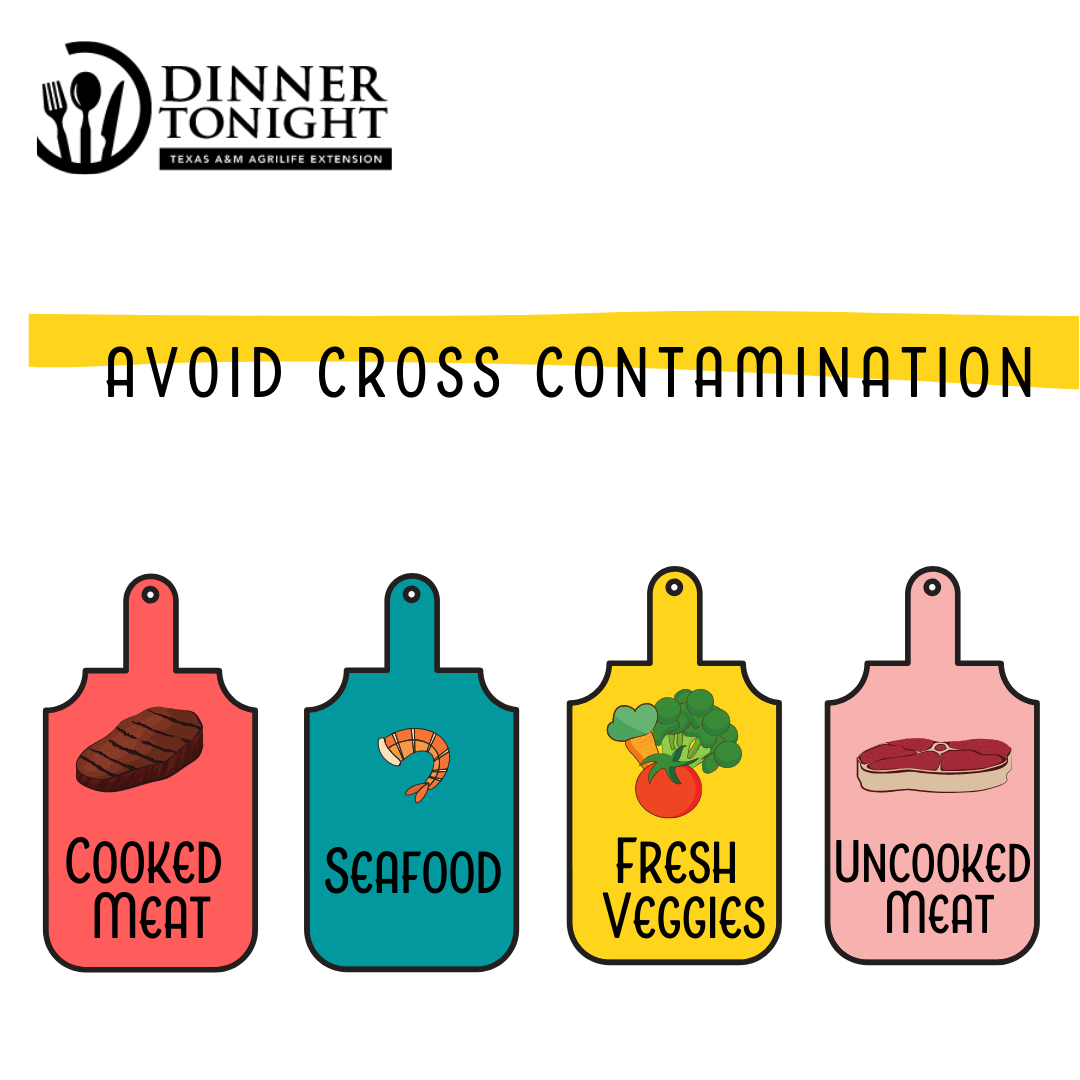
Using Separate Cutting Boards
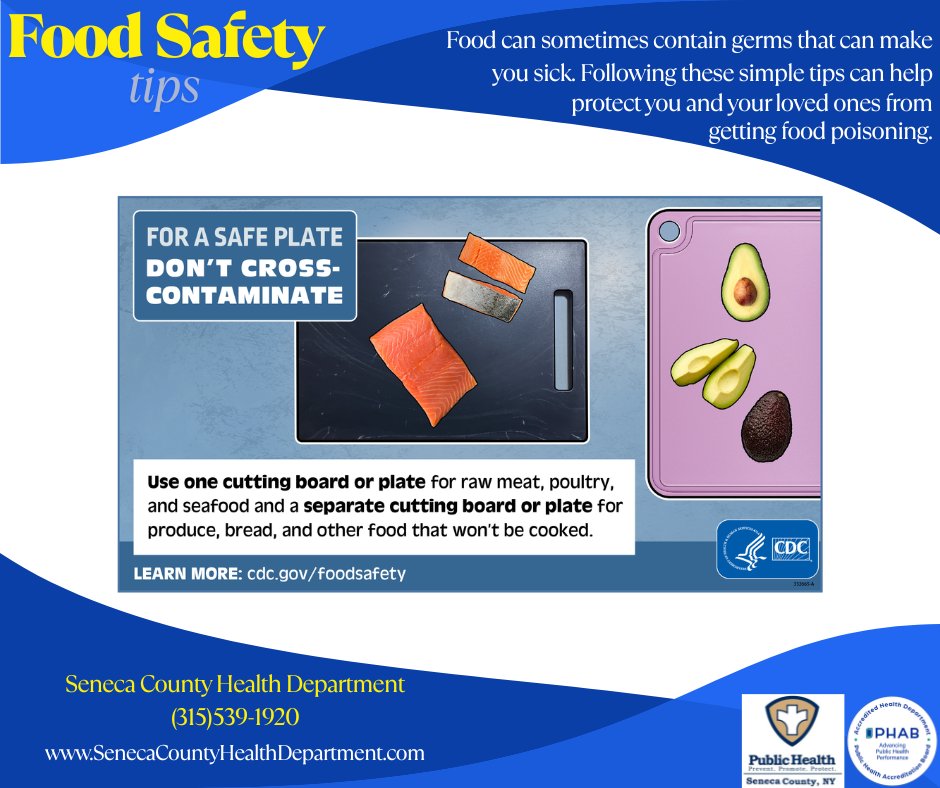
Use one cutting board for raw meat, poultry, and seafood. Use a different board for fruits, vegetables, and cooked foods.
This stops germs from raw foods spreading to ready-to-eat foods. Label or color-code boards to avoid mix-ups.
- Red board for raw meat
- Green board for vegetables
- Blue board for cooked foods
Avoiding Cross-use Of Utensils
Use separate knives, forks, and spoons for raw and cooked foods. Never reuse utensils without cleaning them first.
Wash utensils in hot, soapy water between uses. This reduces the risk of passing harmful bacteria from raw to cooked items.
- Keep raw and cooked food utensils apart
- Wash utensils after handling raw food
- Use clean utensils for serving cooked food
Cooking And Serving Practices
Cross-contamination happens when bacteria move from raw to cooked food. This can cause foodborne illnesses. Following safe cooking and serving practices helps stop this problem.
Using proper temperatures and careful serving methods keeps food safe to eat. Everyone should know these simple rules.
Cooking Temperatures To Kill Bacteria
Cooking food to the right temperature kills harmful bacteria. Use a food thermometer to check the temperature. This ensures the food is safe.
Different foods need different minimum temperatures. Make sure you cook meat, poultry, and seafood properly every time.
- Chicken and turkey: 165°F (74°C)
- Ground beef and pork: 160°F (71°C)
- Beef, pork, lamb (steaks and roasts): 145°F (63°C) with a rest time of 3 minutes
- Fish: 145°F (63°C)
Safe Serving Methods
Serve cooked food with clean utensils to avoid contact with raw food. Keep cooked and raw foods separate during serving.
Use clean plates for cooked food. Never place cooked food back on plates that held raw food.
- Use different cutting boards for raw and cooked foods
- Wash hands and utensils after handling raw food
- Keep hot foods hot (above 140°F or 60°C) and cold foods cold (below 40°F or 4°C)
- Serve food promptly after cooking to reduce bacteria growth
Credit: dinnertonight.tamu.edu
Storage And Leftover Handling
Keeping raw and cooked foods apart is key to safe food handling. Proper storage and leftover care stop germs from spreading.
Follow simple rules to avoid cross-contamination and keep your food fresh and safe.
Cooling And Storing Leftovers
Cool leftovers quickly to keep bacteria from growing. Store them in clean, sealed containers.
Keep raw foods separate from cooked leftovers in the fridge. Use different shelves or containers.
- Cool food within two hours after cooking
- Use shallow containers to speed cooling
- Label leftovers with date and content
- Store cooked food above raw food in the fridge
- Keep fridge temperature below 40°F (4°C)
Reheating Guidelines
Heat leftovers to a safe temperature before eating. This kills any bacteria that grew during storage.
Use a food thermometer to check that food reaches 165°F (74°C) inside. Stir food to heat evenly.
- Reheat leftovers only once
- Use microwave, oven, or stove for reheating
- Cover food to keep moisture and heat even
- Do not leave reheated food at room temperature
- Throw away leftovers that smell or look strange
Training And Awareness
Preventing cross-contamination between raw and cooked foods is important for health. Training and awareness help people understand how to keep food safe.
Knowing the right steps stops germs from spreading. Teaching others creates safer kitchens at home and work.
Educating Household Members
Teach everyone in the home about cross-contamination risks. Explain why raw and cooked foods must be kept apart.
Show how to clean hands, surfaces, and utensils after handling raw foods. Use simple rules to keep foods safe.
- Use separate cutting boards for raw meat and cooked foods
- Wash hands with soap before cooking and after touching raw food
- Clean knives and surfaces between uses
- Store raw food below cooked food in the fridge
Food Safety In Commercial Settings
Workers in kitchens must get proper food safety training. This training helps reduce the risk of cross-contamination.
Regular reminders and checks keep safety rules strong. Businesses should have clear guidelines on handling raw and cooked foods.
- Train staff on washing hands and using gloves correctly
- Separate equipment and areas for raw and cooked foods
- Follow cleaning schedules for all kitchen tools and surfaces
- Use color-coded tools to avoid mistakes
Credit: x.com
Frequently Asked Questions
What Causes Cross-contamination Between Raw And Cooked Foods?
Cross-contamination happens when harmful bacteria transfer from raw to cooked foods. This occurs via unwashed hands, utensils, or surfaces. Proper hygiene and separation prevent this risk.
How Can I Safely Separate Raw And Cooked Foods?
Use separate cutting boards, utensils, and plates for raw and cooked foods. Store them apart in the fridge. This keeps bacteria from spreading and ensures food safety.
Why Is Handwashing Important In Preventing Cross-contamination?
Handwashing removes bacteria that can transfer between foods. Always wash hands before and after handling raw food. This simple step reduces contamination risks significantly.
Can Using Different Utensils Prevent Food Cross-contamination?
Yes, using separate knives and spoons for raw and cooked foods stops bacteria spread. Always clean utensils thoroughly before reuse to maintain food safety.
Conclusion
Preventing cross-contamination keeps food safe and healthy. Always separate raw and cooked foods on different plates. Use clean utensils and wash hands often. Store raw items below cooked ones in the fridge. Clean all surfaces after preparing raw foods. These small steps protect your family from illness.
Safe food habits help everyone enjoy meals worry-free. Keep these tips in mind to cook with care. Safe cooking is simple with good habits every day.