
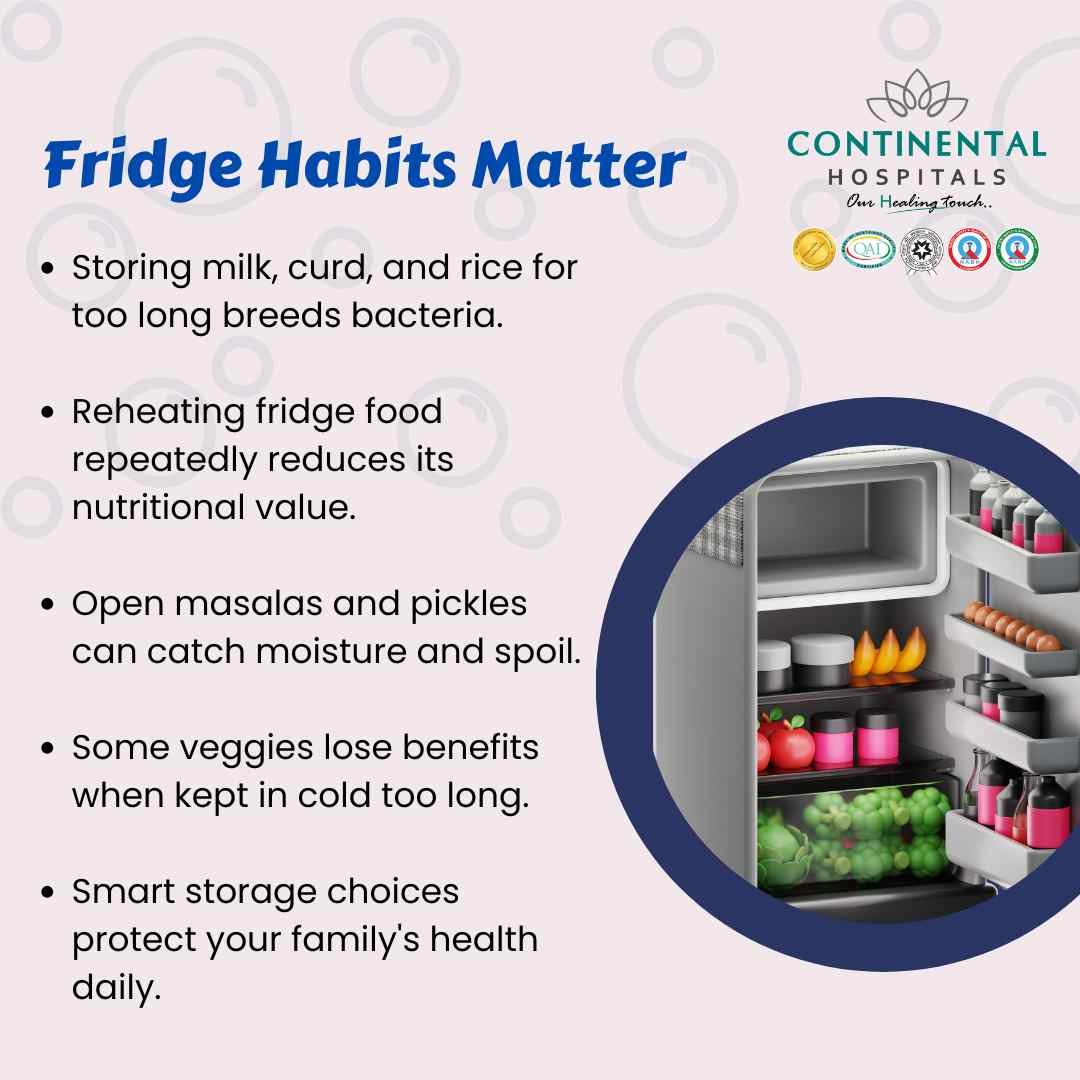
Your fridge is more than just a place to store food—it’s a key player in keeping your family safe and healthy. But did you know that contamination can easily happen inside your fridge compartments if you’re not careful?
This can lead to spoiled food, unpleasant odors, and even health risks. You might be unknowingly making mistakes that put your food at risk. You’ll discover simple, practical steps you can take right now to prevent contamination in your fridge.
By following these tips, you’ll keep your food fresher for longer and protect your loved ones from harmful bacteria. Keep reading to learn how easy it is to make your fridge a safe zone.
Organizing Food Items
Keeping your fridge clean helps stop germs from spreading. Organizing food well is a key way to do this.
Good organization makes it easy to find food and keeps it fresh longer. It also stops bad smells and cross-contamination.
Separate Raw And Cooked Foods
Raw foods like meat and fish have bacteria that can spread to cooked foods. Keep them apart to stay safe.
Place raw items on the bottom shelves. This stops their juices from dripping on other foods.
- Store raw meat in sealed containers on the lowest shelf
- Keep cooked food on higher shelves
- Use separate cutting boards for raw and cooked foods
Use Clear Containers
Clear containers help you see what is inside without opening them. This reduces fridge exposure to air.
They also keep food sealed and stop spills. Use containers with tight lids for best results.
- Choose containers made from glass or clear plastic
- Use lids that fit tightly
- Stack containers to save space and keep things neat
Label And Date Items
Labeling helps you know what food is and when it was stored. This stops you from eating spoiled food.
Use a marker or stickers to write the date and name on containers or bags.
- Write the food name clearly
- Include the date you stored the food
- Check dates regularly and throw out expired items
:max_bytes(150000):strip_icc()/The-Food-Storage-Mistake-Youre-Probably-Making-Right-Now-be9c55747b09481490ea6338d6fca4fb.jpg)
Credit: www.eatingwell.com
Temperature Control
Keeping the right temperature in your fridge helps stop germs from growing. This protects your food from getting spoiled or unsafe.
Proper temperature control is key to preventing contamination in fridge compartments. It keeps food fresh and healthy for longer.
Maintain Ideal Fridge Temperature
Set your fridge temperature between 35°F and 38°F (1.7°C to 3.3°C). This range slows bacteria growth.
Keep freezer temperatures at 0°F (-18°C) or lower. This stops germs from multiplying on frozen food.
- Do not overload the fridge to allow air circulation.
- Keep the fridge door closed as much as possible.
- Store raw meat separately to avoid cross-contamination.
Check Temperature Regularly
Use a fridge thermometer to check the temperature often. This helps spot problems early.
Record the temperature daily. If it is too warm or cold, adjust the settings right away.
- Check thermometer placement; it should not touch food.
- Inspect fridge seals to keep cold air inside.
- Clean the fridge coils to improve cooling efficiency.
Proper Cleaning Techniques
Keeping your fridge compartments clean stops bacteria from spreading. Dirt and spills can cause food to go bad faster.
Good cleaning habits help keep food safe and your fridge fresh. Follow simple steps to avoid contamination.
Regular Cleaning Schedule
Clean your fridge compartments once a week. This keeps germs from building up over time.
Remove all food and wipe shelves with a damp cloth. Dry the surfaces before putting food back.
- Set a fixed day for cleaning each week
- Take out all items before cleaning
- Check for expired food during cleaning
Use Safe Cleaning Solutions
Use mild soap or baking soda mixed with water to clean. Avoid harsh chemicals that can harm food or leave smells.
Rinse surfaces well after cleaning to remove any residue. This keeps your food safe and fresh.
- Mild dish soap diluted in water
- Baking soda mixed with warm water
- White vinegar diluted with water (optional)
Clean Spills Immediately
Spills can cause stains and bacteria growth. Wipe spills as soon as they happen to stop contamination.
Use a clean cloth or paper towel to soak up liquids. Clean the area with a safe solution right after.
- Keep cleaning cloths nearby for quick use
- Remove sticky or wet spots promptly
- Dry the area after cleaning spills
Credit: www.lemon8-app.com
Effective Storage Solutions
Keeping your fridge clean and safe starts with smart storage. Proper storage helps stop germs from spreading.
Use the right tools and organize your fridge well. This keeps food fresh longer and avoids contamination.
Use Airtight Containers
Airtight containers keep air and bacteria out. They stop smells from mixing and food from spoiling fast.
Choose containers that seal well and fit your food size. Clear containers help you see what is inside.
- Use glass or BPA-free plastic containers
- Seal leftovers tightly after cooling
- Label containers with dates
Avoid Overcrowding
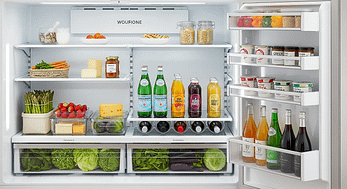
Do not pack your fridge too full. Air needs to flow to keep food cold evenly.
When air moves well, it stops bacteria growth and keeps food fresh longer. Leave space between items.
- Keep shelves neat and not too full
- Store similar items together
- Use fridge bins to group foods
Organize By Expiry Date
Put foods that expire soon at the front. This helps you use them before they go bad.
Check dates regularly and move older items forward. This reduces waste and stops spoiled food from spreading germs.
- Label items with expiry dates
- Use the “first in, first out” rule
- Remove expired foods immediately
Handling Leftovers Safely
Leftovers can be a great way to save food and money. Storing them safely in your fridge stops germs from spreading.
Follow simple steps to keep your fridge clean and your food safe to eat.
Cool Leftovers Quickly
Cool cooked food fast before putting it in the fridge. Hot food can raise the fridge temperature.
Use shallow containers to help heat escape and cool food evenly.
- Divide food into small, flat containers
- Leave containers uncovered until cool
- Put food in fridge within two hours
Store In Small Portions
Keep leftovers in small containers. This helps cool food faster and stops waste.
Small portions make it easy to reheat only what you need and avoid leftovers sitting too long.
- Use airtight containers or sealable bags
- Label containers with the date
- Store similar foods together
Consume Within Recommended Time
Eat leftovers within 3 to 4 days. This keeps food fresh and safe to eat.
Throw away leftovers that smell bad or look different to avoid getting sick.
| Food Type | Recommended Storage Time |
|---|---|
| Cooked Meat | 3 to 4 days |
| Cooked Vegetables | 3 to 4 days |
| Soups and Stews | 3 to 4 days |
Credit: sorty.store
Regular Inventory Checks
Keeping your fridge clean helps prevent contamination. Regular inventory checks stop spoiled food from spreading germs.
Checking items often lets you catch problems early. It keeps all food fresh and safe to eat.
Discard Expired Items
Throw away any food past its expiry date. Expired items can cause bad smells and germs.
Check labels carefully to spot expired products. Remove these items right away to keep the fridge safe.
- Look at expiration and use-by dates
- Check leftovers for signs of spoilage
- Dispose of any moldy or smelly foods
- Do this every week or before shopping
Rotate Stock Regularly
Use older food first before new items. This practice keeps food fresh and reduces waste.
Place new groceries behind older ones. This helps you use food before it expires.
- Put new items at the back
- Keep older items in front
- Check stock weekly to rearrange
- Label leftovers with dates
Preventing Odor And Mold
Keeping your fridge clean helps stop bad smells and mold growth. Odors and mold spread fast in cold, damp places.
Simple steps can keep your fridge fresh and safe for food storage. Use these tips to prevent contamination.
Use Baking Soda
Baking soda absorbs bad smells in the fridge. It neutralizes acids and bases that cause odors.
Place an open box of baking soda on a shelf. Replace it every three months for best results.
- Use a clean, open container for the baking soda
- Keep it away from food to avoid contamination
- Check and replace regularly to maintain freshness
Ensure Proper Ventilation
Good air flow prevents moisture build-up that leads to mold. Avoid overcrowding fridge compartments.
Keep vents clear and clean them often. This helps air move freely inside the fridge.
- Do not block air vents with food or containers
- Arrange items with space between them
- Clean vents and compartments regularly to reduce mold risk
Frequently Asked Questions
How Can I Keep My Fridge Compartments Clean?
Regularly wipe shelves and drawers with mild soap and water. Remove expired foods promptly. Use separate containers for raw and cooked items to avoid cross-contamination. Clean spills immediately to prevent bacteria growth and odors.
What Foods Should Be Stored Separately In The Fridge?
Store raw meats on the lowest shelf to avoid drips. Keep fruits and vegetables in separate drawers. Use sealed containers for leftovers. This prevents bacteria spread and maintains freshness longer.
How Often Should I Sanitize Fridge Compartments?
Sanitize fridge compartments every 1-2 weeks. Use a solution of water and vinegar or mild bleach. Regular cleaning reduces bacteria and mold buildup, ensuring food safety and preventing contamination.
Why Is Proper Food Storage Important In Fridges?
Proper food storage prevents bacteria growth and cross-contamination. It extends food freshness and reduces waste. Organized storage also helps maintain optimal fridge temperature and airflow for food safety.
Conclusion
Keeping your fridge clean protects your food and health. Store items in sealed containers to stop spills. Clean spills quickly to avoid germs growing. Arrange foods so raw items don’t touch cooked ones. Regularly check expiration dates and toss old food.
A tidy fridge saves money and reduces waste. Small habits make a big difference every day. Your fridge stays fresh and safe with simple care.