
Have you ever taken a perfect batch of cookies or a beautiful cake out of the oven, only to find them stuck to the pan? It’s frustrating and can ruin your hard work.
But what if you could easily stop this from happening every time? You’ll discover simple, proven tips to keep your baked goods from sticking. These tricks will save you time, reduce waste, and help you enjoy flawless treats straight from the pan.
Keep reading—you’re about to make your baking experience smoother and more enjoyable than ever.

Credit: www.amazon.com
Choosing The Right Bakeware
Choosing the right bakeware helps prevent baked goods from sticking. The material and coating affect how well food releases.
Using the correct bakeware means less mess and easier cleanup. Let’s look at what matters most when selecting bakeware.
Materials Matter
Different bakeware materials change how heat moves and how food sticks. Some materials hold heat well, while others cool faster.
- Metal pans heat quickly and brown baked goods nicely.
- Glass pans heat evenly but may cause sticking if not greased.
- Ceramic pans hold heat but can be sticky without proper preparation.
- Silicone pans are non-stick but may not brown food as well.
Non-stick Coatings
Non-stick coatings help baked goods release easily. They reduce the need for extra grease or parchment paper.
| Type of Coating | Benefits | Care Tips |
| PTFE (Teflon) | Very non-stick, easy cleanup | Use soft utensils, avoid high heat |
| Ceramic | Non-stick and chemical-free | Hand wash gently, avoid metal tools |
| Silicone | Flexible, non-stick, and lightweight | Clean well after use, watch for tears |

Credit: www.theboywhobakes.co.uk
Preparing Your Pans
Preventing baked goods from sticking is key for perfect results. Proper pan preparation helps baked goods release easily.
Using the right pan care can save time and keep your treats looking great. Two main ways help: greasing and lining.
Greasing Techniques
Greasing adds a thin layer of fat to the pan. It stops batter from sticking during baking.
You can use butter, shortening, or oil for greasing. Use a paper towel or brush to spread it evenly.
- Use soft butter for easy spreading
- Apply shortening with a paper towel
- Brush oil lightly for even coverage
- Grease corners and sides well
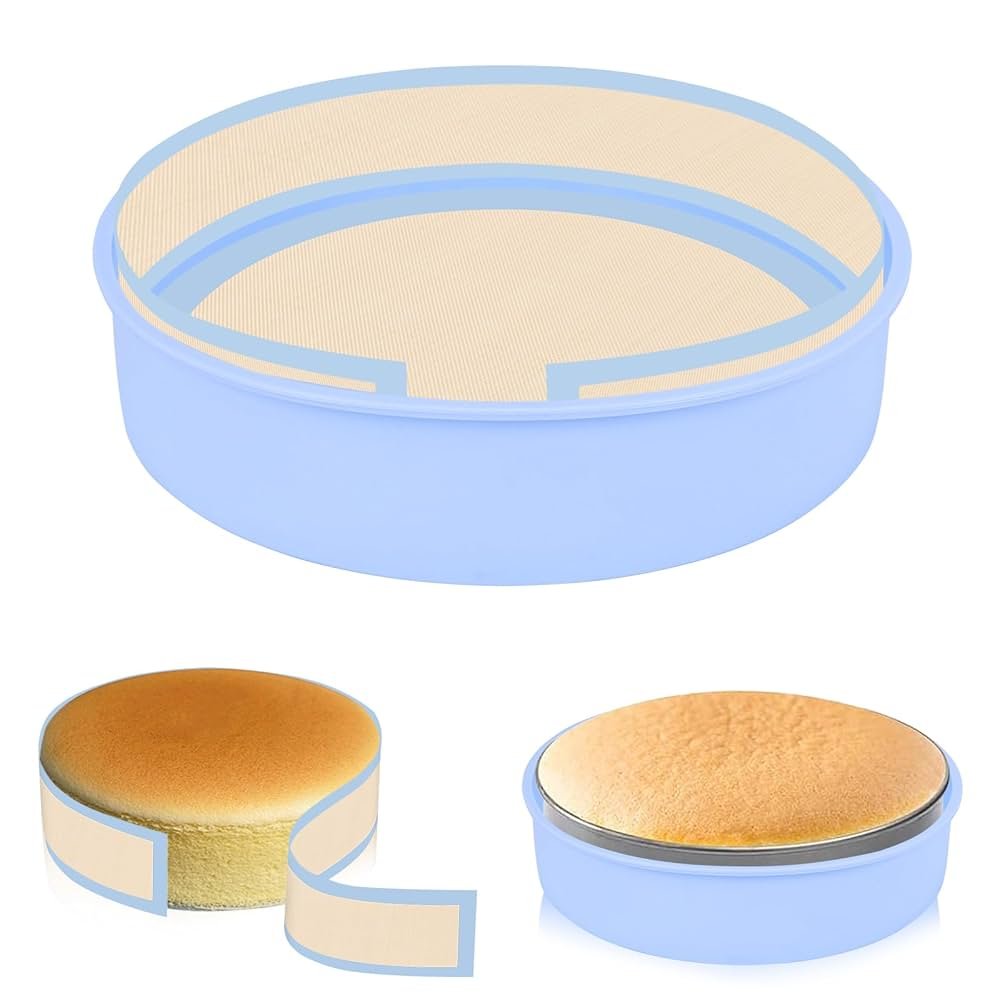
Lining With Parchment Paper
Parchment paper creates a non-stick surface in the pan. It helps lift baked goods out without damage.
Cut the paper to fit the pan bottom. For easy removal, also line the sides if possible.
- Cut paper to fit pan size
- Grease pan first for better hold
- Press paper flat to avoid bubbles
- Use strips for lining pan sides
Utilizing Non-stick Sprays
Non-stick sprays help stop baked goods from sticking to pans. They create a thin, even layer that makes removal easy.
Using the right spray can improve your baking results. It saves time cleaning and keeps your treats intact.
Types Of Sprays
There are several types of non-stick sprays. Each has different ingredients and uses.
- Vegetable oil sprays: Common and affordable, good for most baking tasks.
- Butter-flavored sprays: Add a light buttery taste to baked goods.
- Canola oil sprays: Have a neutral flavor and high smoke point.
- Coconut oil sprays: Give a subtle coconut flavor and work well with sweet recipes.
- Specialty sprays with flour: Made for baking, they combine oil and flour to prevent sticking better.
Application Tips
Spray your pans evenly for best results. Hold the can about 6 to 8 inches from the surface.
Apply a thin coat to avoid pooling or dripping. Too much spray can cause uneven baking.
- Spray before heating the pan for better coverage.
- Use baking spray with flour for sticky batters like cakes.
- Spray every part of the pan, including corners and edges.
- Wipe excess spray with a paper towel if needed.
- Reapply if baking multiple batches to keep pans non-stick.
Credit: www.kingarthurbaking.com
Dusting With Flour Or Cocoa
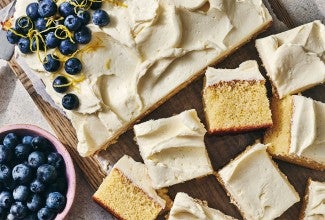
Dusting baked goods with flour or cocoa helps prevent sticking. This simple step makes it easier to remove treats from pans.
Choosing the right dusting powder depends on the flavor and color of your baked goods.
When To Use Flour
Flour is the most common choice for dusting. It works well for light-colored cakes and breads.
- Use flour for vanilla or plain cakes
- Great for bread dough to stop sticking
- Helps when baking sticky batters like muffins
- Easy to find and inexpensive
When To Use Cocoa
Cocoa powder is perfect for chocolate baked goods. It prevents sticking while adding a rich color.
| Type of Baked Good | Recommended Dusting |
| Chocolate cake | Cocoa powder |
| Chocolate brownies | Cocoa powder |
| Dark chocolate muffins | Cocoa powder |
| Light sponge cake | Flour |
Cooling And Releasing
Preventing baked goods from sticking is key to keeping them intact. Cooling and releasing techniques help you remove treats easily.
Using the right cooling time and release methods keeps the texture and shape perfect for serving and storing.
Proper Cooling Time
Let baked goods cool enough before you try to remove them. Cooling helps the structure firm up and prevents sticking.
Too soon, and the baked item may break or stick. Too long, and moisture can build, causing sogginess.
- Cool cakes in the pan for 10-15 minutes
- Let cookies rest on the baking sheet for 2-3 minutes
- Use a wire rack to cool completely and allow air flow
Techniques For Easy Release
Use simple tricks to stop baked goods from sticking to pans or trays. This makes releasing easier and cleaner.
Greasing, lining, and using the right tools help keep baked treats whole and neat.
- Grease pans with butter or oil before adding batter
- Line pans with parchment paper or silicone mats
- Run a knife or spatula around edges before removing
- Tap pans gently to loosen edges
- Invert cakes onto a wire rack for quick release
Common Mistakes To Avoid
Baked goods can stick to pans if you do not prepare them right. This causes broken cookies or cakes.
Avoid these common mistakes to keep your treats perfect and easy to remove from pans.
Over-greasing
Using too much grease on your pans can cause problems. It may make the surface too slippery.
Excess grease can mix with flour and create a sticky layer. This can make your baked goods stick more.
- Use just enough butter or oil to coat the pan thinly.
- Wipe extra grease with a paper towel before adding batter.
- Too much grease can cause uneven cooking and soggy edges.
Skipping Parchment
Not using parchment paper can make baked goods stick to the pan. This makes cleaning hard and ruins the food.
Parchment creates a non-stick surface. It protects your baked goods and helps them release easily.
- Always line your baking pans with parchment paper.
- Cut parchment to fit the pan size for best results.
- Use parchment for cookies, cakes, and brownies to avoid sticking.
Cleaning And Maintenance
Keeping your baking tools clean helps stop baked goods from sticking. Proper care makes your pans last longer.
Simple cleaning and regular checks protect your baking surfaces. This keeps your treats perfect every time.
Caring For Non-stick Surfaces
Non-stick pans need gentle cleaning to keep their coating safe. Use soft sponges and mild soap only.
Never use harsh chemicals or steel wool. These can damage the non-stick layer and cause sticking.
- Wash pans by hand with warm water and soft sponge
- Dry pans completely before storing to avoid rust
- Use baking soda paste to remove tough spots gently
- Avoid dishwasher use unless the pan says it is safe
Avoiding Scratches And Damage
Scratches can ruin your pans and make food stick. Use wooden or silicone tools instead of metal.
Store pans carefully to avoid scraping. Stack them with soft cloth or paper towels between.
- Choose non-metal utensils like wood or silicone
- Do not cut food directly in the pans
- Use gentle motions when stirring or scraping
- Place soft liners between stacked pans when storing
Frequently Asked Questions
How Do I Stop Baked Goods From Sticking To Pans?
Use parchment paper or grease your pans well with butter or oil. Dust with flour or cocoa powder for extra protection. Non-stick spray also works. These methods create a barrier, preventing sticking and making removal easier.
What’s The Best Way To Grease A Baking Pan?
Spread butter, shortening, or oil evenly over the pan’s surface. Use a pastry brush or paper towel for an even coat. Avoid thick layers to prevent uneven baking and sticking.
Can Parchment Paper Prevent Baked Goods From Sticking?
Yes, parchment paper is an excellent non-stick option. It withstands high temperatures and provides a smooth surface. It also makes cleanup faster and helps baked goods release easily.
How Does Flour Help Prevent Sticking In Baking?
Flouring a greased pan adds a dry layer that stops batter from sticking. It’s especially useful for sticky batters like cakes. Use a light dusting to avoid clumps or uneven spots.
Conclusion
Preventing baked goods from sticking is simple with the right steps. Use parchment paper or grease your pans well. Let your baked items cool slightly before removing them. Avoid rushing this process. These small actions make a big difference. Enjoy baking without the frustration of stuck treats.
Baking becomes more fun and less messy. Try these tips in your next baking session. Your cakes and cookies will come out perfect every time.