
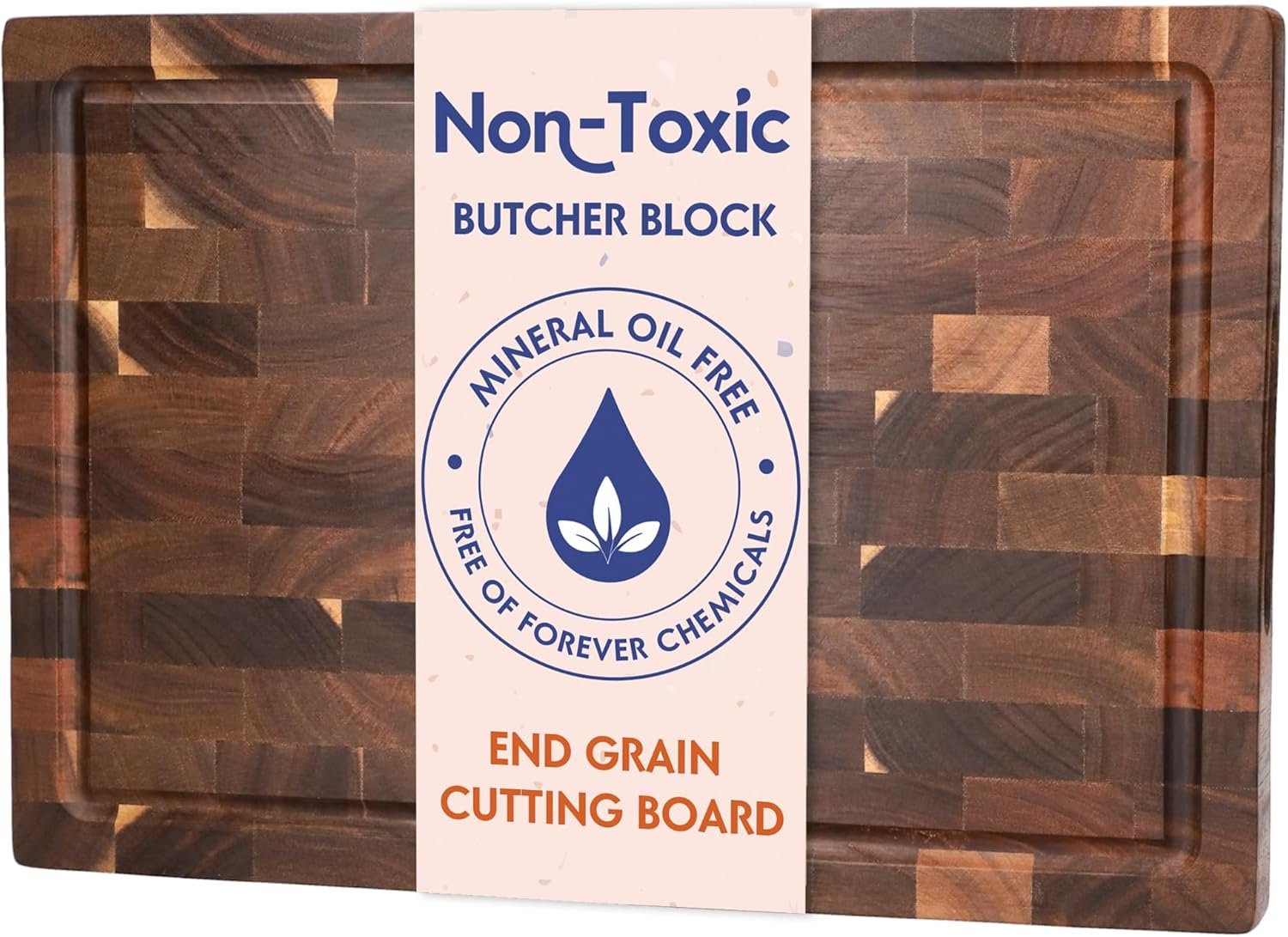
Your cutting board is one of the busiest tools in your kitchen, but it can also be a hidden hotspot for harmful bacteria. If you’re not careful, these germs can contaminate your food and put your health at risk.
Wouldn’t you want to keep your cutting board clean and safe without spending hours scrubbing? You’ll discover simple and effective ways to stop bacteria from growing on your cutting boards. By following these easy tips, you’ll protect yourself and your loved ones while making your kitchen a safer place.
Keep reading to learn how to take control of your cutting board’s cleanliness today!
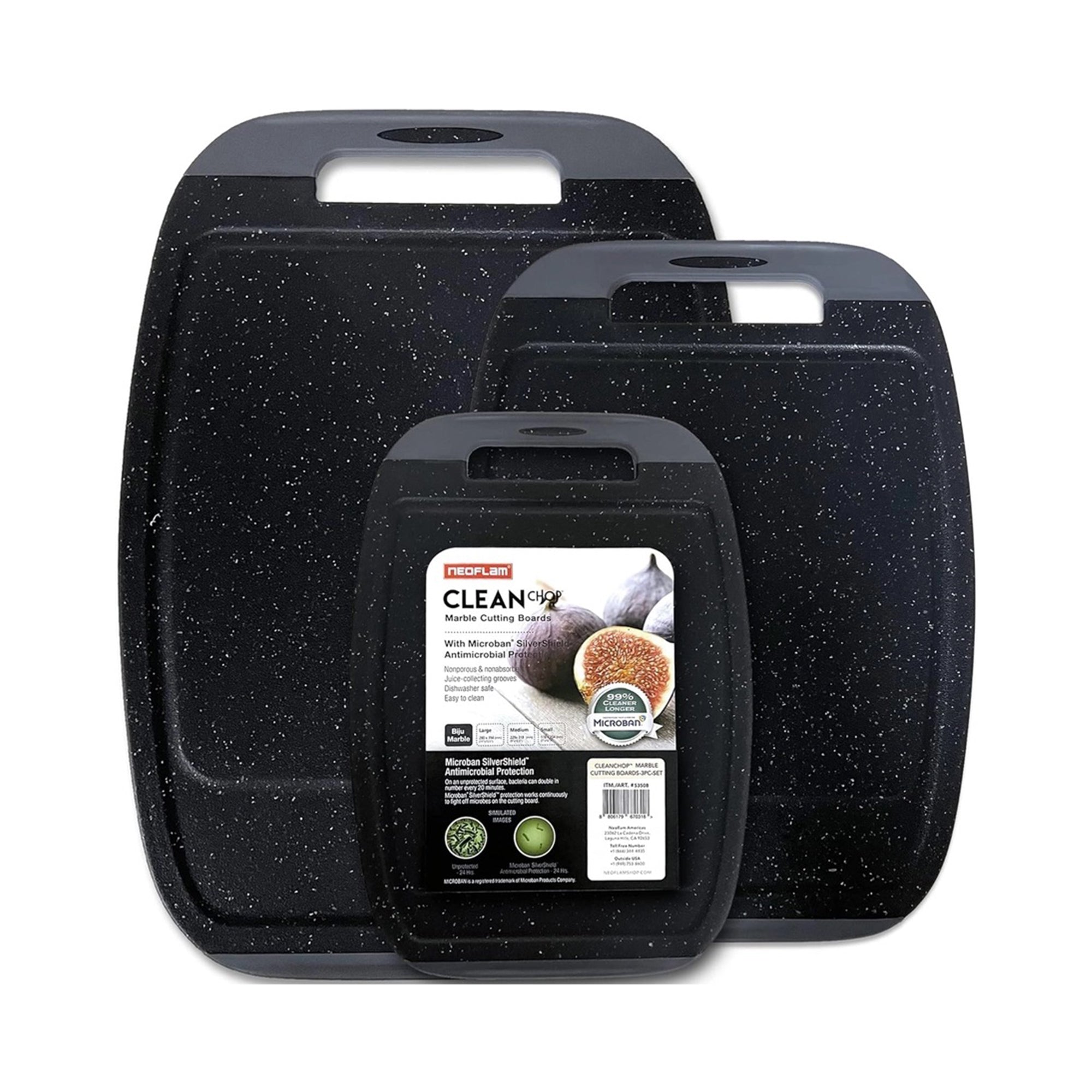
Credit: www.neoflamshop.com
Choosing The Right Cutting Board
Cutting boards are essential in any kitchen. They help keep food preparation clean and organized. Choosing the right one can prevent bacterial growth.
Different materials have different properties. It’s important to know which is best for your kitchen needs.
Wood Vs Plastic Boards
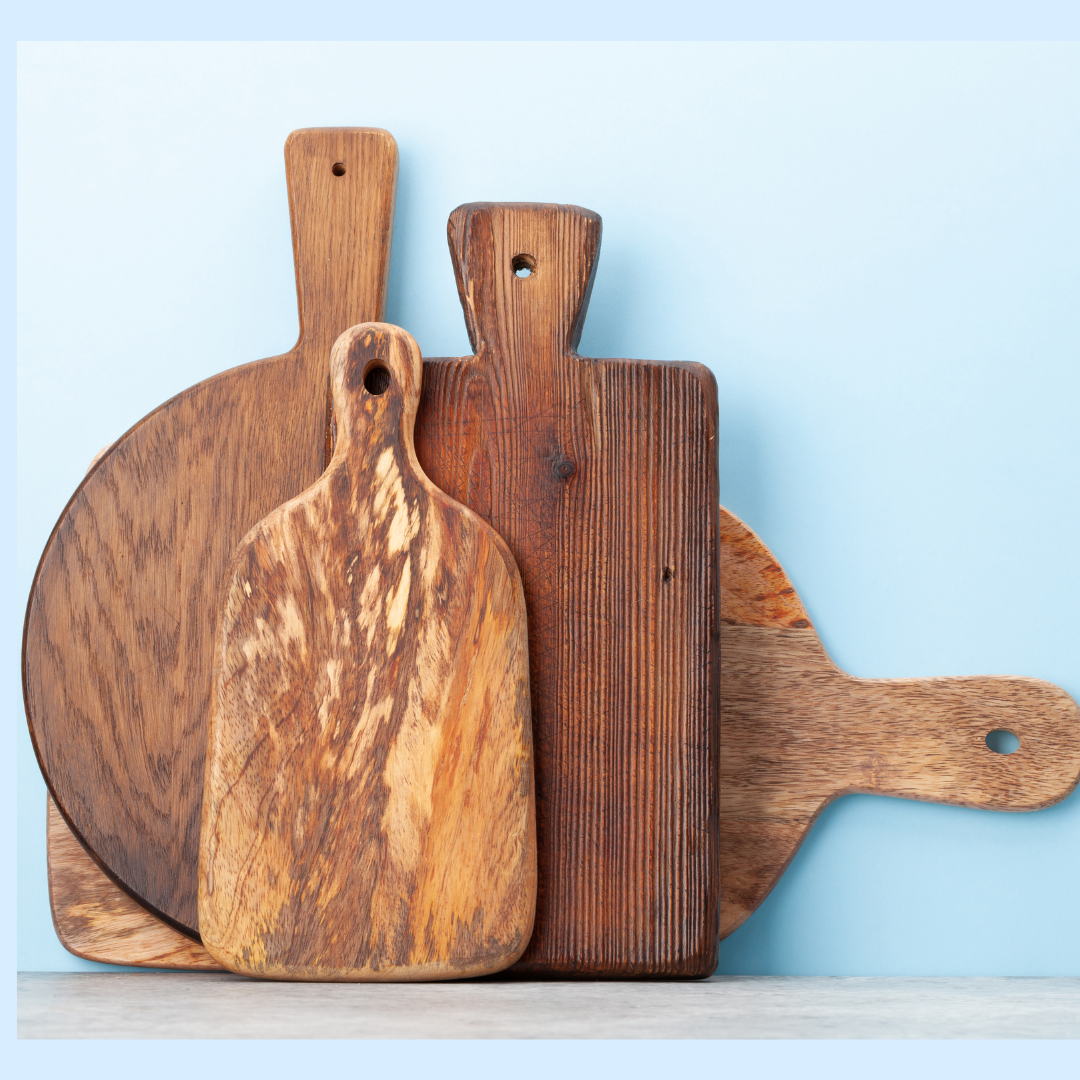
Wood boards are popular for their durability. They are less likely to scar deeply. This makes it harder for bacteria to hide.
Plastic boards are lightweight and easy to clean. They can be put in the dishwasher. However, they can scar easily, providing places for bacteria to grow.
- Wood boards are best for meats and veggies.
- Plastic boards are good for quick cleaning.
Antibacterial Materials
Some boards are made from antibacterial materials. These materials help reduce bacteria growth. They are often treated with special coatings.
Antibacterial boards can be more expensive. However, they offer added protection. They are useful in busy kitchens where hygiene is critical.
| Material | Benefit |
| Wood | Durable, less scarring |
| Plastic | Easy to clean |
| Antibacterial | Reduces bacteria growth |
Proper Cleaning Techniques
Cutting boards can harbor bacteria if not cleaned well. Proper cleaning keeps food safe and fresh.
Use the right cleaning methods to stop bacteria from growing on your cutting boards.
Washing With Soap And Water
Wash your cutting boards with hot water and soap after every use. This removes food particles and germs.
Scrub the surface well, especially in grooves or cuts, then rinse thoroughly with clean water.
Using Vinegar And Baking Soda
Vinegar and baking soda are natural cleaners that kill many bacteria. Use them for extra cleaning power.
Sprinkle baking soda on the board, then spray with vinegar. Let it bubble for a few minutes before scrubbing.
- Apply baking soda evenly on the surface
- Spray white vinegar over the baking soda
- Wait 5 minutes for the mixture to work
- Scrub with a brush or sponge
- Rinse with warm water and dry
Sanitizing With Bleach Solutions
Use a mild bleach solution to sanitize cutting boards and kill bacteria quickly. This is good for deep cleaning.
Mix one tablespoon of bleach with one gallon of water. Soak or wipe the board, then rinse well with water.
- Prepare bleach solution: 1 tablespoon bleach per gallon of water
- Apply solution to the cutting board surface
- Let it sit for 1 to 2 minutes
- Rinse thoroughly with clean water
- Dry completely before storing
Drying And Storage Tips
Cutting boards can grow bacteria if not dried and stored well. Keeping them dry stops bacteria from spreading.
Good drying and storage habits help keep cutting boards clean and safe for food preparation.
Air Drying Methods
Let cutting boards dry in open air after washing. Air drying helps remove moisture faster than towels.
Place the board upright or on a rack to let air reach all sides. This stops water from pooling.
- Stand boards on their edges for better airflow
- Use a drying rack with gaps underneath
- Avoid stacking boards while wet
- Keep the drying area clean and dry
Avoiding Moisture Traps
Do not store cutting boards in places where water can collect. Moisture traps create bacteria-friendly spots.
Keep boards away from damp cabinets or under sinks. Use well-ventilated areas to store them dry.
- Do not stack wet boards on top of each other
- Store in a dry, open space with good airflow
- Use hooks or stands to keep boards off flat surfaces
- Check storage areas regularly for dampness

Credit: tsukushi-japan.com
Routine Maintenance
Keeping cutting boards clean helps stop bacteria from growing. Routine maintenance keeps boards safe for food use.
Regular care extends the life of cutting boards and prevents damage that can trap germs.
Sanding And Resurfacing
Sanding removes deep cuts and scratches where bacteria hide. Resurfacing smooths the board’s surface.
Use fine-grit sandpaper to gently sand the board. Sand in the direction of the wood grain.
- Clean board before sanding
- Sand until surface feels smooth
- Wipe off dust with a damp cloth
- Let board dry completely before use
Oiling Wooden Boards
Oiling wooden boards prevents drying and cracking. It also creates a barrier against moisture and bacteria.
Use food-safe mineral oil or a special cutting board oil. Apply a thin coat with a clean cloth.
- Apply oil evenly over the surface
- Let oil soak in for several hours
- Wipe off any extra oil with a dry cloth
- Oil boards regularly, about once a month
Preventing Cross-contamination
Cutting boards can carry bacteria from raw foods to cooked foods. This can cause food poisoning. It is important to stop this by keeping cutting boards clean and separate.
Using the right methods can help you keep your kitchen safe. This guide explains how to avoid cross-contamination on cutting boards.
Separate Boards For Different Foods
Use different cutting boards for meat, vegetables, and cooked foods. This stops germs from spreading between foods. For example, raw chicken can carry harmful bacteria.
Cleaning boards well is important, but using separate boards is safer. Store them apart so you do not mix them by mistake.
Color-coding Systems
Color-coding cutting boards helps you know which board to use. Assign colors to food types like red for meat and green for vegetables. This makes it easy to avoid mistakes.
- Red: Raw meat
- Blue: Fish and seafood
- Green: Fruits and vegetables
- Yellow: Cooked foods
- Brown: Bread and bakery items
Use labels or stickers if needed. Train everyone in your kitchen to follow the color rules. This system reduces the risk of bacteria spreading.
When To Replace Your Cutting Board
Cutting boards can get worn out after long use. Old boards may hide bacteria that can cause illness.
Knowing when to replace your cutting board helps keep your kitchen safe and clean.
Signs Of Wear And Damage
Look for deep cuts, cracks, or grooves on your cutting board. These can trap food and bacteria.
If your board feels rough or has warped edges, it may be time to replace it.
- Deep knife marks or cracks
- Warped or bent surface
- Loose or damaged parts (for wooden boards)
- Unpleasant odors that do not go away
Health Risks Of Old Boards
Bacteria can grow in cracks and cuts on old boards. This can cause food poisoning.
Using a worn board increases the chance of cross-contamination between foods.
- Increased risk of harmful bacteria like Salmonella and E. coli
- Foodborne illness from poor hygiene
- Hard to clean and sanitize properly
- Possible mold growth in deep cuts
Credit: www.historicunioncounty.com
Frequently Asked Questions
How Often Should I Clean My Cutting Board?
Clean your cutting board after every use. Use hot, soapy water and scrub thoroughly. This prevents bacteria buildup and cross-contamination.
What Is The Best Way To Disinfect Cutting Boards?
Disinfect cutting boards with a solution of one tablespoon bleach per gallon of water. Let it sit for a few minutes, then rinse well and air dry.
Can Wooden Cutting Boards Harbor Bacteria?
Yes, wooden boards can harbor bacteria in grooves. Proper cleaning and regular oiling help reduce bacterial growth and maintain the board’s surface.
Should I Use Separate Boards For Meat And Vegetables?
Yes, using separate boards prevents cross-contamination. Designate one for raw meat and another for fruits or vegetables to ensure food safety.
Conclusion
Preventing bacteria on cutting boards keeps your kitchen safe and clean. Clean boards after every use with hot, soapy water. Use separate boards for raw meat and vegetables. Dry boards well to stop moisture buildup. Regularly replace old or deeply scratched boards.
Simple habits protect your food and family’s health. Small steps make a big difference in food safety. Stay mindful and keep your cutting boards fresh. Safe cooking starts with a clean surface.