
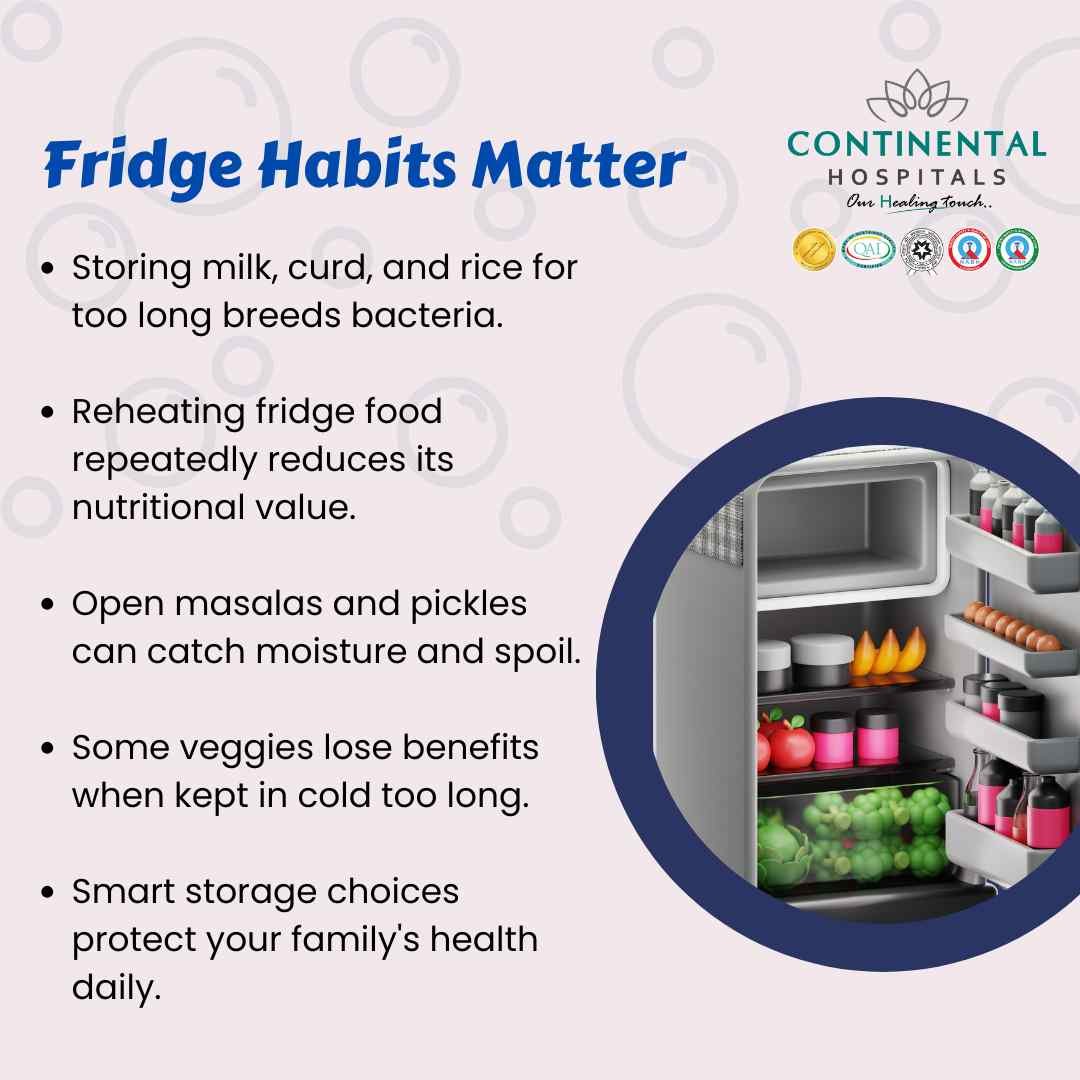
Keeping your kitchen safe and clean isn’t just about looks—it’s about protecting your health. You might not realize it, but harmful bacteria can grow quickly in your kitchen and cause foodborne illnesses.
The good news? With a few simple habits, you can stop bacteria from spreading and keep your meals safe for everyone. Ready to learn easy, effective ways to prevent bacterial growth in your kitchen? Keep reading—you’ll discover tips that can make a big difference for your family’s health.
Cleanliness And Hygiene
Keeping your kitchen clean stops bacteria from growing. Bacteria can cause food to spoil and make people sick.
Good hygiene habits protect your family and help keep your kitchen safe. Clean surfaces, hands, and tools often.
Regular Surface Cleaning
Clean kitchen surfaces every day to remove dirt and germs. Use warm soapy water or a disinfectant cleaner.
Wipe countertops, cutting boards, and tables after preparing food. This stops bacteria from spreading.
- Use separate cloths for different areas
- Clean spills immediately
- Allow surfaces to dry fully
Proper Handwashing Techniques
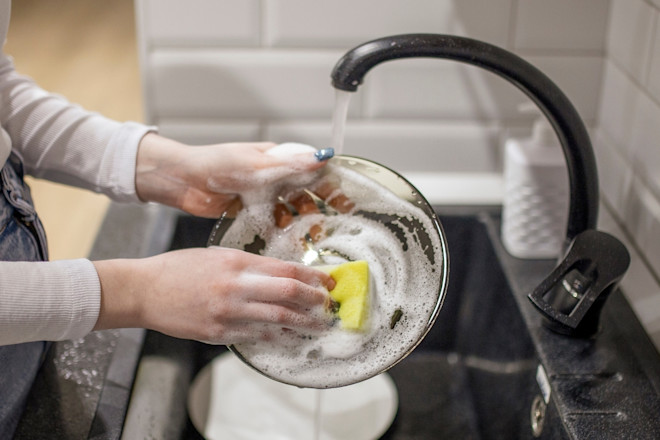
Wash your hands before and after handling food. Use soap and warm water to remove germs.
Rub hands together for at least 20 seconds. Clean between fingers and under nails for best results.
- Wet hands with clean water
- Apply enough soap to cover hands
- Scrub all hand surfaces for 20 seconds
- Rinse well under running water
- Dry with a clean towel or air dry
Sanitizing Kitchen Tools
Sanitize kitchen tools to kill bacteria. This includes knives, spoons, and cutting boards.
Use a solution of bleach and water or a commercial sanitizer. Rinse tools well after sanitizing.
- Wash tools with soap and water first
- Soak in sanitizer for recommended time
- Air dry or use clean cloths to dry
- Store tools in a clean, dry place
:max_bytes(150000):strip_icc()/The-Food-Storage-Mistake-Youre-Probably-Making-Right-Now-be9c55747b09481490ea6338d6fca4fb.jpg)
Credit: www.eatingwell.com
Food Storage Practices
Keeping your kitchen safe means stopping bacteria from growing on food. Proper food storage helps keep food fresh and safe to eat.
Following simple rules can reduce the risk of foodborne illness. Learn how to store food correctly in your kitchen.
Refrigeration Guidelines
Keep your refrigerator at or below 40°F (4°C). This slows down bacteria growth on perishable foods.
Store raw meat, poultry, and seafood on the bottom shelf. This prevents their juices from dripping onto other foods.
- Check temperature with a fridge thermometer
- Do not overcrowd the fridge to allow air flow
- Use airtight containers or wrap food tightly
- Clean spills promptly to avoid cross-contamination
Separation Of Raw And Cooked Foods
Raw foods can carry harmful bacteria. Keep them away from cooked foods to avoid contamination.
Use separate cutting boards, plates, and utensils for raw and cooked foods. This stops bacteria from spreading.
- Store raw meat in sealed containers or plastic bags
- Keep raw foods on lower shelves in the fridge
- Wash hands after handling raw foods
- Never place cooked food on surfaces that held raw items
Safe Use Of Leftovers
Cool leftovers quickly and store them in the fridge within two hours. This stops bacteria from growing.
Reheat leftovers to at least 165°F (74°C) before eating. This kills any bacteria that may have grown.
- Use shallow containers to cool food faster
- Label leftovers with dates to track freshness
- Eat leftovers within 3 to 4 days
- Discard any food that smells or looks bad
Cooking And Temperature Control
Keeping your kitchen safe from bacteria is very important. Cooking and controlling temperature helps stop bacteria from growing.
Proper cooking and careful temperature checks reduce the risk of foodborne illness. This guide shows how to do it right.
Cooking Food Thoroughly
Cook food until it reaches a safe internal temperature. This kills harmful bacteria that cause sickness.
Use a food thermometer to check meat, poultry, and seafood. Avoid guessing if the food is done.
- Chicken and turkey: 165°F (74°C)
- Ground meats: 160°F (71°C)
- Beef, pork, lamb (steaks, chops): 145°F (63°C) plus 3 minutes rest
- Fish and shellfish: 145°F (63°C)
Monitoring Kitchen Temperatures
Keep your kitchen at safe temperatures to stop bacteria from growing. Bacteria grow fast between 40°F and 140°F.
Store cold foods below 40°F. Keep hot foods above 140°F until serving. Use a refrigerator and food warmers properly.
- Check fridge temperature daily
- Use thermometers in hot holding units
- Cool leftovers quickly within 2 hours
- Reheat foods to 165°F before serving
Avoiding Cross-contamination
Cross-contamination spreads bacteria from one food to another. Keep raw and cooked foods separate.
Use different cutting boards, knives, and plates for raw meat and ready-to-eat foods. Wash hands often.
- Clean surfaces with hot soapy water after use
- Store raw meat on bottom shelves in fridge
- Use separate utensils for raw and cooked foods
- Wash hands before and after handling food
Credit: www.discovermagazine.com
Handling Perishable Items
Keeping your kitchen safe means stopping bacteria from growing. Perishable foods like meat, seafood, fruits, and dairy can spoil fast.
Proper handling helps keep these foods fresh and safe to eat. Follow simple rules to reduce risks.
Proper Meat And Seafood Storage
Store meat and seafood in the coldest part of the fridge. Keep them in sealed containers or tightly wrapped to avoid leaks.
Use or freeze these items within two days to stop bacteria from growing. Never leave them at room temperature for long.
- Keep raw meat and seafood separate from other foods
- Store them at 40°F (4°C) or below
- Use airtight packaging to prevent contamination
- Freeze if not used within two days
Safe Produce Handling
Wash fruits and vegetables under running water before eating or cooking. Do not use soap or bleach to clean them.
Store produce separately from raw meat and seafood. Use clean containers or produce bags to keep them fresh.
- Rinse all fruits and vegetables well
- Store leafy greens in clean, dry containers
- Keep produce in the fridge if needed
- Throw away bruised or damaged items
Dairy Product Management
Keep dairy products like milk, cheese, and yogurt cold at all times. Store them in the main fridge area, not in the door.
Check expiration dates and use dairy products before they go bad. Keep containers closed tightly to avoid spills and contamination.
- Store dairy at or below 40°F (4°C)
- Use clean utensils to scoop or pour
- Close containers tightly after use
- Discard dairy products past their expiration date
Kitchen Environment Maintenance
Keeping your kitchen clean and safe helps stop bacteria from growing. A well-maintained kitchen lowers the risk of food contamination.
Simple habits can keep your kitchen environment healthy. Focus on good air flow, clean appliances, and pest control.
Ventilation Importance
Good ventilation removes moisture and odors from the kitchen. This stops damp areas where bacteria can grow.
Use exhaust fans or open windows to keep air moving. Fresh air helps keep surfaces dry and clean.
Regular Appliance Cleaning
Appliances like refrigerators, ovens, and microwaves can harbor bacteria. Clean them often to keep food safe.
Remove crumbs and spills inside appliances. Wipe surfaces with safe cleaning products regularly.
- Clean refrigerator shelves weekly
- Wipe microwave interior after use
- Remove oven spills after cooling
Pest Control Measures
Pests like flies, ants, and rodents spread bacteria in kitchens. Keep pests out to reduce health risks.
Seal cracks and store food in closed containers. Dispose of garbage often and keep the kitchen tidy.
- Use tight lids on food containers
- Clean up crumbs and spills quickly
- Fix holes and gaps in walls
- Take out trash daily

Credit: www.homesandgardens.com
Personal Habits And Practices
Keeping your kitchen clean helps stop bacteria from growing. Your habits play a big role in food safety.
Simple daily actions can lower the risk of spreading germs. Learn which habits protect your kitchen.
Appropriate Attire In The Kitchen
Wear clean clothes to keep germs away from food. Avoid loose sleeves that can touch food or surfaces.
Use an apron to protect your clothes. Change it if it gets dirty during cooking.
- Wear hair tied back or a hairnet
- Remove jewelry that can collect dirt
- Use gloves when handling raw food
Avoiding Unnecessary Contact
Touch only what you need in the kitchen. This helps stop germs from spreading to food and surfaces.
Wash hands before and after touching food. Avoid touching your face or phone while cooking.
- Use utensils instead of bare hands
- Keep pets out of the kitchen
- Clean and sanitize surfaces regularly
Regular Health Checks
Stay healthy to avoid spreading germs in the kitchen. Watch for signs of illness before cooking.
If you feel sick, avoid preparing food for others. Regular health checks help catch infections early.
- Check for symptoms like fever or cough
- Keep up with doctor visits and vaccinations
- Practice good personal hygiene every day
Frequently Asked Questions
How Can I Stop Bacteria From Growing On Kitchen Surfaces?
Clean kitchen surfaces regularly with hot, soapy water or disinfectant. Wipe spills immediately and avoid cross-contamination. Use separate cutting boards for raw meat and vegetables.
What Temperature Kills Bacteria In Food Storage?
Keep refrigerated food below 40°F (4°C) and frozen food below 0°F (-18°C). These temperatures slow or stop bacterial growth effectively.
How Often Should Kitchen Towels Be Washed?
Wash kitchen towels after every use or at least every two days. Damp towels harbor bacteria and promote bacterial growth quickly.
Why Is Handwashing Important In Preventing Kitchen Bacteria?
Handwashing removes bacteria and prevents spreading to food or surfaces. Use soap and warm water for at least 20 seconds before handling food.
Conclusion
Keeping your kitchen clean stops bacteria from growing fast. Wash hands often and use clean cloths. Store food properly and cook it well. Clean surfaces and utensils after use. Avoid cross-contamination by using separate cutting boards. Regularly empty the trash and keep pests away.
These simple steps help keep your family safe. A clean kitchen means healthier meals every day. Small habits make a big difference in preventing bacteria. Stay mindful and protect your home’s health easily.