
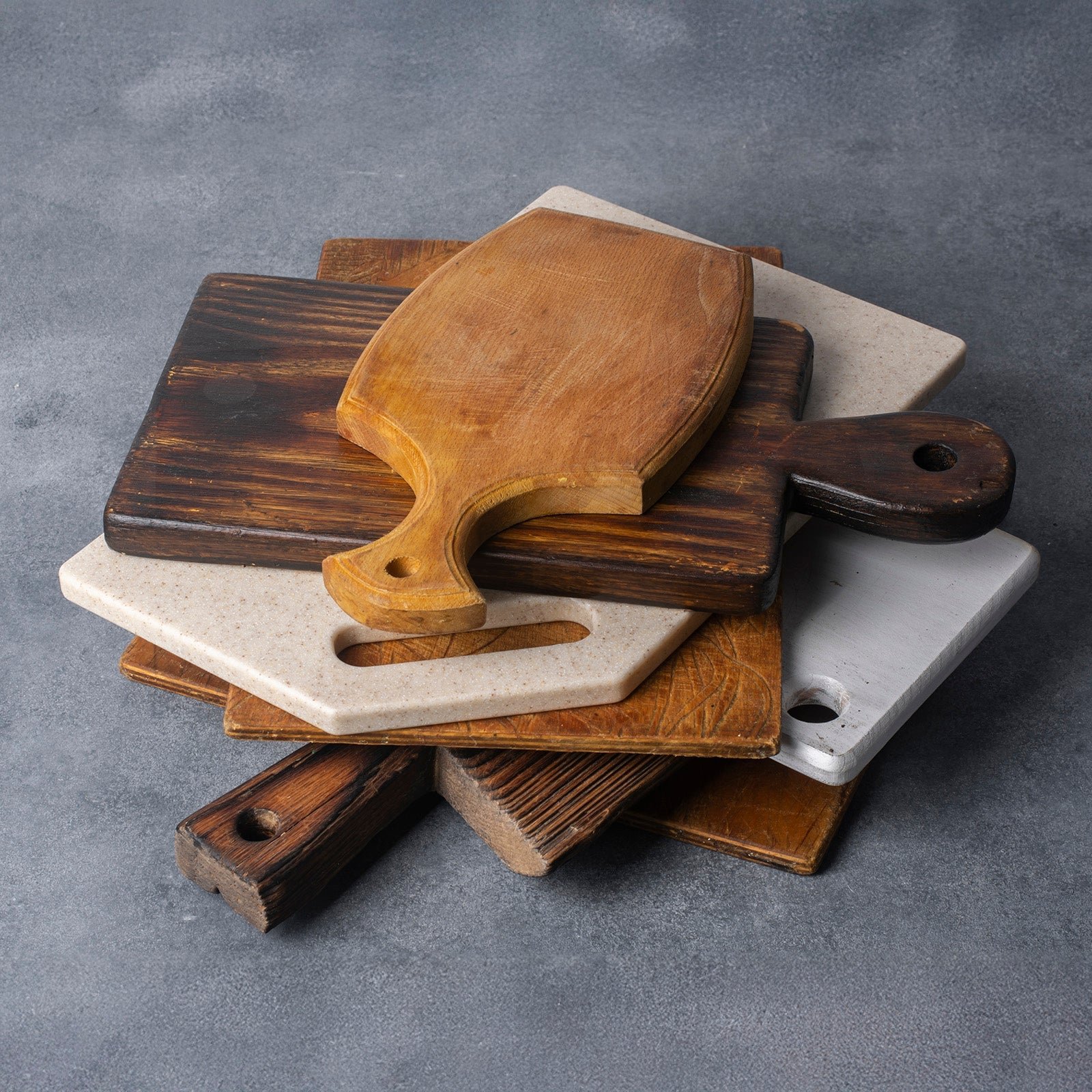
Your cutting board might seem like just another kitchen tool, but it can hide dangerous bacteria that put your health at risk. If you don’t take the right steps, those germs can easily spread to your food and cause illness.
You want to keep your meals safe and your family healthy, right? You’ll discover simple yet powerful ways to prevent bacterial contamination on your cutting boards. By following these easy tips, you’ll protect yourself and enjoy cooking with confidence every time.
Keep reading to learn how to make your kitchen a safer place.
Types Of Cutting Boards
Cutting boards are essential in every kitchen. They help prepare food safely.
Different materials affect how easy it is to clean and prevent bacteria.
Wood
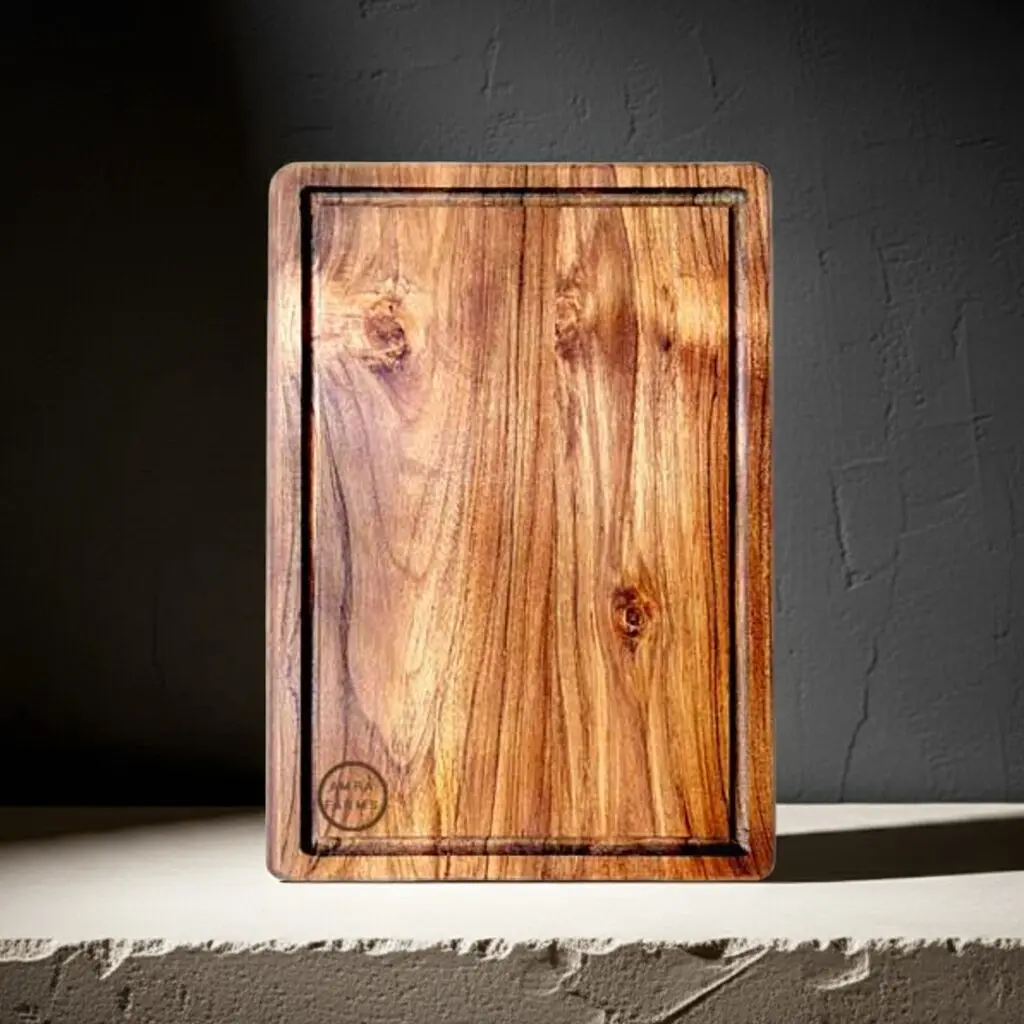
Wood cutting boards are gentle on knives and last long. They absorb moisture, which can hide bacteria.
Regular cleaning and oiling keep wood boards safe and in good condition.
- Use hot soapy water to wash after each use
- Dry immediately to stop bacteria growth
- Oil the board monthly to prevent cracks
Plastic
Plastic boards are easy to clean and dishwasher safe. They do not absorb liquids or bacteria.
Replace plastic boards when they get many deep cuts where bacteria can hide.
- Clean in dishwasher or with hot, soapy water
- Check for deep grooves regularly
- Replace if surface is heavily scratched
Glass
Glass boards are very easy to clean and do not hold bacteria. They are hard on knives and may cause dull blades.
Glass boards can crack or break if dropped, so handle carefully.
- Wash with hot, soapy water or dishwasher
- Avoid dropping to prevent cracks
- Not good for knife edges, use for cutting fruits or cheese
Bamboo
Bamboo boards are harder than wood and resist moisture better. They are less likely to absorb bacteria.
Clean bamboo boards well and oil them to keep them smooth and safe.
- Wash with warm, soapy water after use
- Dry completely to avoid warping
- Oil regularly to protect the surface
Choosing The Right Material
Cutting boards come in many materials. Picking the right one helps stop bacteria from growing.
Some materials clean better than others. This affects your kitchen safety.
Pros And Cons Of Each Type
Wood boards are popular. They are gentle on knives and can last long.
But wood can absorb liquids. This can let bacteria hide inside.
Plastic boards are easy to clean. You can wash them in a dishwasher.
Plastic may get cuts from knives. These cuts can trap germs.
Bamboo boards are harder than wood. They resist cuts better and dry fast.
Bamboo can be rough on knives. It may also crack over time.
Glass boards look clean and are easy to wash. They do not absorb liquids.
Glass can dull knives quickly. It is also slippery and may break.
- Wood:Durable, gentle, but absorbs moisture
- Plastic:Dishwasher safe, but can trap bacteria in cuts
- Bamboo:Hard and dries fast, but rough on knives
- Glass:Non-porous and clean, but dulls knives and can break
Best Choices For Different Foods
Use wood boards for cutting fruits and vegetables. They are gentle and safe.
Plastic boards work well for raw meat. You can clean them thoroughly in dishwashers.
Bamboo boards suit bread and dry foods. They stay dry and last long.
Glass boards are best for serving or slicing cheese. Avoid heavy cutting to protect knives.
| Food Type | Best Board Material |
|---|---|
| Fruits and Vegetables | Wood |
| Raw Meat and Poultry | Plastic |
| Bread and Dry Foods | Bamboo |
| Cheese and Serving | Glass |
Regular Cleaning Practices
Cutting boards can hold bacteria if not cleaned well. Regular cleaning stops germs from spreading.
Good cleaning keeps food safe and prevents illness. Learn simple ways to clean cutting boards correctly.
Dishwasher Vs. Hand Washing
Dishwashers use hot water that kills most germs on cutting boards. This makes them very clean.
Hand washing can also clean well if done right. Use hot soapy water and scrub all surfaces.
- Dishwasher cleans boards with heat and strong jets
- Hand washing needs thorough scrubbing and rinsing
- Wood boards should be hand washed to avoid damage
- Plastic boards can go in the dishwasher safely
Effective Cleaning Agents
Use the right cleaning agents to kill bacteria on cutting boards. Soap is the basic choice.
Some natural agents like vinegar and baking soda also help clean and remove odors.
- Dish soap removes grease and food bits
- White vinegar kills many bacteria types
- Baking soda scrubs stains and smells
- Hydrogen peroxide can disinfect plastic boards
Credit: choppingboards.in
Sanitizing Techniques
Cutting boards can easily carry bacteria if not cleaned well. Sanitizing helps kill germs and keeps food safe.
Using the right sanitizing method stops bacteria from spreading. It makes your kitchen cleaner and safer.
Natural Sanitizers
Natural sanitizers use ingredients from nature to clean cutting boards. They are safe and easy to find.
Lemon juice and vinegar are common natural choices. They kill many types of bacteria without harsh chemicals.
- Use lemon juice by rubbing it on the board. Let it sit for a few minutes, then rinse.
- Spray or wipe the board with white vinegar. Leave it for five minutes before washing.
- Baking soda mixed with water makes a paste. Scrub the board and rinse well.
Chemical Solutions
Chemical sanitizers kill bacteria quickly and work well on cutting boards. Use them with care.
Common chemicals include bleach and commercial sanitizers. Always follow the instructions on the label.
- Mix a small amount of bleach with water (about one tablespoon per gallon).
- Apply the solution to the board and let it sit for two minutes.
- Rinse the board thoroughly with water after sanitizing.
- Use food-safe commercial sprays made for kitchen surfaces.
Frequency Of Sanitization
Regular sanitizing stops bacteria from building up on cutting boards. Clean often for safety.
Sanitize after cutting raw meat, poultry, or fish. Also clean between different food types.
- Sanitize cutting boards after each use with raw animal products.
- Clean boards used for vegetables or fruits daily.
- Replace wooden boards if deep cuts stay dirty after cleaning.
Separate Boards For Different Foods
Using separate cutting boards for different foods helps stop bacteria from spreading. This is very important for safe food preparation.
Meat, vegetables, and bread need their own boards to keep food safe and clean.
Preventing Cross-contamination
Cross-contamination happens when bacteria moves from one food to another. Using separate boards stops this from happening.
Always use one board for raw meat and another for fruits or vegetables. Clean boards well after each use.
- Keep raw meat on a different board than cooked food
- Use one board for vegetables and fruits only
- Wash boards with hot soapy water after use
Color-coding Systems
Color-coding cutting boards makes it easy to know which board to use. This reduces mistakes in the kitchen.
Assign colors to specific food types. For example, red for meat and green for vegetables. This helps keep foods separate.
- Red board for raw meat and poultry
- Green board for fruits and vegetables
- Blue board for fish and seafood
- Yellow board for cooked foods
Inspecting For Damage
Cutting boards can develop damage over time. This damage can hide bacteria and cause contamination. Regular checks help keep your kitchen safe.
Look closely at your cutting board’s surface. Check for cracks, grooves, or deep cuts. These can trap food particles and germs.
Signs Of Wear And Tear
Wear and tear show up as scratches, cracks, or deep grooves. These spots are hard to clean and can hold bacteria.
- Small scratches on the surface
- Deep cuts that are hard to see
- Cracks that split the board
- Warping or bending of the board
- Discoloration or stains that don’t wash out
When To Replace
Replace your cutting board if damage is severe. If cracks or grooves cannot be cleaned well, bacteria can grow.
Also replace boards that warp or smell bad. These are signs the board is no longer safe to use.
- Deep cracks that hold food and germs
- Warped boards that do not sit flat
- Persistent bad odors after cleaning
- Surface worn down unevenly
- Visible mold or mildew spots
Proper Storage Tips
Keeping your cutting boards clean and dry is key to stopping bacteria. Good storage helps boards last longer and stay safe.
Use smart storage methods to avoid dirt and moisture. This keeps your kitchen healthier and your food safer.
Avoiding Moisture Build-up
Moisture lets bacteria grow quickly on cutting boards. Always dry boards well before putting them away.
Store boards in a place with good air flow. Avoid stacking wet boards on top of each other.
- Dry boards completely after washing
- Use racks or stands to keep boards upright
- Keep storage areas clean and dry
- Do not store boards in closed, damp cabinets
Storing By Material Type
Cutting boards come in wood, plastic, and bamboo. Each type needs different care to stay safe.
Store wooden boards where air can reach all sides. Avoid very dry or very damp places.
- Wood:Keep dry and upright. Oil regularly to prevent cracks.
- Plastic:Store flat or upright. Can go in dishwasher for cleaning.
- Bamboo:Treat like wood. Dry well and oil to keep strong.

Credit: www.youtube.com
Additional Preventive Measures
Keeping cutting boards clean stops bacteria from spreading to food. This helps keep meals safe and healthy.
Besides washing cutting boards well, other steps can lower contamination risks. These extra actions protect your kitchen.
Using Cutting Board Mats
Cutting board mats are thin sheets placed on top of boards. They offer a clean surface to cut food.
Mats reduce deep cuts in boards where bacteria hide. They are easy to clean or replace after use.
- Mats prevent cross-contamination between raw and cooked foods
- Use different mats for meat, vegetables, and bread
- Wash mats with hot soapy water after use
- Replace mats if they get torn or stained
Regular Maintenance Schedules
Keep a cleaning routine for all cutting boards. Regular care stops bacteria build-up over time.
Check boards for cracks or deep grooves. These can trap germs and need extra attention or replacement.
- Clean boards with hot water and soap after each use
- Sanitize boards weekly with vinegar or bleach solution
- Oil wooden boards monthly to prevent cracks
- Replace boards if they become deeply scored or warped

Credit: tsukushi-japan.com
Frequently Asked Questions
How Often Should I Clean My Cutting Board?
You should clean your cutting board after every use. Wash it with hot, soapy water and rinse thoroughly. Regular cleaning prevents bacteria buildup and cross-contamination. For deeper cleaning, use a vinegar or bleach solution weekly.
What Materials Are Safest For Cutting Boards?
Wood and plastic cutting boards are safest. Wood naturally resists bacteria, while plastic boards are easy to sanitize. Avoid glass or marble, as they can damage knives and harbor germs in cracks.
How Can I Disinfect A Cutting Board Effectively?
Disinfect by using a solution of one tablespoon bleach per gallon of water. Apply, let it sit for a few minutes, then rinse well. Alternatively, white vinegar or hydrogen peroxide also work as natural disinfectants.
Should I Use Separate Boards For Meat And Vegetables?
Yes, use separate boards for meat and vegetables. This practice avoids cross-contamination between raw meat bacteria and other foods. Color-coded boards help keep food preparation safer and more organized.
Conclusion
Keeping cutting boards clean helps stop bacteria from spreading. Wash boards with hot, soapy water after each use. Use separate boards for raw meat and vegetables. Dry boards well to avoid germs growing. Regularly replace old or deep-cut boards. Small steps protect your health and food safety.
Clean boards mean safer meals every time. Simple habits make a big difference in the kitchen. Stay safe and enjoy your cooking!