
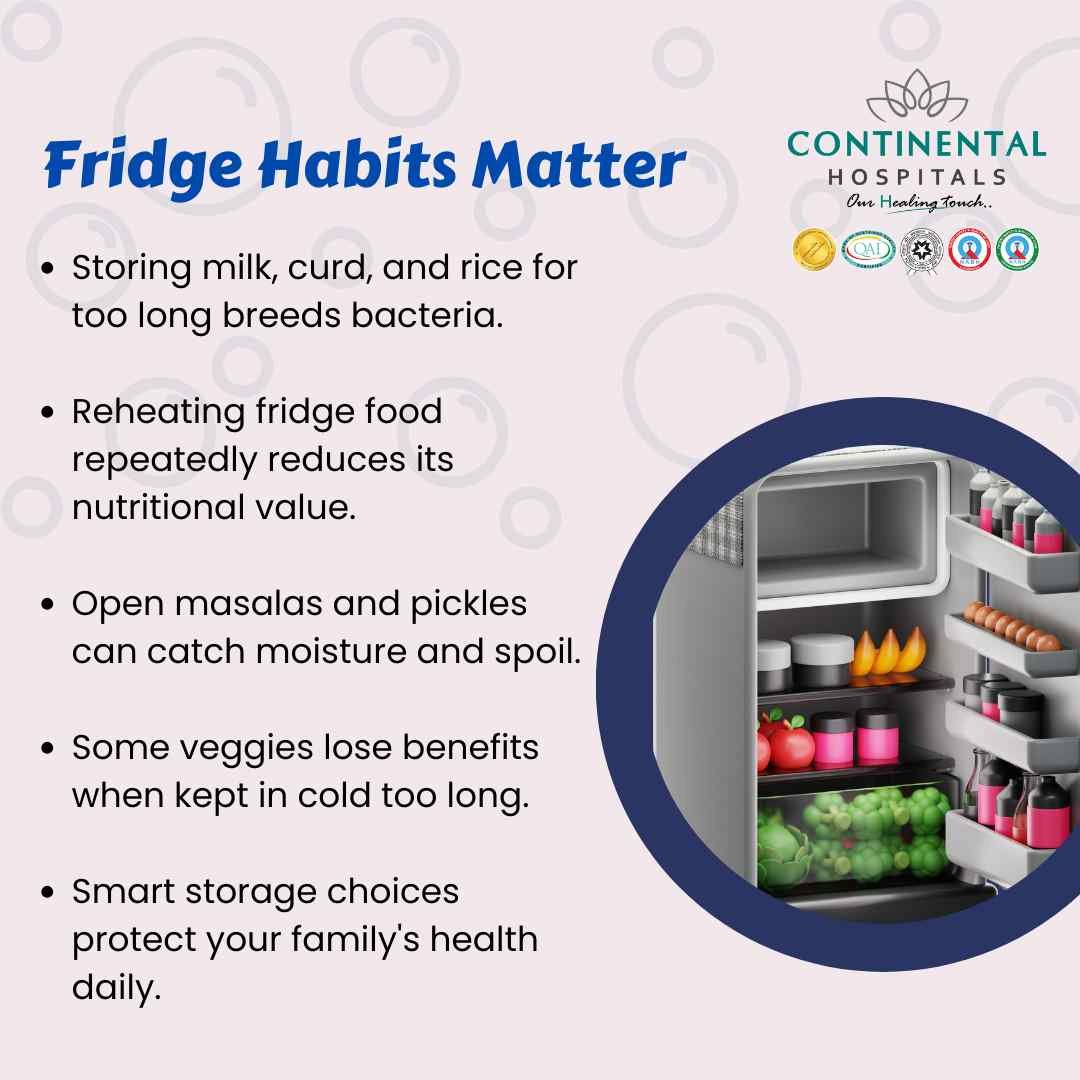
Your fridge is meant to keep your food fresh and safe, but did you know it can also become a breeding ground for harmful bacteria? If you’re not careful, these invisible invaders can spoil your meals and even make you sick.
The good news is, preventing bacterial contamination in your fridge is easier than you think. You’ll discover simple, effective steps to protect your food and keep your fridge clean. Keep reading to learn how you can safeguard your health and enjoy fresh, safe food every day.
Common Sources Of Bacterial Contamination
Keeping your fridge clean is vital to prevent bacteria. Contamination can cause foodborne illnesses.
Understanding common sources helps you maintain a healthier fridge. Let’s explore some key areas.
Cross-contamination Risks
Cross-contamination happens when bacteria spread between foods. Raw meat is a common culprit.
Store raw meat on the bottom shelf. This prevents juices from dripping onto other foods.
- Use sealed containers for raw meat
- Keep fruits and vegetables separate
- Clean spills immediately
Improper Food Storage
Improper storage can lead to bacterial growth. Foods left uncovered can become contaminated.
Use airtight containers to store leftovers. This keeps them fresh and safe from bacteria.
- Label foods with dates
- Keep raw and cooked foods separate
- Do not overcrowd the fridge
Unclean Fridge Surfaces
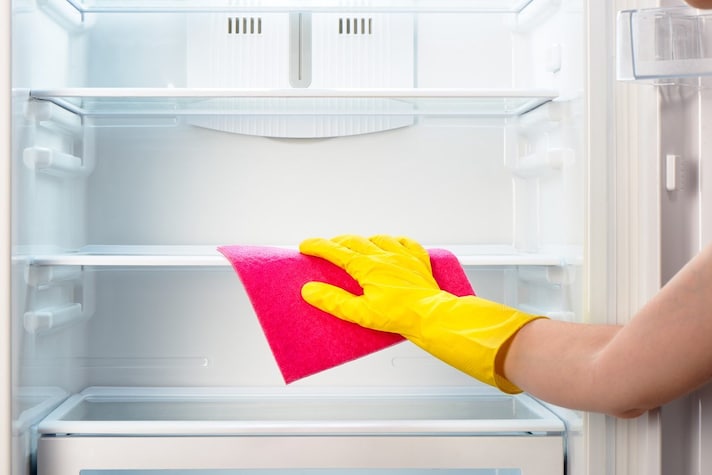
Unclean surfaces are breeding grounds for bacteria. Regular cleaning is essential to prevent contamination.
Wipe down shelves and drawers weekly. Use a mixture of water and vinegar for effective cleaning.
- Remove expired foods regularly
- Disinfect handles and seals
- Check for mold and spills
Credit: www.cookist.com
Optimal Fridge Temperature
Keeping your fridge at the right temperature helps stop bacteria from growing. This keeps your food safe and fresh for longer.
Setting the fridge temperature correctly is one of the best ways to prevent food poisoning. Let’s look at how to do this well.
Ideal Temperature Range
The best fridge temperature to stop bacteria is between 35°F and 38°F (2°C to 3°C). This range keeps food cold but not frozen.
If the fridge is warmer than 40°F (4°C), bacteria can grow fast. If it is too cold, some foods may freeze and lose quality.
Using A Thermometer
A fridge thermometer shows the exact temperature inside. It helps you check if the fridge is cold enough to prevent bacteria.
Place the thermometer in the middle shelf. Check it daily to make sure the temperature stays in the safe range.
- Use a simple dial or digital thermometer
- Read the temperature once a day
- Adjust fridge settings if needed
Temperature Maintenance Tips
Keep the fridge door closed as much as possible. Opening the door lets warm air in and raises the temperature.
Do not overload the fridge. Air must flow around the food to keep it cold evenly.
- Check the door seal for leaks
- Clean fridge coils regularly
- Set the fridge temperature to 35°F–38°F (2°C–3°C)
- Avoid placing hot food directly inside
Proper Food Storage Techniques
Keeping your fridge clean and organized helps stop bacteria from growing. Proper food storage keeps food safe and fresh longer.
Using the right storage methods lowers the risk of foodborne illness. Let’s look at key ways to store food properly.
Separating Raw And Cooked Foods
Raw foods have bacteria that can spread to cooked foods. Keep raw meat, fish, and poultry away from ready-to-eat items.
Store raw foods at the bottom shelves to stop drips from contaminating other foods. Use separate containers for raw and cooked items.
- Place raw meat in sealed containers on lower shelves
- Keep cooked foods on higher shelves or separate areas
- Use different cutting boards and utensils for raw and cooked foods
Sealing And Packaging
Proper sealing stops air and germs from spoiling food. Use airtight containers or wrap food tightly with plastic wrap or foil.
Good packaging also prevents odors from mixing and keeps moisture out. Change wraps or containers when they get damaged.
- Use airtight containers for leftovers and opened packages
- Wrap food tightly with cling film or aluminum foil
- Label packages with dates to track freshness
Organizing Shelves
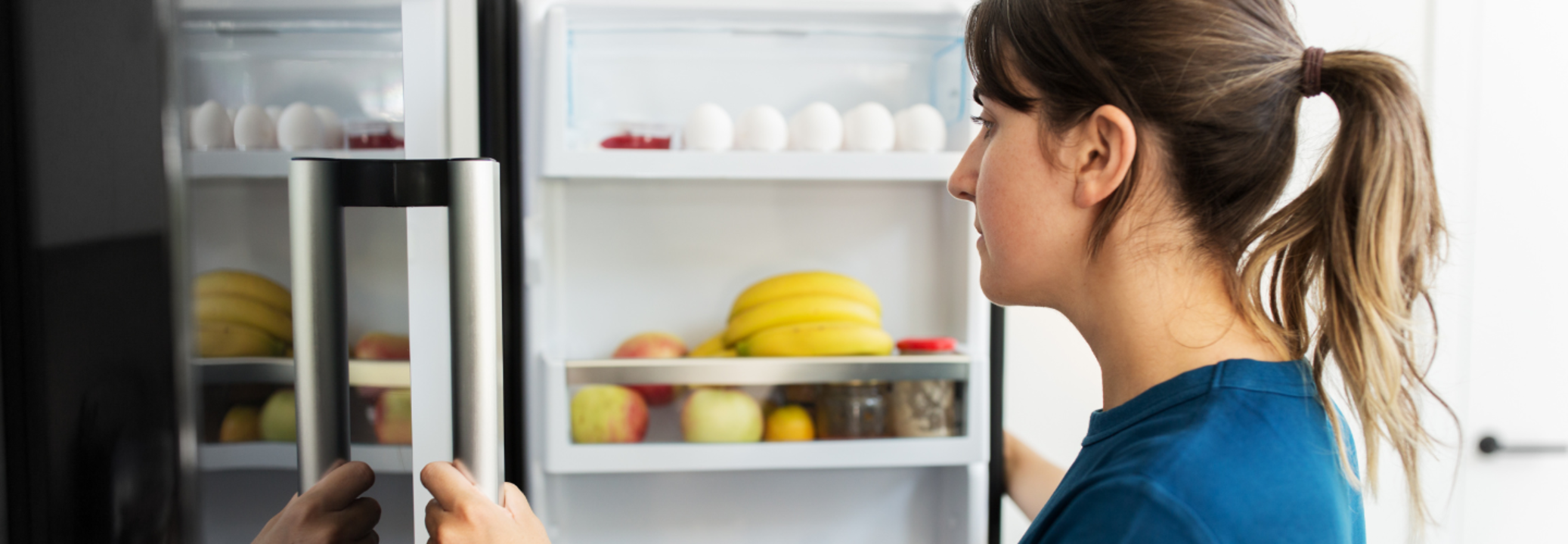
Organize your fridge shelves to keep food safe and easy to find. Keep raw foods below cooked foods to avoid drips.
Keep fruits and vegetables in separate drawers. Avoid overcrowding to allow cold air to circulate well.
- Store raw meat on the bottom shelf
- Keep cooked and ready-to-eat foods on top shelves
- Use drawers for fruits and vegetables
- Leave space between items for air flow
Credit: www.healthandme.com
Regular Cleaning Practices
Keeping your fridge clean helps stop bacteria from growing. Regular cleaning keeps your food safe to eat.
Cleaning removes spills, crumbs, and dirt that bacteria like to grow on. It also helps your fridge work better.
Cleaning Frequency
Clean your fridge at least once a month to prevent bacteria build-up. Wipe spills right away to stop germs.
Also, check and throw away expired or spoiled food regularly. This reduces bad smells and bacteria growth.
- Wipe spills immediately
- Deep clean once a month
- Remove old food weekly
Safe Cleaning Agents
Use mild soap and warm water to clean inside the fridge. Harsh chemicals can damage surfaces and leave smells.
White vinegar is a natural cleaner that kills many bacteria. Avoid bleach or strong detergents that may harm food safety.
- Mild dish soap with warm water
- White vinegar solution (1 part vinegar to 3 parts water)
- Avoid bleach and strong chemicals
Cleaning Door Seals And Drawers
Door seals trap dirt and moisture. Clean them carefully to stop mold and bacteria from growing there.
Remove drawers and shelves to wash them with warm soapy water. Dry them well before putting back in the fridge.
- Wipe door seals with a soft cloth and mild soap
- Remove and wash drawers and shelves regularly
- Dry all parts before replacing to avoid moisture
Handling Leftovers Safely
Leftovers can be a great way to save food and money. But if not handled correctly, they can cause bacteria to grow.
Keeping leftovers safe means stopping bacteria from spreading. This helps prevent food poisoning and keeps your family healthy.
Cooling And Refrigerating Promptly
Cool leftovers quickly before putting them in the fridge. Bacteria grow fast when food stays warm for too long.
Place hot food in shallow containers. This lets heat escape faster and cools food evenly.
- Do not leave leftovers out for more than 2 hours.
- Divide large amounts into smaller portions.
- Use shallow containers for faster cooling.
- Store food in the fridge set below 40°F (4°C).
Labeling And Dating
Always label leftovers with the date you stored them. This helps you know how long food has been in the fridge.
Eat leftovers within 3 to 4 days. Throw away food that is older to avoid bacteria risks.
- Write the date on containers with a marker or sticker.
- Keep a list of leftovers and their storage dates.
- Check dates daily before eating leftovers.
- Discard any leftovers past the safe storage time.
Avoiding Overcrowding
Do not overcrowd your fridge. Air needs to circulate to keep food cold and safe.
Overcrowding slows cooling and lets bacteria grow. Leave space between containers for air flow.
- Arrange food with space between containers.
- Use smaller containers to save space and improve cooling.
- Clean your fridge regularly to remove old food.
- Check temperature often to keep fridge cold enough.
:max_bytes(150000):strip_icc()/The-Food-Storage-Mistake-Youre-Probably-Making-Right-Now-be9c55747b09481490ea6338d6fca4fb.jpg)
Credit: www.eatingwell.com
Additional Preventative Measures
Keeping your fridge clean helps stop bacteria from growing. There are extra steps you can take to keep food safe and fresh.
These measures help reduce contamination and keep your fridge organized and healthy.
Using Fridge Liners
Fridge liners protect shelves from spills and stains. They make cleaning easier and stop bacteria from spreading.
Replace liners regularly to keep the fridge clean and dry. Use liners that fit your fridge shelves well.
- Choose easy-to-clean materials like silicone or plastic
- Remove and wash liners at least once a week
- Use liners to catch leaks from meat or dairy products
Checking Expiry Dates
Check expiry dates on all food items before storing them in the fridge. Expired food can grow harmful bacteria quickly.
Throw away food that is past its date. Keep newer items behind older ones to use food in time.
- Look for “use by” and “best before” dates on packages
- Do not eat food that smells bad or looks different
- Write the date when you open packages to track freshness
Avoiding Power Outages Impact
Power outages can raise fridge temperature and cause bacteria to grow. Keep the fridge door closed during outages.
Use coolers with ice for food if the outage lasts long. Check food temperature before eating after power returns.
- Do not open the fridge door during a power cut
- Use a thermometer to monitor fridge temperature
- Throw away food if it stays above 40°F (4°C) for over 2 hours
Frequently Asked Questions
How Often Should I Clean My Fridge To Prevent Bacteria?
Clean your fridge at least once a month to stop bacterial growth. Regular cleaning removes spills and expired food that harbor bacteria. Use mild soap and warm water for effective cleaning. This routine maintains hygiene and keeps food safe longer.
What Foods Increase Bacterial Contamination In The Fridge?
Raw meats, unwashed produce, and dairy products can increase bacterial contamination. These items often carry bacteria like Salmonella and Listeria. Store them in sealed containers and keep raw meats separate. Proper storage minimizes cross-contamination risks.
How Can I Store Food To Avoid Fridge Bacteria?
Store food in airtight containers and label them with dates. Keep raw and cooked foods separate to prevent cross-contamination. Maintain fridge temperature below 40°F (4°C) to inhibit bacterial growth. Proper storage ensures food stays fresh and safe.
Does Fridge Temperature Affect Bacterial Growth?
Yes, fridge temperature directly affects bacterial growth. Keep your fridge at or below 40°F (4°C) to slow bacteria reproduction. Temperatures above this encourage rapid bacterial multiplication. Use a thermometer to monitor and adjust the fridge temperature regularly.
Conclusion
Keeping your fridge clean helps stop bacteria from growing. Store food in sealed containers to keep germs away. Regularly check and throw out old or spoiled items. Clean spills right after they happen to avoid contamination. Set your fridge temperature to below 40°F (4°C) for safety.
These small steps protect your food and your health. A clean fridge means safer meals every day. Simple habits make a big difference in preventing bacteria. Stay careful and keep your fridge fresh and safe.