
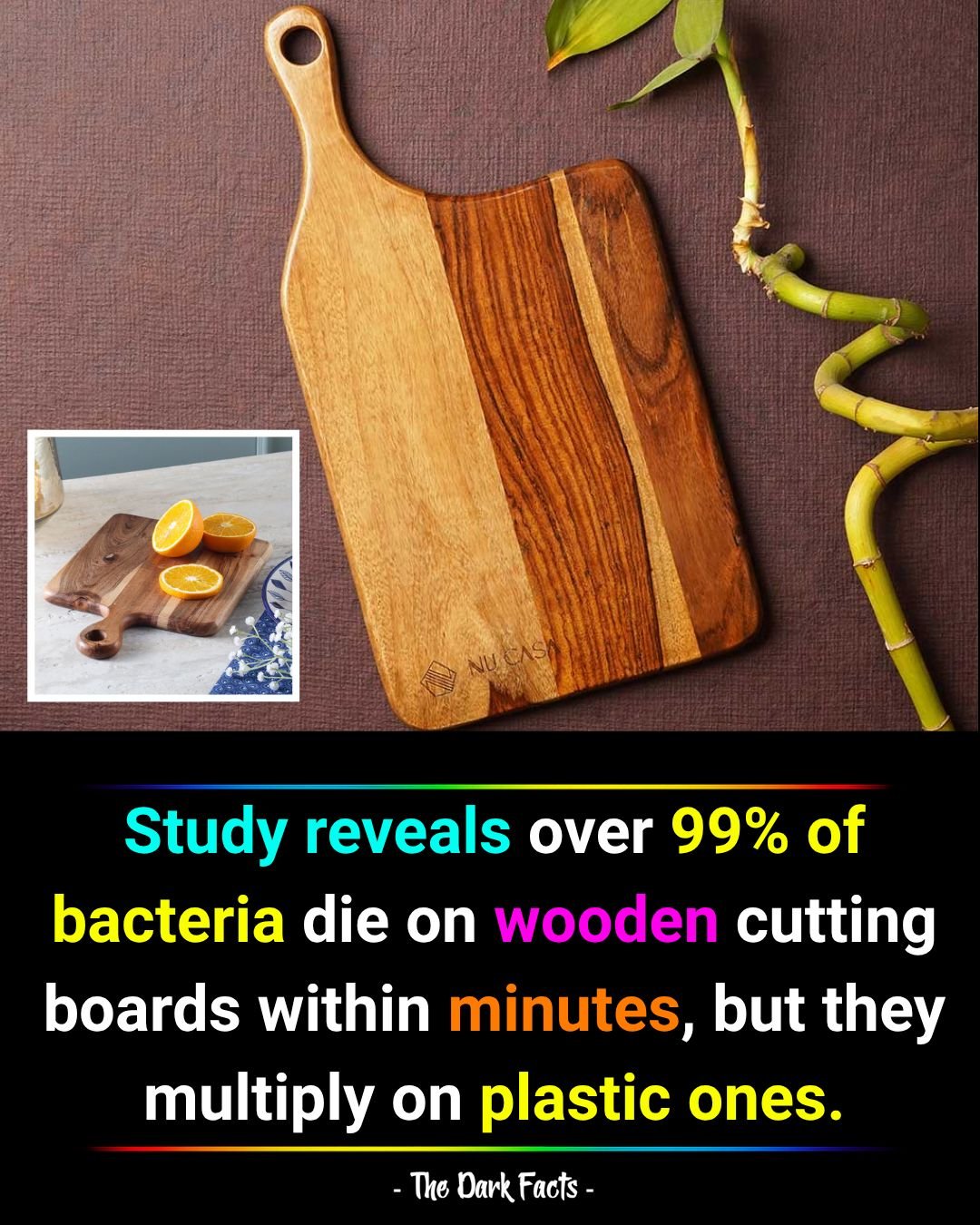
You use your cutting board every day, but have you ever stopped to think about what’s really lurking on its surface? Bacteria can hide in tiny cracks and grooves, turning your kitchen tool into a breeding ground for germs.
If you want to keep your food safe and your family healthy, learning how to prevent bacteria on cutting boards is essential. You’ll discover simple, effective steps that anyone can follow to protect your kitchen from harmful bacteria—so you can cook with confidence every time.
Keep reading to find out how easy it is to make your cutting board a safe place for food preparation.

Credit: branchbasics.com
Choose The Right Cutting Board
Choosing the right cutting board helps keep your kitchen clean and safe. It reduces the chance of bacteria growing on the board.
Some boards are better at stopping bacteria than others. Learn which type works best for your cooking needs.
Wood Vs Plastic Boards
Wood boards have natural pores that can trap bacteria. But some types of wood fight germs better than others.
Plastic boards are easier to clean and can go in the dishwasher. They can get cuts that hold bacteria if not replaced often.
- Wood boards are durable and self-healing
- Plastic boards are dishwasher safe
- Replace plastic boards when deeply scratched
- Use separate boards for meat and vegetables
Non-porous Surfaces
Non-porous cutting boards do not absorb liquids or bacteria. This makes them easier to clean and safer.
Materials like tempered glass or certain plastics are non-porous. They help prevent bacteria from hiding inside the board.
- Non-porous boards dry quickly
- They resist stains and odors
- Safe for cutting raw meat and fish
- Check if the board is labeled non-porous
Antimicrobial Materials
Some cutting boards have antimicrobial properties. These materials slow or stop bacteria growth on the surface.
Materials with silver ions or special coatings help keep boards cleaner for longer. They work best with regular washing.
- Look for boards labeled antimicrobial
- They reduce bacteria but still need cleaning
- Good choice for busy kitchens
- Combine with proper hygiene for safety

Credit: ziruma.com
Clean Boards Properly
Cutting boards can harbor bacteria if not cleaned well. Keeping them clean prevents food contamination.
Learn the best ways to wash your cutting boards to ensure they stay safe for use.
Hand Washing Techniques
Wash cutting boards with warm water and soap. Use a scrub brush to remove food particles.
Rinse thoroughly and dry with a clean towel. This stops bacteria from growing.
- Scrub with a brush for better cleaning
- Rinse well to remove soap
- Dry completely to avoid moisture
Dishwasher Safety
Some cutting boards can go in the dishwasher. Check if yours is dishwasher-safe before washing.
Use the hot cycle to kill bacteria. Make sure the board is fully dry before storing.
- Use the hottest cycle available
- Ensure boards are dishwasher-safe
- Dry completely before storing
Using Hot Water And Soap
Hot water helps remove bacteria. Mix with soap for a deep clean.
Soak the board if needed to loosen stuck food. Rinse and dry well.
- Use hot water to sanitize
- Mix with soap for thorough cleaning
- Rinse and dry to prevent bacteria
Disinfect After Use
Cutting boards can hold bacteria that cause illness. Cleaning them well after use stops germs from spreading.
Disinfecting your cutting board kills harmful bacteria. Use safe and effective cleaning solutions each time.
Vinegar And Baking Soda Solutions
White vinegar works as a natural disinfectant. Baking soda helps scrub and remove stains and odors.
Spray vinegar on the cutting board and let it sit for a few minutes. Then sprinkle baking soda and scrub with a brush.
- Use white vinegar directly or diluted with water
- Sprinkle baking soda on the board
- Scrub gently with a sponge or brush
- Rinse with hot water and dry well
Bleach Dilution Method
Bleach is a strong disinfectant that kills most bacteria. Always dilute bleach to avoid damage and health risks.
Mix one tablespoon of bleach in one gallon of water. Soak the cutting board for a few minutes, then rinse well.
- Prepare a bleach solution: 1 tablespoon bleach + 1 gallon water
- Apply solution to the cutting board
- Let it sit for 2-3 minutes
- Rinse with clean water thoroughly
- Dry the board completely before storing
Commercial Disinfectants
Many stores sell disinfectants made for kitchen use. These products kill germs fast and are easy to use.
Follow the instructions on the label. Use a spray or wipe and let it dry on the cutting board before use.
- Choose disinfectants labeled safe for food surfaces
- Apply as directed by the product instructions
- Allow proper contact time for disinfection
- Rinse if the label says to do so
- Store cutting boards dry and clean
Credit: www.justwoodencuttingboard.com
Avoid Cross-contamination
Cross-contamination happens when bacteria spread from one surface to another. It can make food unsafe to eat.
Cutting boards are common places for bacteria. Keeping them clean helps stop bacteria from spreading.
Separate Boards For Meat And Vegetables
Use different cutting boards for meat and vegetables. This stops bacteria from raw meat reaching vegetables.
Meat boards carry more bacteria. Using separate boards lowers the risk of food poisoning.
- Assign one board only for raw meat, poultry, and fish.
- Use another board only for fresh vegetables and fruits.
- Wash boards with hot soapy water after each use.
Color-coded Systems
Color-coded boards help you keep foods separate without confusion. Each color means a food type.
This system makes it easy to follow safety rules in busy kitchens. Everyone knows which board to use.
- Red for raw meat
- Green for vegetables
- Blue for fish
- Yellow for cooked foods
Proper Storage Practices
Store cutting boards in a clean, dry place. This stops bacteria from growing on wet surfaces.
Keep boards upright to air-dry. Avoid stacking wet boards together to prevent moisture buildup.
- Wash boards right after use.
- Dry completely before storing.
- Use racks or holders to keep boards upright.
- Check boards regularly for deep cuts or cracks where bacteria hide.
Maintain Cutting Boards Regularly
Cutting boards can harbor bacteria if not cared for properly. Regular maintenance helps keep them clean and safe.
Wooden cutting boards need special attention to prevent bacteria buildup and damage.
Sanding And Resurfacing Wooden Boards
Sanding removes deep cuts and grooves where bacteria hide. It restores a smooth surface for safe food preparation.
Use fine-grit sandpaper to gently sand the entire board. Clean the dust well before using the board again.
Replacing Worn-out Boards
Old boards with many cracks or deep stains can harbor bacteria. Replacing worn boards keeps your kitchen hygienic.
Check your boards often. If they are damaged beyond sanding, buy a new one to avoid contamination.
Oiling And Conditioning Wood
Oiling wooden boards protects the wood and prevents cracks. It also helps keep moisture out.
Use food-safe mineral oil or conditioner. Apply it evenly and let it soak in overnight for best results.
Safe Handling Habits
Cutting boards can hold bacteria that cause illness. Using safe habits helps stop germs from spreading. Always handle cutting boards carefully to keep food safe.
Simple actions like washing hands and cleaning boards right away make a big difference. Follow these tips to protect your family from harmful bacteria.
Washing Hands Before And After Use
Wash your hands with soap and warm water before you start cutting. This removes germs that may be on your skin. Wash again after handling raw meat or other raw foods.
Clean hands stop bacteria from moving from your hands to the cutting board or food. Always dry your hands with a clean towel or air dry them.
Avoiding Contaminated Utensils
Use clean knives and other tools with your cutting board. Do not use the same utensils for raw and cooked foods without washing them first. This helps prevent cross-contamination.
- Keep separate knives for raw meat and vegetables
- Wash utensils in hot, soapy water after each use
- Replace old or cracked utensils that are hard to clean
Prompt Cleaning After Use
Clean your cutting board right after using it. Use hot water and soap to scrub off food and germs. Rinse well and dry completely before storing.
Do not leave boards dirty or wet for long. This can help bacteria grow and cause bad smells. Use a disinfectant if needed to kill stubborn germs.
Frequently Asked Questions
How Often Should I Clean My Cutting Board?
Clean your cutting board after every use. Wash with hot, soapy water to remove bacteria. Dry thoroughly to prevent moisture buildup and mold growth.
What Is The Best Way To Disinfect Cutting Boards?
Use a solution of one tablespoon bleach per gallon of water. Apply, let sit for a few minutes, then rinse well. Vinegar or hydrogen peroxide can also be effective natural disinfectants.
Can Different Cutting Boards Prevent Cross-contamination?
Yes, use separate boards for raw meat, vegetables, and cooked food. Color-coded boards help avoid bacteria transfer and keep food safe from contamination.
Which Materials Resist Bacteria Better On Cutting Boards?
Plastic and bamboo cutting boards resist bacteria better. They are less porous than wood, making cleaning easier and reducing bacterial growth.
Conclusion
Keeping cutting boards clean helps stop bacteria from spreading. Wash boards with hot, soapy water after each use. Use separate boards for meat and vegetables to avoid cross-contamination. Dry boards well to prevent germs from growing. Regularly replace old or damaged cutting boards.
Simple habits make your kitchen safer and food healthier. Small steps protect your family from illness. Clean boards mean safer meals every time. Easy to do, worth the effort.