
Your kitchen should be the safest place for preparing meals, but it can quickly become a hotspot for harmful bacteria. If you don’t take the right steps, those invisible germs can spoil your food and even make you sick.
Imagine avoiding foodborne illnesses just by changing a few simple habits. You’ll discover easy, practical tips to stop bacteria from growing in your kitchen. Keep reading, and you’ll learn how to protect your health and keep your kitchen fresh and clean every day.
Credit: radiomoldova.md
Importance Of Kitchen Hygiene
Keeping your kitchen clean stops bacteria from growing. This keeps food safe to eat.
Bacteria can cause sickness. Good hygiene protects your family’s health.
Clean Surfaces Regularly
Wipe counters and tables often. Use soap and hot water or disinfectants.
Clean surfaces remove food dirt and germs. This lowers bacteria growth.
Store Food Properly
Keep raw meat separate from other foods. Use sealed containers for leftovers.
Proper storage stops bacteria spread. It keeps food fresh longer.
Wash Hands Often
Wash hands before cooking and after touching raw food. Use soap and warm water.
Clean hands stop germs from moving to food and surfaces.
Use Separate Cutting Boards
Use one board for raw meat and another for fruits or vegetables.
This reduces cross-contamination and lowers bacteria risks.
Keep Kitchen Dry
Wipe spills quickly. Bacteria grow well in wet places.
Dry surfaces and sinks help stop bacteria from growing.
Proper Food Storage
Keeping food safe in the kitchen stops harmful bacteria from growing. Proper food storage helps keep food fresh and clean.
Storing food correctly lowers the risk of foodborne illnesses. It also reduces waste by keeping food good longer.
Refrigeration Techniques
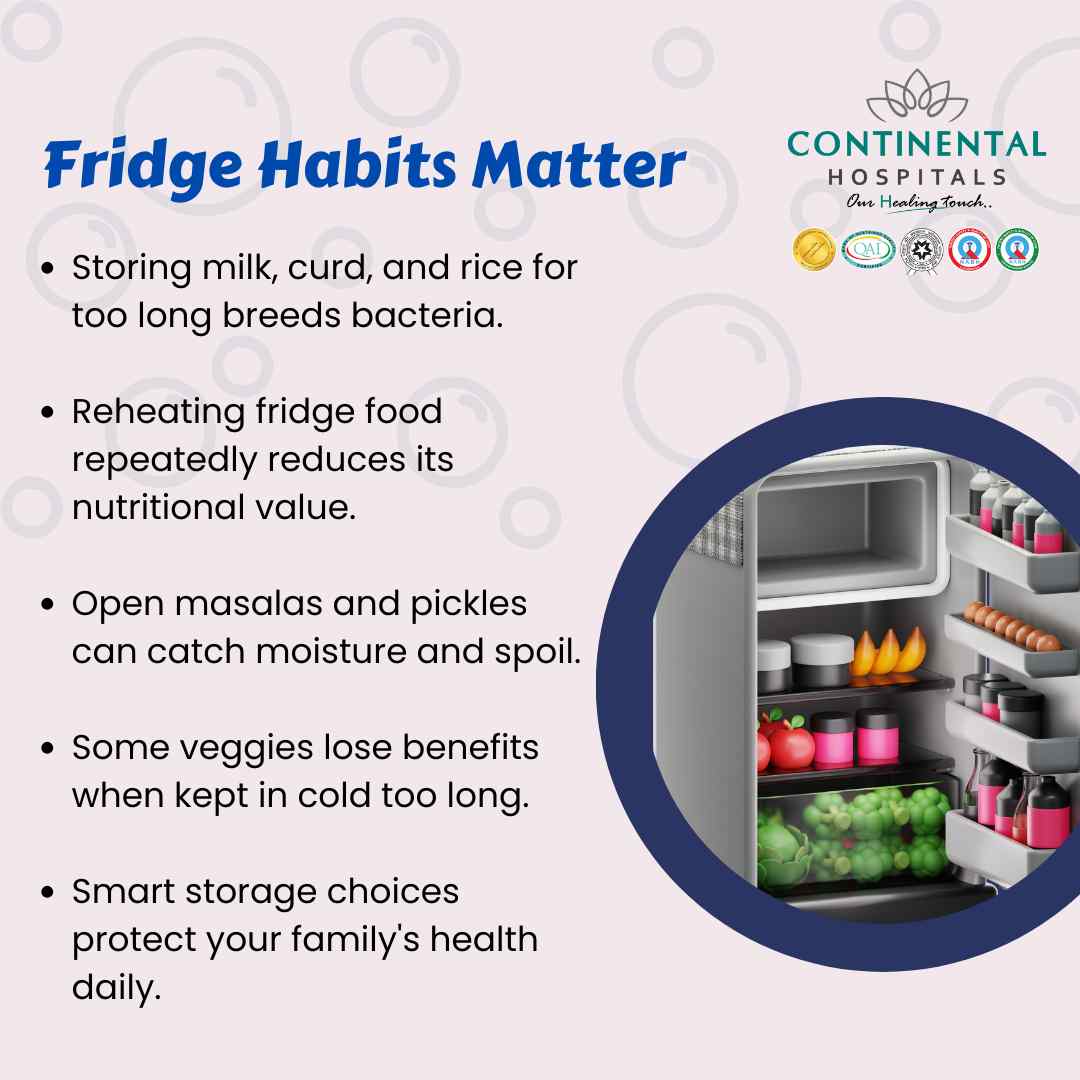
Keep your refrigerator at or below 40°F (4°C). This temperature slows down bacteria growth.
Store raw meat on the bottom shelves to stop juices from dripping onto other foods. Use airtight containers or sealed bags for leftovers.
- Set fridge temperature to 40°F or lower
- Place raw meat on the lowest shelf
- Use airtight containers for leftovers
- Check expiration dates regularly
Sealing And Packaging
Seal food tightly to keep air and moisture out. This prevents bacteria from growing on the surface.
Use plastic wrap, foil, or resealable bags to cover food. Vacuum sealing is best for long-term storage.
- Wrap food tightly with plastic wrap or foil
- Use resealable bags for easy storage
- Vacuum seal to extend freshness
- Label packages with dates
Effective Cleaning Practices
Keeping your kitchen clean helps stop bacteria from growing. Bacteria can cause sickness if they spread on food or surfaces.
Good cleaning habits reduce bacteria and keep your kitchen safe. Use simple steps every day to keep germs away.
Daily Cleaning Routine
Clean your kitchen every day to stop bacteria from growing. Wipe counters, tables, and sinks with soap and water.
Wash dishes and utensils after use. Empty trash to avoid bad smells and germs.
- Wipe all surfaces with warm, soapy water
- Wash cutting boards after each use
- Clean spills immediately to prevent bacteria
- Wash hands before and after handling food
- Take out the trash regularly
Sanitizing Surfaces
Sanitizing kills bacteria that regular cleaning may miss. Use a safe sanitizer on kitchen surfaces after cleaning.
Focus on areas like cutting boards, countertops, and sinks. Let the sanitizer sit for a few minutes to work well.
- Use diluted bleach or commercial kitchen sanitizer
- Apply sanitizer with a clean cloth or spray bottle
- Allow surfaces to air dry after sanitizing
- Sanitize high-touch areas often, such as handles and switches
Credit: continentalhospitals.com
Safe Food Handling
Keeping your kitchen clean stops bacteria from growing. Safe food handling helps prevent food poisoning.
Simple habits can protect your family from harmful germs. Always follow safe food handling rules.
Washing Hands Correctly
Washing hands removes germs that cause sickness. Wash hands before and after handling food.
Use warm water and soap. Rub hands for at least 20 seconds to clean well.
- Wet your hands with warm water
- Apply soap and scrub all parts
- Scrub for 20 seconds or more
- Rinse well under running water
- Dry with a clean towel or air dry
Avoiding Cross-contamination
Cross-contamination spreads bacteria from one food to another. Keep raw and cooked foods separate.
Use different cutting boards and utensils for meat and vegetables. Clean surfaces after use.
- Use separate boards for raw meat and veggies
- Wash knives and utensils after each use
- Store raw meat below cooked food in the fridge
- Clean kitchen surfaces with hot, soapy water
- Avoid touching cooked food with dirty hands
Regular Maintenance Of Kitchen Tools
Keeping your kitchen tools clean stops bacteria from growing. Regular care helps keep your kitchen safe.
Using clean tools lowers the chance of food contamination. It also helps your tools last longer.
Cleaning Cooking Utensils
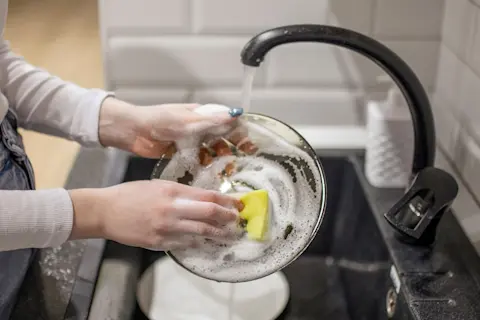
Wash cooking utensils right after use to remove food particles. Use hot water and soap for best results.
Scrub hard-to-clean utensils with a brush. Dry them well before storing to prevent moisture buildup.
- Use separate sponges for utensils and dishes
- Clean wooden utensils gently to avoid damage
- Check for cracks where bacteria can hide
- Replace old or damaged utensils regularly
Sanitizing Appliances
Sanitize kitchen appliances often to kill germs. Wipe down surfaces with a safe sanitizer after cleaning.
Pay attention to handles, buttons, and crevices where dirt builds up. Use clean cloths or disposable wipes.
- Unplug appliances before cleaning
- Follow manufacturer instructions for cleaning
- Use diluted bleach or vinegar solutions safely
- Clean removable parts separately
Managing Waste Properly
Keeping your kitchen clean stops bacteria from growing. Managing waste well helps keep germs away.
Proper waste handling reduces bad smells and harmful bacteria. It makes your kitchen safer and fresher.
Disposing Of Food Waste
Throw away food waste quickly to stop bacteria growth. Do not leave scraps on counters or in sinks.
Use sealed bags or containers to hold food waste. Take out trash often to avoid bad odors and germs.
- Wrap food scraps before disposal
- Empty food waste bins daily
- Keep waste bags sealed tightly
- Use separate bins for compost and trash
Cleaning Trash Bins
Trash bins collect germs if not cleaned. Wash bins often with hot water and soap.
Disinfect bins to kill bacteria and stop bad smells. Let bins dry completely before use.
- Use a scrub brush to clean inside bins
- Rinse bins with hot water
- Spray disinfectant or bleach solution
- Air dry bins in sunlight if possible
Recognizing Signs Of Bacterial Growth
Bacteria can grow quickly in kitchens. They hide in food and on surfaces.
Knowing how to spot bacteria helps keep your kitchen safe. Watch for changes in food and smells.
Identifying Spoiled Food
Spoiled food looks, smells, and feels different. Bacteria break down food and change its appearance.
Look for soft spots, slimy texture, or unusual colors on meat and vegetables. These signs show bacteria growth.
- Foul or sour smell
- Discoloration or dark spots
- Sticky or slimy texture
- Gas or bubbles inside sealed packages
Detecting Mold And Mildew
Mold and mildew are fungi that grow with bacteria. They appear as fuzzy or powdery spots on food and surfaces.
Check corners, fridge shelves, and damp areas. Mold can be white, green, black, or blue.
- Fuzzy patches on bread or cheese
- Black or green spots on fruits and vegetables
- Musty or damp smell in kitchen areas
- Discoloration on walls or cutting boards
Credit: www.discovermagazine.com
Frequently Asked Questions
How Can I Stop Bacteria Growth On Kitchen Counters?
Clean kitchen counters daily with disinfectant sprays to kill bacteria. Use hot, soapy water after food prep. Dry surfaces fully to prevent moisture buildup, which encourages bacteria growth.
What’s The Best Way To Clean Kitchen Sponges?
Replace kitchen sponges weekly. Microwave damp sponges for two minutes or soak in bleach solution to kill bacteria. Avoid leaving sponges wet to reduce bacterial growth.
How Often Should I Sanitize Kitchen Cutting Boards?
Sanitize cutting boards after each use, especially when handling raw meat. Use hot, soapy water and a vinegar or bleach solution. Air dry completely before storing.
Can Keeping Food At Room Temperature Cause Bacteria?
Yes, bacteria multiply rapidly at room temperature. Store perishable foods in the refrigerator promptly to slow bacterial growth. Avoid leaving food out for more than two hours.
Conclusion
Keeping your kitchen clean stops bacteria from growing fast. Wash hands and surfaces often. Use separate cutting boards for meat and vegetables. Store food properly in the fridge or freezer. Throw away expired or spoiled items quickly. Dry sponges and cloths well to avoid germs.
Clean kitchen tools after every use. These simple steps keep your food safe and healthy. Small habits make a big difference in preventing illness. Stay careful and enjoy a fresh, clean kitchen every day.