
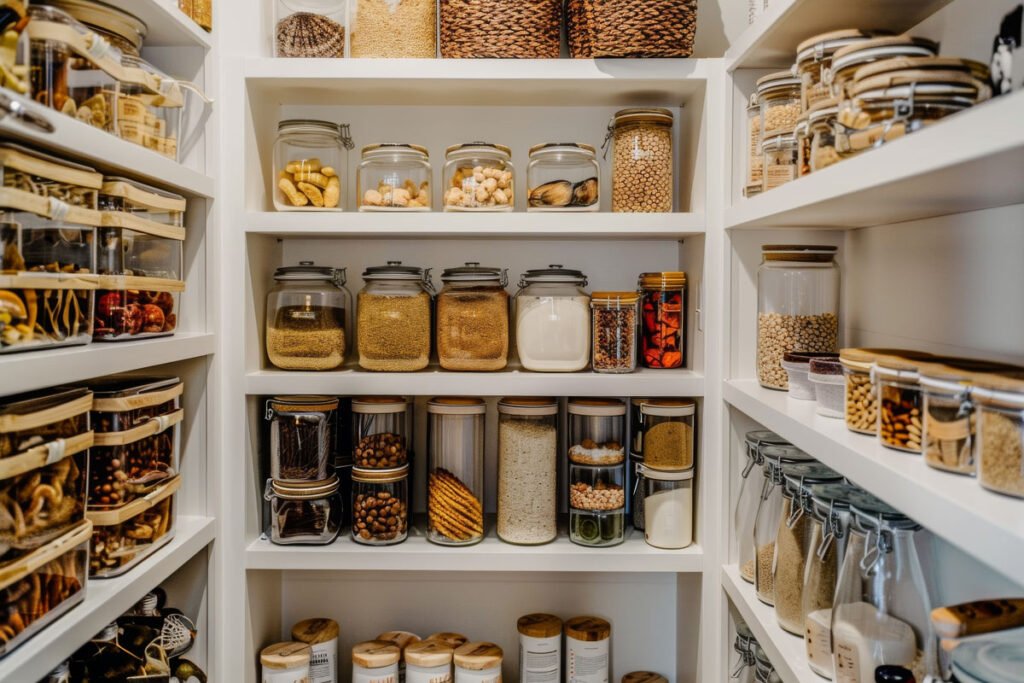
Is your pantry a cluttered mess that makes finding what you need a daily struggle? Imagine opening your pantry and instantly spotting exactly what you want—no more digging through piles or tossing expired items.
Organizing your pantry by category can turn chaos into calm, saving you time and stress every day. In this guide, you’ll discover simple, practical steps to arrange your pantry so it works for you. Ready to transform your space and make meal prep easier?
Let’s dive in and get your pantry perfectly organized.
Benefits Of Categorizing Pantry
Organizing your pantry by category can save you time and reduce stress. It makes cooking and meal prep much easier.
Knowing where everything is helps you avoid buying duplicate items. It also keeps your pantry neat and tidy.
Easier Meal Preparation
When your pantry is organized by category, finding ingredients is quick. You can focus on cooking instead of searching.
It helps you see what you have at a glance. This makes planning meals less stressful and more fun.
Reduced Food Waste
Categorizing your pantry makes it easy to see what you have. You use items before they expire, reducing food waste.
You’ll avoid buying things you already have. This saves money and helps the environment.
Quick Inventory Checks
With an organized pantry, checking inventory is fast. You can quickly see what needs restocking.
This helps you make accurate shopping lists. It ensures you always have the essentials on hand.
Enhanced Kitchen Aesthetics
A well-organized pantry looks neat and appealing. It adds to the overall beauty of your kitchen.
Clear organization creates a sense of order. It can inspire you to keep other areas of your home tidy too.
- Group similar items like canned goods together
- Store spices in one section
- Place snacks in a designated area

Credit: www.sortednola.com
Assessing Your Pantry Space
Organizing your pantry by category starts with knowing your space well. Look closely at the size and shape of your pantry.
Understanding your pantry’s layout helps you decide the best way to arrange items.
Measure Your Pantry Dimensions
Use a tape measure to find the height, width, and depth of your pantry shelves. Write down these numbers.
Knowing these sizes helps you pick containers and organizers that fit well.
Check Shelf Space And Layout
Look at how many shelves you have and how much space is between them. Some shelves can be moved to fit taller items.
Think about corners or odd spaces that may need special storage solutions.
Notice Lighting And Accessibility
See if your pantry has good lighting. Good light helps you find items faster.
Also, check if all shelves are easy to reach. Keep frequently used items at eye level or lower.
Identify Storage Needs
Look at the types of food and supplies you store. Do you have many cans, jars, or boxes?
This helps you decide if you need baskets, racks, or clear bins to keep things tidy.
- Cans need sturdy shelves or racks
- Jars work well in clear bins
- Boxes fit neatly on flat shelves
- Small items can go in labeled baskets
Choosing Categories For Pantry Items
Organizing your pantry by category makes it easier to find items. It also helps keep your kitchen tidy and efficient.
Choose clear categories based on the types of food you store. This guide covers common pantry groups to help you start.
Dry Goods
Dry goods include items that stay good for a long time without refrigeration. These are usually staple foods.
Group rice, pasta, beans, and grains together. Store them in airtight containers to keep fresh.
- Rice
- Pasta
- Beans
- Quinoa
- Lentils
Canned Foods
Canned foods are easy to store and last long. Keep all canned goods in one place for quick access.
Sort cans by type, like vegetables, fruits, or soups. Check expiration dates regularly.
- Canned vegetables
- Canned fruits
- Soups and broths
- Beans and legumes
Spices And Herbs
Spices and herbs add flavor to meals. Store them in small jars or containers to keep them fresh.
Group spices by type or use, such as baking spices, savory herbs, or hot spices.
- Ground spices
- Whole spices
- Dried herbs
- Seasoning blends
Baking Supplies
Baking supplies include ingredients like flour, sugar, and baking powder. Keep these in sealed containers.
Group baking items together for easier baking preparation and quick inventory checks.
- Flour
- Sugar (white, brown, powdered)
- Baking powder and baking soda
- Yeast
- Chocolate chips and nuts
Snacks And Treats
Snacks and treats include chips, cookies, and nuts. Store these in clear containers to see what you have.
Keep snacks in one area to avoid clutter and make them easy to grab.
- Chips and crackers
- Cookies and biscuits
- Nuts and trail mix
- Dried fruit
Beverages
Beverages can include tea, coffee, and bottled drinks. Store these in a cool, dry spot in your pantry.
Group similar drinks together to find them easily and keep track of supplies.
- Tea bags and loose tea
- Coffee (ground or beans)
- Juices
- Bottled water

Credit: www.consumerreports.org
Selecting Storage Containers
Choosing the right containers helps keep your pantry neat. Good containers protect food and make items easy to find.
Use containers that fit your space and style. Pick ones that are simple to clean and use daily.
Clear Containers
Clear containers let you see what is inside quickly. They help you check food levels without opening them.
Use clear containers for dry goods like rice, pasta, and beans. This saves time when cooking or shopping.
- Choose sturdy plastic or glass
- Look for wide openings for easy filling
- Pick stackable shapes to save space
Airtight Jars
Airtight jars keep food fresh longer by blocking air and moisture. They stop spices and snacks from going stale.
Use airtight jars for coffee, sugar, flour, and snacks. Make sure the seals close tightly every time.
- Choose glass or BPA-free plastic jars
- Check for rubber or silicone seals
- Pick sizes based on your typical use
Labels And Tags
Labels help you find items fast and keep track of freshness. Write contents and dates clearly on each container.
Use waterproof or dry-erase labels. Tags tied to handles also work well for jars and baskets.
- Use simple words and large letters
- Label both front and top of containers
- Update labels when refilling or changing items
Organizing By Frequency Of Use
Organizing your pantry by how often you use items makes cooking easier. You can find things quickly without searching.
This method groups items based on daily, weekly, or rare use. It helps save time and keeps your pantry tidy.
Keep Daily Use Items Within Reach
Place items you use every day at eye level or in front. This includes bread, milk, coffee, and snacks.
Storing these items where you can grab them fast helps speed up your meal prep and snack time.
Store Weekly Use Items In The Middle
Put things you use once or twice a week in the middle shelves. Examples are pasta, canned goods, and spices.
This way, these items stay easy to find but do not crowd the daily use section.
Place Rarely Used Items Higher Or Lower
Items you use only once a month or less belong on the top or bottom shelves. Think of baking supplies or extra canned food.
Keep these items out of the way so they do not clutter the space you use often.
Use Clear Containers For Easy Access
Clear containers help you see what is inside quickly. Use them for snacks, grains, or frequently used ingredients.
- Label containers with item names
- Choose stackable containers to save space
- Keep similar items together in containers
Create Zones For Different Use Times
Make zones for daily, weekly, and rare items. This helps keep your pantry neat and easy to scan.
- Daily zone: snacks, bread, coffee
- Weekly zone: pasta, canned vegetables
- Rare zone: holiday baking, bulk items
Maximizing Vertical And Shelf Space
Organizing your pantry by category helps you find items faster. Using vertical and shelf space well keeps your pantry neat.
Smart use of shelves and vertical storage can create more room. This lets you store more food without clutter.
Use Stackable Containers
Stackable containers take advantage of vertical space. They keep items visible and easy to reach.
Clear containers let you see contents without opening them. Label each container by category for quick access.
- Choose uniform containers to stack safely
- Use airtight containers for dry goods
- Label containers with food type or expiration date
Add Shelf Risers
Shelf risers create extra levels inside your shelves. They help you store small items above larger ones.
Use risers in spice racks or canned goods areas. This keeps everything visible and easy to grab.
- Place risers on deep shelves for better stacking
- Use adjustable risers for different item sizes
- Combine risers with baskets for loose items
Install Door Organizers
Door organizers use vertical space on pantry doors. They are perfect for spices, snacks, or small bottles.
These organizers free up shelf space and keep items in view. Pick ones that fit your door size well.
- Use clear pockets for easy item visibility
- Choose sturdy racks for heavier items
- Organize by category: spices, snacks, or baking supplies
Use Vertical Dividers
Vertical dividers separate items like baking sheets or cutting boards. They keep tall items upright and easy to pull out.
Place dividers on shelves with tall or flat items. This prevents stacking and makes better use of vertical space.
- Use wooden or plastic dividers
- Adjust space between dividers for different item sizes
- Group similar items together for easy access
Use Tiered Shelving
Tiered shelving raises items at the back higher than those in front. This makes all items visible at once.
Use tiered racks for cans, jars, and bottles. It reduces clutter and uses vertical space smartly.
- Place heavier items on lower tiers
- Use small tiered racks for spices and condiments
- Label tiers by category for fast finding
Maintaining Your Organized Pantry
Keeping your pantry organized saves time and reduces food waste. Regular care helps maintain order.
Simple habits keep your pantry neat and easy to use every day. Let’s look at two key practices.
Regular Cleanouts
Clean your pantry regularly to remove expired or unused items. This prevents clutter and bad odors.
Check shelves and containers for spills or crumbs. Wipe them clean to keep everything fresh.
- Set a schedule for pantry cleanouts, like once a month
- Throw away expired food and donate unopened items you won’t use
- Organize shelves by category again after cleaning
- Use a damp cloth to clean shelves and bins
Inventory Tracking
Keep a list of pantry items to know what you have and what you need. This helps avoid buying extras.
Update your inventory when you add or use items. This keeps your pantry balanced and organized.
- Use a simple notebook or phone app to track items
- Note item names, amounts, and expiration dates
- Check your list before shopping to prevent duplicates
- Review your inventory weekly to stay on top

Credit: www.sortednola.com
Frequently Asked Questions
What Are The Best Categories To Organize A Pantry?
Organize pantry items into categories like grains, canned goods, snacks, spices, and baking supplies. Group similar items for easy access and inventory management.
How Can Labeling Improve Pantry Organization?
Labeling containers and shelves helps quickly identify items. It reduces clutter and keeps your pantry neat and easy to navigate.
What Storage Solutions Work Best For Pantry Organization?
Use clear containers, baskets, and tiered shelves. These solutions maximize space, improve visibility, and keep items categorized and accessible.
How Often Should I Reorganize My Pantry?
Reorganize your pantry every 3 to 6 months. Regular checks help discard expired items and maintain order.
Conclusion
Organizing your pantry by category makes finding items quick and easy. It helps keep your space neat and tidy every day. Group similar foods together to save time while cooking. Regularly check for expired products to avoid clutter. This simple system reduces stress and makes meal prep smoother.
Start small, and your pantry will feel more organized soon. A well-arranged pantry makes your kitchen more enjoyable. Try these tips and see the difference today.