
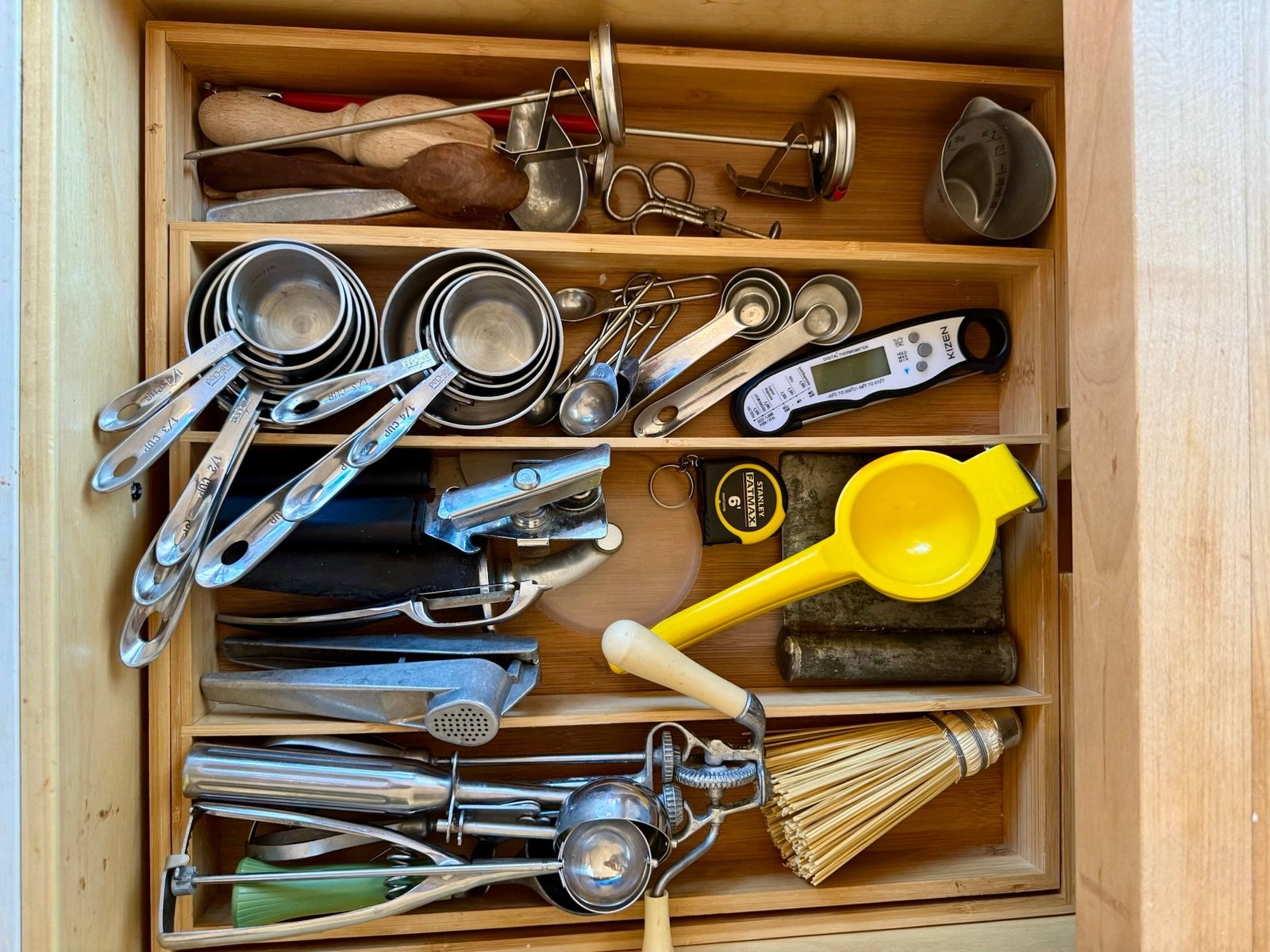
Are your kitchen drawers a chaotic mess where finding a simple spoon feels impossible? Imagine opening your drawer and instantly spotting exactly what you need—no more digging or frustration.
Organizing your kitchen utensils in drawers can save you time, reduce stress, and make cooking more enjoyable. You’ll discover easy, practical tips to transform your cluttered drawers into neat, accessible spaces. Ready to take control of your kitchen and make every meal prep smoother?
Let’s get started!
Credit: www.chowhound.com
Assessing Your Kitchen Utensils
Organizing kitchen utensils in drawers can make cooking easier. Start by assessing what you have in your kitchen.
Understanding your utensils helps you know which ones you need and which you don’t. This will help make your kitchen more efficient.
Categorize By Usage And Type
Grouping utensils by use and type helps find them quickly. It also keeps your drawers tidy.
- Cooking tools like spatulas and tongs
- Baking tools such as measuring cups and spoons
- Serving utensils like ladles and serving spoons
- Cutlery, including knives and forks
Identify Frequently Used Items
Place the utensils you use most often in easy-to-reach spots. This saves time when cooking.
Think about which tools you grab daily. Arrange these in the top drawers for quick access.
Set Aside Unused Or Duplicate Utensils
Remove utensils you rarely use. This creates more space for important items.
Duplicates can clutter your drawers. Decide if you really need more than one of each item.
- Place rarely used items in a separate storage area
- Donate duplicates or store them elsewhere

Credit: currently.att.yahoo.com
Choosing The Right Drawer Organizers
Organizing kitchen utensils in drawers makes cooking easier and faster. The right drawer organizer helps keep tools neat and easy to find.
Choosing a good organizer depends on the type, material, and whether it fits your drawer size well. This guide explains these points.
Types Of Drawer Dividers
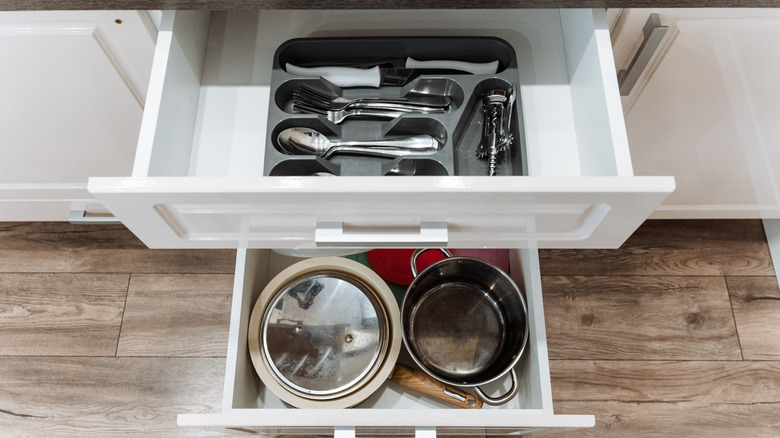
Drawer dividers come in many styles. Some slide to fit different drawer sizes. Others have fixed compartments for specific utensils.
Common types include adjustable dividers, trays with sections, and built-in inserts. Each type helps separate spoons, knives, and forks.
- Adjustable dividers can be moved to fit any drawer width
- Tray organizers have fixed sections for different tools
- Built-in inserts fit specific drawer models and sizes
- Expandable dividers stretch to fill larger spaces
Materials And Durability
Drawer organizers come in wood, plastic, metal, and bamboo. Each material lasts differently and suits different kitchen styles.
Wood and bamboo look natural but may wear out if wet. Plastic is easy to clean and affordable. Metal is strong but can scratch drawers.
- Wood: sturdy, natural look, needs care to avoid water damage
- Plastic: lightweight, cheap, easy to clean
- Metal: durable, strong, may scratch surfaces
- Bamboo: eco-friendly, natural, may need protection from moisture
Customizable Vs Pre-made Options
Customizable organizers let you change compartments to fit your utensils. Pre-made options have fixed slots and sizes.
Customizable options suit unusual drawer sizes or special tools. Pre-made ones are quick to install and usually cheaper.
- Customizable: flexible, fits many utensil sizes, adjustable
- Pre-made: ready to use, fixed size, often less expensive
- Choose based on your drawer size and utensil types
Maximizing Drawer Space
Organizing kitchen utensils in drawers helps save space and keeps things neat. Proper use of space makes your kitchen easier to work in.
Using smart techniques lets you fit more utensils in each drawer. This reduces clutter and speeds up cooking tasks.
Utilizing Vertical And Horizontal Space
Use both the height and width of drawers to store utensils. Vertical holders can keep spoons and spatulas upright.
Lay flat items horizontally so you can see and grab them quickly. Avoid piling items without order to save space.
- Use small containers to hold tall items vertically
- Place cutting boards or baking sheets on the drawer sides
- Keep frequently used items at the top for easy reach
Stacking And Layering Techniques
Stack utensils by size or type to avoid wasting drawer depth. Use trays or trays with layers to separate stacks.
Layer flat items like measuring cups or lids on top of each other. This keeps everything visible and easy to access.
- Stack similar items like bowls or lids together
- Use clear trays to separate layers
- Place heavier items at the bottom for stability
Using Drawer Inserts For Small Items
Drawer inserts help keep small utensils from mixing together. They divide the drawer into sections for better order.
Choose inserts with different sizes to fit forks, spoons, and other small tools. This stops clutter and speeds up finding items.
- Use inserts with compartments for each utensil type
- Adjust inserts to fit drawer size and utensil count
- Clean inserts regularly to keep utensils tidy
Organizing By Function And Frequency
Organizing kitchen utensils by their function and how often you use them makes cooking easier. It helps you find tools quickly and keeps your kitchen neat.
This way of organizing saves time and reduces clutter. You can group utensils that work together and keep daily items close.
Placing Daily Use Utensils Within Reach
Put the utensils you use every day in the top drawers near your cooking area. This keeps them easy to grab while preparing meals.
Examples include spoons, spatulas, knives, and measuring cups. Keep these tools front and center for quick access.
- Place daily tools in shallow drawers
- Use drawer dividers to keep them neat
- Keep frequently used items toward the front
Grouping Similar Tools Together
Group utensils by their function to make them easier to find. For example, keep all baking tools in one drawer.
Organize cutting tools, cooking spoons, and measuring tools separately. This reduces the time you spend searching.
- Keep all knives in one place
- Group spoons and ladles together
- Store baking utensils in a separate drawer
Separating Specialty Utensils
Specialty utensils are used less often. Store these in a separate drawer or container to avoid clutter.
Examples include garlic presses, melon ballers, or zesters. Keep them out of the way but easy to find when needed.
- Label the drawer for specialty tools
- Use small containers to keep items organized
- Store specialty tools away from daily utensils
Maintaining A Clutter-free Drawer
Keeping kitchen utensil drawers tidy helps you find tools quickly. A clutter-free drawer saves time and reduces stress.
Organizing your utensils regularly keeps the drawer neat and easy to use.
Regular Decluttering Habits
Remove items you rarely use or no longer need. Check your drawer every few weeks to keep it clutter-free.
Put back each utensil in its place after use. This simple habit keeps the drawer organized.
- Sort utensils by type or size
- Donate or throw away duplicates
- Keep only what you use daily
- Set a schedule to tidy up
Cleaning Tips For Drawers And Organizers
Clean your drawers and organizers often to avoid dirt and smells. Use mild soap and warm water for cleaning.
Dry the drawer completely before putting utensils back. This helps prevent mold and damage.
- Remove all items before cleaning
- Wipe down drawer surfaces with a damp cloth
- Clean utensil holders or dividers separately
- Let everything dry fully before organizing
Adapting Organization As Needs Change
Your kitchen needs may change over time. Adjust your drawer layout to fit new tools or habits.
Rearrange or add dividers to fit different utensils. This keeps your drawer functional and neat.
- Review utensil use every few months
- Add organizers for new items
- Remove items no longer used
- Change layout to fit your cooking style
Creative Storage Solutions
Organizing kitchen utensils in drawers can save space and make cooking easier. Creative storage ideas help keep tools neat and easy to find.
Using clever storage tricks can turn cluttered drawers into tidy, functional spaces. Try new ways to organize your kitchen utensils.
Using Magnetic Strips Inside Drawers
Magnetic strips hold metal utensils inside drawers. They keep knives, spoons, and forks in place.
Attach magnetic strips to the drawer sides or bottom. This stops utensils from sliding around and makes them easy to grab.
- Use strong magnets to hold heavy tools
- Place strips where utensils fit comfortably
- Keep sharp items safe and separated
Incorporating Adjustable Compartments
Adjustable compartments let you change drawer sections. You can fit utensils of different sizes easily.
Use movable dividers or trays that fit your drawer. Rearrange them to store spatulas, whisks, and measuring cups.
- Separate small tools from large ones
- Change layout as your utensil collection grows
- Keep everything visible and easy to reach
Repurposing Household Items For Organization
Use everyday items to organize utensils cheaply. Things like ice cube trays and muffin tins work well inside drawers.
These items create small compartments for forks, knives, and spoons. They help keep everything tidy and easy to find.
- Ice cube trays hold small utensils and gadgets
- Muffin tins organize larger kitchen tools
- Cutlery trays can separate different utensil types

Credit: www.ikea.com
Frequently Asked Questions
How Can I Categorize Kitchen Utensils Efficiently?
Categorize utensils by type and frequency of use. Group similar items together, like spoons, knives, and spatulas. Use drawer dividers to separate categories for easy access and better organization.
What Are The Best Drawer Organizers For Utensils?
Plastic or bamboo drawer organizers with adjustable compartments work best. They keep utensils separated and prevent clutter. Choose organizers that fit your drawer size for optimal space usage.
How Do I Maximize Drawer Space For Utensils?
Use vertical storage and stackable organizers to save space. Arrange utensils by size and function. Remove rarely used items to keep the drawer neat and accessible.
Should I Label Utensil Drawers?
Yes, labeling helps quickly identify contents and maintain order. Use clear, simple labels on dividers or drawer fronts. This reduces search time and keeps your kitchen organized.
Conclusion
Organizing kitchen utensils in drawers saves time and reduces clutter. Simple steps like sorting utensils by type help keep everything easy to find. Using dividers or small containers makes the drawer neat and tidy. Regularly cleaning and rearranging keeps the space functional.
A well-organized drawer makes cooking more enjoyable and less stressful. Start small and build your system over time. Your kitchen will feel more welcoming and practical. Enjoy the ease of a well-kept kitchen every day.