
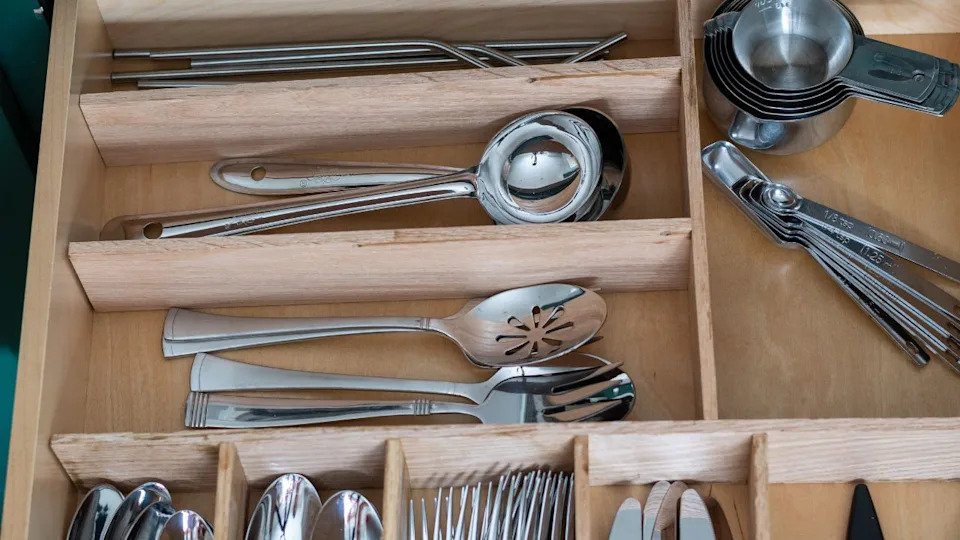
Are you tired of digging through messy drawers every time you need a fork or knife? Organizing your cutlery drawer efficiently can save you time and reduce daily frustration.
Imagine opening your drawer and instantly finding exactly what you need—no more clutter, no more searching. You’ll discover simple, practical tips that make organizing your cutlery easy and effective. Ready to transform your kitchen and enjoy a smoother cooking experience?
Let’s get started!

Credit: www.hth-kitchen.com
Choose The Right Organizer
Organizing your drawer cutlery can make your kitchen more efficient. The right organizer helps keep everything in place.
Consider factors like material, size, and design before buying an organizer. Let’s explore these options.
Material Options
Different materials offer varied durability and style. Choose what suits your kitchen best.
- Plastic: Easy to clean and affordable.
- Wood: Offers a classic look but requires more care.
- Metal: Durable and modern in appearance.
Size And Fit
Measure your drawer before buying an organizer. A good fit is essential for proper organization.
Consider the number of utensils you have. Make sure the organizer has enough sections.
Custom Vs. Modular
Custom organizers are tailored to your drawer’s size. Modular ones offer flexibility and can be adjusted as needed.
Think about your needs. Custom organizers are fixed, while modular ones can change with your collection.
Credit: creators.yahoo.com
Sort Cutlery By Type
Organizing your drawer cutlery makes kitchen tasks easier. Sorting by type helps find utensils quickly.
Separate spoons, forks, knives, and other tools. This keeps your drawer neat and functional.
Separate Spoons, Forks, And Knives
Keep spoons, forks, and knives in different compartments. This prevents clutter and confusion.
Use drawer dividers or trays to create sections for each utensil type.
- Spoons: teaspoons, tablespoons, dessert spoons
- Forks: dinner forks, salad forks
- Knives: table knives, steak knives
Include Specialty Utensils
Specialty utensils need their own space. Keep them separate from regular cutlery.
Examples include measuring spoons, peelers, and small kitchen tools.
- Measuring spoons
- Butter knives
- Peelers and small gadgets
Discard Unused Items
Remove utensils you rarely use to save space. Keep only what you need daily.
Check for damaged or duplicate items and recycle or donate them.
- Broken knives or forks
- Old or stained spoons
- Duplicates you never use
Maximize Drawer Space
Organizing drawer cutlery helps keep your kitchen tidy. It also saves time when cooking or setting the table.
Using smart techniques can make the most of your drawer space. This guide covers ways to organize cutlery efficiently.
Use Vertical Dividers
Vertical dividers separate different types of cutlery. They keep forks, knives, and spoons from mixing together.
These dividers fit inside drawers and stand upright. This design makes it easy to see and grab what you need.
- Use dividers made of wood or plastic for durability
- Place dividers to match the number of cutlery types
- Label sections if needed for quick access
Stacking Techniques
Stacking similar items saves drawer space. Put smaller cutlery on top of larger pieces.
Keep stacks light and easy to lift. Avoid making piles too tall to reach comfortably.
- Stack teaspoons above tablespoons
- Place salad forks on top of dinner forks
- Keep knives separate for safety
Utilize Drawer Depth
Drawers often have extra depth that goes unused. Use this space to store less-used cutlery or tools.
Add small trays or containers at the back of the drawer. This keeps items organized and easy to reach.
- Store specialty knives or serving utensils in the back
- Use shallow trays to keep items visible
- Rotate items seasonally to save space
Credit: creators.yahoo.com
Maintain Cleanliness
Keeping your drawer cutlery clean helps it last longer. Clean cutlery also looks nice and is safe to use.
Organizing cutlery is easier when everything is clean. Dirt and crumbs can cause bad smells and stains.
Regular Cleaning Schedule
Set a regular time to clean your cutlery drawer. This stops dirt from building up and keeps your cutlery fresh.
Cleaning once a week is a good habit. You can adjust this if you use the drawer more or less often.
- Empty the drawer before cleaning
- Wash or wipe cutlery as needed
- Clean the drawer base and sides
- Dry everything before placing back
Wiping And Dusting Tips
Use a soft cloth to wipe the drawer and cutlery. This removes dust and small crumbs quickly.
Dust can gather in corners and crevices. Clean these areas with a small brush or cotton swab.
- Use mild soap and water for sticky spots
- Dry cutlery thoroughly to avoid rust
- Avoid harsh cleaners that can damage metal
- Keep cloths and brushes clean for best results
Label Sections
Organizing drawer cutlery is easier with clear labels. Labels help you find items fast.
They keep your drawer neat and make clean up quick. Labeling sections saves time every day.
Simple Labeling Methods
Use simple labels to mark cutlery sections clearly. You can write names or use pictures.
- Write on masking tape with a marker
- Use printable sticker labels
- Attach small tags with string
- Use clip-on labels for easy changes
- Print icons for forks, knives, spoons
Choose a method that fits your style and drawer size. Keep labels easy to read.
Benefits Of Labels
Labels stop you from digging through the drawer. They make putting cutlery back simple.
- Save time by finding items quickly
- Keep your drawer tidy and organized
- Help family members know where things go
- Prevent clutter from mixing cutlery types
- Make cleaning and refilling easier
Incorporate Accessibility
Organizing your drawer cutlery with accessibility in mind makes cooking easier. It helps you find items quickly without any hassle.
When your cutlery is easy to reach, you save time and reduce stress in the kitchen. Accessibility is key for smooth daily use.
Arrange By Frequency Of Use
Put the cutlery you use most often at the front of the drawer. Keep less-used items toward the back.
This setup helps you grab what you need fast without digging through the drawer.
- Everyday forks, spoons, and knives go up front
- Specialty utensils go in the back or another spot
- Keep similar items grouped together for easy finding
Easy Reach Tips
Use trays or dividers to keep cutlery separated and neat. This stops items from mixing up and makes them easy to grab.
Place the drawer at a height that suits your reach. Avoid placing important items in hard-to-reach spots.
- Choose shallow trays for better visibility
- Keep handles facing the same way for quick grabs
- Install drawer organizers with compartments for each type
Frequently Asked Questions
How Can I Organize Cutlery In Drawers Efficiently?
Use drawer dividers or trays to separate utensils by type. Arrange commonly used items at the front for easy access. Declutter regularly to keep only essential cutlery, ensuring a neat, functional drawer.
What Materials Work Best For Cutlery Drawer Organizers?
Wood, bamboo, and plastic are popular materials. Choose sturdy, easy-to-clean options. Bamboo is eco-friendly and stylish, while plastic offers affordable, customizable solutions for different drawer sizes.
How Do I Maximize Space In A Cutlery Drawer?
Use adjustable dividers to create compartments that fit your utensils. Store less-used items vertically or in separate trays. Consider multi-level organizers to utilize drawer depth effectively.
Can Labeling Cutlery Compartments Improve Organization?
Yes, labels help quickly identify utensils, reducing search time. Use clear, simple labels for each section. This method maintains order and encourages family members to return items to their spots.
Conclusion
Organizing drawer cutlery saves time and reduces clutter daily. Use trays or dividers to keep items separated and neat. Sort forks, knives, and spoons by type and size. Regularly clean and check your cutlery for damage. A tidy drawer makes cooking and eating easier.
Small changes create lasting order in your kitchen space. Keep it simple and consistent for best results. Enjoy the calm that comes with an organized drawer.