
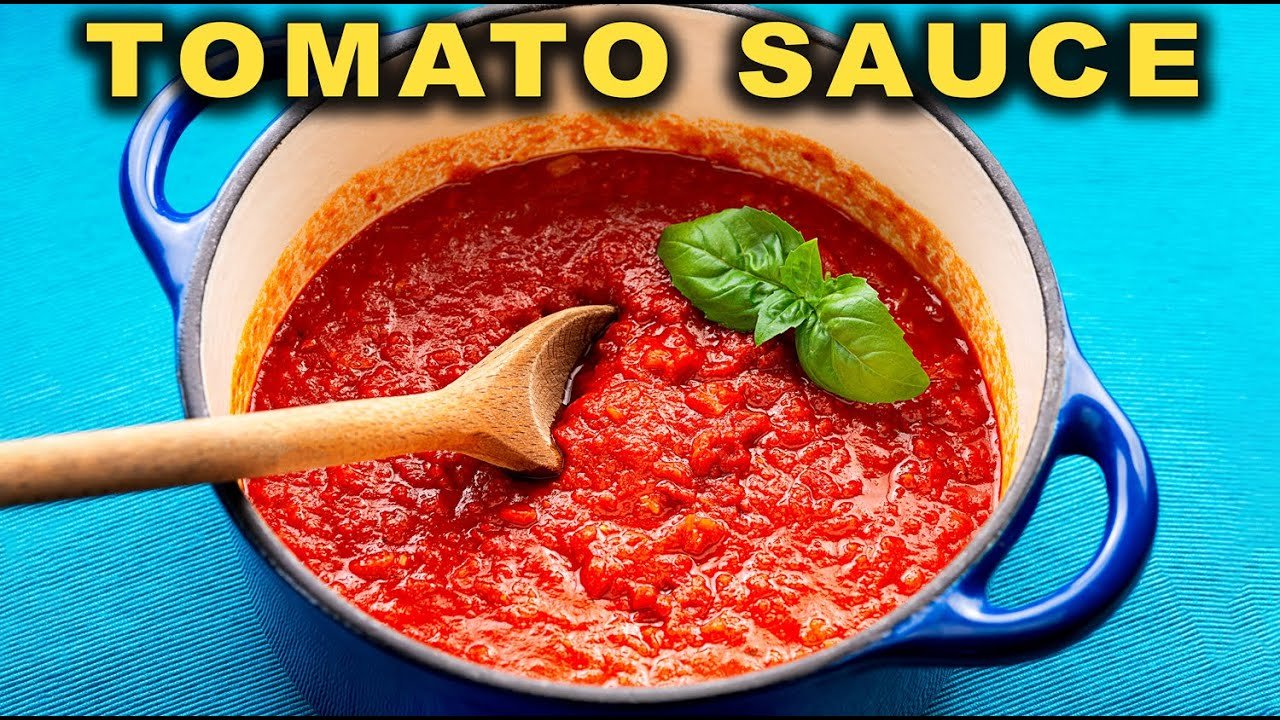
Imagine the rich, fresh taste of homemade tomato sauce simmering on your stove. You might think making tomato sauce from scratch is complicated or time-consuming, but it’s simpler than you believe.
By learning how to make your own sauce, you take control of the flavors, avoid preservatives, and create something truly special for your meals. Ready to discover how easy and rewarding it can be? Keep reading, and you’ll have a delicious, homemade tomato sauce in no time.

Credit: downshiftology.com
Gathering Ingredients
Making tomato sauce from scratch starts with picking the right ingredients. Fresh and quality items make a big difference in flavor.
Here is what you need to prepare before cooking your sauce. Having everything ready helps the process go smoothly.
Fresh Tomatoes
Choose ripe tomatoes for the best taste. Roma or plum tomatoes work well because they have fewer seeds and thicker flesh.
Aromatic Vegetables
Onions and garlic add depth to your sauce. Use fresh cloves and bulbs to get strong flavors that fill the kitchen.
Herbs And Spices
Simple herbs like basil and oregano bring freshness. Salt and pepper adjust the taste to your liking.
- Fresh basil leaves
- Dried oregano
- Salt
- Black pepper
- Red pepper flakes (optional)
Olive Oil And Other Basics
Good quality olive oil helps to cook the vegetables gently. You might also want sugar to balance acidity.
| Ingredient | Purpose |
| Olive oil | Sautéing and flavor |
| Sugar | Balance acidity |
| Water or broth | Adjust sauce thickness |
Credit: www.mealpro.net
Choosing The Right Tomatoes
Tomatoes are the main ingredient in tomato sauce. Picking the right kind makes a big difference. Fresh, ripe tomatoes bring the best flavor and texture to your sauce.
Not all tomatoes work well for sauce. Some have too much water or too many seeds. You want tomatoes that cook down thick and taste rich.
Types Of Tomatoes For Sauce
Some tomato types are better for sauces because of their flesh and juice balance. These tomatoes hold up well when cooked.
- Roma Tomatoes: Firm and meaty with few seeds.
- San Marzano Tomatoes: Sweet taste and low acidity.
- Plum Tomatoes: Dense flesh, ideal for thick sauces.
- Beefsteak Tomatoes: Juicy but may need longer cooking.
Freshness And Ripeness
Choose tomatoes that are fully ripe but not soft or bruised. Look for bright red skin without green spots. Fresh tomatoes have the best flavor and color.
How To Store Tomatoes Before Cooking
| Storage Method | Effect on Tomatoes |
| Room Temperature | Maintains flavor and ripeness |
| Refrigeration | Slows ripening but can dull taste |
| Keep Away from Sunlight | Prevents overripening and soft spots |
Store tomatoes on the counter at room temperature. Use them within a few days for the best taste. Avoid putting tomatoes in the fridge unless fully ripe and you need to keep them longer.
Essential Kitchen Tools
Making tomato sauce from scratch is simple and fun. Using the right tools makes the process easier.
This guide shows the basic kitchen tools you need to create fresh tomato sauce at home.
Large Saucepan Or Pot
A large saucepan or pot helps cook tomatoes evenly. It holds enough sauce for several servings.
Choose one with a thick bottom to prevent burning the sauce.
Knife And Cutting Board
Use a sharp knife to chop tomatoes and other ingredients. A sturdy cutting board protects your counters.
Keep the knife sharp for clean cuts and safety.
Wooden Spoon Or Silicone Spatula
A wooden spoon or silicone spatula is perfect for stirring the sauce. These tools won’t scratch your pot.
They help mix ingredients well and prevent the sauce from sticking to the bottom.
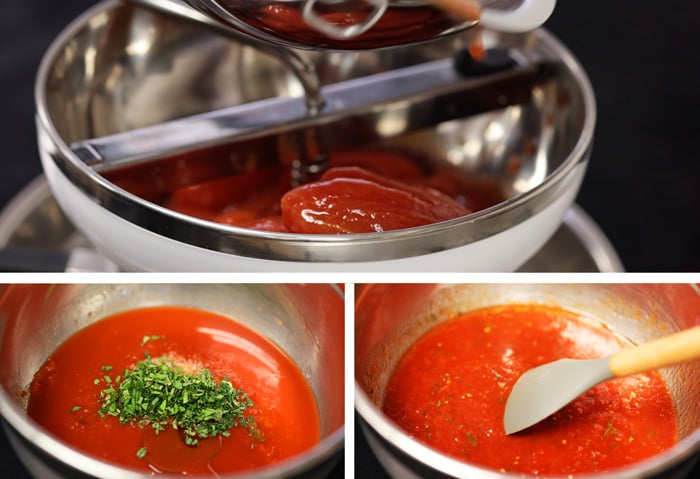
Blender Or Food Mill
A blender or food mill smooths the sauce to your liking. It removes seeds and skins for a silky texture.
If you prefer chunky sauce, you can skip this tool.
Measuring Cups And Spoons
Measuring cups and spoons help add the right amounts of spices and liquids. This keeps your sauce balanced.
Use them to measure salt, sugar, herbs, and other ingredients precisely.
Strainer Or Colander
A strainer or colander rinses fresh tomatoes and drains excess water from canned tomatoes.
This tool helps keep your sauce thick and flavorful.
Preparing The Tomatoes
Good tomato sauce starts with well-prepared tomatoes. Taking time to prepare them right improves flavor and texture.
This guide covers peeling, seeding, and chopping techniques to help you get the best results from fresh tomatoes.
Peeling And Seeding
Peeling and removing seeds makes your sauce smooth and less bitter. Start by scoring the tomato skin and blanching them in hot water for easy peeling.
- Cut a small “X” at the tomato bottom
- Drop tomatoes in boiling water for 30 seconds
- Transfer to cold water immediately
- Peel off the skin starting at the “X”
- Cut the tomato in half and scoop out seeds
Chopping Techniques
How you chop tomatoes affects the sauce texture. Use a sharp knife and cut into even pieces for better cooking.
| Chop Style | Description | Best For |
|---|---|---|
| Diced | Small, even cubes | Chunky sauces |
| Crushed | Roughly broken pieces | Rustic sauces |
| Pureed | Blended smooth | Silky sauces |
Sautéing Aromatics
Sautéing aromatics adds deep flavor to tomato sauce. It is the first step to building a tasty base.
Using garlic, onions, and herbs creates a rich and inviting sauce. Cook them gently to release their aroma.
Garlic And Onions
Start by heating oil in a pan over medium heat. Add chopped onions and cook until they are soft and translucent.
Next, add minced garlic. Stir often to avoid burning. Garlic cooks quickly and can taste bitter if overcooked.
- Use one medium onion for a batch of sauce
- Chop onions finely for even cooking
- Use 2 to 3 garlic cloves, minced
- Cook onions about 5 minutes before adding garlic
- Stir garlic for 1 to 2 minutes until fragrant
Adding Herbs
Fresh or dried herbs add depth to the tomato sauce. Add them after the garlic cooks to release their oils.
| Herb | Use Fresh | Use Dried |
| Basil | Add near end of cooking | Add early for flavor |
| Oregano | Add early in sauté | Add early for strong flavor |
| Thyme | Add early in sauté | Add early for best taste |
Credit: harvestandnourish.com
Simmering The Sauce
Simmering tomato sauce lets the flavors blend well. It also helps thicken the sauce to the right texture.
Keep the heat low so the sauce cooks slowly. Stir often to stop it from sticking or burning.
Achieving The Right Consistency
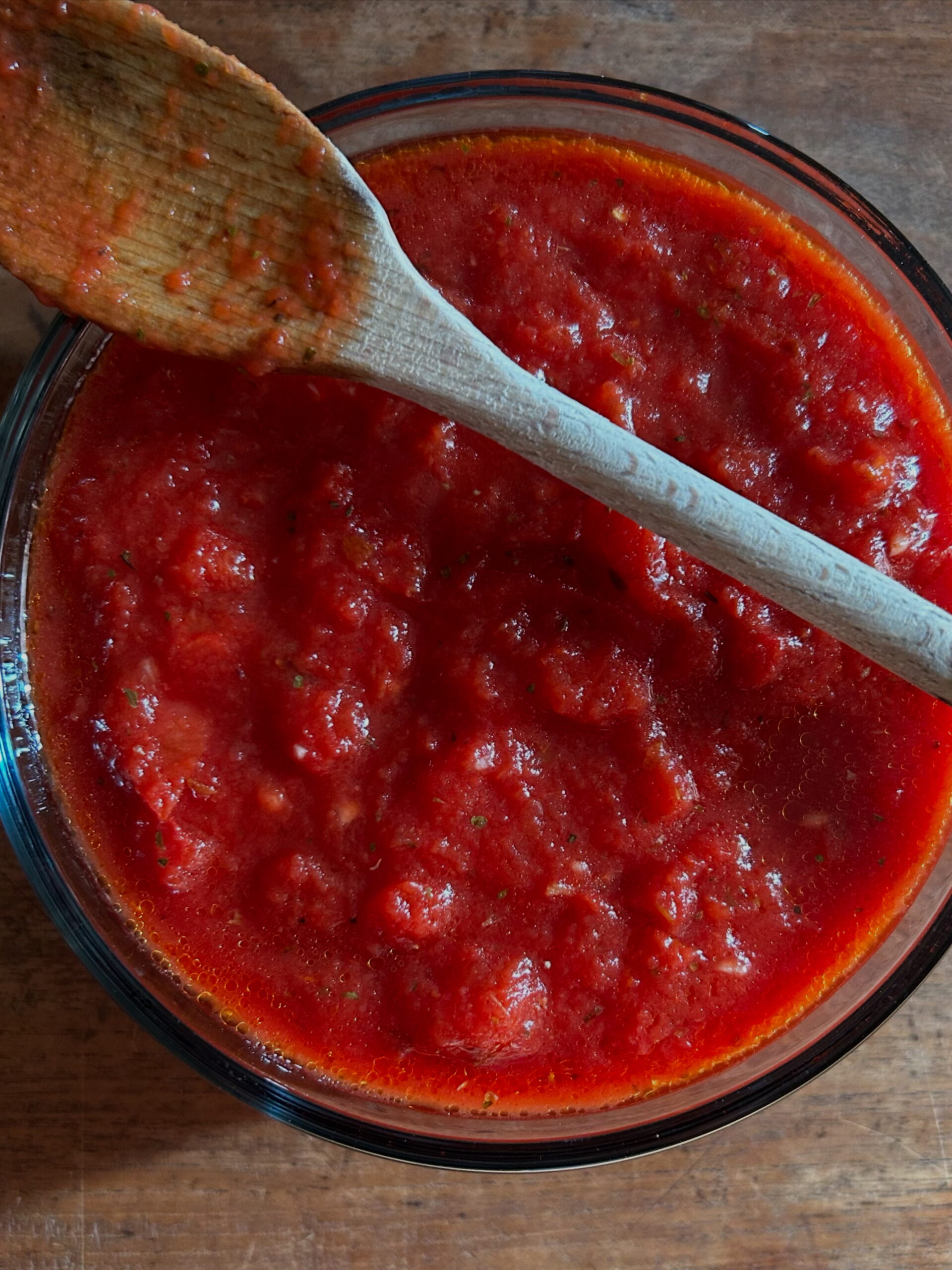
The sauce should be thick but not too dry. You want it to coat the back of a spoon smoothly.
- If the sauce is too watery, cook it longer with the lid off.
- Add a small amount of tomato paste to thicken faster.
- For thicker sauce, mash some cooked tomatoes with a fork.
- If too thick, stir in a splash of water or broth.
Adjusting Seasonings
Seasonings bring out the flavor of your tomato sauce. Taste often and add spices little by little.
| Seasoning | Suggested Amount | Purpose |
| Salt | 1 teaspoon | Enhances flavor |
| Sugar | 1/2 teaspoon | Reduces acidity |
| Black Pepper | 1/4 teaspoon | Adds mild heat |
| Basil | 1 teaspoon | Adds fresh aroma |
| Oregano | 1/2 teaspoon | Adds earthiness |
Blending And Straining
Blending and straining are key steps for making smooth tomato sauce. They help remove lumps and seeds for a better texture.
Using the right tools and techniques makes your sauce creamy and pleasant to eat. Let’s look at how to create a smooth texture and remove excess seeds.
Creating A Smooth Texture
Start by blending the cooked tomatoes using a blender or food processor. Blend until the sauce feels smooth but not watery.
- Use short pulses to avoid over-blending
- Stop blending when no large chunks remain
- Check thickness and add water if too thick
- Blend in batches if needed to avoid overheating
Removing Excess Seeds
Seeds can make tomato sauce bitter and gritty. Strain the blended sauce to remove them for a cleaner taste.
Follow these steps to strain your sauce:
- Place a fine mesh sieve over a large bowl.
- Pour the blended sauce slowly into the sieve.
- Use the back of a spoon to press the sauce through.
- Discard the seeds and skin left in the sieve.
Storing And Freezing
Making tomato sauce from scratch is rewarding. Proper storage keeps it fresh longer. Freezing helps you save sauce for months.
Learn how to store and freeze your tomato sauce safely. This guide shows easy ways to keep its taste and quality.
Proper Storage Techniques
Store your tomato sauce in the fridge if you plan to use it soon. Use clean, airtight containers to avoid spoilage.
- Cool the sauce to room temperature before storing.
- Use glass jars or plastic containers with tight lids.
- Keep sauce in the coldest part of the fridge.
- Use within 5 days for best flavor and safety.
- Label containers with the date of storage.
Freezing For Long-term Use
Freezing tomato sauce preserves it for months. It keeps the sauce fresh and ready to use anytime.
| Freezing Tip | Description |
| Use freezer-safe containers | Prevent freezer burn by using airtight containers or bags. |
| Leave space at the top | Allow sauce to expand when frozen to avoid container breakage. |
| Label with date | Helps track storage time for safe use. |
| Freeze in small portions | Make thawing faster and avoid wasting sauce. |
| Thaw in fridge | Keep sauce safe and maintain flavor by thawing slowly. |
Serving Suggestions
Tomato sauce is a tasty and flexible addition to many dishes. It brings rich flavor and color to simple meals.
Here are some ways to enjoy your homemade tomato sauce with pasta and pizza.
Pairing With Pasta
Tomato sauce goes well with many pasta shapes. It clings nicely and adds a fresh taste.
- Spaghetti: Classic and simple, tomato sauce coats thin strands well.
- Penne: Tube shapes hold sauce inside for a juicy bite.
- Fusilli: Twists catch the sauce on every curve.
- Rigatoni: Large tubes pair perfectly with chunky tomato sauce.
Using As A Pizza Base
Homemade tomato sauce makes a great base for pizza. It adds flavor and moisture to the crust.
| Type of Pizza | Recommended Toppings |
| Margherita | Fresh mozzarella, basil leaves |
| Pepperoni | Pepperoni slices, shredded cheese |
| Vegetarian | Bell peppers, mushrooms, olives |
| Four Cheese | Mozzarella, parmesan, gorgonzola, ricotta |
Troubleshooting Common Issues
Making tomato sauce from scratch can be simple, but problems may arise. Knowing how to fix common issues helps improve your sauce.
This guide covers how to fix bitter sauce and how to thicken a sauce that is too thin.
Fixing Bitter Sauce
Bitter sauce often happens if tomatoes are cooked too long or if the seeds and skins stay in the sauce. Use these tips to reduce bitterness.
- Add a small pinch of sugar to balance the bitterness.
- Stir in a splash of cream or butter to soften harsh flavors.
- Include a peeled potato while cooking; it absorbs bitterness.
- Remove tomato seeds and skins before cooking.
- Cook sauce on low heat and avoid burning.
Thickening Too Thin Sauce
Thin sauce can make your dish watery and less flavorful. Try these methods to get the right thickness.
| Method | Description | Tips |
|---|---|---|
| Simmer Longer | Cook sauce on low heat to evaporate water. | Stir often to prevent burning. |
| Add Tomato Paste | Mix in a spoonful of tomato paste for thickness. | Adjust seasoning after adding paste. |
| Use Cornstarch Slurry | Combine cornstarch with cold water, then stir in. | Add slowly and cook until thickened. |
| Blend Some Sauce | Puree part of the sauce and mix back. | Gives natural thickness and smooth texture. |
Frequently Asked Questions
What Ingredients Are Needed For Homemade Tomato Sauce?
You need fresh tomatoes, olive oil, garlic, onions, salt, and herbs like basil or oregano. These create a rich, flavorful sauce from scratch.
How Long Does It Take To Make Tomato Sauce?
Making tomato sauce from scratch typically takes 45 minutes to 1 hour. This includes prepping, cooking, and simmering for best flavor.
Can I Freeze Homemade Tomato Sauce?
Yes, homemade tomato sauce freezes well. Cool it completely, store in airtight containers, and freeze for up to 3 months.
How Do I Make Tomato Sauce Thicker?
Simmer the sauce uncovered to reduce water content. Adding tomato paste also helps thicken and intensify the flavor.
Conclusion
Making tomato sauce from scratch is simple and rewarding. Fresh ingredients create the best flavor. You control the taste and texture. It saves money and avoids preservatives. Use it on pasta, pizza, or sandwiches. Experiment with herbs to suit your liking.
Cooking your own sauce brings joy to the kitchen. Try it today and enjoy homemade goodness.