
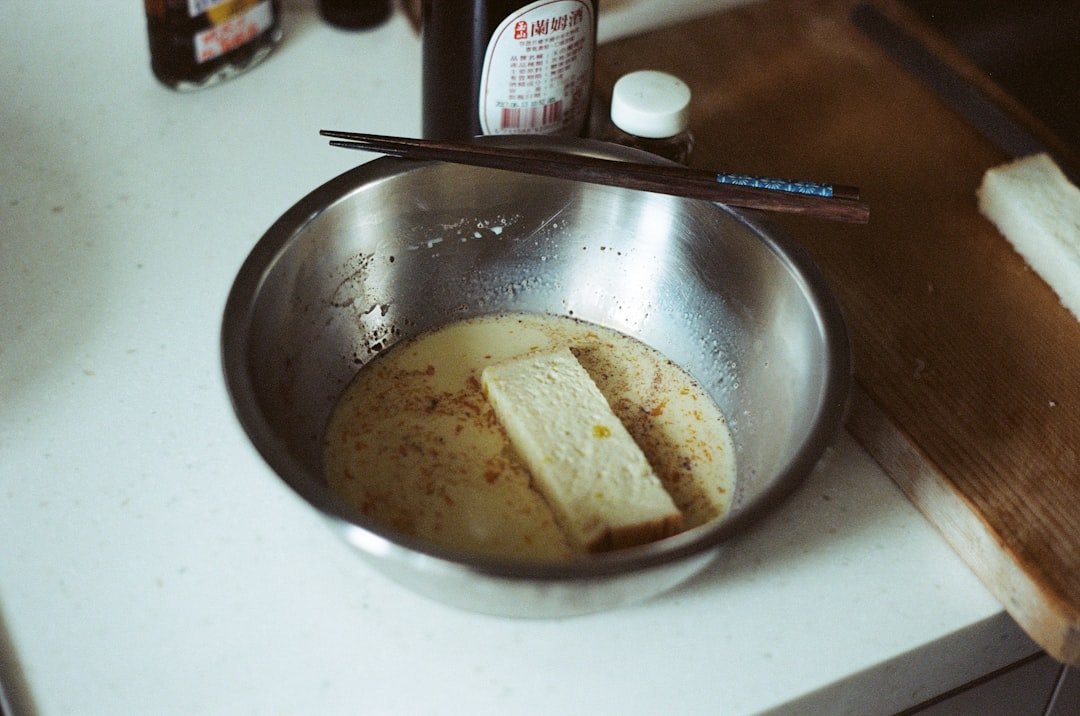
Are you ready to make the fluffiest, most delicious pancakes right in your own kitchen? Making homemade pancake batter is easier than you think, and it gives you full control over the taste and texture.
Imagine waking up to warm, golden pancakes that melt in your mouth – all from scratch, with simple ingredients you probably already have. Keep reading, and you’ll discover step-by-step how to create the perfect pancake batter that will impress your family and friends every time.
Let’s get started and make your breakfast unforgettable!

Credit: www.youtube.com
Essential Ingredients
Making homemade pancake batter is simple and fun. You only need a few basic ingredients to start.
Each ingredient plays a special role in creating soft and fluffy pancakes. Let’s look at the key ingredients you need.
Flour
Flour forms the base of pancake batter. It gives the batter structure and texture. All-purpose flour works well for most recipes.
Baking Powder
Baking powder helps the pancakes rise and become fluffy. It creates bubbles in the batter, making it light and airy.
Milk
Milk adds moisture and richness to the batter. You can use whole milk, low-fat, or plant-based milk depending on your preference.
Eggs
Eggs bind the ingredients together. They also add flavor and help the pancakes hold their shape while cooking.
Sugar And Salt
Sugar adds a touch of sweetness. Salt balances the flavor and enhances the other ingredients.
- Use about 1 to 2 tablespoons of sugar
- Use a pinch of salt, around 1/4 teaspoon
Butter Or Oil
Butter or oil adds fat to the batter. This keeps pancakes moist and helps them cook evenly without sticking.
| Ingredient | Purpose | Common Amount |
| Flour | Structure and texture | 1 cup |
| Baking Powder | Leavening agent for fluffiness | 2 teaspoons |
| Milk | Moisture and richness | 3/4 cup |
| Eggs | Binding and flavor | 1 large |
| Sugar | Sweetness | 1-2 tablespoons |
| Salt | Flavor enhancer | 1/4 teaspoon |
| Butter or Oil | Moisture and non-stick | 2 tablespoons |
Choosing The Right Flour
Flour is the main ingredient in pancake batter. The type of flour you pick changes the pancake’s taste and texture.
Different flours have different protein levels. This affects how fluffy or dense your pancakes will be.
All-purpose Flour
All-purpose flour is the most common choice for pancakes. It has a moderate protein level that makes soft pancakes.
This flour gives pancakes a nice balance of fluffiness and structure. It works well for everyday pancakes.
Whole Wheat Flour
Whole wheat flour is healthier because it has more fiber. It makes pancakes denser and gives a nutty flavor.
Use it if you want a richer taste. Mixing it half and half with all-purpose flour can soften the texture.
Gluten-free Flour
Gluten-free flour is good for people with gluten allergies. It can be made from rice, almond, or oat flour.
These flours may change the texture. Using a mix of gluten-free flours often gives better results than just one type.
Cake Flour
Cake flour has a low protein content. It makes very light and soft pancakes with a delicate crumb.
This flour is great if you want extra tender pancakes. It is best for recipes that call for fluffy texture.
Mixing Dry Ingredients
Mixing dry ingredients is the first step in making pancake batter. It helps make the pancakes light and fluffy.
Proper mixing stops lumps and spreads flavors evenly in the batter.
Gather Basic Dry Ingredients
You need simple ingredients like flour, sugar, baking powder, and salt. These make the pancake taste good and rise well.
- All-purpose flour
- Granulated sugar
- Baking powder
- Salt
Measure Ingredients Accurately
Use measuring cups and spoons to get the right amounts. Too much or too little can change the pancake texture.
Level off the flour with a knife for an exact measure. Don’t pack it down.
Combine Ingredients In A Large Bowl
Put all dry ingredients in one big bowl. This gives enough space to mix well without spilling.
Whisk To Blend Evenly
Use a whisk or fork to stir the dry ingredients. Mix them until they look uniform and smooth.
- Break up clumps of flour
- Distribute baking powder and salt
- Spread sugar evenly
Check For Clumps
Look closely for any lumps or clumps in the flour mix. They can cause uneven cooking.
If you see clumps, whisk more or sift the mixture before adding wet ingredients.
:max_bytes(150000):strip_icc()/21014-good-old-fashioned-pancakes-VAT-003-3x2-02-6b79447c2dfb4f3692f2db1e3f58d182.jpg)
Credit: www.allrecipes.com
Combining Wet Ingredients
Making pancake batter starts with mixing the wet ingredients well. This step helps create a smooth base for the batter.
Properly combined wet ingredients ensure the pancakes cook evenly and taste great.
Crack The Eggs
Start by cracking the eggs into a clean bowl. Eggs add structure and richness to your pancakes.
Make sure no shell pieces fall in the bowl. You want the eggs smooth and ready to mix.
Add Milk Or Buttermilk
Pour milk or buttermilk into the eggs. This liquid makes the batter thin enough to pour easily.
Buttermilk adds a slight tang and helps make pancakes fluffy.
Mix In Melted Butter Or Oil
Add melted butter or oil to the wet mixture. This ingredient keeps pancakes moist and tender.
Make sure the butter is not too hot to avoid cooking the eggs.
Whisk Until Smooth
Use a whisk to stir the wet ingredients well. Mix until everything looks smooth and combined.
- Break up egg yolks and whites
- Blend milk and butter evenly
- Remove lumps for smooth batter
Achieving The Perfect Consistency
Making pancake batter at home is simple and fun. The key is to get the batter consistency just right.
The perfect batter makes pancakes soft and fluffy without being too thick or too runny.
Use The Right Flour And Liquid Ratio
The balance between flour and liquid controls the thickness of your batter. Too much flour makes it thick. Too much liquid makes it runny.
Start with a basic mix of one cup flour to one cup milk. Adjust slowly by adding more milk or flour to reach the right texture.
Mix Gently To Avoid Overworking
Stir the batter until the dry ingredients just combine with the wet. Small lumps are okay and help keep pancakes tender.
Overmixing activates gluten and makes pancakes tough and rubbery.
Check The Batter Texture
The batter should pour easily but not be watery. It should be thick enough to hold its shape on the pan.
- Too thick: batter stays in a mound and does not spread.
- Too thin: batter spreads too fast and pancakes are flat.
- Just right: batter spreads slowly and forms a round pancake.
Adjusting Batter With Common Ingredients
| Ingredient | Effect on Batter | How to Adjust |
|---|---|---|
| Flour | Makes batter thicker | Add gradually to thicken thin batter |
| Milk or Water | Makes batter thinner | Add small amounts to thin thick batter |
| Eggs | Bind ingredients and add richness | Use fresh eggs; one egg per cup flour is standard |
| Butter or Oil | Adds moisture and softness | Mix melted butter or oil for smooth texture |
Resting The Batter
Resting pancake batter is a simple step that improves texture and flavor. It allows the ingredients to blend and the flour to hydrate fully.
Taking time to rest the batter helps make pancakes light and fluffy. It also reduces bubbles during cooking, giving a smoother surface.
Why Resting Matters
Resting lets the starches in flour absorb the liquid. This makes the batter thicker and smoother. It also helps gluten to relax, so pancakes stay tender.
How Long To Rest Pancake Batter
The ideal resting time is between 15 and 30 minutes. This gives enough time for the batter to settle without losing its rise.
- Mix all ingredients until combined.
- Cover the bowl with a clean towel or plastic wrap.
- Let the batter rest at room temperature for 15 to 30 minutes.
- Stir gently before cooking the pancakes.
Tips For Resting Pancake Batter
| Tip | Reason |
|---|---|
| Cover the batter | Prevents drying and skin formation |
| Use room temperature ingredients | Helps batter mix better and rest evenly |
| Do not overmix before resting | Keeps pancakes tender and light |
| Rest on the counter, not in the fridge | Allows batter to stay at ideal temperature |
Tips For Fluffier Pancakes
Fluffy pancakes make breakfast more enjoyable. The batter is key to soft, airy pancakes. Small changes can create big differences in texture.
Understanding how ingredients and mixing affect batter helps make pancakes lighter. Follow these tips to get fluffier pancakes every time.
Use Fresh Baking Powder
Baking powder helps pancakes rise and become fluffy. Old baking powder loses power and makes flat pancakes. Check the expiration date before use.
Do Not Overmix The Batter
Mix the dry and wet ingredients until just combined. Overmixing creates gluten, making pancakes tough. A few lumps in the batter are okay.
Let The Batter Rest
Resting the batter for 5 to 10 minutes allows flour to absorb liquid. This helps bubbles form and keeps pancakes soft. Avoid skipping this step.
Add Egg Whites Separately
Whip egg whites until stiff peaks form. Fold them gently into the batter. This adds extra air, making pancakes extra fluffy and light.
Control Cooking Temperature
Cook pancakes on medium heat. High heat burns outside while leaving inside raw. Low heat makes pancakes dry and flat. Adjust heat as needed.
- Preheat the pan well before cooking.
- Use a non-stick pan or griddle.
- Flip pancakes only when bubbles appear on the surface.
- Cook the second side briefly to avoid drying out.
Use Buttermilk Or Yogurt
Buttermilk and yogurt add acidity that reacts with baking powder. This reaction produces more bubbles. It gives pancakes a tender crumb and richer taste.
| Ingredient | Benefit for Fluffiness |
| Fresh Baking Powder | Creates lift and bubbles |
| Whipped Egg Whites | Adds air to batter |
| Rested Batter | Allows flour to hydrate |
| Buttermilk/Yogurt | Acid reacts with leavening |

Credit: www.youtube.com
Cooking Techniques
Making homemade pancake batter is simple and fun. Using the right cooking techniques helps you get fluffy and tasty pancakes every time.
This guide will explain key methods to prepare your batter and cook pancakes with ease and good results.
Mixing Ingredients Properly
Start by combining dry ingredients in one bowl. In another bowl, whisk wet ingredients until smooth. Pour wet into dry and stir gently.
Do not overmix. A few lumps in the batter are okay. Overmixing makes pancakes tough and chewy.
Choosing The Right Pan
Use a non-stick or cast iron pan. Heat it on medium to get even cooking. Avoid pans that are too hot or cold.
- Preheat pan for 3 to 5 minutes
- Test heat by sprinkling a few drops of water
- Water should sizzle but not burn immediately
Cooking The Pancakes
Pour batter on the pan in small circles. Cook until bubbles appear on the surface and edges look dry.
Flip the pancake carefully with a spatula. Cook the other side for about one minute or until golden brown.
| Cooking Step | What to Look For |
| First side | Bubbles form, edges dry |
| Flip | Golden brown color |
| Second side | Cook 1 minute or until brown |
Adjusting Batter Thickness
Thick batter makes thick pancakes. Thin batter makes thin pancakes. Add milk or flour to change thickness.
Try this quick tip:
- If batter is too thick, add small amounts of milk.
- If batter is too thin, add a spoon of flour.
- Mix gently after each addition.
Flavor Variations
Pancake batter is a great base for many flavors. You can add different ingredients to change the taste.
Try these ideas to make your pancakes more exciting and tasty.
Adding Fruits
Fresh or dried fruits add sweetness and texture. Blueberries, mashed bananas, or chopped apples work well.
Spices And Extracts
Spices like cinnamon or nutmeg give warmth and depth. Vanilla or almond extract adds a nice aroma.
Chocolate And Nuts
Chocolate chips and chopped nuts make pancakes rich and crunchy. Use dark, milk, or white chocolate for variety.
- Chocolate chips (dark, milk, or white)
- Chopped walnuts, pecans, or almonds
- Shredded coconut for extra texture
Savory Options
Try adding herbs or cheese for a savory pancake. Chopped chives, cheddar, or cooked bacon bits are good choices.
| Ingredient | Flavor Effect |
| Chopped chives | Fresh and mild onion taste |
| Cheddar cheese | Rich and creamy flavor |
| Bacon bits | Smoky and salty crunch |
Troubleshooting Common Issues
Making pancake batter at home is simple, but sometimes problems occur. These issues can affect the texture and taste of your pancakes.
Here are some common problems and easy tips to fix them. This will help you get better pancakes every time.
Batter Is Too Thick
If your batter is too thick, pancakes may turn out dense and heavy. Thick batter does not spread well on the pan.
Add a small amount of milk or water to thin the batter. Stir gently until it reaches a smooth, pourable consistency.
- Add milk in small amounts, about one tablespoon at a time
- Mix gently to avoid overworking the batter
- The batter should flow easily but not be runny
Batter Is Too Runny
Runny batter spreads too much and makes thin, fragile pancakes. It can also cause uneven cooking.
Add a little flour to thicken the batter. Stir carefully and test the batter by pouring a small amount on the pan.
- Use one tablespoon of flour at a time
- Mix until batter is thicker but still pourable
- Do not add too much flour to avoid dense pancakes
Pancakes Turn Out Tough
Tough pancakes can happen if you mix the batter too much. Overmixing develops gluten, making pancakes chewy.
Mix ingredients just until combined. Small lumps in the batter are okay and help keep pancakes light.
- Use a gentle folding motion when mixing
- Avoid beating the batter vigorously
- Rest the batter for 5–10 minutes before cooking
Pancakes Are Dry
Dry pancakes usually lack enough liquid or fat. This makes them crumbly and bland.
Check your recipe for the right amount of milk, eggs, and oil or butter. Adjust if needed for moist pancakes.
- Use fresh milk or a milk substitute
- Add a little melted butter or oil to the batter
- Do not overcook pancakes to keep moisture inside
Pancakes Are Flat And Not Fluffy
Flat pancakes may mean your batter lacks a leavening agent like baking powder. This ingredient creates air bubbles.
Make sure to use fresh baking powder. Also, avoid letting the batter sit too long before cooking.
- Check baking powder expiration date
- Use about 1 to 2 teaspoons per cup of flour
- Cook pancakes soon after mixing batter
Frequently Asked Questions
What Ingredients Are Needed For Homemade Pancake Batter?
You need flour, baking powder, salt, sugar, milk, eggs, and melted butter. These basics create a smooth, fluffy batter for perfect pancakes every time.
How Do I Make Pancake Batter Without Lumps?
To avoid lumps, sift dry ingredients and whisk wet ingredients separately. Gradually combine and mix gently until smooth, but do not overmix.
Can I Prepare Pancake Batter In Advance?
Yes, you can prepare batter up to 24 hours ahead. Store it covered in the refrigerator and gently stir before cooking.
How Thick Should Pancake Batter Be?
Pancake batter should be pourable but thick enough to coat the back of a spoon. Adjust milk quantity to achieve this consistency.
Conclusion
Homemade pancake batter is simple and quick to make. Just follow the steps carefully. Fresh ingredients make a big difference in taste. Mixing the batter gently keeps pancakes light and fluffy. You can add your favorite flavors or toppings. Enjoy warm pancakes for a happy breakfast.
Try making your batter today and see how easy it is. Perfect pancakes start with the right batter. Happy cooking!