
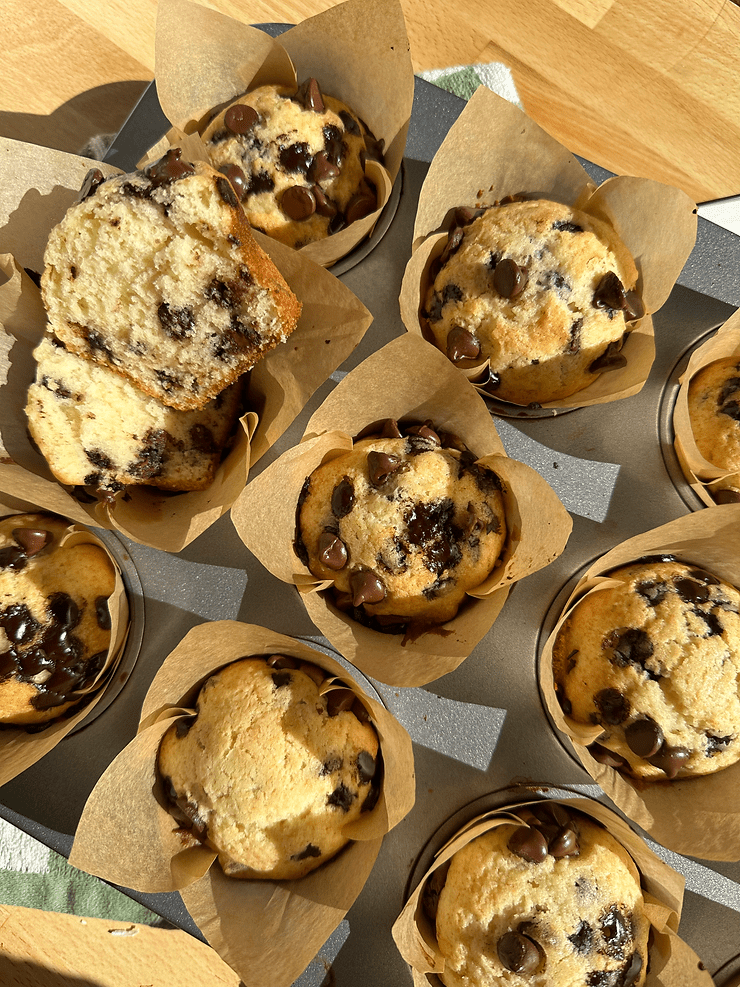
Do you love homemade muffins but wish they were softer and more tender? You’re not alone.
Many people struggle with dry or dense muffins that just don’t feel right. Imagine biting into a muffin that’s perfectly soft, moist, and melts in your mouth every time. It’s easier than you think to achieve that bakery-quality softness right in your own kitchen.
You’ll discover simple and effective tips that will transform your muffins and make every bite a delight. Ready to master the secret to soft homemade muffins? Let’s get started!

Credit: www.youtube.com
Choosing The Right Ingredients
Making soft homemade muffins starts with picking the best ingredients. Each ingredient affects the texture and taste.
Using the right ingredients helps muffins stay moist and tender. Let’s look at what matters most.
Importance Of Fresh Ingredients
Fresh ingredients give muffins better flavor and texture. Old flour or baking powder can make muffins dry or flat.
Always check expiration dates on baking soda, baking powder, and flour. Use fresh eggs and milk for the best results.
- Fresh eggs add moisture and richness
- Fresh milk helps create a soft crumb
- Fresh baking powder and soda make muffins rise well
- Fresh flour ensures a tender texture
Role Of Baking Powder And Baking Soda
Baking powder and baking soda make muffins rise and become fluffy. They create tiny air bubbles in the batter.
Too much or too little can change muffin texture. Use the right amount for soft, light muffins.
- Baking powder works with wet and dry ingredients
- Baking soda needs acid like yogurt or lemon juice
- Both help muffins rise quickly in the oven
- Check freshness to keep leavening active
Selecting The Best Flour
Flour type changes muffin softness. All-purpose flour is common but cake flour makes muffins softer.
Cake flour has less protein. This means less gluten, so muffins stay tender and soft.
- Use cake flour for soft, fine crumb muffins
- All-purpose flour works well but may be denser
- Whole wheat flour adds nutrition but can make muffins heavier
- Sift flour to keep batter light and airy
Mastering The Mixing Technique
Making soft homemade muffins starts with the right mixing technique. Mixing affects the texture and softness of your muffins.
Learning how to mix ingredients properly helps keep muffins tender and moist. It also prevents toughness and dryness.
Avoiding Overmixing
Overmixing muffin batter makes gluten form too much. This leads to tough, chewy muffins instead of soft ones.
Mix your ingredients just until they combine. Small lumps in the batter are okay and normal.
- Use a gentle stirring motion
- Stop mixing as soon as dry ingredients disappear
- Do not beat or whip the batter
The Importance Of Folding
Folding is a gentle way to mix ingredients without breaking air bubbles. It keeps muffins light and fluffy.
Use a spatula to fold ingredients by cutting down through the batter, then gently lifting and turning it over.
- Cut through the center of the batter
- Lift and fold batter over itself
- Turn the bowl slowly while folding
Incorporating Ingredients Evenly
Mixing ingredients evenly helps muffins bake the same all over. It prevents dry spots or dense areas.
Make sure to scrape the bowl edges and bottom while mixing. This moves all ingredients into the batter.
- Use a spatula to scrape sides and bottom
- Mix gently but thoroughly
- Check for any pockets of flour or butter
Temperature And Baking Time
Making homemade muffins soft depends a lot on the oven temperature and baking time. Baking at the right heat keeps muffins moist and tender.
Too high or too long baking makes muffins dry and tough. Let’s look at how to manage temperature and time well.
Preheating The Oven
Always preheat your oven before baking muffins. A hot oven helps muffins rise quickly and stay soft inside.
Set your oven to the right temperature and wait until it reaches that heat before putting muffins in.
Ideal Baking Temperature
Bake muffins at a moderate temperature to keep them soft and moist. Around 350°F (175°C) works well for most recipes.
Too hot ovens can brown the outside too fast, leaving the inside dry. Lower heat cooks muffins evenly.
- Set oven to 350°F (175°C)
- Use an oven thermometer if possible
- Avoid opening the oven door often
Testing For Doneness
Check muffins for doneness to avoid overbaking. Insert a toothpick in the center; it should come out clean or with few crumbs.
Soft muffins may seem slightly moist inside, but they should not be wet or sticky. Remove them from the oven at this point.
- Insert toothpick in muffin center
- Clean or crumbly toothpick means done
- Wet batter means bake a few more minutes
- Cool muffins in the pan for 5 minutes

Credit: www.youtube.com
Adding Moisture For Softness
Soft muffins feel light and tasty. Moisture in the batter helps make muffins soft. Adding the right wet ingredients is key to softness.
This guide shows ways to add moisture. You can use dairy products, fruits, vegetables, or different fats to keep muffins soft.
Using Buttermilk Or Yogurt
Buttermilk and yogurt add moisture and tenderness. They react with baking soda to create air bubbles. This makes muffins rise well and stay soft.
These dairy ingredients also add a slight tangy taste. This flavor brightens muffins without being too strong.
- Use equal amounts to replace regular milk
- Choose plain yogurt to avoid extra sweetness
- Buttermilk works best in recipes with baking soda
Incorporating Fruits And Vegetables
Fruits and vegetables add natural moisture to muffins. They also add vitamins and fiber for a healthy boost.
Examples like mashed bananas, grated zucchini, or applesauce keep muffins soft and flavorful. Use fresh or cooked versions depending on the recipe.
- Use ripe bananas for natural sweetness and moisture
- Grate zucchini finely and squeeze excess water
- Replace some fat with applesauce to reduce calories
Experimenting With Oils And Butter
Oils and butter add fat that traps moisture inside muffins. This fat keeps muffins soft for longer.
Try using vegetable oil for moist texture or butter for rich flavor. Mixing both can balance softness and taste.
- Use oil to make muffins moist and tender
- Butter adds flavor but can make muffins firmer
- Mix half oil and half butter for best results
Enhancing Flavor And Texture
Making homemade muffins soft and tasty needs the right mix of ingredients. Small changes can improve both flavor and texture.
Using sweeteners, extracts, spices, nuts, and seeds carefully helps create muffins that feel fresh and delicious.
Choosing The Right Sweeteners
Sweeteners add flavor and affect muffin softness. Choose natural sweeteners to keep muffins moist.
Honey and maple syrup help retain moisture better than granulated sugar. They also add a mild sweetness.
- Honey adds a smooth texture and gentle sweetness
- Maple syrup gives a rich, warm flavor
- Brown sugar makes muffins softer and adds depth
- Use less sugar to keep muffins tender
Adding Extracts And Spices
Extracts and spices boost flavor without changing texture. Vanilla extract is popular for its sweet aroma.
Cinnamon, nutmeg, and cardamom add warmth and richness. Use small amounts to keep the taste balanced.
- Vanilla extract enhances overall sweetness
- Cinnamon adds a cozy spice note
- Nutmeg offers a soft, nutty flavor
- Cardamom gives a fresh, citrusy hint
Incorporating Nuts And Seeds
Nuts and seeds add crunch and flavor to muffins. They also improve texture by adding healthy fats.
Chopped walnuts, almonds, and pumpkin seeds are good choices. Toast them lightly for extra aroma.
- Walnuts add a soft crunch and mild bitterness
- Almonds give a sweet, nutty flavor
- Pumpkin seeds provide a light crunch and earthiness
- Toast nuts for better taste and crunch
Storing And Serving Tips
Keeping your homemade muffins soft and fresh needs good care. Proper storage and serving methods help keep their texture and taste.
Learn easy ways to store, reheat, and serve your muffins for the best experience every time.
Proper Storage Techniques
Store muffins properly to keep them moist and soft. Avoid air exposure and moisture loss.
- Let muffins cool completely before storing
- Place muffins in an airtight container or sealable bag
- Store at room temperature for up to 2 days
- For longer storage, freeze muffins in a sealed bag
- Use wax paper between muffins to prevent sticking
Reheating For Freshness
Reheat muffins gently to restore softness and warmth without drying them out.
| Method | Instructions | Time |
| Microwave | Wrap muffin in a damp paper towel | 15-20 seconds |
| Oven | Place muffins in a preheated 350°F (175°C) oven on a baking sheet | 10 minutes |
| Toaster Oven | Wrap in foil to keep moisture | 5-7 minutes |
Serving Suggestions
Serve muffins with simple additions to enhance flavor and softness.
- Spread with butter or cream cheese
- Add a drizzle of honey or jam
- Serve warm with a side of fresh fruit
- Pair with a hot drink like tea or coffee
:max_bytes(150000):strip_icc()/6865-to-die-for-blueberry-muffins-VAT-013-3x2-39d17680ad4742fd802901dbb031255b.jpg)
Credit: www.allrecipes.com
Frequently Asked Questions
How Can I Keep Homemade Muffins Soft Longer?
Store muffins in an airtight container at room temperature. Add a paper towel inside to absorb moisture. Avoid refrigerating, as it dries muffins faster. For longer storage, freeze muffins individually wrapped, then thaw before eating.
What Ingredients Make Muffins Soft And Fluffy?
Use ingredients like buttermilk, yogurt, or sour cream for moisture. Add oil instead of butter for a tender crumb. Incorporate baking powder or baking soda for fluffiness. Avoid overmixing the batter to keep muffins soft.
Does Overbaking Affect Muffin Softness?
Yes, overbaking dries out muffins and makes them hard. Bake muffins until a toothpick comes out clean, usually 15-20 minutes. Remove from oven immediately to retain moisture and softness.
Can I Use Oil Instead Of Butter For Soft Muffins?
Yes, oil keeps muffins moister and softer than butter. Use vegetable or canola oil for best results. Butter adds flavor but can make muffins denser if overused.
Conclusion
Soft homemade muffins bring joy to every bite. Use fresh ingredients and avoid overmixing the batter. Measure flour carefully to keep muffins tender. Adding yogurt or milk helps make them moist. Baking at the right temperature ensures soft texture. Let muffins cool slightly before eating.
Enjoy your warm, soft muffins with family or friends. Simple steps, big results. Try these tips for soft muffins every time.